Recognize the importance of strong glutes
When you focus on a glute workout for athletes, you do more than just tone your backside. Your glutes play a central role in stabilizing your hips, improving your posture, and generating the force you need for explosive movements. Strong glutes can help you jump higher, run faster, and reduce your risk of lower-body injuries. By dedicating time to train these powerful muscles, you give yourself a solid foundation for better overall athletic performance.
Why glute strength matters
- Boosts power: Strong glutes help you launch off the ground when sprinting or jumping.
- Improves stability: Engaged glutes promote better balance, keeping your knees and hips aligned.
- Enhances posture: Well-developed glute muscles support your spine and align the pelvis, reducing lower-back strain.
Try these effective exercises
Building glute strength doesn’t have to be complicated. The exercises below are staples in many athletic training programs, and they can easily fit into your weekly routine.
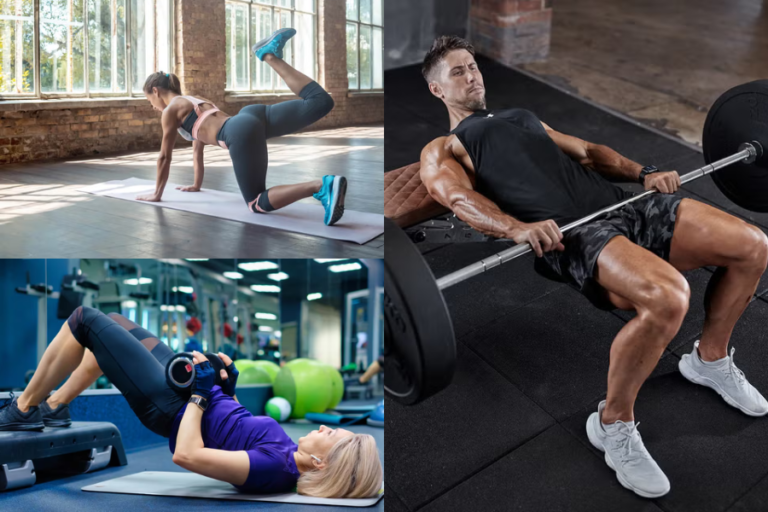
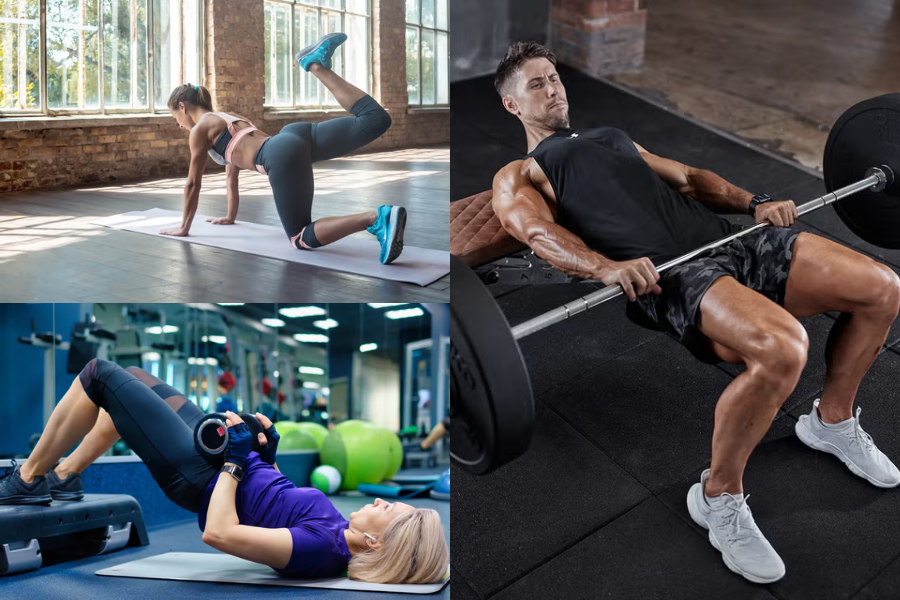
Glute bridge
- Lie on your back with your knees bent and feet flat on the floor.
- Keep your arms by your sides, palms down.
- Press through your heels, lifting your hips until your body forms a straight line from your shoulders to your knees.
- Pause for a moment at the top, then lower your hips back down in a controlled motion.
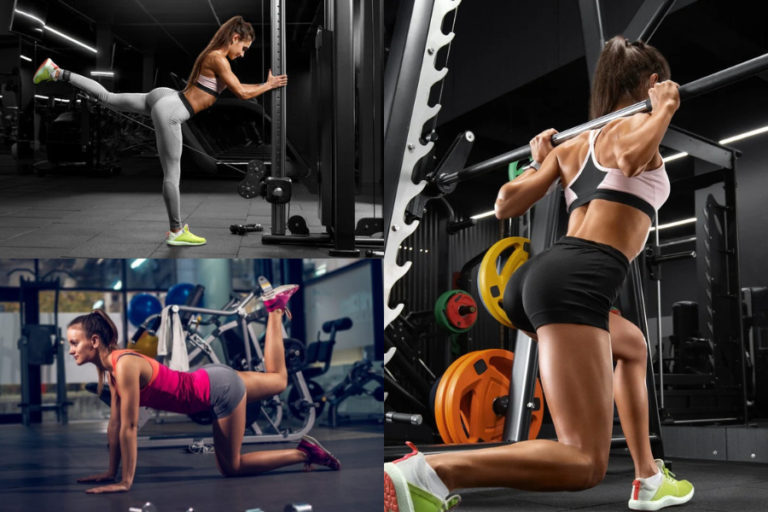
Squats
- Stand with your feet shoulder-width apart and your toes pointed slightly outward.
- Keep your chest up and your core engaged.
- Bend your knees, sending your hips back as if sitting into a chair.
- Push through your heels to return to standing.
Lunges
- Begin standing tall with feet hip-width apart.
- Step one foot forward and bend both knees, lowering your body until your front thigh is parallel to the floor.
- Press off your front foot to return to your starting position.
- Alternate legs and repeat.
Deadlifts
- Stand with your feet under your hips, holding a weight (like a barbell or dumbbells) in front of your thighs.
- Maintain a flat back as you hinge forward from the hips.
- Engage your glutes and hamstrings to pull the weight back up, driving your hips forward to stand tall.
Structure your weekly workout
To see progress in your glute strength, aim to work these muscles at least twice a week. Spread your exercises out so you allow proper recovery. For example:
- Day 1: Focus on squats and glute bridges (3–4 sets, 8–12 reps per set).
- Day 2: Incorporate lunges and deadlifts (3–4 sets, 8–12 reps per set).
Make sure to include a rest day or an active recovery day between sessions. This helps your muscles repair and grow. You can also mix these exercises into a full lower-body workout, pairing them with moves like hamstring curls or calf raises to round out your routine.
Avoid common mistakes
Even the best glute exercises can lose their impact if you slip into poor form or rush your reps. Here are a few pitfalls to watch out for:
- Going too heavy too soon: Start with a manageable weight and progress gradually.
- Letting your knees cave in: Engage your core and keep your knees in line with your toes.
- Arching your lower back: Maintain a neutral spine to redistribute the load onto your glutes.
- Holding your breath: Steady breathing keeps you focused and stable through each rep.
Stay consistent for results
A solid glute workout for athletes hinges on dedication. Consistency in training will improve your strength, stability, and power over time. Keep these tips in mind:
- Track your progress by noting the weights you lift and the number of reps you complete.
- Tweak your routine every few weeks to keep your muscles challenged.
- Listen to your body and prioritize rest, nutrition, and proper hydration.
With steady effort and a strategic approach, you’ll soon feel the difference in your athletic performance. Start incorporating these exercises into your routine, and enjoy stronger, more powerful glutes that support all your fitness goals.
About the Author