A dash diet for hypertension focuses on simple, everyday foods that support your heart rather than complicated rules or specialty products. If you are looking to lower your blood pressure, improve cholesterol, or lose some weight without feeling deprived, this way of eating gives you a clear, flexible roadmap that you can adapt to your life.
The DASH diet, which stands for Dietary Approaches to Stop Hypertension, was originally designed to help treat and prevent high blood pressure. Over time, research has shown that it can also lower LDL cholesterol, support healthy weight loss, and reduce your overall risk of heart disease and stroke (NHLBI, Mayo Clinic).
Understand what the DASH diet is
At its core, the DASH diet is a pattern of eating, not a short term cleanse or a strict meal plan. You focus on whole, minimally processed foods, especially those rich in potassium, calcium, magnesium, and fiber, nutrients that naturally help lower blood pressure.
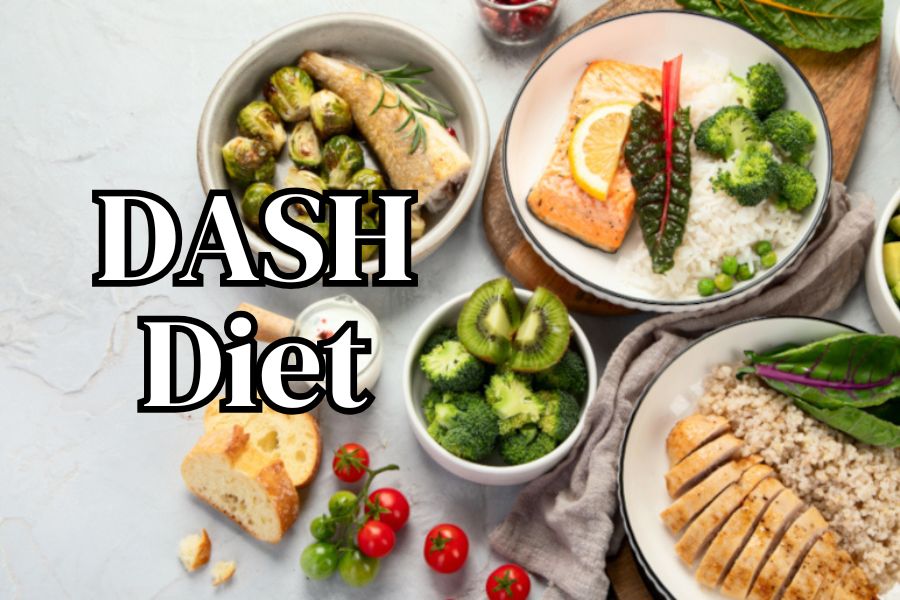
You build most of your meals around vegetables, fruits, whole grains, lean proteins, low fat or fat free dairy, beans, nuts, and seeds. At the same time, you limit foods that are high in sodium, added sugar, saturated fat, and cholesterol, such as heavily processed snacks, sugary drinks, and fatty cuts of meat (Mayo Clinic).
One advantage is that you do not have to buy special products. The plan is based on everyday grocery store items and typical restaurant foods, which makes it easier to follow in real life and to sustain long term (Mayo Clinic).
See how DASH helps hypertension
High blood pressure puts extra strain on your heart and blood vessels. Over time, that strain raises your risk of heart attack, stroke, kidney damage, and other serious problems. The DASH diet targets several of the key drivers behind this.
First, you reduce sodium, which helps lower the fluid volume in your blood vessels and decreases blood pressure. Second, you increase nutrients such as potassium, calcium, and magnesium that help your blood vessels relax and your heart function efficiently (MedlinePlus, Mayo Clinic).
Clinical trials support these benefits. In the original DASH study, adults who followed the diet for 8 weeks had greater reductions in blood pressure compared with those eating a typical American diet, even when everyone consumed the same 3,000 milligrams of sodium per day (NHLBI). Later, the DASH Sodium trial found that when you combine the DASH diet with a lower sodium intake, blood pressure drops even more, especially if you already have hypertension (NHLBI, Cureus).
Beyond blood pressure, the DASH pattern can reduce LDL cholesterol and triglycerides and is linked with a lower 10 year cardiovascular risk and fewer heart failure hospitalizations in older adults (NHLBI, Cureus).
Focus on sodium and key nutrients
A big part of the DASH diet for hypertension is getting your sodium level into a healthier range and balancing it with other nutrients that protect your heart.
For sodium, the standard DASH plan aims for up to 2,300 milligrams per day, about one teaspoon of table salt. A lower sodium version recommends 1,500 milligrams per day, which can lower blood pressure even more. The right target for you depends on your health status, so it is best to talk with your healthcare provider before making major changes (NHLBI, Mayo Clinic).
At the same time, you increase foods that are naturally rich in:
- Potassium, such as bananas, potatoes, beans, and leafy greens
- Calcium, from low fat or fat free milk, yogurt, and fortified foods
- Magnesium, found in whole grains, nuts, seeds, and legumes
- Fiber and lean protein, which help with satiety and weight management
Together, lower sodium and higher potassium, calcium, and magnesium work as a powerful combination to improve blood pressure and heart health (MedlinePlus, Mayo Clinic).
Know what your plate should look like
The official DASH guidelines are based on a 2,000 calorie per day diet, but the pattern is flexible and you can adjust serving sizes to your needs. Here is a simplified example of how your daily plate might look, based on the goals described by the National Heart, Lung, and Blood Institute (NHLBI).
Think of your meals as a way to hit a daily mix of vegetables, fruits, whole grains, and lean proteins while capping high sodium, high sugar, and high fat foods.
A typical day on a 2,000 calorie DASH style plan might include:
- Several servings of vegetables, such as salads, steamed greens, and roasted vegetables
- Several servings of fruits, fresh or frozen, as snacks or dessert
- Multiple servings of whole grains, such as oats, brown rice, or whole wheat bread
- Two to three servings of low fat or fat free dairy, like yogurt or milk
- A few servings of lean protein, from poultry, fish, beans, or tofu
- Small portions of nuts and seeds several times per week
- Limited sweets and sugary drinks
If you eat more or fewer calories, your serving goals shift up or down, but the proportions stay similar. A dietitian or healthcare provider can help you tailor these targets to your age, activity level, and health conditions (NHLBI, MedlinePlus).
Use DASH to support weight loss
If you are also aiming to lose weight, the DASH diet gives you a strong foundation, because it emphasizes filling, nutrient dense foods that are naturally lower in calories and higher in fiber.
You can adjust portion sizes or overall calories to create a modest energy deficit while keeping the same food pattern. This approach is easier to maintain than severe restriction, because you still eat a variety of flavorful foods and avoid the feeling that certain items are completely off limits.
Studies such as the PREMIER and ENCORE trials found that when people combine DASH eating with calorie control, activity, and lifestyle support, they lose weight and see even greater improvements in blood pressure compared with diet changes alone (NHLBI, Cureus).
Plan everyday meals the DASH way
You do not need a perfect meal plan to start. You can begin by reshaping your existing favorite meals to better match the DASH pattern.
For breakfast, you might swap sugary cereal for oatmeal topped with berries and a spoonful of nuts, plus a side of low fat yogurt. For lunch, you could build a plate with half vegetables, one quarter whole grains such as quinoa or brown rice, and one quarter lean protein like grilled chicken or chickpeas. Dinner could be baked fish with roasted vegetables and a small serving of whole grain pasta or potatoes.
Snacks are an easy place to make progress. Fresh fruit, unsalted nuts, plain popcorn, raw vegetables with hummus, or low fat yogurt all fit well within the DASH framework.
If you prefer more structured guidance, Mayo Clinic offers sample 3 day DASH menus that you can adapt and repeat as needed (Mayo Clinic).
Cut back on sodium without losing flavor
One of the biggest practical challenges with the DASH diet for hypertension is lowering sodium, especially if you are used to processed foods or restaurant meals. Small, consistent changes make a big impact.
Start by tasting food before adding salt at the table and then gradually reducing the amount you sprinkle on. When you cook, rely more on herbs, spices, citrus, garlic, and vinegar to build flavor. Over a few weeks, your taste buds adjust and salty foods can start to taste too strong.
At the grocery store, choose products labeled low sodium or no salt added when possible and compare nutrition labels on similar items. You might notice that two brands of canned beans or tomato sauce can have very different sodium levels. Rinsing canned beans and vegetables under water can also wash away some of the sodium.
When you eat out, you can ask for sauces and dressings on the side, choose grilled or baked items instead of fried, and skip highly processed sides such as fries or chips. These small adjustments help you stay closer to your daily sodium goals while still enjoying social meals.
Combine diet with movement and medical care
DASH is powerful on its own, but you see the best results when you combine it with other healthy habits. Aim for at least 30 minutes of moderate intensity exercise like brisk walking or biking on most days of the week, for a total of at least 2 hours and 30 minutes weekly, as recommended in DASH related guidance (MedlinePlus).
If you already take blood pressure medication, you should not stop it on your own. Instead, let your healthcare provider know that you are following the DASH diet so they can monitor your blood pressure, adjust medications if needed, and help you choose the right sodium target for your situation (MedlinePlus, Mayo Clinic).
It is also wise to limit alcohol, because heavy drinking can raise blood pressure. Current DASH guidance suggests no more than two drinks per day for men and one for women. Caffeine may cause a temporary spike in blood pressure in some people, so it can help to track how you respond to coffee or energy drinks (Mayo Clinic).
Take your first simple step
You do not have to overhaul your entire diet at once to benefit from the DASH diet for hypertension. Instead, choose one manageable change to start today. That might be adding a serving of vegetables to your usual dinner, swapping a salty snack for a piece of fruit and a handful of unsalted nuts, or cooking one lower sodium meal at home this week.
As you layer in more changes over time, your plate begins to match the DASH pattern almost automatically. The payoff is meaningful: lower blood pressure, better cholesterol numbers, and a long term eating style that supports both your heart and your weight.
Once you try one change, pay attention to how you feel. You can build from there, one meal and one day at a time.
About the Author