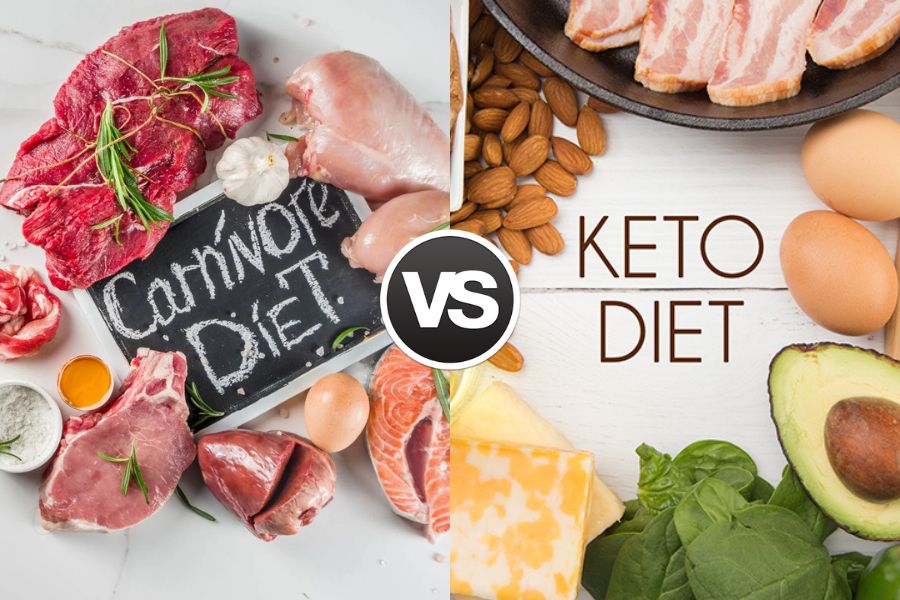
A high fat, low carb diet can absolutely move the needle for your weight and health, but not all low carb plans work the same way. When you look at the carnivore diet vs keto, you are really comparing two very different approaches to cutting carbs, managing hunger, and changing your metabolism. Understanding how each diet actually works helps you decide whether either one is a smart fit for your goals and your health history.
Below, you will walk through how carnivore and keto compare, what the research says, and how to think practically about weight loss, blood sugar, and long term health.
Understand the basics of each diet
Before you can choose between the carnivore diet vs keto, it helps to be very clear on what you are actually allowed to eat on each plan.
What the carnivore diet is
On a carnivore diet, you eat only animal products. That usually means:
- Meat such as beef, pork, lamb, poultry, and organ meats
- Fish and seafood
- Eggs
- Some animal based fats like butter, ghee, or tallow
- Sometimes cheese and other dairy, depending on how strict the version is
You cut out all plant foods, including fruits, vegetables, grains, legumes, nuts, and seeds, which makes this an extremely restrictive way of eating (Healthline). This also means you are eating almost zero carbohydrates, which is why the carnivore diet is often called a zero carb or extreme keto plan (University Hospitals).
Supporters say this way of eating can improve weight, mood, and blood sugar, but so far these claims are mostly based on personal stories rather than controlled research (Inspira Health Network).
What the keto diet is
The ketogenic, or keto, diet is also low in carbs but it is not all meat, all the time. On keto, you typically:
- Keep carbohydrates under about 50 grams per day
- Eat moderate protein
- Get most of your calories from fat
The goal is to push your body into ketosis, which is a metabolic state where you burn fat for energy instead of sugar (Health). The ketogenic diet has been around since the 1920s and was originally designed to help children with epilepsy, long before it became a trendy weight loss plan (Northwestern Medicine).
On keto, you can usually eat:
- Meat, poultry, and fish
- Eggs and cheese
- Butter, oils, nuts, and seeds
- Non starchy vegetables like leafy greens, broccoli, and zucchini
So while both diets are low carb, keto gives you more variety and lets you include at least some plant foods.
Compare carnivore diet vs keto for weight loss
If your main goal is to lose weight, you probably want to know which approach works better. The answer is a bit more nuanced than just “pick the strictest one.”
How each diet promotes fat loss
Both carnivore and keto can lead to weight loss for similar reasons:
- You cut out most ultra processed foods that are easy to overeat
- You lower your carb intake, which can improve blood sugar and insulin control
- You tend to eat more protein and fat, which are both very filling
High protein, low carb diets in general can help you eat fewer calories without feeling as hungry, because protein and fat increase satiety and metabolic rate (Healthline). That does not mean you need to cut carbs completely to lose weight, but it helps explain why both carnivore and keto can work.
With keto specifically, the goal of ketosis is to shift your body toward burning stored fat. Reviews of very low carbohydrate ketogenic diets show that they can significantly reduce body weight in the short term, especially over the first 6 to 12 months (Cureus).
On carnivore, you might lose weight for a slightly different mix of reasons. You are eating only a small set of foods, so you are less likely to snack or eat out of boredom. You also are not getting calories from sugars, starches, alcohol, or most processed products. The high protein content can keep you full for longer, which also supports weight loss (Archer Jerky).
What research suggests about results
Keto has significantly more research behind it than carnivore. Studies and meta analyses of very low carbohydrate ketogenic diets find that they can reduce body weight, triglycerides, and blood pressure while raising HDL, the “good” cholesterol, at least in the short term (Cureus). However, weight loss and blood markers often start to level off or reverse after about a year, in part because the diet is hard to maintain over time.
Carnivore, on the other hand, has almost no long term controlled research so far. Articles from health organizations consistently describe it as extremely restrictive and potentially unhealthy in the long run, especially because it completely eliminates plant foods and fiber (Healthline). University Hospitals notes that the carnivore diet can lead to weight loss but raises several concerns about overall sustainability and health risks (University Hospitals).
So while both diets can help you lose weight, keto has stronger scientific support, and both show patterns of short term success followed by challenges with long term maintenance.
Look at blood sugar and metabolic health
If you are thinking about carnivore diet vs keto to help with blood sugar or insulin resistance, you have a few extra factors to weigh.
How low carb affects blood sugar
When you lower your carb intake, your blood sugar generally has fewer sharp spikes. Both keto and carnivore tend to:
- Stabilize blood sugar levels
- Improve insulin sensitivity
- Reduce your need for high doses of insulin or other medications, in some cases
Very low carb ketogenic diets in people with type 2 diabetes have shown significant reductions in HbA1c, the long term marker of blood sugar, and have even allowed some participants to reduce or discontinue diabetes medications under medical supervision (Cureus).
Carnivore may have a similar effect, since it eliminates all carbohydrates and therefore almost all direct sources of blood sugar. Articles reviewing both diets note that they can support blood sugar control, but they also stress the need for careful monitoring and professional guidance, especially if you already take medication for diabetes (Archer Jerky).
Why medical guidance matters
Because both diets change the way your body uses fuel, they are not trivial lifestyle tweaks. Very low carbohydrate intake can increase the risk of hypoglycemia if you are on blood sugar lowering drugs. Health organizations repeatedly advise that you talk with a doctor or registered dietitian before committing to carnivore or keto, especially if you have diabetes, heart disease, kidney issues, or you are pregnant or breastfeeding (Inspira Health Network).
University Hospitals specifically cautions people with heart disease, kidney problems, nutrient deficiencies, children, pregnant women, and those with compromised immune systems to avoid the carnivore diet given its potential nutritional gaps (University Hospitals).
Weigh the health risks and nutrient gaps
Weight loss and lower blood sugar are only part of the story. You also want to ask how carnivore diet vs keto affects your heart, digestion, and long term health.
Saturated fat, cholesterol, and heart health
Both carnivore and keto often lead to higher intakes of saturated fat, especially if you rely heavily on red meat, butter, and cheese. This can change your cholesterol levels.
Very low carb ketogenic diets can improve some heart markers, like raising HDL cholesterol and lowering triglycerides. At the same time, research has also found that LDL, the “bad” cholesterol, can increase with long term very low carb eating (Cureus). Northwestern Medicine warns that high saturated fat intake on keto can significantly raise LDL cholesterol within six to eight weeks, which may increase heart disease risk if you are not careful with your fat sources (Northwestern Medicine).
The carnivore diet raises even more concerns in this area because it is typically high in saturated fat, cholesterol, and sodium from animal products. Healthline notes that this pattern may increase the risk of heart disease, high blood pressure, and kidney problems, especially if you follow the diet for long periods (Healthline).
Fiber, gut health, and micronutrients
One of the biggest differences between carnivore diet vs keto is fiber. Keto usually includes low carb vegetables and sometimes nuts and seeds. Carnivore includes no plant foods at all, and therefore no dietary fiber.
This matters for several reasons:
- Fiber supports healthy digestion and regular bowel movements
- It feeds beneficial gut bacteria
- It is linked to lower risks of heart disease, some cancers, and type 2 diabetes
Without fiber, you are more likely to experience constipation and potential gut inflammation. The lack of plant based foods also means you miss out on phytonutrients that help protect against disease (Healthline).
More broadly, long term data on very low carbohydrate diets suggest that the source of your protein and fat matters. Diets high in animal derived proteins and fats are linked to higher all cause mortality over 25 years, while those that rely more on plant based proteins and fats tend to lower mortality risk (Cureus).
That does not mean you must go fully plant based, but it does highlight why eliminating all plant foods, as you do on carnivore, is a meaningful concern from a long term health perspective.
Think about sustainability and lifestyle fit
Even the most effective diet does not help you if you cannot stick with it. When you compare carnivore diet vs keto in day to day life, a few practical issues stand out.
How realistic each diet is long term
The carnivore diet is very simple in one sense, because your food list is short and there is not much to track. In real life though, that simplicity comes with tradeoffs. Social events, restaurant meals, and family dinners can be hard to navigate. Nutrition specialists warn that the extreme restrictions make carnivore difficult to sustain and increase your risk of nutrient deficiencies over time (Inspira Health Network).
Keto is also restrictive, but it gives you more flexibility. You can still include non starchy vegetables, some low sugar fruits, nuts, and seeds. This makes it easier to share meals with others and to enjoy a wider range of foods. Articles comparing the two diets consistently note that keto tends to be more sustainable for most people because it allows more variety and easier social eating (Archer Jerky).
Short term wins vs long term health
You might be tempted to accept almost any level of restriction if it promises fast weight loss or dramatic improvements in the way you feel. The question to keep asking yourself is: what happens after six months or a year?
Reviews of ketogenic diets show that many of the most impressive weight loss and metabolic benefits diminish after about 12 months, which suggests that long term adherence is a challenge (Cureus). Northwestern Medicine also points out that many people regain a significant portion of the weight they lost once they stop strict keto (Northwestern Medicine).
Health experts emphasize that sustainable, balanced dietary patterns, which include vegetables, fruits, whole grains, and lean proteins, are still the best supported approach for long term wellness and disease prevention. Dietitians often recommend a plan that prioritizes high quality protein but does not completely eliminate plant foods, instead of leaning on extreme approaches like carnivore (Inspira Health Network).
If you see carnivore or keto as short term tools to reset habits or jump start weight loss, it is important to also plan how you will transition to a more balanced pattern that you can live with for years, not just weeks.
Decide which approach, if any, fits you
When you line up the carnivore diet vs keto side by side, you are really choosing how extreme you want to go with carb restriction, how much variety you want in your meals, and how you weigh short term results against long term health.
You might lean toward carnivore if you feel best on very simple, meat based meals and you are considering a short, carefully monitored experiment, ideally under the supervision of a healthcare professional. Even then, you will want to be extremely mindful of your blood work, digestion, and energy levels, and understand that long term safety is still largely unknown (Healthline).
You might lean toward keto if you want the benefits of a low carb, higher fat diet but still value having vegetables, nuts, seeds, and more flexible meal options. You will still need to pay attention to the quality of your fats, your cholesterol levels, and your nutrient intake, and you may experience side effects such as constipation or “keto flu” symptoms while your body adapts (Northwestern Medicine).
If neither extreme feels right, you can still apply the core lessons that make both diets effective:
- Cut back on added sugars and refined carbohydrates
- Focus on whole, minimally processed foods
- Prioritize protein at each meal to tame hunger
- Include healthy fats from sources like fish, olive oil, nuts, and seeds
- Fill the rest of your plate with high fiber vegetables and some fruit
Before you commit to any major change, especially something as restrictive as carnivore or a very low carb keto plan, it is worth having an honest conversation with your doctor or a registered dietitian. They can help you tailor an approach that supports your weight loss goals, respects your health history, and still lets you enjoy food in a way that feels realistic for your life.
About the Author