Understand the basics of keto vs paleo
If you are comparing keto vs paleo to decide which diet might help you lose weight and improve your health, it helps to start with clear definitions.
At a glance:
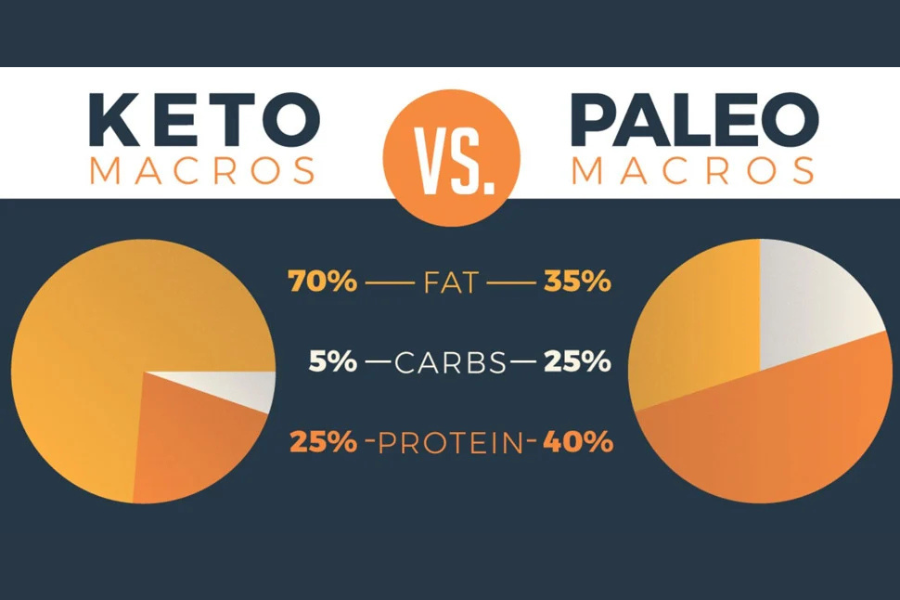
- Keto diet focuses on macros: very low carbs, moderate protein, and high fat to put your body into ketosis, a state where you burn fat for fuel instead of carbohydrates (Healthline).
- Paleo diet focuses on food quality: whole foods that would have been available to early humans, while avoiding grains, legumes, most dairy, and added sugars (Healthline).
Both can support weight loss and better health when you follow them consistently, but they take very different routes to get there.
See how keto and paleo work
Understanding how each diet works in your body makes the keto vs paleo decision easier.
How the keto diet works
Keto is built around one central goal: ketosis.
- You eat very few carbohydrates
- You get most of your calories from fat
- You keep protein at a moderate level
When carbs are low enough, your body switches to using fat and ketones as its main energy source instead of glucose (Healthline). This shift can:
- Reduce appetite for some people
- Lead to rapid initial weight loss from water and fat
- Change how your body handles blood sugar
Keto is not tied to a particular era of eating or lifestyle philosophy. It is a macronutrient strategy that revolves around strict carb control and tracking your fat, protein, and carb intake.
How the paleo diet works
Paleo, often called the caveman diet, is less about macros and more about what you eat.
You focus on:
- Lean proteins like fish, chicken, and meat
- Nuts and seeds
- Fruits and vegetables
- Natural fats like olive oil and avocado
You generally avoid:
- Grains
- Legumes
- Processed sugar
- Most dairy (Healthline; Scripps Health)
The idea is to eat in a way that more closely matches what early humans might have eaten, which many believe supports your body’s natural biological function and overall health.
Unlike keto, paleo:
- Does not require you to hit specific carb, fat, or protein targets
- Often includes broader lifestyle elements like regular movement and mindfulness practices (Healthline)
Compare foods allowed on each diet
Keto vs paleo can look similar at first glance, since both keep you away from many processed foods. The key differences show up in specific food groups.
Side by side food comparison
| Food category | Keto diet | Paleo diet |
|---|---|---|
| Overall focus | Very low carb, high fat, moderate protein | Whole, minimally processed foods from early human diet |
| Grains (wheat, rice, etc.) | Avoided due to high carbs | Avoided due to antinutrients and processing (Healthline) |
| Legumes (beans, lentils) | Avoided as they are high in carbs | Avoided due to antinutrients and historical availability |
| Fruits | Very limited, only small amounts of low sugar fruits | Encouraged in whole form |
| Starchy vegetables | Restricted or avoided because of carb content | Allowed, though some people choose moderate portions |
| Dairy | Often allowed, especially high fat options | Mostly avoided, with some individual variation |
| Sweeteners | Sugar and most carbs avoided, some use low carb sweeteners | Processed sugar avoided, unrefined sweeteners sometimes used (Healthline) |
| Processed foods | Avoided if high carb, some low carb processed foods used | Generally avoided across the board |
You can see that both diets remove grains and legumes, but for different reasons. Paleo focuses on potential issues with digestion and mineral absorption from antinutrients, while keto eliminates them to keep carb intake low enough for ketosis (Healthline).
Flexibility of carbs
One of the biggest practical differences is carb flexibility:
- Paleo allows plenty of whole food carbs like fruit, root vegetables, and even small amounts of unrefined sweeteners. It is not automatically low carb.
- Keto strictly limits carbs from most sources, including fruit and higher carb vegetables, to protect ketosis (Healthline).
If you like fruit, sweet potatoes, or other higher carb whole foods, paleo will feel more open. If you want a tightly controlled carb intake, keto aligns better.
Look at weight loss and health impact
You might be choosing between keto vs paleo specifically for weight loss or metabolic health. Both diets can help, but how they do it and what you can expect will differ.
Weight loss potential
According to Dr Samantha Harris of Scripps Clinic Del Mar, both keto and paleo can lead to weight loss and better overall health when they help you reduce calorie intake and focus on wholesome foods (Scripps Health).
In general:
- Keto may lead to faster initial weight loss, especially in the early weeks, partly from water loss and reduced appetite.
- Paleo tends to be a steadier, more moderate approach, centered on food quality rather than a strict metabolic state.
Dr Harris also notes that long term commitment matters most. If you only stick to a diet for a short period, weight is likely to come back once you go back to old habits (Scripps Health).
Broader health considerations
Both diets move you away from heavily processed foods and added sugars, which can benefit:
- Blood sugar control
- Inflammation
- Energy levels
However, each approach also comes with its own set of considerations.
- With keto, very low carbs and high fat intake can strongly affect how your body handles blood sugar and insulin.
- With paleo, the removal of grains and legumes changes your fiber sources and may adjust your nutrient intake pattern.
Your current health status and medical history can play a big role in which approach is safer and more sustainable for you.
Understand keto side effects and risks
Before you commit to keto, it is important to understand how your body might react, especially in the first few weeks and possibly over the long term.
Short term keto side effects
Dr Harris describes a cluster of symptoms that can show up when your body is adapting to ketosis. These may include:
- Increased thirst
- Frequent urination
- Rapid initial weight loss
- Metallic taste in your mouth
- Nausea
- Decreased appetite
- Lower energy
- Trouble sleeping (Scripps Health)
These side effects often lessen as your body adjusts, but they can feel intense enough to make the diet hard to stick with if you are not prepared.
Certain people are advised not to follow keto at all, including:
- Individuals with advanced kidney disease
- Pregnant or nursing women
- Anyone with a history of eating disorders
For these groups, the potential risks can outweigh the benefits (Scripps Health).
Emerging research on long term keto risks
A 2025 study from University of Utah Health followed mice on a ketogenic diet over the long term. The results highlighted several possible metabolic risks:
- The keto diet prevented weight gain compared to a high fat Western diet
- However, male mice developed severe fatty liver and liver dysfunction, while female mice did not, which suggests sex specific responses to a ketogenic diet
- After two to three months, mice had low baseline blood sugar and insulin levels, but when given carbohydrates, their blood sugar rose to dangerously high levels because stressed pancreatic cells did not release enough insulin
- The impaired blood sugar regulation was linked to cellular stress in insulin producing cells, likely related to prolonged high fat levels
- The good news is that these metabolic problems were reversible once the diet was stopped (University of Utah Health)
This study did not directly compare keto to paleo, but it does suggest that long term, very high fat, very low carb eating may carry risks, at least in animal models. Human research is more limited, so you will want to discuss your plans with a healthcare professional, especially if you have existing liver or metabolic issues.
See how lifestyle differs on keto vs paleo
Your everyday life will look a bit different depending on which diet you choose.
Day to day life on keto
On keto you will likely:
- Track your carbs and sometimes your overall macros
- Read labels carefully to avoid hidden sugars and starches
- Rely heavily on high fat foods like oils, butter, cheese, nuts, and fattier cuts of meat
- Limit fruit to very small portions, usually berries
- Build meals around non starchy vegetables and protein, with added fat
Social situations can be more complex on keto because many common foods, such as bread, pasta, rice, and most desserts, are off limits or require special low carb versions.
Day to day life on paleo
On paleo you will usually:
- Focus on unprocessed, whole foods instead of specific macro numbers
- Build your plate around vegetables, fruits, lean meats, nuts, and healthy fats
- Skip refined grains, beans, and processed sugar
- Occasionally include natural sweeteners if that fits your version of paleo (Healthline)
Paleo often ties into a bigger lifestyle mindset that includes movement, sleep, and stress management. You still have rules to follow, but there is typically less daily tracking and more emphasis on food quality and how you feel.
Decide which diet might suit you better
When you break down keto vs paleo, there is no single universal winner. The better choice depends on your body, your goals, and what you can realistically maintain.
Keto might be a better fit if you:
- Want very rapid initial weight loss and are comfortable with strict rules
- Do not mind tracking macros and checking labels closely
- Prefer a structure where carb intake is clearly restricted
- Have medical guidance that confirms a very low carb, high fat pattern is safe for you
Because of the potential side effects and long term questions, it is especially important to involve a doctor or dietitian if you plan to stay on keto for more than a short period, or if you have any existing health conditions.
Paleo might be a better fit if you:
- Want to emphasize whole, minimally processed foods without counting every macro
- Value a diet that includes fruits and a wider range of vegetables
- Prefer a plan that can more easily blend into a long term lifestyle
- Like the idea of pairing nutrition changes with movement and mindfulness (Healthline)
Paleo can still support meaningful weight loss and health improvements, particularly if your current diet includes a lot of processed foods and added sugar.
Take your next step with confidence
To move forward thoughtfully, you can:
- Clarify your goals. Is fast weight loss your top priority, or are you more focused on long term health and sustainability?
- Review your health history. Kidney issues, pregnancy, nursing, and past eating disorders are strong reasons to avoid keto (Scripps Health).
- Talk with a professional. A healthcare provider or registered dietitian can help you interpret the research in the context of your health.
- Test in a realistic way. If your doctor approves, you might try one approach for several weeks, track your energy, hunger, sleep, and weight, then adjust if needed.
- Prioritize sustainability. The best plan is the one you can stick with while still enjoying your life and protecting your health.
Whether you lean toward keto or paleo, focusing on real, whole foods and listening closely to how your body responds will guide you toward a way of eating that feels not only effective, but livable.
About the Author