Keto vs intermittent fasting at a glance
If you are comparing keto vs intermittent fasting, you are probably looking for a way to lose weight and improve your health without counting every calorie. Both approaches change how your body uses energy, and both can lead to weight loss. They also come with risks and trade-offs that are easy to overlook.
Before you decide, it helps to understand what each one actually does inside your body, what the research shows, and how realistic each plan might be for your daily life.
Understand the basics
What the keto diet is
The ketogenic diet, or keto, is a very low carbohydrate, high fat way of eating. You usually keep carbs under about 20 to 50 grams per day so your body runs out of its usual fuel, glucose, and starts burning fat instead. This state is called ketosis, and your liver produces substances called ketones for energy instead of relying on carbs (Healthline).
In practice, this usually means:
- Very low or no grains, bread, pasta, rice, and most baked goods
- Limited fruit and starchy vegetables
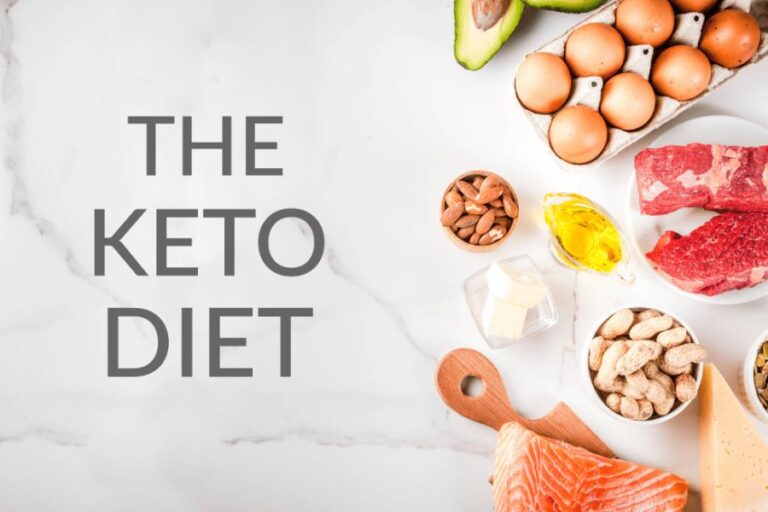
- A focus on foods like meat, fish, eggs, cheese, oils, butter, nuts, seeds, and non-starchy vegetables
Keto was originally developed in the 1920s to help reduce seizures in children with epilepsy, not as a weight loss method (Northwestern Medicine). Today many people use it to change body composition or manage blood sugar.
What intermittent fasting is
Intermittent fasting is not about what you eat, it is about when you eat. You cycle between periods of eating and periods of not eating, or eating very little.
Common intermittent fasting patterns include:
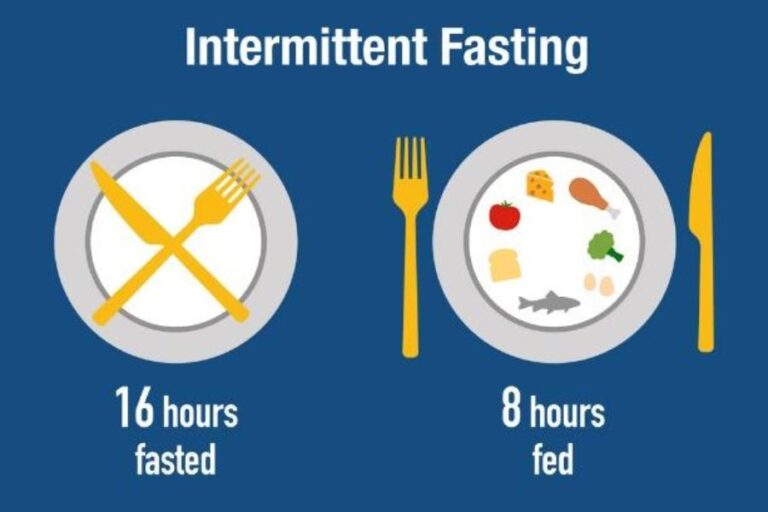
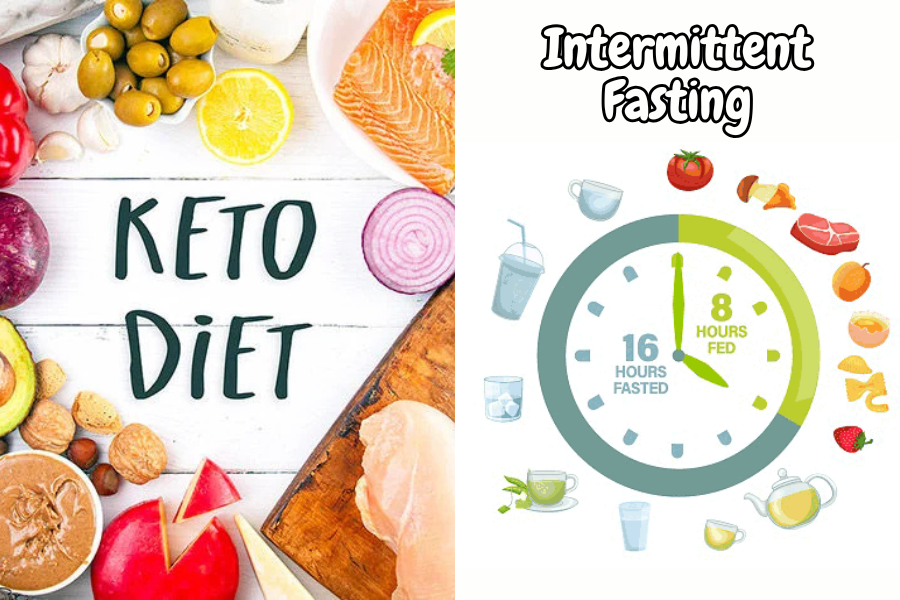
- 16:8: Fast for 16 hours each day and eat your meals during an 8 hour window
- 12:12: Fast for 12 hours, eat for 12 hours
- 5:2 diet: Eat normally 5 days per week, and eat very few calories on 2 non-consecutive days
- Alternate day fasting: Eat normally one day, then eat very few calories the next day (Healthline, Mass General Brigham)
Once you have fasted at least 12 hours, your body starts shifting from burning glucose to burning fatty acids for energy (Mass General Brigham). That is part of why intermittent fasting is often promoted for fat loss.
Unlike keto, you can technically eat any foods you want during your eating window, although your results will be better if you focus on nutrient dense options like vegetables, lean protein, and healthy fats.
How each approach affects weight loss
When you look at keto vs intermittent fasting, both can help you weigh less over time. The reasons for that are slightly different, and the research does not show that either method is magic.
How keto can support fat loss
Keto tends to change your eating in several ways that can lead to weight loss:
- You cut out many high calorie, processed carb foods
- Fat and protein can help you feel full, so you may eat fewer calories without trying
- Some people notice fewer blood sugar swings and less snacking
A review of ketogenic and very low carbohydrate diets found that people often lose weight and improve some health markers in the first 3 to 12 months. Those benefits include lower blood pressure, better blood sugar control, higher HDL cholesterol, and lower triglycerides (Cureus).
There are a few details that matter though:
- The quick drop on the scale in the first weeks is mostly water, not fat, because ketones have a diuretic effect (Culina Health)
- When you compare keto to higher carb diets with the same calories, fat loss is similar, which suggests that calorie deficit still matters most for long term weight change (Culina Health)
- It often gets harder to stick with strict carb limits after several months, so the benefits can fade if you return to old habits (Cureus)
In other words, keto can absolutely help you lose weight, but it does not override basic energy balance. What makes the biggest difference is whether you can maintain a way of eating that keeps you in a gentle calorie deficit.
How intermittent fasting can support fat loss
Intermittent fasting changes your eating schedule, which often reduces the number of times you eat and the total amount you eat overall.
Research has found that:
- In an 8 week study, resistance trained men using a 16:8 fasting pattern lost more body fat than those eating without time restriction (Healthline)
- A review reported that intermittent fasting can produce roughly equivalent weight loss to continuous calorie restriction, and in some cases slightly more fat loss, but not dramatically more (Culina Health)
- A 12 month study comparing intermittent fasting to traditional calorie restriction found no clear advantage for fasting. Both groups lost weight, but fasting did not outperform standard dieting, and dropout rates were high (Harvard Health)
For many people, the main advantage of intermittent fasting is that it simplifies choices. You focus on when to eat instead of counting every bite. Some people find that easier. Others find that long periods without food lead to rebound overeating.
Health benefits and potential risks
No matter how eager you are to lose weight, it is important to think about your long term health as well. Both keto and intermittent fasting can change your metabolism and your blood markers in positive and negative ways.
Possible benefits of the keto diet
According to research on ketogenic and very low carbohydrate diets, you may see benefits such as (Cureus):
- Lower body weight and body mass index in the short term
- Reduced triglycerides and higher HDL cholesterol
- Better blood sugar control and lower insulin levels
- In some people with type 2 diabetes, reduced need for medication, under careful medical supervision
- Improvements in insulin resistance and hormone levels in women with PCOS in small studies
Animal studies from UC Davis suggest that ketogenic diets can support better muscle mitochondrial function, strength, endurance, and brain benefits, and may even improve longevity in mice, likely thanks to higher levels of ketones like beta hydroxybutyrate (UC Davis Health).
You should also be aware of the trade-offs:
- LDL cholesterol and total cholesterol may increase compared to low fat diets, which could raise cardiovascular risk for some people (Cureus)
- Long term benefits beyond one year are not clear because adherence tends to drop and research results are mixed (Culina Health)
Possible risks of the keto diet
Keto can come with side effects and risks, especially if you have health conditions or stay on a strict plan for a long time.
Documented concerns include:
- Keto flu in the first weeks, with fatigue, irritability, headache, and constipation (Northwestern Medicine)
- Nutrient gaps, because you eat fewer fruits, whole grains, and legumes, which provide fiber, vitamins, and minerals (Northwestern Medicine)
- Kidney stones and digestive symptoms, such as nausea and fatigue (Culina Health)
- Weaker bones in some research on ketogenic diets (UC Davis Health)
- Higher blood lipids from high saturated fat intake, sometimes within six to eight weeks, which may affect heart health (Northwestern Medicine)
- In rare cases, life threatening ketoacidosis, especially in people with diabetes or certain conditions (Culina Health)
Keto is not recommended for everyone. You should talk to your health care provider first if you:
- Are pregnant or breastfeeding
- Have a history of disordered eating
- Have heart disease, kidney disease, or uncontrolled diabetes
- Take medications that affect blood sugar or blood pressure
Working with a registered dietitian is a smart step if you decide to try a ketogenic approach, so you can monitor labs and reduce risks.
Possible benefits of intermittent fasting
Intermittent fasting affects many of the same pathways as keto, especially when it comes to insulin and cell maintenance.
Research suggests that:
- Fasting for at least 12 hours encourages your body to switch from burning glucose to burning fatty acids, which may support fat loss and metabolic changes (Mass General Brigham)
- It may trigger autophagy, a process where cells clean up damaged components, which can reduce inflammation and protect healthy cells. Much of this evidence currently comes from animal and cellular studies rather than large human trials (Mass General Brigham)
- Some people enjoy focusing on timing instead of counting calories and find intermittent fasting easier to fit into daily routines than traditional dieting (Mass General Brigham)
Like keto, intermittent fasting may also help lower baseline activity of certain pathways linked to chronic inflammation, such as mTOR, especially when combined with an overall balanced diet and modest caloric restriction (UC Davis Health).
Possible risks of intermittent fasting
Intermittent fasting is not always the easier or safer choice. Studies and experts highlight several concerns:
- A review found that intermittent fasting produces similar weight loss to simply eating fewer calories, not clearly better results, so you are taking on rigid timing rules without guaranteed extra benefit (Culina Health)
- A JAMA Internal Medicine trial showed that after 12 months intermittent fasting did not outperform continuous calorie restriction, and 38 percent of participants dropped out, which hints that adherence can be difficult (Harvard Health)
- Fasting days or long fasts can trigger strong biological drives to eat more later, and some people may overeat or choose high sugar, high fat foods in response (Harvard Health)
- Fasting can negatively affect blood sugar in some individuals and may not be safe for people with diabetes or heart conditions without a doctor’s guidance (Harvard Health)
- Experts caution that intermittent fasting is not appropriate for people who are under 18, pregnant or breastfeeding, or those with a history of disordered eating, unless supervised by a health care provider (Mass General Brigham)
Recent preliminary research also raised questions about very tight fasting windows. One study presented at the American Heart Association’s 2024 Scientific Sessions found that people who ate all their food within an 8 hour window had a significantly higher risk of death from cardiovascular disease compared to people who ate over 12 to 16 hours, although more research is needed and this does not prove cause and effect (Everyday Health).
If you have any health conditions, medications, or past issues with food restriction, it is important to speak with your clinician before you start a fasting schedule.
Combining keto and intermittent fasting
You will often see advice to combine keto and intermittent fasting to get “the best of both worlds.” Both approaches can increase ketone levels, so it seems logical to pair them.
The reality is more nuanced.
How the combination works
When you eat a ketogenic diet, your carbs are already low enough to push your body into ketosis. When you then fast for part of the day, insulin drops even further and your stored glycogen gets used more quickly, which may:
- Help you reach ketosis faster
- Keep you in ketosis longer
- Enhance fat burning and ketone production (Healthline, Everyday Health)
Some early studies suggest intermittent fasting can promote more fat loss than unrestricted eating patterns, and adding keto may intensify that effect, at least in the short term (Healthline).
Why extra caution is needed
Research on combining keto and intermittent fasting in humans is still limited, and both diets significantly change how your body functions (Everyday Health).
There are a few reasons to be cautious:
- The overlap in at risk groups is large. People who are pregnant, have type 2 diabetes, have heart disease, or have a history of disordered eating are urged to get medical advice even before starting just one of these diets, let alone both together (Everyday Health).
- Combining them does not erase the known risks of either plan. You still face potential issues like blood sugar instability, elevated cholesterol, kidney stress, digestive problems, and adherence challenges (Everyday Health).
- Restricting both food type and timing can be mentally and socially demanding, which may not be sustainable.
If you and your doctor decide to try a keto plus intermittent fasting approach, it is wise to:
- Start gradually with one method, not both at full intensity at once
- Monitor your energy, mood, sleep, and performance closely
- Keep up regular lab checks for cholesterol, blood sugar, kidney function, and other markers
- Work with a registered dietitian who understands both keto and fasting protocols
Which is more sustainable for you
Deciding between keto vs intermittent fasting is not only a science question, it is also a lifestyle question. The best approach is usually the one you can live with long enough to see and maintain results.
When keto might fit you better
Keto could be a better match if:
- You like defined food rules and sample meal plans
- You enjoy foods like eggs, fish, meat, cheese, nuts, and leafy vegetables
- You are comfortable planning grocery lists and cooking at home
- You prefer eating at regular times but want to change what is on your plate
You will likely need to:
- Learn to read labels and track carb intake
- Plan ahead for social events and travel
- Take steps to include enough fiber, micronutrients, and unsaturated fats
- Check in with your medical team, especially if you have high cholesterol, blood sugar issues, or other conditions
When intermittent fasting might fit you better
Intermittent fasting could be a better match if:
- You want flexibility with what you eat, not rigid food lists
- You find it easier to skip or delay a meal than to weigh and measure foods
- Your work or family routine already supports consistent meal times
- You do not have a history of disordered eating and your doctor agrees it is safe
You will still get the best results if you:
- Choose balanced, nutrient dense foods during eating windows
- Avoid overeating or treating eating windows as “anything goes”
- Stay consistent with your chosen fasting schedule
- Watch for signs like dizziness, irritability, poor sleep, or intense cravings that might indicate your schedule is too aggressive
Why focusing on long term habits matters more
Experts repeatedly point out that the most effective weight loss and health strategy is not a specific branded diet. It is a sustainable, enjoyable way of eating that creates a modest calorie deficit and fits your medical needs and personal preferences (Culina Health, Northwestern Medicine).
Nutrition also has a bigger impact on your body weight than exercise alone, because it is easier to eat back the calories you burn. As one UC Davis expert notes, running a mile burns roughly the same number of calories as a small snack, so combining sensible nutrition with physical activity is a better path for your overall health than relying on workouts alone (UC Davis Health).
If you keep the long view in mind, your decision becomes less about finding the most intense or trendy plan and more about choosing a pattern you can maintain without feeling constantly deprived.
How to decide your next step
To move from reading about keto vs intermittent fasting to making a choice that works for you, you can walk through a few practical questions.
1. Check your health situation
Before you start either plan, ask yourself:
- Are you pregnant, breastfeeding, under 18, or an older adult?
- Do you have diabetes, heart disease, kidney issues, or a history of disordered eating?
- Are you taking medications that could interact with large changes in your eating pattern?
If you answer yes to any of these, prioritize a conversation with your doctor or a registered dietitian before making changes. Both ketogenic diets and intermittent fasting can be risky for certain groups (Everyday Health, Mass General Brigham).
2. Think about your daily routine
Consider what a typical week looks like for you:
- Do you often eat late at night or graze throughout the day, or do you already have natural “fasting” windows between dinner and breakfast?
- Is your job physically demanding or does it involve long stretches at a desk?
- How often do you eat out, travel, or attend social events centered on food?
If your schedule is unpredictable, strict time windows may be hard to maintain, and a gentler approach like a small daily calorie reduction or a more flexible eating window might be safer and more realistic.
If your meals are already clustered in a shorter window, intermittent fasting may be a small step rather than a big leap.
3. Start with the least restrictive option
If you are unsure, you can start by:
- Focusing on balanced meals with vegetables, lean protein, and healthy fats
- Reducing highly processed foods and sugary drinks
- Slightly shortening your eating window, such as a simple 12:12 schedule
- Tracking how you feel for several weeks
These steps can improve your health markers and support weight loss without fully committing to strict keto or aggressive fasting. From there you can decide whether you truly need or want a stricter plan.
If you do choose keto, you can keep carbs at the lower end while still including non starchy vegetables and some low sugar fruits. If you choose intermittent fasting, you can start with a moderate fasting window instead of jumping straight into 16 hours or more.
4. Get support and adjust as you go
Whichever path you choose, you do not have to figure everything out alone. Working with a registered dietitian can help you:
- Personalize your plan based on your health history, preferences, and goals
- Spot early warning signs that a diet is becoming too restrictive or stressful
- Make gradual changes instead of swinging between extremes
- Create a plan for maintenance, which is where most people struggle
You can also combine nutrition changes with gentle physical activity, stress management, and better sleep. Those pieces together will do more for your weight and health than any single diet rule.
Key takeaways
- Keto vs intermittent fasting is not a simple “which is better” choice. Both can support weight loss and metabolic changes, both carry risks, and neither is clearly superior in long term studies.
- The ketogenic diet focuses on what you eat: very low carbs and high fat to push your body into ketosis. Intermittent fasting focuses on when you eat, with set fasting and eating windows.
- Combining keto and intermittent fasting may increase ketone levels and fat burning, but research is limited and the combination can amplify risks for certain groups.
- For many people, the most effective and safest strategy is a sustainable, enjoyable eating pattern that creates a modest calorie deficit, tailored with the help of a health care professional.
- Before choosing any structured diet, especially keto or intermittent fasting, talk with your clinician, consider your medical history, and be honest about what you can maintain for more than a few weeks.
If you keep your long term health in mind and choose an approach that fits your life, you are more likely to see results that last, not just a brief change on the scale.
About the Author