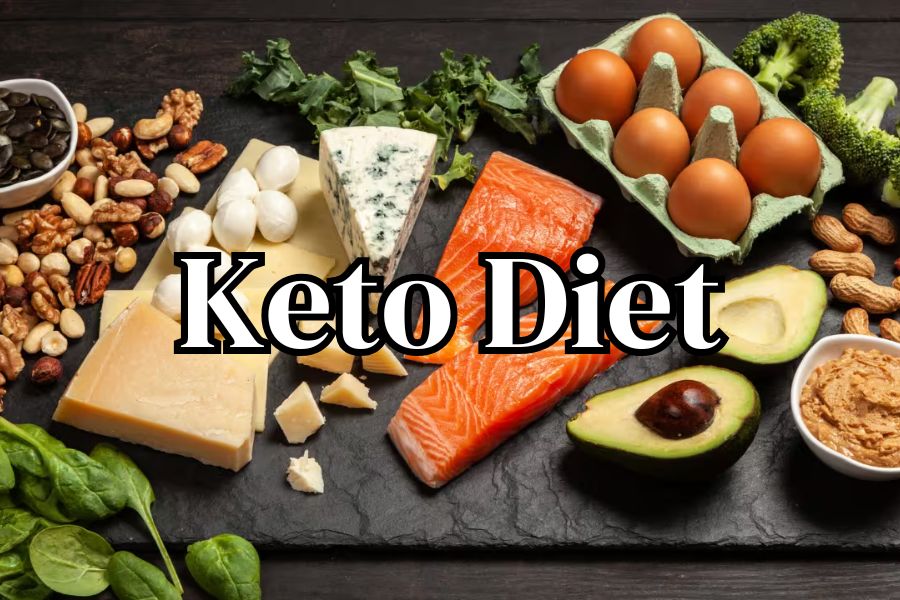
Understand keto diet and inflammation
If you are exploring the keto diet and inflammation, you are probably hoping for two things: less pain and better long term health. The ketogenic diet is a very low carb, high fat way of eating that pushes your body into ketosis, a state where you burn fat rather than glucose for fuel. Along the way, this shift in metabolism can influence how your immune system behaves and how much inflammation you experience.
Researchers are actively studying how keto affects inflammatory markers, brain health, autoimmune issues, and joint pain. Some findings are encouraging, while others are more cautious. You will get the clearest benefits when you look at keto as one tool among many for reducing inflammation, not as a magic cure.
In this guide, you will learn how keto works, what the science actually says, who might benefit most, and how to try a lower inflammation version of keto in a realistic way.
Learn what inflammation actually is
Before you decide if the ketogenic diet is right for inflammation, it helps to understand what inflammation really means in your body.
Acute vs chronic inflammation
You rely on inflammation to heal. When you scrape your knee or catch a cold, your immune system sends cells and chemicals to fight invaders and repair damage. That short term response is acute inflammation, and it is a good thing.
Chronic inflammation looks different. It is low grade, ongoing, and often silent for years. Over time, it can contribute to problems such as:
- Joint pain and stiffness
- Insulin resistance and type 2 diabetes
- Atherosclerosis and heart disease
- Autoimmune conditions
- Some neurological and brain disorders
Diet plays a big role here. Highly processed foods, excess sugar, and refined carbs can push your immune system toward a more inflamed state. An anti inflammatory approach to eating tries to calm that background fire.
How keto fits in
The keto diet was not originally designed as an anti inflammatory diet. It was created to help manage epilepsy. But because keto changes how you burn fuel, it also affects hormones and immune pathways that regulate inflammation.
That is where things get interesting for weight loss, joint health, and brain function.
See how the keto diet works
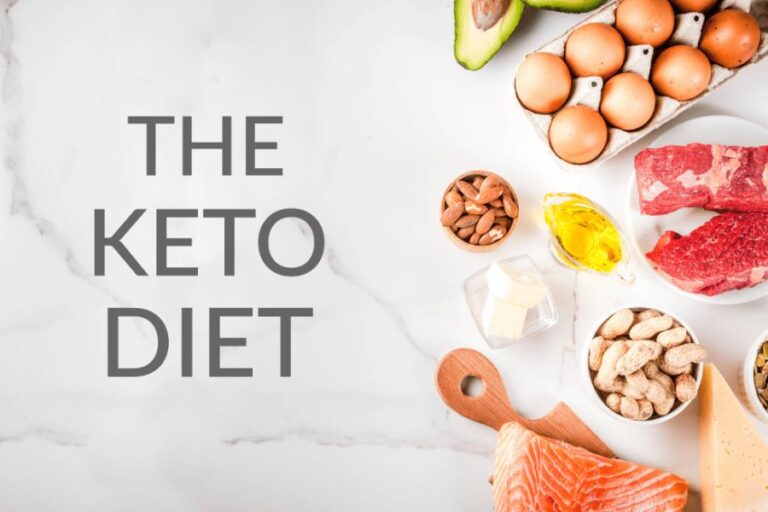
On a standard ketogenic diet, most of your calories come from fat, a moderate amount from protein, and a very small amount from carbohydrates.
Typical breakdown:
- Carbohydrates: about 5 to 10 percent of your daily calories
- Protein: about 15 to 20 percent
- Fat: about 70 to 80 percent
When you keep carbs this low, your body cannot rely on glucose as its main fuel source. Instead, your liver converts fat into molecules called ketone bodies, often shortened to ketones. One of the primary ketones is beta hydroxybutyrate, also written as BHB.
As ketone levels rise, you enter nutritional ketosis. Research suggests that both ketosis itself and the resulting weight loss can influence inflammation.
Review what the research says about keto and inflammation
You will see a lot of bold claims online about the keto diet and inflammation. It is worth looking at what controlled studies and lab research actually show.
Changes in inflammatory markers
A 2023 systematic review and meta analysis of 44 randomized controlled trials found that ketogenic diets can reduce specific inflammatory markers in the blood compared to other diets (PubMed). The researchers reported that keto:
- Lowered tumor necrosis factor alpha (TNF α), an important pro inflammatory cytokine
- Reduced interleukin 6 (IL 6), another signaling molecule linked to chronic inflammation
The reductions were modest but statistically significant. The same analysis did not find meaningful changes in other markers such as C reactive protein (CRP), interleukin 8 (IL 8), or interleukin 10 (IL 10) (PubMed).
Subgroup findings are also helpful if you are wondering who might notice more of a change. The reductions in TNF α and IL 6 were more pronounced in:
- Interventions that lasted 8 weeks or less
- Participants aged 50 or younger
- People with a body mass index (BMI) greater than 30 kg/m² for IL 6 changes (PubMed)
This tells you that keto can influence certain inflammation markers, especially in younger or higher BMI groups, but it is not a guaranteed fix for every aspect of inflammation.
Anti inflammatory diet vs keto diet
You may have also heard of an anti inflammatory diet, which emphasizes whole, minimally processed foods, colorful vegetables, healthy fats, and limits processed snacks and sugars. Compared with this style of eating, keto tends to work differently.
According to an overview from Purposeful Healing DPC, the key differences include (Purposeful Healing DPC):
- The anti inflammatory diet focuses directly on lowering inflammation through nutrient dense foods. Results typically take a few weeks to months.
- The ketogenic diet focuses on achieving ketosis for weight loss and metabolic benefits. Noticeable reductions in inflammation can show up within 1 to 4 weeks, but the plan is often harder to maintain long term.
Some people blend the two by following low carb, anti inflammatory keto recipes, for example turmeric cauliflower rice or avocado salmon salad (Purposeful Healing DPC). This hybrid approach tries to capture the faster inflammation reduction often seen with keto, while leaning on sustainable, whole food choices.
Explore how keto may reduce inflammation
Keto does not just change your food list. It changes how your cells handle energy and how your immune system responds. Several mechanisms might help explain the keto diet and inflammation connection.
1. Lower insulin and glucose
With very low carbohydrate intake, your blood sugar typically becomes more stable and your insulin levels drop. A 2021 mini review in Frontiers in Medicine notes that this reduction in insulin, along with increased glucagon and ketone production, can suppress pro inflammatory cytokines such as TNF α, IL 1β, IL 6, and IL 17 (Frontiers in Medicine).
In other words, by stepping away from frequent blood sugar spikes, you may help dial down some of the overactive immune signals that feed chronic inflammation.
2. Anti inflammatory effects of ketones
Beta hydroxybutyrate (BHB), the main ketone produced on keto, is more than just a fuel. It also sends signals to immune cells.
The same 2021 review explains that BHB:
- Inhibits the NLRP3 inflammasome complex
- Reduces Toll like receptor 4 signaling
- Lowers production of IL 1β and helps suppress TNF α and IL 6
All of these changes tend to push your immune system toward a less inflamed state, which is especially relevant for conditions such as inflammatory arthritis (Frontiers in Medicine).
3. Weight loss and adipose tissue
If you have excess body fat, particularly around your abdomen, your fat tissue itself can be a source of inflammatory signals. Adipose tissue releases cytokines that recruit immune cells and keep low grade inflammation going.
Intentional weight loss can reduce this inflammatory load. The 2021 review highlights that weight loss in people with rheumatoid arthritis was associated with improved symptoms, partly because less adipose tissue meant fewer pro inflammatory cytokines like TNF α, IL 1β, and IL 6 (Frontiers in Medicine).
Since keto often leads to significant weight loss, some of the inflammation relief you may feel could come from losing fat, not only from ketosis itself.
4. Brain inflammation and energy metabolism
Keto has an interesting track record with brain conditions such as epilepsy, and researchers at the University of California San Francisco have been exploring why it seems to calm inflammation in the brain.
Their work shows that lowering glucose availability, as happens on a ketogenic diet, changes the NADH/NAD+ ratio in cells and activates a protein called CtBP. This activated CtBP then suppresses inflammatory genes in brain cells (UCSF News).
When scientists blocked glucose metabolism using a compound called 2 deoxyglucose in rats, brain inflammation dropped to near control levels, which mimicked the effect of a ketogenic state (UCSF News). This suggests that, in the brain, shifting away from constant glucose burning toward ketone use can quiet inflammatory pathways.
These findings are early stage and mostly in animals, but they help explain why some people report clearer thinking or fewer neurological symptoms when they are in ketosis.
5. Possible benefits for autoimmune related inflammation
Autoimmune disorders involve an overactive immune system that attacks your own tissues. A 2024 study from UC San Francisco looked at a mouse model of multiple sclerosis (MS) and found that the keto diet increased levels of BHB, which correlated with less severe MS symptoms and reduced inflammation (UCSF News).
The chain of events is intriguing:
- BHB boosted the growth of a gut bacterium called Lactobacillus murinus
- Lactobacillus murinus produced a metabolite called indole lactic acid (ILA)
- ILA helped block activation of inflammatory T helper 17 (Th17) immune cells, which are involved in autoimmune conditions such as MS (UCSF News)
When researchers added BHB, ILA, or Lactobacillus murinus directly, they saw improved MS like symptoms in these mice. Mice that could not produce BHB in their intestines had more severe inflammation, which strengthens the case that BHB plays a protective role (UCSF News).
It is important to remember that these are animal data. The researchers themselves emphasize that clinical studies are needed to know if similar strategies will be safe and effective in humans (UCSF News).
Understand where the evidence is limited
The story of keto, diet, and inflammation is not all clear cut. There are areas where the data are still thin or mixed, especially for specific chronic diseases.
Rheumatoid arthritis and other inflammatory joint conditions
If you are living with rheumatoid arthritis or ankylosing spondylitis, you might wonder if keto could dial down your pain and stiffness.
A 2021 review in Frontiers in Medicine notes that, despite strong theoretical reasons to expect benefits and some promising data from intermittent fasting, current evidence on full ketogenic diets in these conditions is limited and inconclusive. Longer, well designed trials are needed to clarify their role in disease activity and inflammation reduction (Frontiers in Medicine).
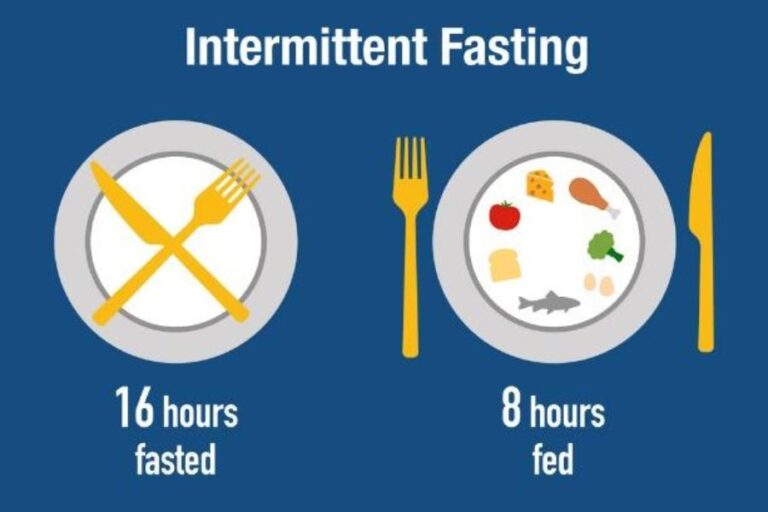
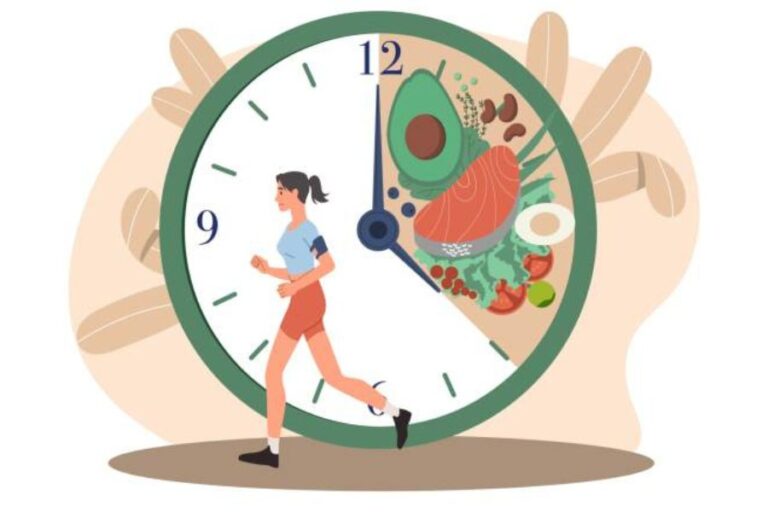
Intermittent fasting, which shares some metabolic features with keto, has shown improvements in clinical manifestations of psoriatic arthritis, possibly through BHB mediated inhibition of IL 17 and increased anti inflammatory IL 10 (Frontiers in Medicine). This suggests that altering your eating pattern as well as your carb intake may be part of the picture.
Not a cure all
The meta analysis of ketogenic diets did not find significant changes in all inflammatory markers, such as CRP or IL 10 (PubMed). That matters because CRP is a commonly used marker of systemic inflammation in clinical practice.
The bottom line is that keto can lower some measurable inflammatory signals, and many people feel better on it, but it is not a universal cure for every inflammation related condition.
Compare keto diet and anti inflammatory diet
If your main goal is to reduce inflammation, you have at least two broad paths:
- Commit to a strict ketogenic diet
- Follow a more flexible anti inflammatory eating pattern
Each approach has trade offs.
How they differ
-
Speed of results
Keto often produces noticeable changes in weight and some inflammatory markers within 1 to 4 weeks (Purposeful Healing DPC). An anti inflammatory diet may work more gradually, over weeks to months. -
Sustainability
Keto typically requires careful carb tracking, limiting fruit, grains, and some legumes. This can be hard to maintain socially and long term. An anti inflammatory diet is usually more adaptable and easier to live with for years. -
Flexibility with foods
Anti inflammatory patterns lean on foods such as whole grains, beans, and a wider range of fruits, which you have to limit or avoid on strict keto. If you love that variety, full keto might feel restrictive.
This is why some people choose a low carb, anti inflammatory hybrid. You still keep carbs relatively low, but focus on whole, nutrient dense foods and healthy fats, rather than loading up on processed meats or low quality oils.
Decide if keto is a fit for you
Keto is not the best choice for everyone. If you are thinking about using it to target inflammation, it helps to be honest about your health status, preferences, and lifestyle.
Who might benefit
You may find keto especially helpful if:
- You are carrying extra weight, particularly around your midsection
- You have prediabetes or type 2 diabetes and need better blood sugar control
- You struggle with cravings for sugary, processed foods
- You are interested in a structured, short to medium term plan to jump start change
Given the findings that people under 50 and those with higher BMI saw more pronounced reductions in TNF α and IL 6 (PubMed), you might see clearer shifts in blood markers if you are in those groups.
Who should be cautious
Keto may not be appropriate, or may require close medical supervision, if you:
- Are pregnant or breastfeeding
- Have a history of eating disorders
- Have certain liver, kidney, or pancreatic conditions
- Take medications that affect blood sugar or blood pressure
- Have very high cholesterol or a family history of lipid disorders
Because ketogenic diets significantly change metabolism, it is wise to speak with your healthcare provider before making major changes, especially if you are managing chronic illness or taking prescription medications.
Try a lower inflammation version of keto
If you decide to explore the keto diet and inflammation, you can build your plan in a way that supports both ketosis and an anti inflammatory focus.
Focus on the quality of fats
Instead of treating all fats as equal, prioritize:
- Extra virgin olive oil
- Avocado and avocado oil
- Nuts and seeds such as walnuts, chia, and flax
- Fatty fish like salmon, sardines, and mackerel
Limit:
- Highly processed seed oils in fried and packaged foods
- Trans fats and hydrogenated oils
- Processed meats as your main fat source
This matches well with the idea of combining anti inflammatory eating with keto friendly macros (Purposeful Healing DPC).
Load your plate with non starchy vegetables
Vegetables are your friend on keto. They add fiber, antioxidants, and phytonutrients that help fight oxidative stress and support gut health.
Great options include:
- Leafy greens such as spinach, kale, arugula
- Cruciferous vegetables such as broccoli, cauliflower, Brussels sprouts
- Zucchini, cucumbers, peppers, asparagus, and green beans
Recipes such as turmeric spiced cauliflower rice give you both low carbs and anti inflammatory spices in one dish (Purposeful Healing DPC).
Choose protein wisely
Aim for:
- Fish, especially fatty varieties
- Pasture raised poultry where available
- Eggs
- Moderate amounts of grass fed meats if you eat red meat
Try not to rely on heavily processed deli meats, sausages, or breaded products, which can add preservatives, refined flours, and unhealthy fats.
Keep an eye on your carb limit
Most people aiming for nutritional ketosis keep net carbs in the range recommended for ketogenic diets, often around 5 to 10 percent of total calories (Frontiers in Medicine). The exact number that works for you will depend on your activity level, body size, and metabolic health.
Start by:
- Tracking what you currently eat for a few days.
- Gradually lowering your daily carbs while increasing healthy fats and non starchy vegetables.
- Watching how you feel and, if you choose, using a blood ketone meter to confirm when you reach ketosis.
Support your gut
Given the potential link between BHB, beneficial gut bacteria such as Lactobacillus murinus, and lower autoimmune inflammation in animal studies (UCSF News), it makes sense to protect your gut health on keto.
You can:
- Include fermented foods such as sauerkraut, kimchi, and unsweetened yogurt if you tolerate dairy
- Make room for high fiber, low carb vegetables
- Avoid swinging between extreme restriction and binge eating, which can stress your microbiome
Manage expectations and monitor your progress
If you use keto as a tool to reduce inflammation, give yourself time and pay attention to both numbers and how you feel.
What you might notice in the first month
Many people report:
- Reduced bloating and more stable energy
- Fewer blood sugar crashes
- Some relief in joint stiffness or general aches
- Initial weight loss
Research suggests that noticeable reductions in inflammation can occur within 1 to 4 weeks for some people as ketosis lowers oxidative stress and inflammatory markers (Purposeful Healing DPC).
At the same time, you could experience transition side effects, sometimes called the “keto flu,” such as fatigue, headache, or irritability in the first few days. Staying hydrated, getting enough electrolytes, and easing into lower carbs can help.
How to track changes
You can work with your healthcare provider to follow:
- Weight and waist circumference
- Fasting blood sugar and possibly insulin
- Lipid panel
- Inflammatory markers such as CRP, TNF α, and IL 6 where appropriate
Also keep a simple symptom journal. Note your daily energy levels, sleep quality, joint pain, digestive comfort, and mood. Sometimes the most meaningful improvements are the ones you feel, even before lab numbers shift.
Key takeaways
- The keto diet and inflammation are connected through several pathways, including lower insulin, ketone signaling, weight loss, and changes in brain and gut metabolism.
- A large meta analysis found that ketogenic diets significantly reduce TNF α and IL 6 compared with control diets, especially in people under 50 and those with higher BMI, though not all inflammatory markers change (PubMed).
- Keto may offer faster reductions in some inflammation markers than a standard anti inflammatory diet, but it can be harder to sustain. A low carb, anti inflammatory hybrid can be a practical compromise (Purposeful Healing DPC).
- Early research from UCSF suggests that keto related ketones like BHB can calm brain inflammation and may influence autoimmune activity through the gut, although human trials are still needed (UCSF News, UCSF News).
- Evidence for using keto as a treatment for specific inflammatory diseases like rheumatoid arthritis is still limited and inconclusive, and more research is required (Frontiers in Medicine).
If you are curious about keto as a way to ease inflammation, you do not need to decide forever right now. You can experiment thoughtfully, focus on whole, anti inflammatory foods, and work with your healthcare provider to monitor how your body responds. Over time, you will discover whether keto, an anti inflammatory diet, or a mix of the two is the best fit for your health and lifestyle.
About the Author