Understanding keto fat loss vs muscle loss
If you are interested in keto fat loss vs muscle loss, you are probably wondering what actually happens to your body when you cut carbs and burn more fat. You want to lose weight, but you do not want to feel weaker, smaller, or less toned in the process.
The short answer is that a ketogenic diet can help you lose fat while protecting your muscles, but only if you set it up correctly. The way you eat, how much you eat, and how you exercise all influence whether you lose mostly fat or start breaking down lean tissue.
Below, you will learn how keto changes your metabolism, what the research says about fat loss and muscle preservation, and how to design your routine so you can lean out without losing strength.
How your body loses fat and muscle
Before you look at keto specifically, it helps to understand how your body usually handles weight loss in general.
What your body burns first
When you eat fewer calories than you burn, your body must make up the difference by using stored energy. According to a 2025 guide by Tiffany Joy Yamut, RN, your body typically goes in this order (Perfect Keto):
-
Glycogen
This is stored carbohydrate in your muscles and liver. It is the easiest energy to access, so your body uses it first. -
Fat
Once glycogen stores drop, your body starts breaking down stored fat to keep you going. -
Muscle
Muscle breakdown is your body’s backup plan. It uses some amino acids for energy and other vital functions, especially if you move very little, eat too few calories, or do not get enough protein.
In a healthy fat loss phase, you want most of the weight you lose to come from fat, not muscle. The problem is that extreme dieting, low protein, and no strength training push your body toward muscle loss instead of fat loss.
Why muscle is easy to lose
You tend to lose muscle when:
- You are inactive or stop lifting weights
- You eat a very low calorie diet for too long
- You do not get enough protein
- You overdo cardio and underdo resistance training
Yamut notes that muscle loss is commonly caused by lack of physical activity and poor nutrition, including very low protein intake and aggressive calorie restriction (Perfect Keto).
So, where does keto fit in this picture?
What makes keto different for fat loss
On a ketogenic diet, you drop carbs very low and rely on fat and ketones for most of your energy. That shift can change both how much fat you lose and how well you keep your muscle.
Keto and body composition
A 2023 review of ketogenic diets found that keto is effective for short term body fat reduction and can preserve muscle mass during weight loss (PMC). In several studies, people lost more body fat without losing lean tissue while following a well designed keto plan.
One controlled 8 week study in natural bodybuilders is especially interesting. Participants on a ketogenic diet:
- Significantly reduced body fat
- Maintained muscle mass
- Improved insulin sensitivity
- Decreased inflammatory markers
All of this happened without muscle loss, even in already lean and muscular athletes (PMC).
Visceral fat vs subcutaneous fat
Keto may be particularly helpful if you are concerned about deep belly fat.
In older adults, ketogenic diets have led to greater reductions in visceral fat compared with low fat diets over 8 weeks (PMC). Visceral fat wraps around your organs and is linked to higher risk of metabolic and cardiovascular issues.
Losing more fat from these “clinically relevant” areas, while preserving muscle, is one of the reasons many people turn to keto for health and weight loss.
Does keto cause muscle loss at first?
You might hear people say they lost loads of “muscle” in the first weeks of keto. Here is what is really happening.
The early drop on the scale
When you first start a ketogenic diet, you might lose 6.5 to 11 pounds in a short time. According to a UC Davis Health report, that initial drop mostly reflects glycogen and water loss, not fat loss or muscle breakdown (UC Davis Health).
As glycogen leaves your muscles and liver, water goes with it. That can make your muscles look a bit flatter for a while, even though you have not actually lost significant muscle tissue.
Mixed findings in research
Some studies do report a small reduction in muscle mass early on during ketogenic diets, which researchers link to:
- Glycogen depletion
- Changes in how your body uses and spares protein
However, other studies show that once you adapt, a well structured keto diet can maintain muscle mass during fat loss phases, even if you are not actively building new muscle size (PMC).
In other words, early changes in how you look and what the scale shows are not the same as long term muscle loss.
How keto can help protect muscle
Keto does not automatically protect your muscle. But if you follow a few key principles, it can be a powerful tool to lose fat while staying strong.
Eat enough protein
Protein is your biggest ally in shifting keto fat loss vs muscle loss in your favor.
Yamut notes that increasing dietary protein can support fat loss and preserve muscle because:
- Protein has a higher thermic effect of food, meaning you burn more calories digesting it, roughly 20 to 30 percent
- Protein helps control appetite, so you are less likely to overeat
- Adequate protein gives your body the building blocks to maintain and repair muscle (Perfect Keto)
For active people, a commonly recommended target in the guide is about 0.73 to 1 gram of protein per pound of body weight to effectively burn fat and support muscle.
If you are using keto for weight loss, that might mean:
- Centering each meal around a substantial protein source
- Using higher fat, higher protein cuts of meat, eggs, fish, or dairy
- Considering protein rich snacks if you struggle to hit your daily total
Keep your calorie deficit moderate
Even on keto, if you slash calories too aggressively, you increase your risk of muscle loss.
Yamut recommends aiming for a moderate deficit of about 500 calories per day, which often leads to around 1 pound of weight loss per week while preserving lean mass (Perfect Keto).
If you push far below that for long periods:
- Your metabolism can slow down
- Your body may start using more muscle for energy
- You are more likely to feel fatigued and hit plateaus
On keto, it is easy to undereat because higher fat and higher protein meals are very filling. You will want to be sure you are not accidentally eating too little.
Strength train consistently
Resistance training is one of the strongest levers you have for keeping muscle during fat loss, keto or not.
The CDC recommends at least two strength training sessions per week to build and maintain muscle mass (Perfect Keto). That can include:
- Free weights
- Machines
- Bodyweight exercises like pushups, squats, and planks
- Resistance bands
When you lift weights or do challenging bodyweight movements, you send your body a clear message to hold onto muscle, even in a calorie deficit.
Combined with keto, strength training can:
- Increase your resting metabolism, since muscle burns more calories at rest
- Help shift more of your weight loss from fat instead of lean tissue
- Maintain strength, power, and functional capacity while the scale moves down
Consider intermittent fasting strategically
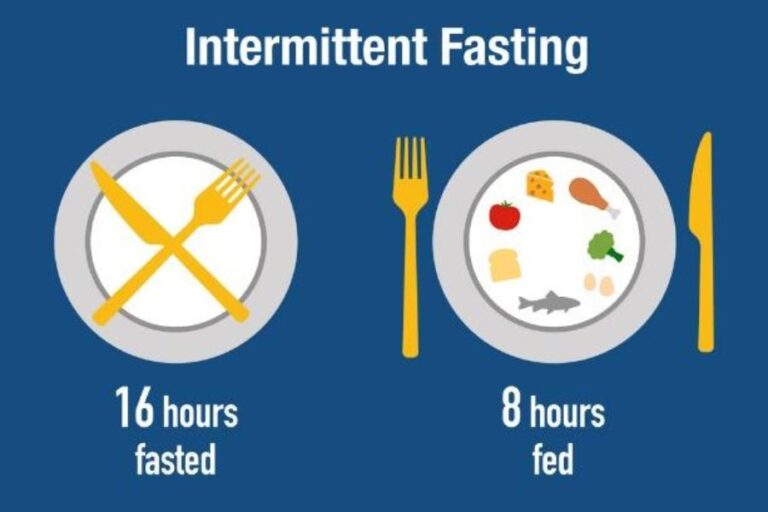
You might also see people combine keto with intermittent fasting. When done intelligently, this combo can help you lose fat and protect muscle.
According to research summarized in Yamut’s guide, using intermittent fasting together with resistance training can enhance muscle mass maintenance while promoting fat loss by:
- Improving insulin sensitivity
- Increasing fat oxidation
- Boosting metabolic efficiency (Perfect Keto)
If you choose to fast, it becomes even more important to:
- Keep protein high in your eating window
- Lift weights regularly
- Avoid extreme calorie restriction across the week
Keto and aging muscles
Keto is not just about weight and appearance. It might also support your muscles as you age.
A UC Davis Health study led by Keith Baar found that in older animals, a ketogenic diet:
- Prevented loss of muscle mass and strength
- Maintained endurance
- Effectively prevented muscle deterioration and restored muscle function
Interestingly, this study used a calorie neutral keto diet. The goal was not weight loss, but improved muscle function and brain health. Participants did not lose or gain weight, yet their muscles became stronger and more resilient (UC Davis Health).
Researchers found that keto:
- Increased the number of mitochondria in muscle cells
- Enhanced muscles’ ability to produce energy from fat
- Helped muscles break down harmful neurotoxins, which can also support brain health (UC Davis Health)
If you are thinking about keto not just for fat loss but also for long term strength and independence, this is one of the most promising areas of research.
When keto might not fit your training
Keto is not perfect for every goal. Your performance in certain types of exercise can change when your body runs mostly on fat rather than carbs.
High intensity performance trade offs
The 2023 review on ketogenic diets notes that keto can:
- Impair performance in high intensity anaerobic exercises, like sprinting or intense intervals, due to reduced glycogen availability
- Reduce performance in some endurance events that depend heavily on sustained high efforts
On the other hand, keto can:
- Enhance fat oxidation
- Maintain strength and power in certain athletic populations, especially when the main demand is not repeated, intense bursts of speed (PMC)
The impact largely depends on:
- How long you have been adapted to keto
- The type of exercise you do
- How you structure your overall diet and recovery
The UC Davis team also emphasizes that while keto supports muscle maintenance during aging, relying on fat instead of sugar limits the maximum rate at which you can produce energy. That makes it less ideal for sprinting and competitive athletics where rapid bursts of power are crucial (UC Davis Health).
If your main goal is peak performance in high intensity sports, you might need a more flexible approach to carbs, or at least careful timing.
Managing side effects during keto fat loss
If you are new to keto, you might notice a few changes as your body adapts.
The “keto flu” phase
As your body transitions from using carbs to relying on fat and ketones, you can experience:
- Fatigue
- Headaches
- Brain fog
- Irritability
UC Davis Health notes that these “keto flu” symptoms are temporary and are largely tied to initial water and electrolyte shifts, plus your body learning to use fat as a primary energy source (UC Davis Health).
To make this phase smoother, you can:
- Stay hydrated and maintain electrolytes
- Avoid dropping calories too low on top of cutting carbs
- Ease into high intensity exercise while your body adjusts
When you give yourself time to adapt, it becomes easier to see the genuine changes in fat and muscle instead of temporary water and energy swings.
Practical tips to favor fat loss over muscle loss on keto
To bring everything together, here are simple, actionable steps you can start with.
Set up your diet
-
Choose a moderate calorie deficit
Aim for roughly 500 calories below maintenance most days rather than extreme cuts (Perfect Keto). -
Prioritize protein every meal
Use the 0.73 to 1 gram of protein per pound of body weight range as a guide if you are active (Perfect Keto). -
Keep carbs low enough for ketosis
Stay within the carb limit recommended by your keto plan so your body consistently burns fat and produces ketones. -
Use healthy fats to stay satisfied
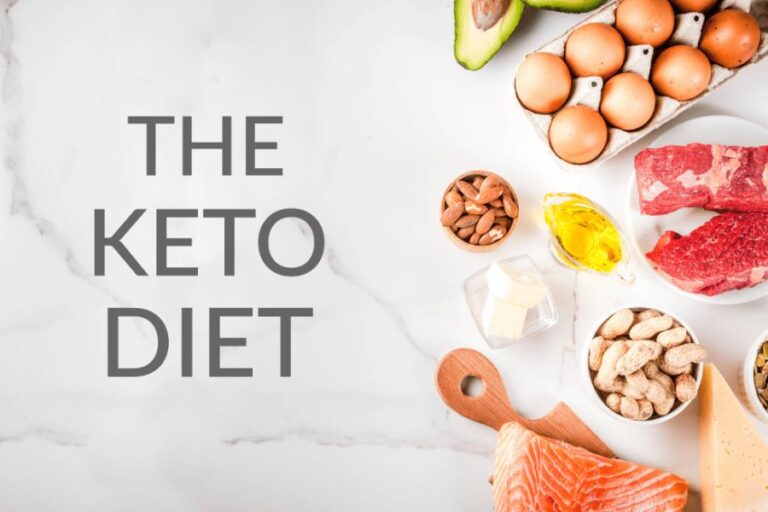
Add whole food fats like avocado, olive oil, nuts, seeds, or fatty fish to keep energy stable without overeating.
Train to protect your muscle
-
Lift weights 2 or more times per week
Follow the CDC’s minimum strength training guideline or more if you can, focusing on full body movements (Perfect Keto). -
Keep some intensity in your workouts
Choose challenging weights and track your strength. Your goal is to maintain or slowly increase what you can lift. -
Use cardio as a supplement, not the main event
Add walking or moderate cardio for health and extra calorie burn, but do not let it replace resistance training.
Adjust based on your goals
- If your main goal is fat loss with daily strength and energy, a straightforward keto approach with strength training works well.
- If you care about peak performance in high intensity sports, you may need to experiment with carb timing or consider a less restrictive low carb approach.
- If you are older and focused on muscle maintenance, pay special attention to protein, resistance training, and overall nutrient quality, since the research on aging muscles and keto is especially promising (UC Davis Health).
Key takeaways
- A ketogenic diet can reduce body fat and preserve muscle mass when you do it correctly, especially with adequate protein and strength training (PMC).
- Early rapid weight loss on keto comes mainly from water and glycogen, not from muscle loss (UC Davis Health).
- A moderate calorie deficit of about 500 calories per day, combined with 0.73 to 1 gram of protein per pound of body weight and regular resistance training, shifts keto fat loss vs muscle loss toward fat (Perfect Keto).
- Keto may improve body composition by targeting deeper visceral fat, and it shows promising benefits for aging muscles and brain health (PMC, UC Davis Health).
- However, keto can limit high intensity performance, so your training style and athletic goals matter when you decide how strict to be with carbs (PMC).
If you decide to use keto for fat loss, focus on building your plan around muscle protection from day one. Start with one change this week, such as adding two strength workouts or increasing protein at each meal, and you will set yourself up to lose more fat while keeping the muscle you have worked hard to build.
About the Author