Why intermittent fasting might not be working for you
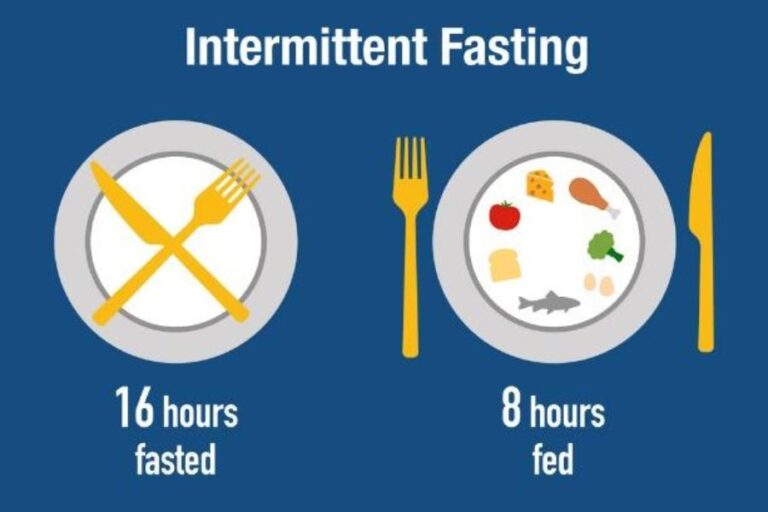
If you feel frustrated because intermittent fasting is not working, you are not alone. Many people try a 16:8 or 5:2 schedule hoping for easy weight loss, only to see the scale stay the same or even go up. Research suggests that simply shrinking your eating window often is not enough for meaningful or lasting results (Johns Hopkins Medicine).
Instead, your results depend on what you eat, how much you move, how your body responds to fasting, and whether this pattern fits your life. Below are clear signs intermittent fasting may not be working for you, plus what you can do next.
Sign 1: Your weight is not changing over time
A brief plateau is normal. However, if you have been fasting consistently for at least 1 to 3 months and your weight has not budged at all, you may not be in a calorie deficit.
Researchers have found that many people underestimate how much they eat by about half and overestimate exercise by almost the same amount, which can erase the calorie gap you think you are creating with fasting (Fay Nutrition).
You might notice this sign if:
- Your weight has stayed within the same 2 to 3 pound range for weeks.
- Your clothes fit exactly the same.
- You rarely feel satisfied, so you keep going back for “just a little more” during your eating window.
In that case, intermittent fasting is not working because your total intake is still too high for weight loss.
Sign 2: You are overeating during your eating window
If you feel “starved” when your fast ends, it is easy to overdo it. Studies show that some people unknowingly eat 6 percent more the day before a low calorie day and 14 percent more at breakfast after a fasting day, even when they do not feel hungrier (News-Medical).
You might see this in your own routine if:
- You treat the eating window like a free pass.
- You eat quickly and stop only when you feel stuffed.
- You rely on takeout, super sized portions, or “reward” foods after a fast.
When this happens, intermittent fasting not working has less to do with the hours you fast and more to do with how much you are eating when you are not.
Simple ways to rein in overeating
- Start meals with protein and fiber to feel full sooner.
- Use a plate instead of eating from the package.
- Pause halfway through your meal and give your body time to register fullness.
Sign 3: Your food quality is working against you
If your eating window is filled with ultraprocessed foods, sugary drinks, and refined carbs, you might not see the benefits you expected. Johns Hopkins notes that intermittent fasting results depend heavily on the quality of your food, not just the timing. Regularly eating fast food, fried items, or oversized portions can cancel out your efforts (Johns Hopkins Medicine).
Other experts have found that these foods spike blood sugar, promote fat storage, and leave you hungrier later, which makes it harder to stick to your plan (Fay Nutrition).
Signs your food choices might be the problem:
- You rely on snacks like chips, pastries, and candy to “get through” your eating window.
- Most of your meals come from a drive thru or delivery app.
- You feel sluggish and ravenous again shortly after eating.
Improving what you eat can sometimes matter more than when you eat.
Sign 4: Your fasting schedule does not suit your body
Intermittent fasting is not one size fits all. Some people do not respond well to shorter fasts, while others struggle with longer ones. A review noted that different fasting methods, such as the 5:2 diet, do not always outperform each other, and results can vary widely from person to person (Medical News Today).
You might notice your schedule is not a good fit if:
- A 16 hour fast leaves you obsessing about food all day.
- A 12 hour fast feels easy but your weight still does not change.
- Your energy and mood crash at the same time every day.
According to Johns Hopkins, it can take 2 to 4 weeks for your body to adjust to a new fasting pattern, so brief discomfort is normal. But if you still feel miserable after that adjustment period, your intermittent fasting plan may not be working for your body in particular (Johns Hopkins Medicine).
Sign 5: You feel unwell or notice unusual symptoms
Intermittent fasting is not appropriate or comfortable for everyone. Some people experience anxiety, headaches, nausea, or other symptoms after starting a fasting plan (Johns Hopkins Medicine). For others, strict eating windows can increase stress around food and even lead to binge episodes (Fay Nutrition).
Potential warning signs include:
- Frequent headaches or dizziness, especially during fasts.
- Nausea that does not improve after the first few weeks.
- Feeling anxious or “on edge” about when you are “allowed” to eat.
- Episodes of overeating that feel out of control once your window opens.
If you notice these patterns, intermittent fasting not working is not just about weight loss, it may also be affecting your emotional or physical well being. In that case, checking in with a healthcare provider is especially important.
Sign 6: Your hormones or health conditions are being affected
Your unique health history can make intermittent fasting less effective or even risky. For some people, rigid fasting can worsen symptoms or disrupt normal body functions.
Research suggests:
- People with a history of disordered eating may see their symptoms worsen with fasting schedules (Medical News Today).
- Women, particularly in their reproductive years, may experience hormonal shifts that affect menstrual cycles and weight loss, so extra caution and medical guidance are recommended (Fay Nutrition).
- A 2024 observational study of over 20,000 adults linked the 16:8 pattern with a higher risk of death from cardiovascular disease, although this study shows correlation, not causation, and is not yet peer reviewed (Medical News Today).
These findings highlight that intermittent fasting is not automatically safe or ideal for everyone. If you have underlying health conditions, are on medication, or notice changes in your cycle or heart health, it is important to talk with a healthcare provider before continuing.
Sign 7: Your energy and activity levels have dropped
Some people unconsciously move less when they start intermittent fasting. One study found that participants reduced their physical activity by about 11 percent the day before a low calorie day and 18 percent on the fasting day. At the same time, they ate more before and after, which offset nearly half of the expected calorie deficit (News-Medical).
Clues this might be happening to you:
- You skip your usual walk or workout because you feel drained.
- You sit more and avoid chores or errands on fasting days.
- You tell yourself you “earned” extra food because you fasted, even though you moved less.
Weight loss comes from the balance of what you eat and how much energy you burn. If your daily movement has dipped, intermittent fasting not working may be a sign you need to look at your overall activity, not just your meal timing.
Sign 8: You are too extreme or too rigid with your plan
Going all in might feel motivating at first, but it can backfire. Very low calorie intake, overly long fasts, and strict schedules often lead to burnout rather than steady progress.
Experts caution that:
- Fasting for 24 hours or more can be risky and may push your body into a “starvation” response that encourages fat storage, not fat loss (Johns Hopkins Medicine).
- Consistently eating less than about 1,200 calories per day can cause muscle and bone loss, fatigue, and nutrient gaps, which makes any diet hard to sustain (EatingWell).
- Being inflexible about eating windows, such as skipping important social meals or ignoring genuine hunger, can make you more likely to quit and feel like intermittent fasting has failed you (EatingWell).
If you feel trapped by your fasting rules or constantly “on a diet,” that is a clear sign this approach may not be the right match for your long term lifestyle.
Sign 9: You are not supporting your body with sleep, stress management, and hydration
Intermittent fasting does not happen in a vacuum. Poor sleep, chronic stress, and dehydration can all undermine your results, even if your fasting schedule is solid.
Research highlights that:
- Chronic stress and poor sleep can raise cortisol, which disrupts hunger hormones and increases cravings, making it harder to stick with fasting and lose weight (Fay Nutrition).
- Skimping on water during fasts can cause headaches, fatigue, and foggy thinking (Regeneration Health).
You might notice:
- You stay up late, wake often, or feel exhausted in the morning.
- You crave sugary or carb heavy foods when stressed.
- You rarely drink water during your fasting window and rely mostly on coffee or tea.
If your body is under constant stress or is not well hydrated, intermittent fasting not working can be a symptom of larger lifestyle patterns that need attention.
Sign 10: You expect overnight results
Intermittent fasting is often advertised as a quick fix, but the science paints a more moderate picture. Evidence on fasting for weight loss is still mixed. Some studies show it can be as effective as other diets, but not necessarily better. A 2023 review also noted possible benefits like improved quality of life and reduced fatigue, not just weight loss (EatingWell).
Dietitians point out that it can take one to three months to see clear weight changes as your metabolism adjusts to fasting (Nourish). If you give up after only a couple of weeks because the scale has barely moved, you may be stopping before your body has time to respond.
You might be expecting too much too soon if:
- You weigh yourself daily and feel discouraged by tiny fluctuations.
- You change your fasting plan every few days.
- You switch diets completely after two weeks of modest results.
Realistic expectations are part of deciding whether intermittent fasting is truly working for you.
When to pause and talk to a professional
There are times when it makes sense to stop or rethink intermittent fasting and get personalized guidance. Consider reaching out to a healthcare provider or registered dietitian if:
- You notice ongoing symptoms like dizziness, nausea, severe fatigue, or menstrual changes.
- You have a history of disordered eating or feel your relationship with food getting more rigid or chaotic.
- You live with chronic conditions or take medications that might be affected by long fasting windows.
- You have been consistent for several months, adjusted your food quality and activity, and still see no progress.
A dietitian can help you decide whether to adjust your fasting schedule, shift to a different eating pattern, or focus on other strategies entirely. Some experts note that working with a professional can help you fine tune your eating windows, calorie range, and food choices so that your approach is more sustainable and effective for your specific body and lifestyle (Nourish).
How to decide if intermittent fasting is right for you
Ultimately, intermittent fasting not working can mean one of two things. Either your current approach needs thoughtful tweaks, or fasting simply is not the best fit for you, and that is okay.
Ask yourself:
- Do you feel generally well, or do you feel worse most days?
- Can you imagine living with this pattern for the next year, not just the next month?
- Are you able to eat mostly nourishing, satisfying foods within your window?
- Are your sleep, stress, and movement habits supporting your goals?
If your honest answers lean toward “no,” you are not failing at intermittent fasting. Instead, intermittent fasting may not be the right tool for your body, your life, or your goals right now.
You always have options. You can adjust your schedule, improve food quality, focus on gentle calorie awareness, or explore entirely different approaches to eating. What matters most is choosing a pattern that supports your health, feels manageable day to day, and helps you feel more at home in your body over time.
About the Author