How alcohol fits into intermittent fasting
If you are using intermittent fasting to lose weight or improve your health, it is natural to wonder how alcohol fits in. The short answer is that alcohol and intermittent fasting can coexist, but only with some planning and moderation. When and how you drink matters just as much as how much you drink.
Alcohol has calories, affects your metabolism, and can change your appetite and food choices. All of this can influence how well your fasting routine works, especially if weight loss and metabolic health are your main goals.
What happens when you drink while fasting
Alcohol breaks your fast
Any drink that contains calories will break a fast, and alcohol is no exception. Alcohol provides about 7 calories per gram, which is more calorie dense than protein or carbs and not far behind fat (Healthline).
Because of this, drinking during your fasting window can:
- Interrupt the hormonal and cellular repair processes that fasting supports, including autophagy, your body’s cellular cleanup process (Healthline, Perfect Keto)
- Reduce benefits related to longevity and disease protection that are linked to consistent fasting periods (Perfect Keto)
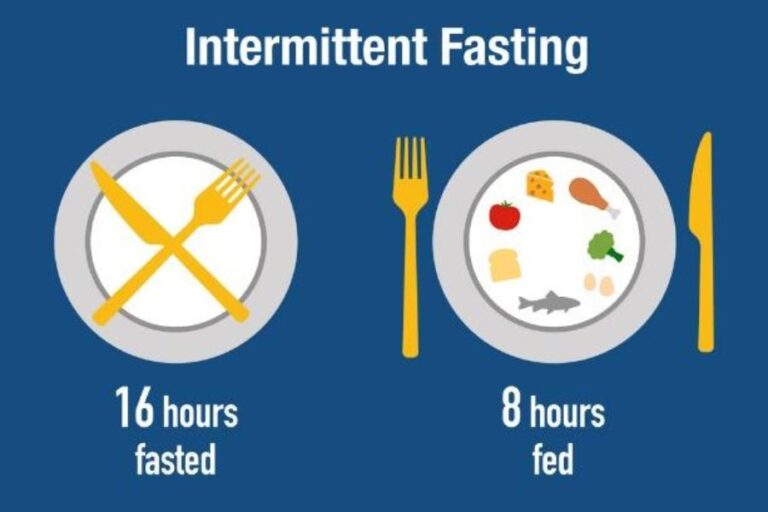
If your goal is to get the full benefit of intermittent fasting, you need to keep any calorie containing drinks, including alcohol, out of your fasting window.
Your body burns alcohol before fat
When you drink, your body treats alcohol as a priority fuel. It pauses fat burning to deal with the alcohol first.
A study in 19 adults found that an alcohol rich meal significantly reduced fat breakdown five hours later compared with a meal rich in protein, fat, and carbs (Healthline). That shift matters if you are using intermittent fasting specifically to increase fat burning.
This effect is even more important during a fast, when you want your body to rely on stored fat for fuel. Drinking in your fasting window directly works against that process.
Alcohol stresses your liver
Your liver does most of the work of processing alcohol. In the process it produces compounds like acetaldehyde and acetate, which can be toxic in excess and may:
- Promote fatty liver
- Increase inflammation
- Slow fat burning and interfere with metabolic health (Aspect Health)
Because intermittent fasting is often used to improve metabolic health and liver markers, regular or heavy drinking can blunt some of the progress you might otherwise see.
How alcohol can affect your fasting results
Impact on weight loss
Alcohol can make weight loss harder during intermittent fasting in a few ways:
- It adds “hidden” calories. Even a single drink can easily add 100 or more calories to your day (Healthline).
- It is calorie dense. At 7 calories per gram, alcohol can quickly raise your daily intake without leaving you very full.
- Heavy drinking is linked to weight gain and obesity, while moderate drinking is less likely to have this effect (Healthline).
On top of that, alcohol can make it harder to stick to your eating plan. It often increases hunger, lowers inhibitions, and can push you toward high calorie, low nutrient foods, which can undermine your progress (Simple, Perfect Keto).
Changes to appetite and cravings
You might notice that you eat differently after you drink. This is not just in your head. Alcohol can:
- Increase levels of hunger hormones
- Make high fat, high sugar foods more appealing
- Lead to overeating during or after drinking (Simple)
If you compress your meals into a shorter eating window, those extra calories from drinks plus snacky foods can easily erase the calorie gap you are trying to create with intermittent fasting.
Sleep, energy, and side effects
Alcohol can also worsen some of the side effects you may already feel when you start fasting, such as:
- Poor sleep
- Headaches
- Dehydration
- Low energy
- Increased appetite the next day
Excessive alcohol intake, meaning more than 2 drinks per day for men and more than 1 for women, can amplify these problems and make intermittent fasting feel harder to maintain (Simple).
Timing your drinks with your eating window
Do not drink during your fasting window
To keep your fast intact you need to avoid alcohol during your fasting periods. This applies to any type of alcoholic drink, even those that do not taste sweet, because they still contain calories.
For example, vodka has about 231 calories per 100 grams (Aspect Health). Whiskey provides roughly 64 calories per ounce, and those calories count toward your total just like food would (MurLarkey Distilled Spirits).
Drink during your eating window, not before meals
If you choose to drink, do it during your eating window, ideally with or after a meal. Guidance from a 2024 overview suggests that the best time to drink is after eating carbs, protein, and fat, which can slow alcohol absorption and reduce issues like dizziness or stomach irritation (Perfect Keto).
Drinking on an empty stomach, especially if your first drink breaks a long fast, can:
- Lead to faster alcohol absorption
- Increase the risk of feeling lightheaded or nauseated
- Make it easier to lose control over what and how much you eat afterward (Perfect Keto)
Choosing alcohol while intermittent fasting
Lower calorie options to consider
If you want to include alcohol and still protect your progress, your best options are usually:
- Dry red or white wine
- Champagne
- Light beer
- Clear spirits like vodka, gin, tequila, or rum mixed with low calorie mixers such as soda water (Healthline, Simple, Aspect Health)
These drinks tend to have fewer calories and less sugar than sweeter cocktails or dessert wines.
Drinks to limit or avoid
To keep your calorie intake under control during your eating window, it helps to limit:
- Sugary mixed drinks
- Sweet wines and dessert wines
- Drinks made with regular soda or juice
- Frozen cocktails
These options often contain large amounts of added sugar and can spike your daily calorie intake quickly (Healthline).
How much alcohol is considered “moderate”
Most of the research you see on alcohol and health is based on light to moderate drinking. For intermittent fasting, the same general guidelines apply.
According to the 2020 to 2025 Dietary Guidelines for Americans, which are referenced in recent fasting guides, moderate drinking means (Perfect Keto):
- Up to 1 drink per day for women
- Up to 2 drinks per day for men
Drinking more than this on a regular basis, or “heavy drinking,” is linked to a higher risk of weight gain, obesity, and health problems that may directly oppose your fasting goals (Healthline).
If you rarely drink, there is no health reason to start. If you do drink, staying within these limits is one way to support your intermittent fasting routine rather than work against it.
Possible benefits of small amounts of alcohol
Some sources point out that very small amounts of alcohol, used carefully within an eating window, may have limited metabolic benefits for certain people, such as:
- Slight improvements in insulin resistance
- Lower blood sugar
- Minor increases in metabolic rate (Aspect Health)
These potential benefits seem to appear only with low intake and in the context of an overall balanced lifestyle. They do not outweigh the risks of heavier drinking and they are not a reason to drink if you would rather stay alcohol free.
When alcohol clearly gets in the way
Even if you time your drinks during your eating window, alcohol can still undermine some of the deeper health gains you might expect from intermittent fasting.
Research and expert reviews note that drinking can:
- Inhibit autophagy in the liver and reduce cellular repair, which may limit the anti aging benefits of fasting (Perfect Keto, MurLarkey Distilled Spirits)
- Increase inflammation and promote organ damage with higher intake over time (Aspect Health)
- Worsen blood sugar control and insulin sensitivity, especially when consumed frequently or in large amounts (MurLarkey Distilled Spirits)
If your fasting goals include better metabolic health, lower inflammation, or long term disease prevention, minimizing alcohol or avoiding it altogether will usually move you closer to those goals.
Practical tips for balancing alcohol and intermittent fasting
You do not have to give up alcohol entirely to benefit from intermittent fasting, but you do need a plan. A few simple habits can help you find a reasonable middle ground.
1. Protect your fasting window
- Keep all alcoholic drinks firmly in your eating window.
- If you are invited to an event that falls during your usual fasting time, consider adjusting your window for that day or choosing a non alcoholic option.
2. Eat before you drink
- Break your fast with a balanced meal that includes protein, healthy fats, and some carbohydrates.
- Have your drink with or after that meal to slow alcohol absorption and reduce side effects (Perfect Keto).
3. Choose your drinks intentionally
- Lean toward dry wine, light beer, or clear spirits with zero calorie mixers.
- Save sugary cocktails and dessert style drinks for rare occasions, if at all.
4. Set your own limits
- Use the standard definition of moderate drinking as an upper limit, not a daily goal.
- If you notice that even moderate drinking leads to overeating or stalls your progress, scale back further.
5. Hydrate and recover
- Drink water before, during, and after drinking to reduce dehydration related symptoms.
- Prioritize sleep and nutrient dense meals the next day, especially if you feel more hungry or tired than usual.
6. Factor in your health and medications
- If you have liver issues, diabetes, a history of alcohol dependence, or take medications that interact with alcohol, talk with your healthcare provider before mixing alcohol with intermittent fasting (Simple).
How to decide what works for you
Alcohol and intermittent fasting can coexist if you are thoughtful about timing, quantity, and drink choice. The key questions to ask yourself are:
- What are your main reasons for fasting, weight loss, metabolic health, longevity, or something else?
- Does drinking, even in small amounts, lead you to overeat or skip your plan?
- How do you sleep and feel on days you drink compared with days you do not?
If alcohol regularly makes fasting harder to follow, it may be worth cutting back or taking a break altogether and reassessing your results.
If you decide to keep alcohol in your life while you fast, keep it outside your fasting window, stick with moderate amounts, and choose lower calorie options. Those simple steps can help you enjoy a drink now and then without completely derailing your intermittent fasting goals.
About the Author