Understand how intermittent fasting works
If you are curious about intermittent fasting weight loss, it helps to start with what intermittent fasting actually is. Intermittent fasting means you voluntarily stop eating, and usually only drink water or other non-caloric drinks, for set periods of time. Then you eat all of your meals within a specific window.
You do not have to count every calorie or cut out entire food groups for intermittent fasting to work. Instead, you focus on when you eat.
Common intermittent fasting styles include:
-
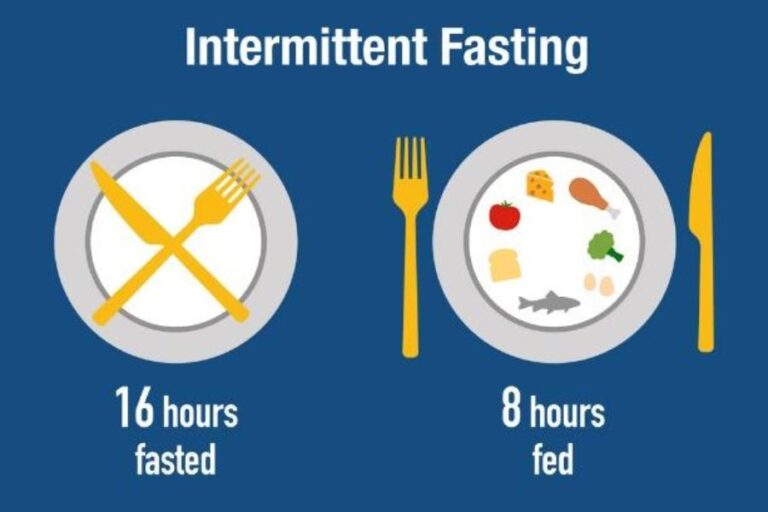
16:8 time-restricted eating
You fast for 16 hours each day and eat during an 8-hour window, for example from 10 a.m. to 6 p.m. A 2022 review suggests this pattern may help with weight management and blood sugar control in adults with overweight or obesity (Medical News Today). -
5:2 fasting
You eat normally 5 days a week, then choose 2 non-consecutive days where you eat a very low-calorie intake. A 2021 trial found that people using the 5:2 method with group support lost more weight at 6 weeks, although the difference faded by 1 year (Medical News Today). -
Alternate-day fasting
You alternate between fasting days and regular eating days. Some versions allow a very small meal on fast days. Research from the Mayo Clinic Health System notes that alternate-day fasting can trigger ketosis, where your body starts burning stored fat for fuel when glucose is low (Mayo Clinic Health System).
Each method changes how long your body spends in a “fed” state versus a “fasted” state, and that timing appears to influence weight, blood sugar, and other health markers for many people.
Explore how intermittent fasting affects weight loss
Intermittent fasting helps with weight loss in a few key ways. Understanding these mechanisms can make it easier to decide whether it fits your lifestyle.
Calorie reduction without strict counting
To lose weight, you still need to take in fewer calories than your body uses. Intermittent fasting does not change that basic rule.
What it can do is make a calorie deficit easier for you to create:
- Shorter eating windows can naturally reduce how much you eat.
- You may have fewer opportunities for late-night snacks or mindless grazing.
- Some people find it simpler to skip a meal than to track every bite.
Studies show that when you extend your fasting time, your overall calorie intake often drops, which supports weight loss as long as you do not compensate by overeating during your eating window (Mayo Clinic Health System).
Shift toward using stored fat
During fasting, your body has less immediate glucose from food. After a period of time, you start using stored fat for energy instead. This switch is called ketosis.
Short-term intermittent fasting can help you reach this metabolic state, so your body relies more on fat stores, especially when overall calorie intake is reduced at the same time (Mayo Clinic Health System).
You do not need to eat a very low-carb or “keto” diet to enter ketosis with intermittent fasting, although carbohydrates will still influence how quickly your body flips between fuel sources.
Comparable results to traditional dieting
If you prefer structure, you might wonder how intermittent fasting stacks up against a standard calorie-restricted diet.
Research suggests:
- A review of 27 intermittent fasting trials with 944 overweight and obese adults reported weight loss of about 0.8 percent to 13 percent of starting body weight and no serious adverse events (Canadian Family Physician).
- Twelve studies directly comparing intermittent fasting to continuous calorie restriction found similar weight loss, typically between 4.6 percent and 13 percent over 8 weeks to 1 year, with similar adherence and dropout rates (Canadian Family Physician).
- A 2023 network meta-analysis of 99 clinical trials with over 6,500 participants found intermittent fasting diets were about as effective for weight loss as standard calorie restriction, and both outperformed non-restricted eating (Harvard T.H. Chan School of Public Health).
In other words, intermittent fasting appears to work about as well as “regular” dieting. The real question for you is which pattern you can follow consistently.
Compare popular intermittent fasting methods
Different approaches can feel very different in day-to-day life, even if long-term weight loss results are similar.
Here is a quick comparison:
| Method | Typical schedule | Weight loss findings | What it may feel like for you |
|---|---|---|---|
| 16:8 (time-restricted) | Fast 16 hours, eat in 8-hour window | May support weight and blood sugar control in adults with overweight or obesity (Medical News Today) | Often easier to fit into daily routine, similar every day |
| 5:2 fasting | 5 regular days, 2 low-calorie days | Short-term weight loss benefits, similar to other diets long term (Medical News Today) | Some find low-cal days challenging, social events can be tricky |
| Alternate-day fasting | One fasting day, one regular day | In some analyses, about 1.3 kg more weight loss than standard calorie restriction (Harvard T.H. Chan School of Public Health) | More intense, fast days can be tough, may not fit variable schedules |
You do not need to choose the “most powerful” method. You are more likely to succeed if you pick the approach that matches your work hours, social life, and energy patterns.
Review other health effects beyond weight
Weight loss might be your main goal, but intermittent fasting can also affect other areas of your health.
Blood sugar and cardiometabolic health
Several trials have found that intermittent fasting can improve markers related to blood sugar and heart health.
- In adults with type 2 diabetes and excess weight, intermittent fasting led to improvements in fasting glucose and reductions in hemoglobin A1c over about 12 weeks, with weight loss similar to standard calorie restriction (Canadian Family Physician).
- A 2023 analysis reported that alternate-day fasting led to more weight loss and improvements in waist circumference, cholesterol, triglycerides, and C-reactive protein compared to traditional calorie restriction (Harvard T.H. Chan School of Public Health).
These benefits are encouraging, especially if you have risk factors for metabolic or cardiovascular disease. However, most of the studies were shorter than 24 weeks, so the long-term effects are not yet fully understood (Harvard T.H. Chan School of Public Health).
Inflammation and other conditions
Emerging research suggests intermittent fasting might reduce inflammation and support your body’s response to physical stress, which could benefit conditions like arthritis, asthma, and multiple sclerosis. Current evidence is promising but still developing (Mayo Clinic Health System).
If you live with a chronic illness, it is especially important to talk with your healthcare team before trying intermittent fasting, since your medication schedule and energy needs may be different.
Know the potential side effects and risks
Intermittent fasting is not automatically safe or comfortable for everyone. Side effects are common, especially at the beginning.
Short-term side effects you might notice
In the first few weeks, you may experience:
- Hunger and food cravings
- Fatigue or low energy
- Irritability or mood changes
- Trouble focusing
- Headaches
- Nausea or lightheadedness
- Constipation or digestive discomfort
- Sleep difficulties
According to Mayo Clinic Health System, many of these symptoms ease within about a month as your body adapts (Mayo Clinic Health System). Choosing a less aggressive plan, such as daily time-restricted eating instead of strict alternate-day fasting, may also reduce some side effects (Harvard Health).
Overeating and emotional eating
Intense hunger on fasting days or after long fasts can lead to overeating when your eating window opens. Harvard Health notes that fasting can increase hunger hormones and activity in your brain’s hunger center, which may make you more vulnerable to binging and unhealthy food choices (Harvard Health).
To protect your progress:
- Plan balanced meals and snacks for your eating window.
- Pause before eating to check whether you are physically hungry or eating from habit or emotion.
- Avoid opening your eating window with highly processed foods that trigger more cravings.
Concerns for older adults and certain medical conditions
Intermittent fasting can be riskier if you:
- Are older and already thin or frail, since too much weight loss might harm your bones, immune function, and energy (Harvard Health).
- Take medications for diabetes, blood pressure, or heart disease. Fasting can affect blood sugar and mineral balance and may interfere with medication timing (Harvard Health).
- Have a history of eating disorders, or struggle with disordered eating patterns.
- Are pregnant, breastfeeding, or trying to conceive.
In these situations, you should only try intermittent fasting with close medical supervision or choose another approach.
Emerging and uncertain risks
A 2024 observational study of more than 20,000 adults in the United States reported that people using a 16:8 intermittent fasting pattern had a 91 percent higher risk of death from cardiovascular disease (Medical News Today). This study is not yet peer-reviewed and cannot prove cause and effect, but it highlights that there may be unknown long-term effects.
Because most clinical trials of intermittent fasting are short, experts emphasize that you should work with a healthcare provider, consider your full medical history, and think about how sustainable fasting is for you personally (Harvard T.H. Chan School of Public Health).
Make intermittent fasting work for your lifestyle
If you decide to try intermittent fasting for weight loss, you do not need to overhaul your life overnight. Start with a realistic plan built around your existing routine.
Step 1: Talk with a healthcare professional
Before you begin, especially if you have any health conditions or take medication, check with:
- Your primary care provider
- An endocrinologist if you have diabetes or metabolic issues
- A registered dietitian familiar with intermittent fasting
Share your goals, typical eating pattern, work schedule, and any past challenges with dieting. Together, you can select a method and make a plan for monitoring your health.
Step 2: Choose a beginner-friendly method
For many people, daily time-restricted eating is the easiest starting point.
You could:
- Start with a 12-hour fast, such as 8 p.m. to 8 a.m.
- Gradually extend to 14:10, then 16:8, over several weeks.
This slower ramp-up may reduce headaches, fatigue, and intense hunger.
If you are drawn to the 5:2 or alternate-day fasting methods, it helps to:
- Place fasting or low-calorie days on your least demanding days.
- Avoid stacking fasts with very intense workouts or late-night commitments.
Step 3: Build balanced meals in your eating window
Intermittent fasting is more effective when your meals are nourishing and steady your blood sugar. Mayo Clinic Health System highlights the importance of a balanced diet rich in fruits, vegetables, whole grains, low-fat dairy, and lean proteins (Mayo Clinic Health System).
Aim to include at each meal:
- Protein: fish, chicken, beans, tofu, eggs, Greek yogurt
- High-fiber carbohydrates: vegetables, fruits, whole grains
- Healthy fats: olive oil, nuts, seeds, avocado
Simple example for a 16:8 schedule:
- First meal: vegetable omelet with whole-grain toast and berries
- Midday meal: grilled chicken or tofu salad with mixed greens, quinoa, and olive oil dressing
- Later meal or snack: lentil soup and a small handful of nuts or seeds
This balance makes it easier for you to stay full, avoid sugar crashes, and protect your nutrient intake despite a shorter eating window.
Step 4: Plan for hunger and social situations
Even with a solid plan, you will have hungry moments. It helps to think ahead.
You can:
- Drink water, unsweetened tea, or black coffee during fasting hours if your doctor approves.
- Schedule social meals inside your eating window when possible, or adjust your window slightly for special events.
- Keep a list of low-effort, healthy meals and snacks you enjoy so you are not scrambling when your eating window opens.
If constant hunger or stress about timing your meals is taking over your life, that is a sign to re-evaluate your approach.
Decide whether intermittent fasting is right for you
Intermittent fasting can support weight loss, and for some people it feels simpler than constant calorie tracking. Research suggests that:
- Weight loss from intermittent fasting is generally similar to what you see with traditional calorie-restricted diets, sometimes slightly higher with alternate-day fasting.
- Many people also see improvements in blood sugar and cardiometabolic markers in the short to medium term.
- Side effects like headaches, fatigue, and irritability are common at first, but often ease within a few weeks.
- Long-term effects, especially on heart health and mortality, are not fully known yet, and fasting is not safe for everyone.
If you enjoy structure and like the idea of eating within set windows, intermittent fasting might be a useful tool in your weight loss toolbox. If strict timing feels stressful or worsens your relationship with food, you may do better with a different approach.
You do not have to commit forever. You can:
- Discuss intermittent fasting with your healthcare provider.
- Try a gentle version for 4 to 8 weeks.
- Track how you feel, how your weight changes, and how sustainable it seems.
- Adjust or stop if your energy, mood, or health begin to suffer.
Your best plan is the one you can live with comfortably, that supports both your physical health and your day-to-day life.
About the Author