Understand intermittent fasting for women
Intermittent fasting for women is not just skipping breakfast or eating in a smaller window. It is a way of timing your meals so your body cycles between periods of eating and fasting. During a fast, your body uses up stored sugar and then begins burning fat for fuel, a process sometimes called a “metabolic switch” (Johns Hopkins Medicine).
Common intermittent fasting schedules include:
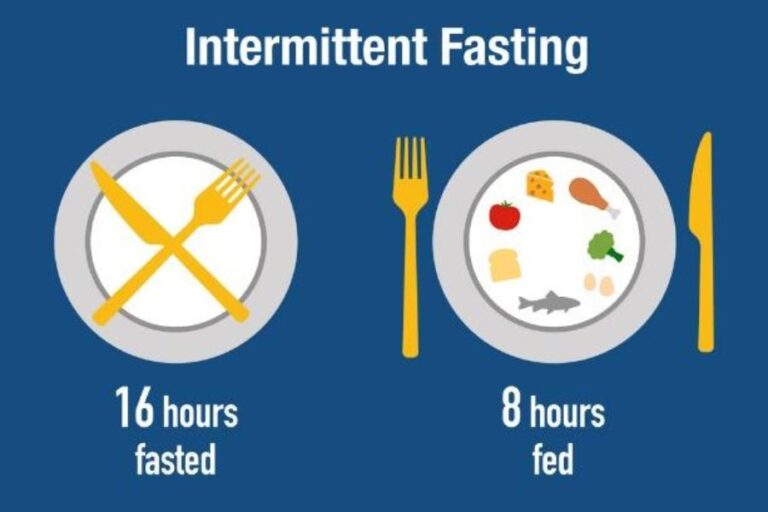
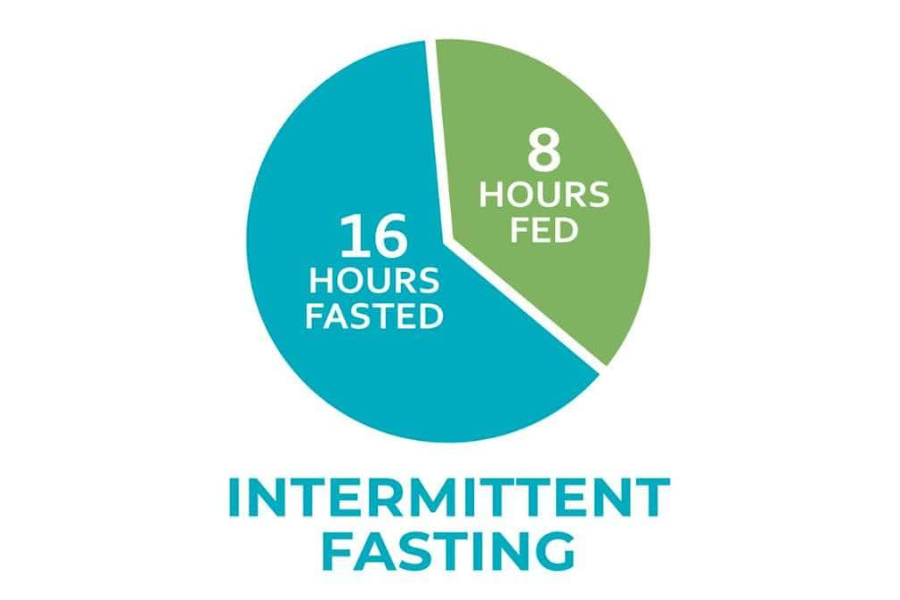
- 16/8: fast for 16 hours, eat within an 8 hour window
- 14/10: fast for 14 hours, eat within a 10 hour window
- 5:2: eat normally 5 days a week, then eat a single 500 to 600 calorie meal on 2 nonconsecutive days (Johns Hopkins Medicine)
You might be interested in intermittent fasting to lose weight, feel more energetic, or support long term health. As a woman, it helps to know that your hormonal system, menstrual cycle, and life stages like pregnancy or menopause can change how your body responds.
Key health benefits for women
Intermittent fasting can offer several potential benefits for women when it is done thoughtfully and in a way that respects your energy and nutrient needs.
Support weight and fat loss
Intermittent fasting often helps you eat fewer calories without strict calorie counting. In some research, people naturally ate about 250 fewer calories per day, which translated to roughly half a pound of weight loss per week (Harvard Chan School).
Examples from studies include:
- Women over 60 following a daily 16/8 approach for 6 weeks lost about 2 kilograms (around 4.5 pounds) of body fat (ZOE)
- Women using a 4 hour or 6 hour eating window lost about 3 to 4 percent of their baseline weight in 8 weeks (UIC Today)
You may also notice more stable hunger during the day. One research group found that time restricted eating reduced the hunger hormone ghrelin and helped people feel less hungry in the early evening (Harvard Chan School).
Improve blood sugar and insulin sensitivity
Intermittent fasting can help your body respond better to insulin, which may lower your risk of type 2 diabetes. In the UIC study, women using short eating windows improved insulin resistance compared with a control group that did not change their eating habits (UIC Today).
Eating earlier in the day seems especially helpful. Finishing meals by around 6 p.m. supported better blood sugar and blood pressure and improved weight loss and fertility markers in women in research referenced by Harvard experts (Harvard Chan School).
Support heart and metabolic health
You may also see changes in:
- Blood pressure
- Cholesterol and other blood fats
- Markers of chronic inflammation
Several reviews suggest that intermittent fasting can improve these heart health markers, although the benefits may fade if you return to your previous eating pattern (ZOE).
Intermittent fasting periods may also protect organs and tissues by reducing oxidative stress and supporting processes that repair cells. This could help lower the risk of chronic conditions such as type 2 diabetes, heart disease, some neurodegenerative disorders, inflammatory bowel disease, and certain cancers, according to research highlighted by Johns Hopkins and the New England Journal of Medicine (Johns Hopkins Medicine).
Potential benefits for PCOS and androgens
If you live with polycystic ovary syndrome (PCOS) or elevated androgens, meal timing and intermittent fasting might help with hormone balance.
Research in premenopausal women with obesity suggests:
- Time restricted eating, especially earlier in the day, can decrease androgen markers like testosterone and the free androgen index, and increase sex hormone binding globulin (SHBG) (Nutrients via PMC)
- In women with PCOS, an early 8 a.m. to 4 p.m. eating window for 5 weeks reduced body weight by about 2 percent and lowered total testosterone and free androgen index without major changes in other reproductive hormones (Nutrients via PMC)
- Eating more than half of your daily calories at breakfast instead of dinner reduced free androgen index, DHEA sulfate, and androstenedione, and raised SHBG even without weight loss (Nutrients via PMC)
These findings suggest that simply shifting more of your food intake earlier in the day could support androgen balance, even if your total calorie intake stays the same.
How intermittent fasting affects women’s hormones
Your hormonal system is sensitive to changes in energy intake. This is especially true if you are of reproductive age, transitioning through perimenopause, or have a history of irregular cycles.
Estrogen, progesterone, and ovulation
Intermittent fasting for women of childbearing age can influence sex hormones like estrogen and progesterone. Cleveland Clinic dietitian Julia Zumpano notes that fasting can affect gonadotropin releasing hormone (GnRH). This hormone helps control estrogen and progesterone, and it is sensitive to energy availability and food scarcity cues (Cleveland Clinic).
In some women, this may:
- Lower estrogen and progesterone
- Disrupt ovulation
- Lead to irregular or missed menstrual periods
This response might be your body’s way of avoiding pregnancy when it senses a shortage of food.
Because of these potential shifts, intermittent fasting is not a quick fix for women of reproductive age. It is something to approach gently, and ideally with guidance, especially if you are trying to conceive or already have cycle irregularities.
Androgens, DHEA, and SHBG
Intermittent fasting does not affect all reproductive hormones in the same way.
Some key patterns from research include:
- In premenopausal females with obesity, intermittent fasting and time restricted eating often decrease testosterone and free androgen index and increase SHBG, especially with earlier eating windows (Nutrients via PMC)
- In a University of Illinois Chicago study using a “warrior diet” style 4 hour eating window, pre and postmenopausal women did not see changes in sex hormone binding globulin, testosterone, or androstenedione after 8 weeks (UIC Today)
- The same study found about a 14 percent drop in DHEA, a hormone related to ovarian function and egg quality, in both pre and postmenopausal women. However, DHEA levels stayed within the normal range (UIC Today)
Importantly, the UIC team did not see changes in estradiol, estrone, or progesterone in postmenopausal women and they did not observe common side effects linked to low estrogen, such as skin changes or sexual dysfunction, over that 8 week period (UIC Today).
Overall, current evidence suggests that intermittent fasting may selectively influence androgen related hormones more than estrogen related hormones in many premenopausal women, but the research is still limited and mostly short term (Nutrients via PMC).
Life stage: premenopause, perimenopause, and postmenopause
Your age and life stage matter when you consider intermittent fasting.
Premenopausal women
- More vulnerable to ovulation and menstrual cycle changes if fasting is too aggressive or calorie intake is too low
- May see improvements in weight, insulin sensitivity, and androgen markers with well planned, earlier time restricted eating
- Should pay close attention to cycle regularity, energy levels, and mood
Cleveland Clinic experts recommend a cautious approach for premenopausal women, often starting with a 12 hour fasting window and extending slowly, while timing fasts with your menstrual cycle (Cleveland Clinic).
Perimenopausal women
Perimenopause already brings fluctuating hormones, hot flashes, sleep changes, and unpredictable cycles. Intermittent fasting can layer on additional stress, so a gentle, individualized approach is especially important. Cleveland Clinic notes that women in perimenopause should be careful because of possible hormone effects (Cleveland Clinic).
Postmenopausal women
After menopause, estrogen and progesterone are low and relatively stable. That may make intermittent fasting less disruptive hormonally and possibly more effective for weight and metabolic health. Cleveland Clinic notes that intermittent fasting may be more suitable for postmenopausal women, although some may still notice symptoms of low hormones (Cleveland Clinic).
In the UIC study, postmenopausal women did not experience changes in estrogen related hormones or typical low estrogen symptoms after 8 weeks on a 4 hour eating window, and they did lose weight and improved insulin resistance (UIC Today).
Pros and cons at a glance
Here is a quick comparison of potential benefits and concerns to help you see the bigger picture.
| Potential benefits | Possible concerns and risks |
|---|---|
| Weight and body fat loss | Menstrual irregularities or ovulation changes in some premenopausal women |
| Better insulin sensitivity | Headaches, fatigue, constipation, or nausea when starting |
| Lower blood pressure and improved cholesterol | Overeating or bingeing during eating windows |
| Reduced inflammation and oxidative stress | Mood changes or low energy if fasting is too aggressive |
| Fewer hunger swings during the day | Potential impacts on reproductive, bone, and overall health in some women |
| Possible androgen improvements for PCOS | Not appropriate during pregnancy, breastfeeding, or for some medical conditions |
Several organizations highlight short term side effects such as headaches, tiredness, constipation, and overeating. A gradual approach and medical guidance can help you avoid many of these issues (ZOE).
Who should avoid or be cautious
Intermittent fasting is not a good fit for everyone. In some cases, it can be unsafe without close medical supervision.
You should talk with your healthcare provider first, and possibly avoid fasting, if you:
- Are pregnant or trying to conceive
- Are breastfeeding
- Have a history of an eating disorder or disordered eating patterns
- Have diabetes or take medications that must be taken with food
- Have very low body weight or are underweight
- Have a history of significant menstrual irregularities or amenorrhea
Pregnancy and breastfeeding
Multiple sources advise against intermittent fasting in pregnancy and recommend pausing it during breastfeeding.
- Fasting can potentially affect fetal growth and development (ZOE)
- It may also interfere with adequate calorie and nutrient intake for milk supply
Harvard based experts note that intermittent fasting is not recommended for children or pregnancy, and that even experienced fasters have chosen to stop during breastfeeding (Harvard Chan School).
Diabetes and medication use
If you have diabetes or use medications that must be taken with food, fasting can raise the risk of hypoglycemia or make medication schedules more difficult to manage. Women in these groups should only consider intermittent fasting under direct medical supervision (ZOE).
Eating disorders and disordered eating
Cleveland Clinic warns that women with a current or past eating disorder should not use intermittent fasting without professional support. Restricting eating windows can increase the risk of binge eating or orthorexic behaviors (Cleveland Clinic).
If you notice obsessive food thoughts, guilt after eating, or cycles of restriction and bingeing, fasting is unlikely to be a healthy strategy for you.
How to start intermittent fasting safely
If you and your healthcare provider agree that intermittent fasting might be appropriate, a slow, structured start can help you get the benefits with fewer side effects.
Choose a gentle schedule first
For many women, softer approaches are safer and more sustainable than extreme fasts.
Common beginner friendly options include:
- 12/12: fast for 12 hours, eat within a 12 hour window, for example 8 a.m. to 8 p.m.
- 14/10: fast for 14 hours, eat within 10 hours, for example 9 a.m. to 7 p.m.
- 16/8: fast for 16 hours, eat within 8 hours, for example 9 a.m. to 5 p.m.
Cleveland Clinic dietitians often suggest starting with a 12 hour overnight fast, then slowly extending up to 16 hours if your energy, mood, and cycle stay stable (Cleveland Clinic).
The 16/8 method is sometimes called a safer entry point for women, since it lines up with normal sleep and still allows a full day’s worth of nourishment (Cleveland Clinic).
Favor earlier eating windows
Evidence suggests that eating more of your food earlier in the day provides more metabolic benefits than pushing your eating window into the late evening.
You might experiment with:
- 8 a.m. to 4 p.m.
- 9 a.m. to 5 p.m.
- 10 a.m. to 6 p.m.
Earlier time restricted eating has been linked with better blood sugar, blood pressure, weight loss, and potentially fertility outcomes in women (Harvard Chan School). It can also improve androgen markers in women with PCOS (Nutrients via PMC).
Align with your menstrual cycle
If you are premenopausal and still have regular periods, you may tolerate fasting better at certain times of your cycle.
Cleveland Clinic suggests:
- You may do best with longer fasts starting a day or two after your period begins
- It is wise to avoid or shorten fasts in the week before your period, when your body is more sensitive to energy deficits
This rhythm can give you more flexibility when your hormones already add stress and can help you protect ovulation and cycle regularity (Cleveland Clinic).
What to eat during your eating window
Intermittent fasting focuses on timing, but what you eat still matters as much as when you eat. To feel well and protect your hormones, quality and balance are key.
Build balanced, satisfying meals
Aim to include:
- Lean proteins such as fish, poultry, tofu, tempeh, beans, and lentils
- High fiber carbohydrates like vegetables, fruits, and whole grains
- Healthy fats from olive oil, nuts, seeds, and avocado
Cleveland Clinic recommends breaking your fast with a meal that is high in protein and fiber and includes healthy fats. This combination helps you avoid sharp blood sugar spikes and crashes during your eating window (Cleveland Clinic).
Sample break fast meal:
- Grilled salmon or tofu
- Quinoa or brown rice
- A large salad with mixed greens, colorful vegetables, olive oil, and seeds
Stay hydrated and support digestion
During fasting periods, water and noncaloric beverages are usually allowed. To reduce common side effects:
- Sip water regularly through the day
- Include herbal tea if you enjoy it
- Get enough fiber from fruits, vegetables, whole grains, beans, and lentils to help prevent constipation
- Adjust your caffeine, since coffee on an empty stomach can feel harsh for some people
If you add electrolytes to water, check that they do not contain added sugars that might break your fast if you are aiming for a strict approach.
Red flags to watch for
While you try intermittent fasting, your body will give you feedback. Pay attention to signs that suggest your plan is too aggressive or simply not a good match for you.
Stop, scale back, or talk to your healthcare provider if you notice:
- New or worsening menstrual irregularities
- Fertility concerns or difficulty conceiving
- Persistent low energy that does not improve after a few weeks
- Frequent headaches, dizziness, or nausea
- Increased irritability, anxiety, or sleep disturbances
- Obsessive focus on food or a return of disordered eating patterns
- Rapid weight loss or difficulty maintaining a healthy weight
- Hair loss or feeling unusually cold
Some side effects, like mild headaches or fatigue, may ease as your body adjusts, but they should not drag on for weeks or make daily life difficult. Sustainable intermittent fasting should feel manageable, not punishing.
How to decide if intermittent fasting is right for you
Intermittent fasting for women can be a useful tool, but it is not the only path to better health. It is worth asking yourself a few questions before you begin or before you continue long term.
You may be a better candidate if you:
- Want a simple structure to reduce late night snacking or grazing
- Prefer clear meal boundaries instead of meticulous calorie counting
- Are medically cleared and do not have conditions that make fasting risky
- Feel generally stable in your relationship with food
You might want to choose a different approach if you:
- Have a complex medical history, especially related to hormones, fertility, or blood sugar
- Have a history of disordered eating
- Already struggle to eat enough due to appetite, schedule, or stress
- Find that time restricted eating worsens your mood or sleep
Whatever you decide, it is useful to think of intermittent fasting as one potential strategy among many. You can always revisit it later or combine a very gentle fasting window with other supportive habits, such as moving your body regularly, eating more plants, and prioritizing sleep.
If you do experiment with intermittent fasting, start small, check in with your body regularly, and keep your healthcare provider in the loop, especially if you notice any changes in your cycle, mood, or energy.
About the Author