Understand intermittent fasting and the Mediterranean diet
When you compare intermittent fasting vs Mediterranean diet, you are really comparing two different approaches to the same goal. Intermittent fasting focuses on when you eat. The Mediterranean diet focuses on what you eat. Both can support weight loss and better health, but they work in different ways and fit different lifestyles.
According to a review of 22 randomized controlled trials in adults with type 2 diabetes, both approaches improved blood sugar, cholesterol, and body measurements, although the Mediterranean diet produced more consistent long term benefits (PubMed).
Understanding how each option works can help you decide what feels realistic, safe, and sustainable for you.
What intermittent fasting is
Intermittent fasting is an eating pattern that alternates between periods of eating and periods of not eating. It emphasizes timing rather than specific foods. You still choose what to eat during your eating window, but the main structure is when you start and stop.
Common intermittent fasting patterns include:
-
16:8 fasting
-
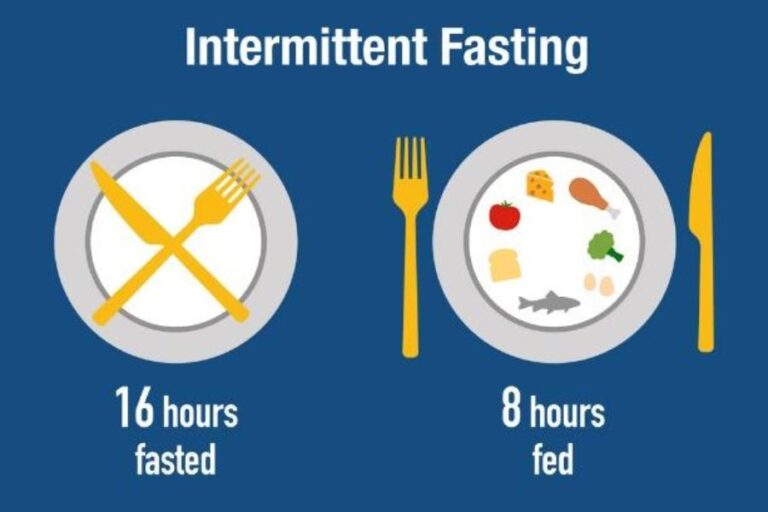
You fast for 16 hours each day.
-
You eat all your meals within an 8 hour window, such as 11 a.m. to 7 p.m.
-
5:2 fasting
-
You eat regularly 5 days per week.
-
On 2 nonconsecutive days, you significantly reduce calories.
-
Time restricted eating
-
You simply shorten your daily eating window, for example 10 a.m. to 6 p.m.
Intermittent fasting can feel flexible because you can technically eat any food you like, as long as it fits your schedule. That flexibility is one reason many people use it for weight loss (Prolon).
What the Mediterranean diet is
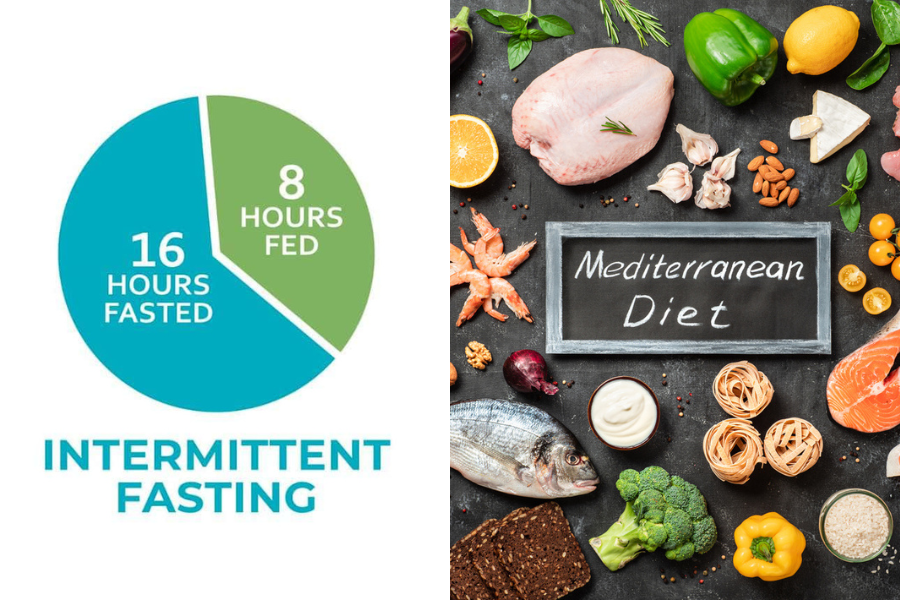
The Mediterranean diet is a plant forward way of eating inspired by countries that border the Mediterranean Sea. Instead of strict rules or calorie counting, it guides you toward specific food groups that support heart and metabolic health.
Core features of the Mediterranean diet include (Prolon):
- Plenty of vegetables and fruits
- Whole grains like oats, brown rice, and whole wheat
- Nuts and seeds
- Healthy fats such as extra virgin olive oil
- Beans and lentils as regular protein sources
- Fish and seafood a few times a week
- Moderate amounts of dairy and poultry
- Limited red meat and sweets
This pattern is well known for its heart friendly, long term health benefits and is often recommended for everyday eating rather than short bursts of dieting.
Compare how each one works in your body
Both intermittent fasting and the Mediterranean diet can help with weight loss and health markers, but they rely on different mechanisms.
How intermittent fasting supports weight loss and health
When you stop eating for a period of time, your body eventually uses up glucose from your last meal and starts tapping into stored energy. This shift can:
- Reduce overall calorie intake if you do not overcompensate during eating windows
- Improve short term blood sugar control and insulin sensitivity
- Support better lipid profiles, such as reductions in certain cholesterol markers
The review of 22 randomized controlled trials found that intermittent fasting improved blood sugar and lipid levels in adults with type 2 diabetes, and it helped reduce body weight and waist measurement (PubMed).
However, the same review noted:
- Benefits tended to be more prominent in the short term
- Some participants struggled with adherence over time
- There was a risk of hypoglycemia, especially in people with diabetes who take medications that lower blood sugar (PubMed)
So while intermittent fasting can be an effective tool, it requires careful planning, especially if you have a medical condition.
How the Mediterranean diet supports weight loss and health
The Mediterranean diet supports health less through strict timing and more through food quality. It is naturally rich in:
- Antioxidants from fruits, vegetables, and whole grains
- Healthy fats from olive oil, fish, nuts, and seeds
- Dietary fiber from legumes, whole grains, fruits, and vegetables
These nutrients work together to support:
- More stable blood sugar
- Healthier cholesterol and triglyceride levels
- Reduced inflammation
- Improved long term metabolic health
In the same review that compared intermittent fasting vs Mediterranean diet in adults with type 2 diabetes, both diets improved blood sugar and cholesterol. However, the Mediterranean diet offered more consistent and sustainable benefits over time (PubMed).
Researchers attributed these longer lasting effects to the diet’s rich mix of antioxidants, healthy fats, and fiber, which support your metabolism in a steady way rather than relying on fasting windows alone (PubMed).
Look at short term vs long term results
When you are deciding between intermittent fasting and the Mediterranean diet, your timeline matters. Are you looking for faster changes or a pattern you can keep for years?
Short term changes
If you want to see changes quickly, intermittent fasting may feel appealing. Restricting your eating window often makes it easier to:
- Cut back on late night snacking
- Reduce the number of meals or snacks you eat in a day
- Notice early shifts in weight and waist size
Research shows that intermittent fasting can produce short term improvements in:
- Blood sugar control
- Lipid profiles
- Anthropometric outcomes such as body weight and body mass index (PubMed)
However, these early changes are only useful if you can continue the pattern in a way that feels safe and realistic for your daily life.
Long term sustainability
For long term health, the Mediterranean diet stands out. Studies in adults with type 2 diabetes show that, compared to intermittent fasting, the Mediterranean diet:
- Provides more consistent improvements in blood sugar, cholesterol, and body measurements over time
- Is easier to follow as an everyday eating pattern
- Offers broader heart and metabolic benefits (PubMed)
Because it focuses on whole, flavorful foods rather than strict timing rules, many people find it easier to stick with the Mediterranean diet during holidays, social events, and busy weeks.
Consider safety, side effects, and lifestyle fit
The best plan for you is one that supports your health without creating new problems. Thinking through safety and day to day fit can help you choose wisely.
Safety considerations for intermittent fasting
Intermittent fasting is not right for everyone. You may face added risks if you:
- Have type 2 diabetes or another blood sugar disorder
- Take medications that lower blood sugar
- Have a history of disordered eating
- Are pregnant, breastfeeding, or underweight
In the randomized trial review, people with type 2 diabetes experienced potential hypoglycemia during fasting periods, especially when combined with blood sugar lowering medications (PubMed). That means you should not start intermittent fasting without talking to a healthcare provider if you have diabetes or another chronic condition.
Some people also find that fasting:
- Triggers headaches or fatigue
- Makes it harder to concentrate during long fasting windows
- Leads to intense hunger that causes overeating during eating windows
These side effects can often be managed by adjusting your fasting schedule or food choices, but they are important to keep in mind.
Safety considerations for the Mediterranean diet
For most adults, the Mediterranean diet is considered a safe and heart healthy pattern. Since it emphasizes a wide variety of whole foods, it can:
- Fit different calorie needs
- Be adjusted for vegetarian or pescatarian preferences
- Work alongside most medical treatments
If you have specific conditions like food allergies, kidney disease, or celiac disease, you may need to adapt certain foods, for example nuts or whole grains. In general, though, the Mediterranean diet is widely recommended as a long term foundation for healthy eating (Prolon).
Lifestyle and preference check
Before you commit, ask yourself a few practical questions:
- Do you prefer structure around when you eat or what you eat?
- Are your mornings or evenings flexible enough for regular fasting windows?
- Do you enjoy cooking and trying new recipes, or do you want minimal food rules?
- How often do you have social meals, late dinners, or irregular work hours?
Your honest answers will tell you more than rules alone. A plan that looks good on paper but clashes with your actual schedule is unlikely to last.
Explore prolonged and mimicked fasting
If you are curious about going deeper than typical intermittent fasting, you may come across prolonged fasting and fasting mimicking approaches. These are more advanced tools that some people consider after building a basic foundation.
What prolonged fasting is
Prolonged fasting typically means fasting for longer than 72 hours, done only a few times per year. Some research suggests that extended fasting can support:
- Cellular rejuvenation
- Sustained weight loss
- Longevity related benefits that go beyond what shorter fasting windows provide (Prolon)
However, fasts of this length are intense and may not be safe for everyone. They should only be done with professional guidance, especially if you have any medical conditions or take daily medications.
What a fasting mimicking diet is
A fasting mimicking diet is designed to give your body many of the same signals as a water only fast while still allowing you to eat. For example, Prolon’s 5 Day Fasting Mimicking Diet is a structured, scientifically backed program that provides carefully designed meals for five days in a row (Prolon).
The goal is to make fasting:
- Easier to manage than strict water fasting
- Supportive of weight loss and metabolic health
- More comfortable, since you are still consuming food
If you are already following a Mediterranean style diet or a simple intermittent fasting pattern, you might decide to incorporate periodic fasting mimicking cycles under professional guidance.
Decide which approach fits you best
When you put intermittent fasting vs Mediterranean diet side by side, you are not choosing a winner or loser. Instead, you are deciding what combination of timing and food quality feels realistic for your life right now.
Side by side comparison
| Feature | Intermittent fasting | Mediterranean diet |
|---|---|---|
| Main focus | When you eat | What you eat |
| Typical goal | Short term weight loss, metabolic benefits | Long term heart and metabolic health |
| Evidence in type 2 diabetes | Improves blood sugar and lipids, short term | More consistent and sustainable improvements over time (PubMed) |
| Key strengths | Flexible, simple rules on timing | Balanced, nutrient rich, enjoyable everyday pattern |
| Main challenges | Hunger, adherence, hypoglycemia risk | Requires food planning and cooking |
| Best suited for | People who like structure around timing | People who want a long term, heart friendly way of eating |
The randomized trial review concluded that the Mediterranean diet is preferable for long term management of type 2 diabetes, while intermittent fasting may serve as a complementary short term strategy (PubMed).
Even if you do not have diabetes, this conclusion gives you a helpful framework:
- See the Mediterranean diet as a stable base.
- View intermittent fasting as an optional add on that you can use in short bursts or cycles if it feels good and safe.
Practical ways you can combine both
You do not have to choose one approach forever. You can:
- Eat a Mediterranean style diet every day.
- Use a gentle intermittent fasting window, for example 12 to 14 hours overnight.
- Occasionally add a structured fasting mimicking program if you and your healthcare provider agree it fits your goals (Prolon).
This blend lets you benefit from both high quality foods and thoughtful timing, without needing extreme restrictions.
Take your next small step
You do not have to overhaul your entire diet at once to benefit from intermittent fasting or the Mediterranean diet. You can start with one simple, low stress change:
- Move your first meal 30 to 60 minutes later, or finish dinner a bit earlier, to gently shorten your eating window.
- Swap one daily refined grain for a whole grain, for example white rice for brown rice.
- Add a serving of vegetables to one meal, and drizzle a bit of olive oil on top.
- Replace one red meat dinner this week with fish, beans, or lentils.
As you notice how these changes feel in your body and your schedule, you can decide whether to lean more into intermittent fasting, the Mediterranean diet, or a thoughtful mix of both.
If you have type 2 diabetes, another chronic condition, or any concerns about prolonged fasting, talk with your healthcare provider before you make significant changes. With the right guidance and a realistic plan, you can use these tools to support weight loss, protect your heart, and feel more energetic in your day to day life.
About the Author