Why try walking workouts with weights
If you already walk for exercise, walking workouts with weights can be a simple way to get more out of the time you are already spending. By adding a little resistance, you challenge your muscles, increase your heart rate, and potentially burn more calories, all while keeping your workout low impact.
Experts describe walking plus strength work as a powerful combination for both physical and mental health. A 31 day walking and strength training plan, for example, pairs daily 20 minute walks with short bodyweight circuits to support weight loss, strength, and mood (Today). You can borrow this same idea and adjust it to your fitness level and schedule.
This guide walks you through the options, benefits, and safety basics so you can decide if walking with weights is right for you.
Understand the benefits
Boost calorie burn and workout intensity
Any extra weight you carry makes your body work harder. That is the core idea of walking workouts with weights.
- A study cited by Healthline found that wearing a weighted vest equal to 15% of your body weight increased calorie burn from 5.7 to 6.3 calories per minute during treadmill walking (Healthline).
- Older research from the 1980s suggests that power walking with hand and ankle weights can raise oxygen use and calorie burn enough that walking at 4 mph with weights can feel as intense as running at 5 mph (Peloton).
The increase is modest if the weights are light, but it adds up over time and helps you get more out of a walk without needing to run.
Build strength and muscle
When you add resistance to walking, your muscles have to push a little harder with every step.
- Weighted vests and backpacks increase the workload on your legs and core, which can improve lower body strength and power (Marathon Handbook).
- Using hand or wrist weights can help engage your shoulders, arms, chest, and upper back so your walk becomes more of a full body workout (Marathon Handbook).
Structured plans that combine walking with traditional strength moves, like squats, step ups, and rows, can significantly improve strength and muscle size in just 4 weeks, without high impact exercise (Men’s Health UK).
Support bone health
Weighted vests can be especially helpful for bone density. When you wear a vest, the extra weight creates slightly more impact with each step. That pressure stimulates bone cells and can slow bone loss.
Harvard Health notes that weighted vests can help fight bone loss by applying safe, low level pressure to your bones, as long as the vest is no more than about 10% of your body weight (Harvard Health Publishing).
Improve cardiovascular fitness and endurance
Adding weight raises your heart rate during a walk, which is useful if you struggle to reach moderate intensity with walking alone.
- Plans that mix weighted walking with hill intervals often aim for heart rate zones 2 to 3 for steady walking and 3 to 4 during harder efforts, or roughly 60 to 90% of your max heart rate (Men’s Health UK).
- Research on weighted vests and rucksacks suggests that walking with added load can improve lower body muscle power and functional ability by around 10% in some groups (Men’s Health UK).
In simple terms, you may notice you can walk farther, climb stairs more easily, and recover faster from daily activities.
Support mental health and stress relief
Walking is already linked with better mood, reduced stress, and improved symptoms of depression and anxiety. When you layer in strength work, you may feel even more benefits.
A daily walking and strength plan has been promoted specifically for mental health support, mindfulness, and stress reduction, not just fitness. The idea is that moving your body regularly, especially outdoors, helps calm your nervous system and clear your mind (Today).
Know your weight options
Not all weights are equal. Some are safer and more effective for walking than others. Choosing the right option helps you get benefits while lowering injury risk.
Weighted vests
Weighted vests are often considered the best all around choice for walking workouts with weights.
How they work
A vest distributes weight evenly around your torso, close to your center of gravity. This keeps your natural walking pattern almost the same, but with extra load.
Benefits
- Increases leg muscle workload and cardiovascular challenge
- Stimulates bone density by adding gentle impact per step
- Keeps your hands free and gait relatively natural (Marathon Handbook)
A 2020 study found that people could walk longer on a treadmill before fatigue when they wore a weighted vest compared to a backpack with the same weight. The better weight distribution appeared to make the exercise feel more manageable (Peloton).
Weighted vests have also been used with older adults, and a pilot study found that wearing a vest for 8 hours a day over 12 months helped slow hip bone density loss (Peloton).
Safety tips
- Start with 5 to 8 pounds, or about 5 to 10% of your body weight, whichever is lower (Healthline).
- Harvard Health recommends staying at or below 10% of body weight, such as a 15 pound vest for someone who weighs 150 pounds (Harvard Health Publishing).
- Avoid vests if you have back or neck problems like spinal stenosis or disc degeneration, since the added pressure can aggravate those issues (Harvard Health Publishing).
Hand weights and wrist weights
Handheld dumbbells or soft wrist weights are often the first tools people reach for, since they are cheap and easy to find. They can work, but you need to be careful.
Potential benefits
- Add resistance to your natural arm swing
- Involve upper body muscles, such as biceps, shoulders, and upper back
- Modestly increase calorie burn by increasing total workload (Marathon Handbook)
Physical therapists generally view light hand weights as safer than very heavy ones.
- One expert suggests starting with about 3 pounds in each hand to increase intensity without overstraining your joints (Healthline).
Risks and cautions
Wrist weights and heavy hand weights can create long lever arms as you swing your arms. Over time that can stress small joints and soft tissues.
- Harvard Health notes that wrist weights may cause muscle imbalances and joint or tendon injuries in the wrists, elbows, shoulders, and neck, especially with long or vigorous walks (Harvard Health Publishing).
- Heavier hand weights may lead to elbow and shoulder pain or strain (Healthline).
If you use hand or wrist weights, keep them light, move with control, and do not swing your arms wildly.
Ankle weights
Ankle weights are common in gyms and home workouts, but they are rarely a good choice for walking workouts with weights.
Potential use
Light ankle weights in the 1 to 3 pound range can challenge lower body muscles like the calves, quadriceps, and hip flexors when you walk slowly (Peloton, Healthline).
However, most experts advise against using them at a brisk pace.
Risks
- They add load at the end of your legs, which creates a long lever arm and can strain your joints.
- They may overwork your quadriceps while underusing your hamstrings, which can create muscle imbalances, according to Harvard affiliated physical therapist Terry Downey (Harvard Health Publishing).
- They can increase the risk of tendon or ligament injuries in your knees, hips, and back, and are not advised for people with joint issues or arthritis (Harvard Health Publishing).
If you already have ankle, knee, or hip pain, skip ankle weights for walking and choose a different option.
Weighted backpacks or rucksacks
Walking with a loaded backpack, often called rucking, is another common way to add resistance.
Benefits
- Your hands remain free.
- Added weight can improve leg strength, cardiovascular fitness, and functional ability, similar to vests, when used properly (Men’s Health UK).
Risks and form tips
Backpacks place the weight behind you, which can pull your shoulders forward and strain your lower back if you are not careful.
Healthline recommends:
- Starting with 5 to 15 pounds.
- Engaging your core and maintaining good posture, with shoulders down and back, not rounded.
- Avoiding rucksacks if you already have neck or back problems, unless a doctor or physical therapist gives you the go ahead (Healthline).
Compare your options at a glance
| Type of weight | Main benefits | Main risks / cautions |
|---|---|---|
| Weighted vest | Even load, supports bone density, hands free | Not for people with back or neck issues, keep under 10% of body weight |
| Hand / wrist weights | Upper body involvement, easy to add or remove | Joint and tendon strain in wrists, elbows, shoulders, neck if too heavy or overused |
| Ankle weights | Targets lower body at slow pace | High joint stress, muscle imbalances, higher injury risk, generally not recommended |
| Backpack / rucksack | Simple and accessible, boosts leg workload | Can strain lower back and joints if too heavy or used with poor posture |
Stay safe while walking with weights
Before you jump into walking workouts with weights, it helps to check in with your health history and set a few ground rules.
Check with a professional if needed
If you have:
- Joint pain or arthritis
- Back or neck problems
- Balance issues
- Heart or lung conditions
then talk with your doctor first. Harvard Health specifically advises getting medical clearance before using wearable weights if you have back, joint, or balance concerns, and working with a physical therapist to choose the right load and progress safely (Harvard Health Publishing).
Start lighter than you think
With walking workouts with weights, more is not better, especially at the beginning.
- For vests, experts suggest starting around 5 to 8 pounds, or no more than 5 to 10% of your body weight (Healthline).
- For hand weights, begin with about 2 to 3 pounds per hand.
- For backpacks, start in the 5 to 15 pound range and gradually add more only if your body tolerates it well (Healthline).
You can always add weight later. It is harder to backtrack from an overuse injury.
Limit duration and frequency at first
Even light weights increase the strain on your joints. To give your body time to adjust:
- Use weights for 15 to 20 minutes at a time initially.
- Try walking with weights every other day, or a few times a week, instead of daily.
- Alternate weight days with regular walking days so your muscles and connective tissues can recover (Marathon Handbook).
Focus on posture and form
Good form matters more once you add weight.
Keep these cues in mind when you walk:
- Stand tall, with your head over your shoulders, not jutting forward.
- Relax your shoulders down and slightly back.
- Engage your core as if you are gently bracing your midsection.
- Land softly on your feet and roll through each step instead of stomping.
With backpacks, adjust the straps so the load sits close to your body, not bouncing low or pulling you backward. With vests, make sure the vest fits snugly and does not shift around as you move.
Watch for warning signs
Stop or reduce weight if you notice:
- Sharp or sudden pain in joints or your back
- Numbness or tingling
- Lingering soreness that lasts more than 48 hours
- Changes in your walking pattern that feel awkward or forced
A little muscle fatigue is normal. New or worsening joint pain is a signal to back off and possibly consult a professional.
Use strength training with walking
You do not have to wear weights the entire time to build strength. Another approach is to keep your walk unweighted, then add short bodyweight or dumbbell circuits before, during, or after.
Why combine walking and strength
When you pair walking with strength training exercises you:
- Build muscle that helps you burn more calories even at rest.
- Improve balance and stability, which may lower your risk of injury while walking.
- Support joint health by strengthening the muscles around them.
- Create a more complete workout that targets your whole body.
Plans that mix daily walking with simple no equipment strength moves, like squats and bridges, have been used to support weight loss and mental health over 31 days (Today).
Sample bodyweight circuit to pair with a walk
On one or two days per week, you can try a brief strength circuit before or after a 20 to 30 minute walk. Here is an example based on exercises recommended for during walk strength breaks (Today):
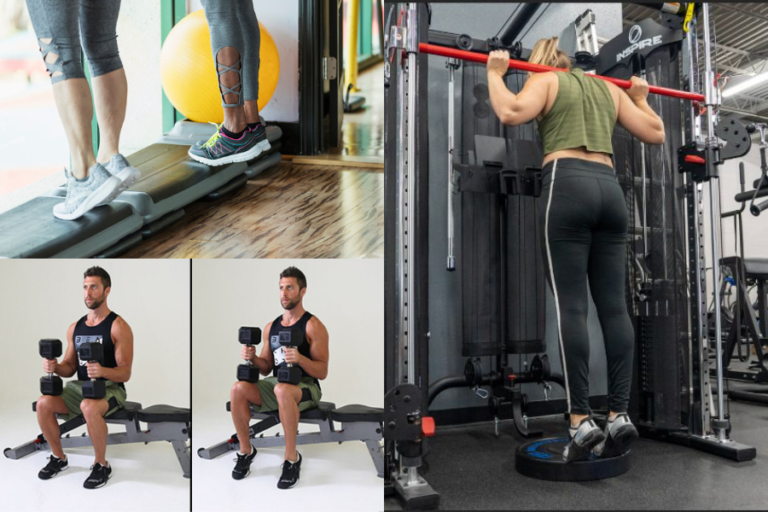
- Squats, 10 to 12 reps
- Marching bridge on your back, 10 marches per side
- Plank, hold 20 to 30 seconds
- Seated or standing oblique twists, 10 per side
- Standing knee raise with backward leg lift, 8 to 10 per side
- Calf raises, 12 to 15 reps
Repeat the circuit 1 to 3 times depending on your fitness level. You can perform this at home or at a park bench during your walk.
Add dumbbells on strength days
If you enjoy lifting weights, you can follow a simple 2 or 3 day per week dumbbell routine after your walks instead of wearing weights while you walk. A 4 week plan that blends walking with dumbbell moves like goblet squats, dumbbell Romanian deadlifts, step ups, rows, and carries has been shown to significantly improve strength and muscle size, even without high impact cardio (Men’s Health UK).
You might:
- Walk most days for 20 to 40 minutes.
- On 2 or 3 of those days, add 15 to 25 minutes of strength work after your walk, using light to moderate dumbbells.
This approach gives you many benefits of walking workouts with weights, but with more control over form and load.
Build your own walking with weights plan
You can customize your weekly plan based on your current level and comfort with weights. Below are two sample structures to help you get started.
Beginner friendly plan without wearable weights
If you are new to exercise or have joint concerns, start by combining regular walking with short strength sessions, instead of using wearable weights right away.
Weekly example
- Day 1: 20 minute walk at an easy to moderate pace
- Day 2: 20 to 30 minute walk plus the bodyweight circuit once
- Day 3: Rest or gentle 10 to 15 minute walk
- Day 4: 25 to 30 minute walk, include a few hills or stair climbs if possible
- Day 5: 20 minute walk plus the bodyweight circuit once or twice
- Day 6: 20 minute easy walk
- Day 7: Rest or light stretching
Aim for a total of at least 7,000 to 8,000 steps a day, which has been linked in research with better overall health and lower risk of early death (Men’s Health UK).
Intermediate plan with a light vest or backpack
If you already walk regularly and have no major joint or back issues, you can introduce a light weighted vest or backpack.
Weekly example
- Day 1: 20 minute walk with light vest or backpack
- Day 2: 30 minute unweighted walk plus short strength circuit
- Day 3: Rest or 15 minute easy walk
- Day 4: 25 minute walk with light weight, include a few gentle hills
- Day 5: 30 minute unweighted walk, focus on a brisk pace
- Day 6: 20 minute walk with light weight, then 10 minutes of stretching
- Day 7: Rest
Keep the weight light at first, and pay attention to how your body feels the next day. If any joint discomfort appears, switch some or all of your weighted sessions back to unweighted walks while you address the issue.
Decide if walking with weights is right for you
Walking workouts with weights can:
- Make your walks more efficient for weight loss and fitness.
- Build strength and support bone health.
- Provide a low impact alternative to running or high intensity cardio.
At the same time, they are not necessary for everyone. You might get all the results you want from regular walking and separate strength sessions, especially if you are just starting your fitness journey or managing pain.
If you are curious, begin small. Try a short walk with a very light vest or backpack or add a brief strength circuit after your usual route. Notice how your body responds over a week or two.
Your walking routine should feel sustainable. With the right approach, you can enjoy the simplicity of walking, add smart resistance, and steadily move toward your health and weight loss goals.
About the Author