Understand what a dietary plan for obesity really is
A dietary plan for obesity is more than a short‑term “diet.” It is a way of eating that helps you reach a healthier weight and protect yourself from problems like heart disease and type 2 diabetes over time.
According to the Dietary Guidelines for Americans, a healthy eating pattern is essential for people living with obesity because it supports weight loss and helps prevent complications (CDC). In practice, that means:
- Eating mostly nutrient‑dense foods like vegetables, fruits, whole grains, lean proteins, and healthy fats
- Managing your total calories so you are in a gentle calorie deficit
- Choosing an approach that fits your preferences and lifestyle so you can stick with it
You do not have to follow a perfect plan. You do need a structure that makes it easier to make better choices most of the time.
Set a realistic weight loss goal
Before you change what you eat, give yourself a clear, realistic target.
A helpful benchmark is losing at least 5% of your starting body weight. A 2023 review notes that this level of loss is enough to lower your risk of diabetes and heart disease and is considered a successful response to treatment (NCBI Bookshelf).
For example:
- If you weigh 220 pounds, 5% is 11 pounds
- If you weigh 280 pounds, 5% is 14 pounds
You can always adjust your goal later, but starting with something achievable keeps you motivated instead of overwhelmed.
Choose an eating pattern that suits you
There is no single best dietary plan for obesity. Several approaches can work if you consistently eat fewer calories than you burn and focus on whole foods. The key is to choose a style of eating you can imagine following for months, not just a week.
Below are common options, plus how they might fit into your life.
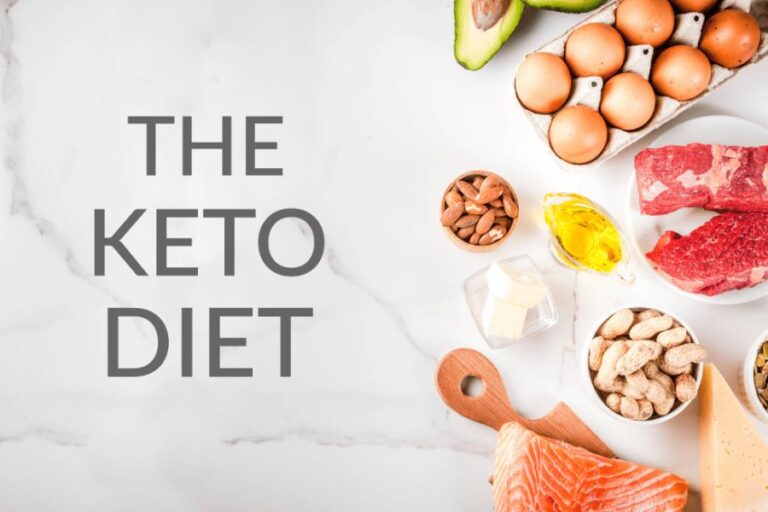
Try a low carbohydrate approach
Low carbohydrate diets limit foods like sugary drinks, sweets, white bread, and large portions of rice or pasta. They usually increase protein and healthy fats instead.
Recent research in overweight adults found that a low carbohydrate (LC) diet without explicit calorie restriction led to a larger drop in BMI than a calorie‑restricted diet alone over 12 weeks (BMC Medicine).
In the same study:
- LC alone reduced BMI by about 2.3 kg/m²
- Calorie restriction (CR) alone reduced BMI by about 1.3 kg/m²
- Combining LC with CR (LC + CR) worked best, with a BMI reduction of about 2.9 kg/m² and greater improvements in waist size, body fat percentage, and triglycerides (BMC Medicine)
A low carbohydrate plan may suit you if:
- You prefer savory foods like eggs, fish, poultry, and vegetables
- You feel less hungry when you reduce sugar and refined starches
- You are comfortable reading labels and limiting added sugars
Consider the Mediterranean style of eating
The Mediterranean diet is a flexible pattern that emphasizes:
- Vegetables, fruits, beans, lentils, and whole grains
- Olive oil and nuts as main fats
- Fish and poultry more often than red meat
A 2023 review found that this approach led to an average weight loss of about 8.7% after 12 months and also improved metabolic markers like blood sugar and cholesterol, which can lower your risk of type 2 diabetes and metabolic syndrome (NCBI Bookshelf).
This pattern may be a good fit if you:
- Enjoy simple meals like grilled fish, salads, vegetable stews, and beans
- Prefer a less restrictive plan that allows bread, pasta, and rice in controlled portions
- Care just as much about long‑term heart health as the number on the scale
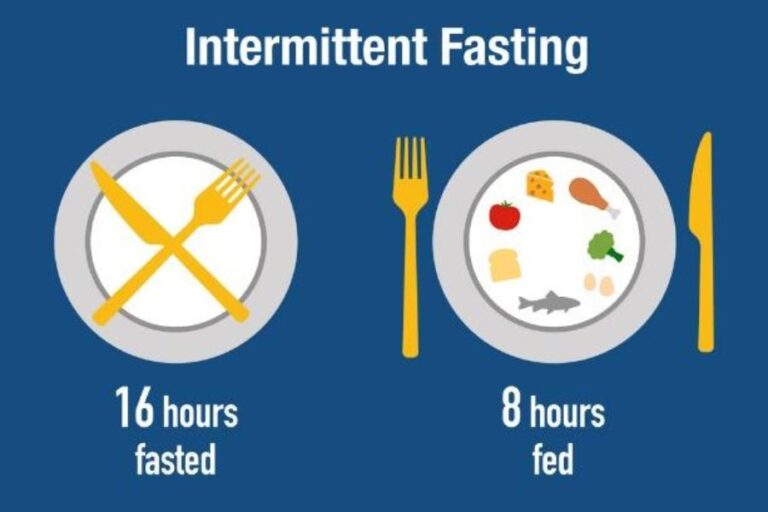
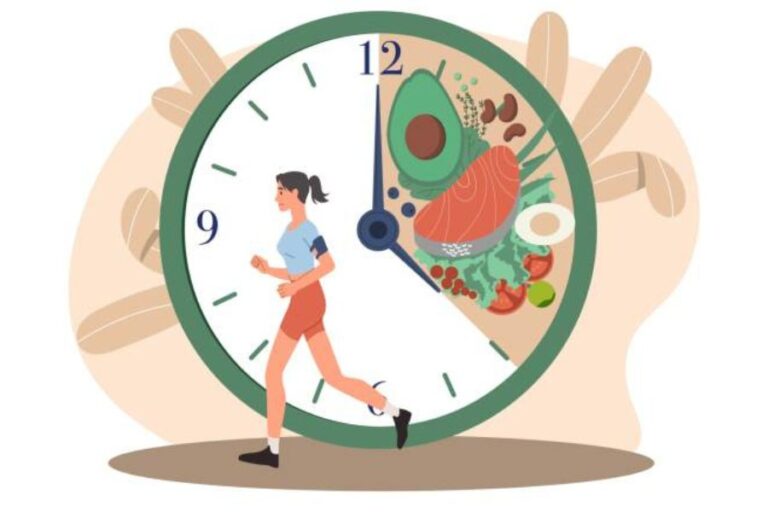
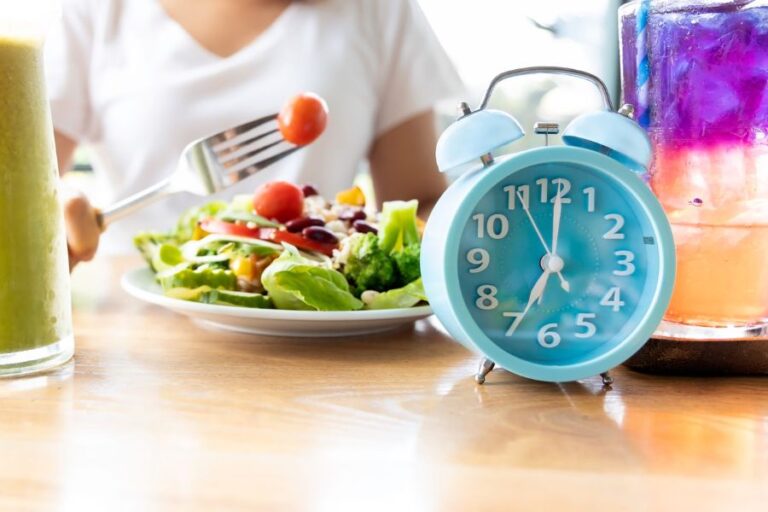
Look into intermittent fasting
Intermittent fasting focuses on when you eat more than what you eat. Popular methods include:
- Time‑restricted eating, such as eating all meals within 8 to 10 hours each day
- Alternating days of normal intake and lower intake
Studies up to 2023 suggest intermittent fasting can help reduce weight, improve insulin sensitivity, support blood pressure control, and lower some cardiovascular risks (NCBI Bookshelf).
It might be helpful if you:
- Prefer a simple rule like “no food after 7 p.m.”
- Have a busy schedule and like fewer eating occasions
- Tend to overeat late at night and want a clear cutoff
If you have diabetes, take medications that affect blood sugar, or have a history of disordered eating, talk with your health care provider before trying intermittent fasting.
Build your plate using simple frameworks
Once you choose an overall style, you need a day‑to‑day guide. Tools like the USDA MyPlate Plan can give you a visual of what your plate should roughly look like at each meal and how much to eat from each group within your calorie allowance (CDC).
Use the MyPlate pattern
For most meals, aim for:
- Half your plate: non‑starchy vegetables and some fruit
- One quarter: whole grains or other high‑fiber starches
- One quarter: lean protein
- A small amount of healthy fat
This basic balance can fit into low carbohydrate, Mediterranean, or intermittent fasting approaches. You simply adjust the portions of grains and starchy foods to match your chosen plan.
Focus on low energy density foods
Low energy density means a large volume of food with relatively few calories. Eating this way helps you feel full while keeping your calorie intake lower.
The Mayo Clinic notes that low energy density foods include most vegetables, fruits, broth‑based soups, and whole grains. High energy density foods include items like fried foods, chips, and sweets that pack many calories into a small portion (Mayo Clinic).
Examples of low energy density picks:
- Leafy greens and non‑starchy vegetables
- Broth‑based or tomato‑based vegetable soups
- Whole fruits instead of juices
- Whole grains like oats, quinoa, and brown rice in modest portions
By filling up on these, you naturally leave less room for calorie‑dense choices.
Choose foods that help you feel full
Hunger is one of the main reasons people abandon a dietary plan for obesity. Building your meals around filling foods can make weight loss feel more manageable.
Prioritize protein at meals
Protein helps you stay full longer and supports muscle maintenance while you lose weight. Options include:
- Eggs, which have been shown to keep people fuller for several hours more than a cereal‑based breakfast in one small study of people with overweight or obesity (Healthline)
- Lean poultry and fish
- Greek yogurt, cottage cheese, and low‑fat cheese in moderate amounts
- Beans, lentils, and other legumes
Aim to include a source of protein at every meal and snack.
Pile on vegetables and leafy greens
Vegetables add bulk, fiber, and nutrients with relatively few calories. Certain types are especially helpful:
- Leafy greens such as kale and spinach contain fiber and compounds called thylakoids that may support fullness and appetite control, although more research is needed on food‑sourced thylakoids (Healthline)
- Cruciferous vegetables like broccoli, cauliflower, and cabbage are high in fiber and water, which helps you feel satisfied without a lot of calories (Healthline)
Try adding a side of vegetables or a salad to at least two meals per day.
Include beans and legumes often
Beans and legumes are standout foods for a dietary plan for obesity because they combine protein, fiber, and resistant starch. This trio supports fullness and may help you naturally eat fewer calories overall (Healthline).
Easy ways to use them:
- Add black beans to salads, tacos, or burrito bowls
- Use lentils in soups and stews
- Swap half the ground meat in recipes for beans to cut calories
Use soups as a smart starter
A 2007 study found that eating a low calorie, vegetable‑based clear soup before a meal increased satiety and lowered total calorie intake at that meal (Healthline).
Try starting lunch or dinner with:
- Broth‑based vegetable soup
- Light tomato soup
- Cabbage or minestrone soup without heavy cream
Keep portions moderate and watch the sodium content, but feel free to use this as a simple appetite control strategy.
Make healthier choices in every food group
You do not need a perfect menu to see results. Consistent small upgrades across food groups add up.
Smarter fruit and vegetable choices
For fruits, the CDC recommends:
- Fresh, frozen, or canned without added sugars or syrups
- Canned fruit packed in water or its own juice instead of heavy syrup to keep calories lower (CDC)
For vegetables:
- Choose a variety of colors
- Focus on non‑starchy options like leafy greens, peppers, cucumbers, and green beans most often
- Keep starchy vegetables such as potatoes and corn in sensible portions
Pick whole grains over refined
The Mayo Clinic suggests choosing whole grains because they contain more fiber and nutrients and help control portions of energy dense carbohydrates (Mayo Clinic).
Good options include:
- Oats
- Brown rice or wild rice
- Quinoa
- Whole wheat bread or pasta
You do not have to give up bread or pasta completely. Start by replacing half your usual refined grains with whole grain versions and notice how long they keep you satisfied.
Choose lean proteins and lighter cooking methods
Protein is essential, but how you cook it matters. The CDC recommends (CDC):
- Baking, grilling, or broiling instead of frying or breading
- Using lean cuts of meat or skinless poultry
- Substituting dry beans or lentils in place of meat in some meals to reduce calories and saturated fat
For example, swap fried chicken for baked chicken thighs, or ground beef tacos for black bean tacos a few nights a week.
Use healthy fats in small amounts
Healthy fats are important for hormone health, vitamin absorption, and satisfaction, but they are calorie dense. The Mayo Clinic encourages small portions of (Mayo Clinic):
- Nuts and seeds
- Avocado
- Olive oil or flaxseed oil
At the same time, try to limit:
- Fatty cuts of red meat
- Butter in large amounts
- Commercial baked goods that contain trans fats
A simple swap is to sauté vegetables in a measured teaspoon or two of olive oil instead of spreading butter thickly on bread.
Respect comfort foods instead of banning them
Completely cutting out every favorite food can backfire and lead to binge eating or giving up on your plan. The CDC suggests enjoying comfort foods occasionally in smaller portions or in lighter versions, for example using non‑fat milk and low‑fat cheese in macaroni and cheese to reduce calories and saturated fat (CDC).
You can apply this idea by:
- Sharing dessert instead of having your own full serving
- Ordering a small size instead of a large
- Making homemade versions with ingredient swaps like baked instead of fried and more vegetables added
Giving yourself permission to enjoy treats in a planned way can make your dietary plan for obesity feel much more sustainable.
Pay attention to metabolism and brain signals
Behind the scenes, what you eat affects how your body burns energy and stores fat. Research suggests your brain’s sensing of glucose, a form of sugar, plays a role in regulating energy balance.
Studies in animals have found that:
- High fat diets can slow metabolic rate compared with high carbohydrate diets, because glucose tends to create more post‑meal heat production per calorie than fats (PMC – NCBI)
- Certain very low carbohydrate ketogenic diets may increase metabolic rate per calorie by changing how the brain uses fuel, although this research is primarily in mice and may not translate directly to humans (PMC – NCBI)
What this means for you:
- The quality and balance of your macronutrients, not just calories, can influence how energetic and satisfied you feel
- You might respond differently than someone else to the same diet, so paying attention to your hunger, energy, and progress is important
Instead of fixating on one “magic” macronutrient ratio, notice which patterns help you feel steady and less obsessed with food. That feedback is just as valuable as the number on the scale.
Support your eating plan with lifestyle habits
Diet is only one piece of obesity treatment. Lifestyle modification that includes exercise, better sleep, and stress management is considered the first line of therapy (NCBI Bookshelf).
Move more in everyday life
You do not need to start with intense workouts. Try:
- Walking more often, even in short bouts
- Using stairs when possible
- Doing light strength exercises with your body weight or resistance bands
Aim for movement that feels doable, not punishing. As your fitness improves, you can increase duration or intensity.
Protect your sleep and manage stress
Poor sleep and chronic stress can make weight loss harder by affecting hormones that regulate hunger and satiety. Simple steps like:
- Keeping a regular sleep schedule
- Limiting screens before bed
- Using stress relief practices such as deep breathing, stretching, or journaling
can make it easier to stick with your dietary plan for obesity and avoid emotional eating.
Put it all together into simple daily actions
To make this feel less theoretical, here is how you might translate these tips into your day.
Morning
- Eat a protein‑rich breakfast such as eggs with spinach or Greek yogurt with fruit to promote fullness
- Fill at least half your plate or bowl with low energy density foods such as vegetables or fruit
Midday
- Base lunch around a lean protein and vegetables, such as a grilled chicken salad with beans and a small portion of whole grain bread
- Consider a light vegetable soup starter to help control appetite
Evening
- Keep dinners balanced but lighter than lunch, using MyPlate as a guide
- If you practice intermittent fasting, choose a consistent cutoff time for your last meal
All day
- Drink water regularly
- Limit sugary drinks and high energy density snacks like chips and baked goods
- Enjoy comfort foods in planned, smaller portions rather than as spontaneous splurges
Key takeaways
- A dietary plan for obesity is about long‑term habits, not quick fixes
- Losing as little as 5% of your starting weight can bring meaningful health benefits
- Low carbohydrate, Mediterranean, and intermittent fasting approaches can all work if you focus on whole foods and a modest calorie deficit
- Filling foods like protein, vegetables, beans, and low energy density choices help you stay satisfied while losing weight
- You can and should include occasional comfort foods with smart ingredient swaps and portion control
- Pair your eating plan with movement, better sleep, and stress management for the strongest results
Start with one or two changes, such as adding vegetables to two meals a day or switching to baked instead of fried foods. Once those feel natural, layer in the next small step. Over time, those small, steady shifts can transform your health.
About the Author