

Understand what a HIIT leg workout is
A HIIT leg workout combines high intensity intervals with classic lower body moves so you can build strong, toned legs and get a serious cardio boost in less time. Instead of long, steady sessions, you alternate short bursts of effort with brief rest.
For your legs, that means exercises like:
- Squats
- Lunges
- Deadlifts
- Jumps and plyometrics
- Wall sits and holds
During each interval, you work hard enough to raise your heart rate, then you catch your breath during the rest. Many HIIT leg workouts can be done in 30 minutes or less, and some in under 20 minutes, which is why they are a favorite for busy schedules.
Why it is so time efficient
High intensity interval training, or HIIT, pushes you close to your maximum effort for short bouts. Research highlighted by Les Mills notes that an optimal weekly total of 30 to 40 minutes above 90 percent of your maximum heart rate can deliver strong fitness benefits when paired with proper recovery, and that this can be achieved through structured HIIT sessions. That is a fraction of the time many people spend on traditional steady cardio.
Benefits of a HIIT leg workout
A well designed HIIT leg workout does more than burn your quads. It helps you:
Build leg strength and muscle
Lower body HIIT workouts target your:
- Quads
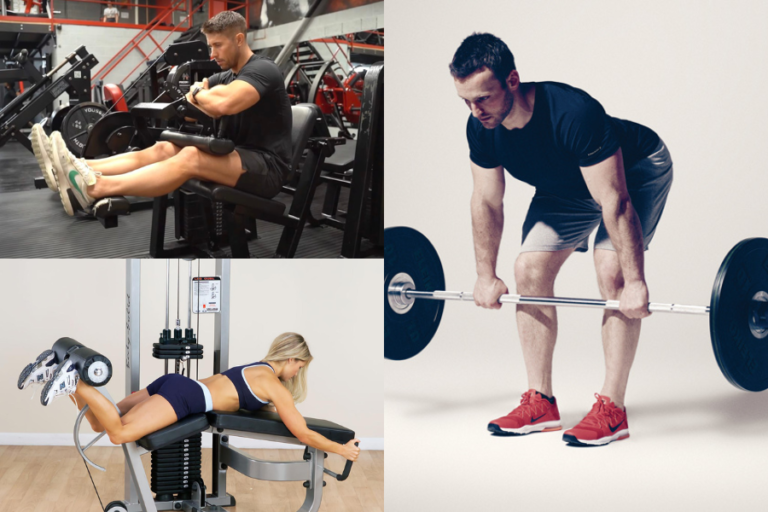
- Hamstrings
- Glutes
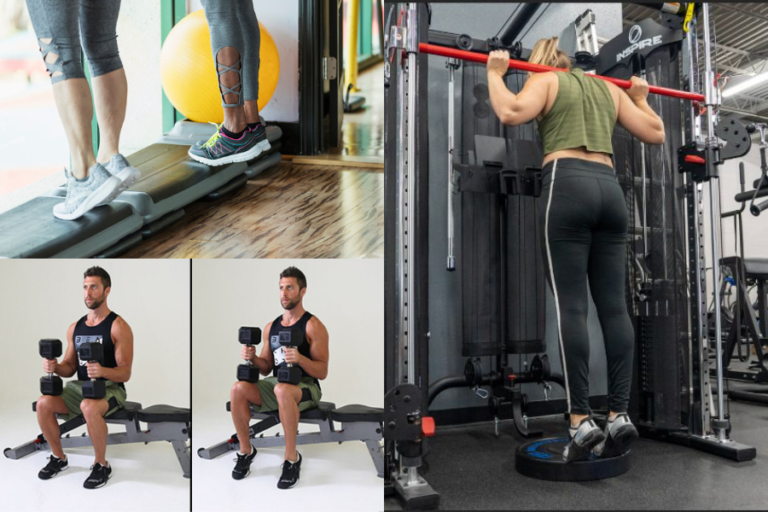
- Calves
Using compound movements like squats, lunges, kettlebell swings, and jump squats, you challenge many muscles at once. High intensity circuit style routines with external loads performed close to muscular failure have been shown to improve strength and lean body mass as effectively as traditional strength training, while taking less time per session, in trained women.
In practical terms, you can get stronger and add lean muscle in your legs without spending an hour on machines.
Improve muscular endurance
If you often get that “jelly legs” feeling after leg day, HIIT can help. Repeated bursts of work teach your leg muscles to perform at a high intensity even when they are tired. Over time, you build muscular stamina, which carries over to:
- Climbing stairs
- Hiking and walking longer distances
- Running or sprinting
- Everyday activities that demand strong, stable legs
Boost cardio and circulation
Lower body HIIT workouts raise your heart rate quickly, which improves cardiovascular fitness and enhances blood flow in your legs. That combination:
- Supports overall heart health
- Improves leg circulation
- Helps you feel less winded during daily tasks
A six week study comparing high intensity interval resistance exercise with moderate resistance training found that both improved muscular fitness and reduced body fat, but only the HIIT style group significantly lowered systolic blood pressure and LDL cholesterol. This points to unique cardiometabolic benefits when you train intensely in short bursts.
Support fat loss and body composition
HIIT is known for its calorie burn and “afterburn” effect. The intense intervals can elevate your metabolism so that you keep burning calories for up to 48 hours after you finish your workout. When you focus on legs with moves like squats, lunges, and jumps, you are working some of the largest muscles in your body, which further increases energy expenditure.
Multiple studies have found that high intensity interval style resistance workouts can reduce body fat and improve body composition in less time than traditional routines, even without strict diet changes, when sessions are taken close to muscular failure.
Who should and should not do HIIT leg workouts
HIIT is powerful, but it is not for everyone at every stage.
When you are ready for HIIT
You are likely ready to add a HIIT leg workout if you:
- Have been exercising consistently for at least several months
- Already include both cardio and resistance training in your week
- Can complete moderate workouts without unusual pain or breathlessness
- Recover well between sessions
Experts recommend that beginners build a base of regular cardio and strength training, about 5 days a week for at least 6 months, before layering in structured HIIT. Once you have that base, you can swap one normal cardio session with a HIIT session.
When to be cautious or skip HIIT
Talk with a healthcare professional or qualified trainer before doing a HIIT leg workout if you:
- Have heart related conditions
- Are recovering from lower body injuries
- Live with joint issues in your knees, hips, or ankles
- Are pregnant or postpartum and not cleared for high impact exercise
You can still train your legs, but you may need lower impact formats or longer rest intervals.
How often to do a HIIT leg workout
You do not need daily HIIT to see results. In fact, doing too much can backfire.
- Aim for 1 to 2 HIIT leg sessions per week
- Space them out by at least one full day of lower intensity training or rest
- Keep your total weekly HIIT time around 30 to 40 minutes at very high intensity, as suggested by HIIT programming research
On other days, you can:
- Lift weights at a moderate pace
- Go for steady walks or runs
- Take lower intensity classes
This mix gives your legs time to repair and get stronger.
Key safety tips before you start
A HIIT leg workout asks a lot from your muscles, joints, and heart. A few basic safeguards help you get the benefits while reducing risk.
Warm up thoroughly
Spend 5 to 10 minutes warming up to:
- Increase blood flow to your legs
- Raise your core temperature
- Prep your joints and muscles for impact
You can try:
- Brisk walking or easy cycling
- Leg swings front to back and side to side
- Bodyweight squats and reverse lunges
- Light glute bridges
Prioritize form over speed
Quality reps beat fast, sloppy ones. During each interval:
- Keep your knees tracking in line with your toes
- Brace your core to protect your lower back
- Land softly when jumping to reduce joint impact
- Stop or slow down if your form breaks
Using as much weight as you can handle with good technique, not just the heaviest weight possible, is central to safe progress.
Progress gradually
If you are newer to HIIT:
- Start with shorter work intervals, such as 20 to 30 seconds
- Use longer rests in between
- Choose bodyweight or light dumbbells first
- Add intensity only when you feel confident with the movements
You can increase intensity by:
- Extending interval length
- Shortening rest slightly
- Adding resistance with dumbbells or kettlebells
- Including more explosive moves like jump squats
A 30 minute HIIT leg workout to try
Below is a structured HIIT leg workout that targets all major lower body muscles while delivering a solid cardio challenge. It is built around eight exercises that you repeat for three rounds with increasing interval lengths, for just over 30 minutes including warm up and cool down.
Warm up, 5 minutes
Move through each for about 45 to 60 seconds:
- March or jog in place
- Hip circles and ankle rolls
- Bodyweight squats
- Alternating reverse lunges
- Light fast feet in place
Main workout format
You will perform:
- 8 exercises per round
- Round 1, 45 seconds work, 15 seconds rest
- Round 2, 60 seconds work, 20 seconds rest
- Round 3, 75 seconds work, 25 seconds rest
Rest 1 to 2 minutes between rounds. Adjust intervals shorter if you are new to HIIT.
The eight lower body HIIT exercises
- Bodyweight squats
- Feet about hip to shoulder width apart
- Sit your hips back as if lowering to a chair
- Keep your chest lifted and knees in line with your toes
- Plyometric lunges
- Start in a lunge position
- Explosively jump and switch legs in the air
- Land softly and immediately move into the next rep
- Option, step lunges without the jump if you need lower impact
- Kettlebell swings
- Hinge at your hips, not your lower back
- Drive the weight forward with your glutes, not your arms
- Keep your core braced and spine neutral
- Kettlebell Romanian deadlifts
- Soften your knees and push hips back
- Lower the weight along your legs until you feel a hamstring stretch
- Squeeze glutes to stand tall
- Fast feet
- Stand with knees slightly bent
- Run in place with quick, light steps
- Pump your arms to raise your heart rate
- Squat jumps
- Perform a bodyweight squat
- Explode upward into a jump, reaching hands overhead
- Land softly into your next squat
- Option, rise up on your toes instead of leaving the floor
- Pulse squats
- Drop into a squat and stay low
- Pulse up and down in a small range of motion
- Focus on constant tension in your quads and glutes
- Wall sit
- Slide down a wall until your knees are roughly at 90 degrees
- Press your lower back into the wall
- Hold and breathe steadily
Cool down and stretch, 5 minutes
Finish by easing your heart rate down and stretching your legs:
- Walk slowly in place for 1 to 2 minutes
- Hold each of these stretches for 20 to 30 seconds per side:
- Quad stretch, standing, pulling heel toward glutes
- Hamstring stretch, hinging at hips with straight leg
- Calf stretch against a wall
- Figure four glute stretch, seated or lying
A faster 15 minute HIIT leg workout
On days when you are short on time, you can still get a powerful HIIT leg workout in about 15 minutes. One example structure, described by trainer Keith Hodges in 2025, blends strength moves with jump squats to challenge your lower body and core.
Format
For each strength exercise:
- 60 seconds, as many good form reps as you can
- Immediately followed by 30 seconds of jump squats
- Then rest 60 seconds before the next strength move
This routine includes:
- Squats
- Forward lunges, left leg
- Forward lunges, right leg
- Deadlifts
- Sumo goblet squats
- Wall sits
- Sumo deadlifts
- Planks, focusing on core and hip stability
You will feel both leg strength and cardiovascular endurance challenged in a short window.
How HIIT leg workouts compare with traditional training
You might wonder whether a HIIT leg workout can really match traditional methods. Recent research suggests it can, and sometimes in less time.
| Approach | Session length (typical) | Focus | Key findings from research |
|---|---|---|---|
| Traditional strength training | 45 to 85 minutes | Heavier loads, longer rests | Builds strength and lean mass, reduces body fat |
| High intensity circuit training | 50 to 60 minutes | Near failure, minimal rest between moves | Similar strength and lean mass gains as traditional training in trained women when volume is matched |
| HIIT resistance exercise | Under 20 minutes | Very high intensity, few reps, short sets | Improved muscular fitness and body fat reduction, plus greater improvements in blood pressure and LDL in some adults |
In short, when properly structured and taken close to muscular failure, HIIT style routines can be a time efficient alternative to longer strength sessions, especially if you struggle to fit workouts into your week.
Practical tips to make HIIT leg days work for you
A HIIT leg workout is most effective when it fits your real life and your current fitness level.
Choose the right level
- If you are new to HIIT, start with bodyweight only
- Use step lunges instead of jump lunges
- Do squat reaches instead of full jump squats
- Extend your rest periods until your breathing feels under control
Use simple equipment
You do not need a full gym. Many HIIT leg workouts can be done with:
- Your body weight
- A single kettlebell or pair of dumbbells
- A sturdy chair or bench
- A clear wall for wall sits
Household items can often stand in, such as a backpack loaded with books for extra resistance.
Pay attention to recovery
High intensity work is stressful in a good way, but only if you recover. Help your body bounce back by:
- Sleeping 7 to 9 hours per night when possible
- Eating enough protein and overall calories to support muscle repair
- Taking at least one full rest or low intensity day between HIIT sessions
- Backing off intensity if you notice lingering fatigue, sore joints, or a drop in motivation
Putting it all together
If you want a stronger, leaner lower body without long gym sessions, a structured HIIT leg workout can be a practical solution. By pairing short, intense intervals with smart exercise selection and solid recovery habits, you build strength, endurance, and cardiovascular fitness in one efficient package.
Start with one HIIT leg day this week, keep your form sharp, and adjust the intervals so they feel challenging but doable. As your legs adapt, you can gradually increase intensity. Over time, you will notice everyday tasks feel easier and your workouts feel more powerful, all without spending extra hours on the treadmill.
About the Author










17 thoughts on “Unlock Your Potential with a Proven HIIT Leg Workout”
Comments are closed.