Understand what weight management products really are
If you have ever stood in front of a supplement shelf and felt overwhelmed, you are not alone. There are so many weight management products promising fast results that it can be hard to know what actually helps and what is mostly hype.
When you think of weight management products, it helps to divide them into three broad groups:
- Dietary supplements, like pills, powders, and teas sold over the counter
- Prescription weight loss medications, which you can only get through a healthcare provider
- Supportive nutrition products, such as protein or fiber supplements that complement your meals
Knowing which group a product belongs to makes it easier to understand how it fits into your overall health plan, and what it can realistically do for you.
Learn the limits of weight loss supplements
Dietary supplements that claim to burn fat, block carbs, or melt inches are easy to find. They are also easy to misunderstand.
According to Mayo Clinic, weight loss supplements often contain vitamins, minerals, fiber, caffeine, herbs, or other plant ingredients, but they are not medicines and are not meant to prevent, treat, or cure health conditions (Mayo Clinic). The U.S. Food and Drug Administration (FDA) does not review or approve these products for safety or effectiveness before they reach store shelves. The agency can step in only after a product is sold if it is found to be unsafe or misleading.
The American Medical Association notes that nonprescription weight loss supplements do not need to prove safety or purity before they are sold. Labels must list ingredients, but there is no requirement that a third party verify what is actually in each pill or powder (American Medical Association).
That lack of regulation has real consequences for you:
- Some supplements have contained hidden prescription drugs or illegal chemicals
- Products may not work as advertised, even if they look convincing
- Side effects can be serious, especially if you have other health conditions
Common supplement claims and what they mean
Many weight management products claim to:
- Block fat or carbohydrate absorption
- Speed up metabolism
- Suppress appetite
- Change body composition
In practice, research shows that dietary supplements rarely produce meaningful, long term weight loss. A 2025 article in the AMA Journal of Ethics points out that many supplement studies are small, short, and poorly designed. They often do not include proper control groups or double blinding, and they usually test only one or two ingredients while also requiring lifestyle changes, which makes it hard to credit any effect to the supplement alone (American Medical Association).
Mayo Clinic reaches a similar conclusion. There is little scientific evidence that dietary supplements provide safe, lasting weight loss and a balanced lifestyle of nutritious eating and regular movement works better than relying on pills (Mayo Clinic).
Safety concerns you should know about
Some ingredients have been clearly linked to harm. Ephedra, once common in weight loss supplements, was banned by the FDA after it was associated with high blood pressure, irregular heart rhythm, stroke, seizures, and heart attacks (Mayo Clinic).
The American Medical Association also warns that weight loss supplements can contain illegal adulterants like sibutramine and fenfluramine, along with laxatives and diuretics that force water loss rather than true fat loss (American Medical Association). High doses of stimulants such as caffeine can push you above 400 mg a day and may lead to insomnia and heart palpitations.
Before you add any supplement to your routine, it is wise to:
- Talk with your healthcare provider or pharmacist
- Check for interactions with medications you already take
- Be cautious of products that promise “rapid,” “effortless,” or “miracle” weight loss
Focus on evidence based prescription options
While most over the counter pills have limited proof, some prescription weight management products do have strong evidence behind them. These medications are not shortcuts, but they can support you when lifestyle changes alone are not enough.
The Cleveland Clinic reports that FDA approved weight loss medications can help many adults lose about 3 percent to 12 percent of their starting weight over one year when combined with healthy eating and activity (Cleveland Clinic). Some newer injectable drugs can lead to even larger average losses.
Main types of prescription weight loss medications
Current FDA approved options for adults include (Cleveland Clinic):
- Bupropion / naltrexone
- Liraglutide
- Orlistat
- Phentermine / topiramate
- Semaglutide
- Tirzepatide
They work in a few different ways, such as:
- Helping you feel full sooner and stay full longer
- Reducing appetite or food cravings
- Changing the way your body absorbs dietary fat
- Modifying how your body uses calories
Injectable medications like semaglutide and tirzepatide are taken once a week. They were first developed for blood sugar management and later adapted for weight loss. Semaglutide and tirzepatide increase satiety and slow stomach emptying. Tirzepatide targets two hormones, GLP 1 and GIP, for a stronger appetite effect. Common side effects include nausea, diarrhea, and vomiting (Cleveland Clinic).
The Obesity Medicine Association notes that GLP 1 receptor agonists such as semaglutide and liraglutide have become especially popular in the 2020s. Doses are slowly increased over 16 to 20 weeks to help limit side effects. Tirzepatide (brand name Zepbound) stands out as the most effective medication so far, with an average 22.5 percent body weight reduction at 72 weeks among adults with obesity or overweight but without diabetes. Semaglutide (Wegovy) led to around 14.9 percent average weight loss over a similar time frame (Obesity Medicine Association).
Oral forms of GLP 1 drugs are also in development. For example, oral semaglutide has shown around 15.1 percent average weight loss over 68 weeks in a Phase 3 trial, which may give you a needle free option in the future (Obesity Medicine Association).
Older medications that are still useful
Some of the longest used weight management products also remain common choices. Phentermine and the combination phentermine topiramate (Qsymia) can often lead to about 5 percent to 10 percent weight loss and are sometimes prescribed for long term use (Obesity Medicine Association).
GoodRx notes that Qsymia appears to be one of the most effective weight loss pills. About 70 percent of adults taking it in studies lost at least 5 percent of their starting weight after one year, and nearly half lost at least 10 percent. Because it is a controlled substance, it may not be suitable for you if you have a history of substance misuse. Contrave, a combination of naltrexone and bupropion, led more than 40 percent of adults in early studies to lose at least 5 percent of their weight after one year, and over 20 percent to lose at least 10 percent (GoodRx).
Both brand name and generic versions of several pills are available, with some generics costing much less. That can make prescription treatment more affordable if you do not have full insurance coverage (GoodRx).
Why medical supervision matters for you
All prescription weight management products have side effects. Depending on the medication, these may include:
- Gastrointestinal issues, such as nausea or diarrhea
- Increases in blood pressure or heart rate
- Sleep problems
- Rare but serious reactions
The Cleveland Clinic recommends that you only use these medications under medical supervision, with regular follow up visits to ensure the benefits still outweigh the risks for you (Cleveland Clinic). The Obesity Medicine Association also emphasizes that medications work best when paired with nutrition, movement, sleep, and stress management as part of a long term plan (Obesity Medicine Association).
If you and your clinician decide to stop a medication, it is common to see some weight regain over time. That is another reason to build strong daily habits that can support your progress.
Use supportive nutrition products wisely
Not every weight management product is meant to act directly on fat burning or appetite. Some products are designed to make a healthy lifestyle easier to follow. These usually work best as add ons rather than as the main strategy.
For instance, many people use:
- Protein supplements, such as shakes or powders
- Soluble fiber supplements
- Probiotic supplements
According to Forbes Health, adults in the United States spend roughly 2.1 billion dollars each year on weight loss supplements, which shows how common these products have become (Forbes Health). If you choose to use them, understanding what they really do helps you set realistic expectations.
Protein supplements to support fullness
Protein is one of the most helpful nutrients when you want to manage your weight. It helps you feel full, supports a healthy metabolism, and protects muscle while you lose fat. Experts cited by Forbes Health suggest a protein intake of 0.73 to 1 gram per pound of body weight. For a 150 pound person, that is about 110 to 150 grams of protein per day (Forbes Health).
If your daily meals do not reach that level, a protein shake or bar can fill the gap. You might use a scoop of powder after a workout or a ready to drink shake as a high protein snack.
Keep in mind:
- Protein products are most helpful when they replace lower protein, highly processed snacks
- Extra calories still matter, so a large shake plus your usual meals can slow your progress
- If you have kidney disease or other medical conditions, check your protein needs with your clinician first
Fiber supplements to improve satiety
Soluble fiber absorbs water and forms a gel like texture in your digestive system. That slows digestion, helps control blood sugar, and can keep you feeling fuller for longer. A 2017 review of clinical trials found that soluble fiber supplements helped adults with overweight or obesity reduce BMI by about 0.84 and lose an average of 5.5 pounds over 2 to 17 weeks (Forbes Health).
You can get more soluble fiber by:
- Adding a fiber powder to water or smoothies
- Choosing foods like oats, beans, lentils, and certain fruits
- Increasing your intake slowly and drinking plenty of fluids to reduce gas and bloating
Probiotics to support your gut
Your gut bacteria play a role in many metabolic processes, including how your body stores and uses energy. Several studies show that people with obesity often have fewer beneficial gut bacteria than those at a healthier weight.
Forbes Health reports that probiotic supplements, especially those that combine Bifidobacterium and Lactobacillus strains, have been effective in preventing weight gain and supporting weight loss in people with overweight or obesity, according to a 2024 systematic review (Forbes Health).
A probiotic supplement is not a stand alone weight loss tool, but it may:
- Support a healthier gut environment
- Reduce low grade inflammation
- Work together with a higher fiber, plant rich diet
If you decide to try probiotics, give them several weeks, and track changes in digestion, energy, and hunger, not just the scale.
Weigh the risks and benefits of “natural” supplements
You may feel drawn to “natural” weight management products, especially if you prefer to avoid prescriptions. Natural and safe are not the same thing, and “natural” ingredients can still interact with medications or create side effects.
Supplements often mentioned for weight loss include berberine, spirulina, medium chain triglycerides, and others. Some have early evidence for specific benefits, but most still need larger, longer studies.
Examples of popular natural ingredients
-
Berberine is a plant compound found in shrubs like Oregon grape and barberry. A meta analysis has shown berberine to be as effective as some oral glucose lowering drugs for maintaining healthy blood sugar levels, which is an important factor in weight management (holplus). Forbes Health notes that taking at least 1 gram of berberine per day for more than eight weeks has been linked to meaningful reductions in weight and BMI, especially in people with insulin resistance and type 2 diabetes, though more high quality research is needed (Forbes Health).
-
Spirulina is a nutrient dense blue green algae. A 12 week study found that spirulina supplementation reduced appetite, inflammation, and body fat while supporting a healthier inflammatory response and metabolism (holplus).
-
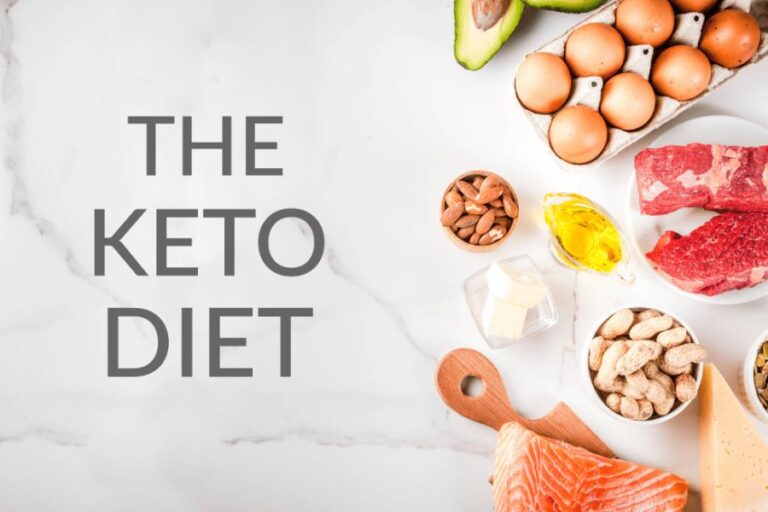
Medium chain triglycerides (MCTs) are fats that move quickly to your liver, where they are used as fuel and can encourage fat burning. MCTs are popular in ketogenic diets because they may help reduce appetite, boost energy, and prevent fat storage if your body does not need the extra calories right away (holplus).
-
Probiotic supplements, as mentioned earlier, support a healthy gut, which is essential for metabolic processes related to weight management (holplus).
Other ingredients like chitosan, chromium picolinate, and conjugated linoleic acid (CLA) have much weaker evidence. WebMD notes that:
- Chitosan does not have enough reliable evidence to support its effectiveness for weight loss and should be avoided if you are allergic to shellfish (WebMD)
- Chromium picolinate appears possibly ineffective for weight loss and may carry risks such as kidney damage at high doses (WebMD)
- CLA may be “possibly effective” for weight loss at doses of 1.8 to 6.8 grams per day, but it can increase insulin resistance and lower good cholesterol, which might raise your risk of type 2 diabetes and heart issues (WebMD)
How to evaluate a supplement for yourself
Before trying any new natural product, you can:
- Check whether it has large, well designed human studies behind it, not just animal data or small short trials.
- Look for possible side effects, especially if you have chronic health conditions.
- Confirm that it does not overlap or conflict with medications you already take.
- Choose brands that use third party testing for purity whenever possible.
Remember, even a promising supplement should be a small part of your plan, not the main strategy.
Prioritize lifestyle as the foundation
Whatever weight management products you choose, your daily habits still carry the most weight in your long term results. Most experts emphasize realistic, sustainable changes rather than extreme approaches.
The American Medical Association encourages clinicians to guide patients toward moderate, achievable weight loss goals, along with lifelong healthy lifestyle changes. This includes understanding energy balance, focusing on nourishing foods, and avoiding severe diets or unsafe supplements (American Medical Association).
In practice, that means you benefit most when you:
- Eat balanced meals with plenty of protein, fiber, and healthy fats
- Choose whole foods more often than highly processed ones
- Move your body regularly in ways you enjoy
- Get enough sleep and manage stress as best you can
- Build habits you can see yourself continuing for years
Prescription medications, supportive supplements, or both can make these habits easier to stick with, but they do not replace them.
Put it all together for your own plan
Weight management products can be confusing, but when you understand how each type works, you can use them to support your goals instead of derail them.
You might decide to:
- Skip over the counter “fat burner” pills that lack strong evidence
- Ask your healthcare provider whether a prescription medication fits your health history
- Use protein or fiber supplements to shore up your daily nutrition
- Try a reputable probiotic if you want to support gut health
- Consider options like berberine cautiously and with professional guidance
As you sort through choices, you can ask yourself a few simple questions:
- Does this product have solid research behind it, or just big promises?
- How will I use it alongside healthy eating, movement, and sleep?
- What is the exit plan, in case it does not work well for me?
When you keep your health at the center and use weight management products as tools, not magic fixes, you give yourself a better chance at steady progress that actually lasts.
About the Author