Understand diet and weight management basics
If you want to lose weight and improve your health, it helps to think of diet and weight management as a long-term project, not a quick fix. Your weight is shaped by:
- What you eat and drink
- How active you are
- How much you sleep and manage stress
- Your medical conditions and medications
According to the Centers for Disease Control and Prevention, you lose weight when you use more calories than you take in. Regular physical activity increases the number of calories your body uses, and when you pair that with eating fewer calories, you create a calorie deficit that leads to weight loss (CDC).
Most of your weight loss will come from changes in your eating habits, while physical activity plays a major role in keeping the weight off and protecting your overall health (CDC).
Set realistic, safe weight loss goals
Healthy diet and weight management starts with a goal that is both specific and realistic.
Aim for gradual, steady progress
Experts recommend losing about 0.5 to 2 pounds per week rather than trying to drop weight very quickly (Mayo Clinic). This slower rate is:
- Easier on your body
- More likely to stick long term
- Less likely to trigger intense hunger and regain
A good starting point is a modest goal like losing 5% of your current body weight. For example, if you weigh 200 pounds, a 10 pound loss can already improve blood pressure, cholesterol, and blood sugar levels and lower your risk of chronic diseases such as heart disease and type 2 diabetes (CDC).
Turn big goals into small habits
Instead of only focusing on the scale, set short term behavior goals. The CDC suggests goals like (CDC):
- Walking 15 minutes, 3 days per week
- Replacing sugary drinks with water at lunch
- Adding 1 serving of vegetables to dinner
These small steps are easier to start, easier to repeat, and they build confidence as you see yourself follow through.
Build a balanced, sustainable eating pattern
For long term diet and weight management, you need a way of eating that feels realistic for your everyday life. Crash diets that leave you hungry or cut out entire food groups usually backfire once you stop them (Mayo Clinic).
Focus on whole, minimally processed foods
Several eating patterns that support healthy weight and lower disease risk share the same core ideas. These include the Mediterranean, DASH, MIND, and Nordic diets, which all emphasize plant based, natural foods and limited sugar and salt (Harvard Health Publishing).
Try to make most of your meals from:
- Vegetables and fruits
- Whole grains like oats, brown rice, quinoa
- Beans and lentils
- Nuts and seeds
- Lean proteins like fish, poultry, tofu, or eggs
- Healthy fats such as olive oil and avocado
The Mayo Clinic Healthy Weight Pyramid even encourages you to eat generous amounts of fruits and vegetables, since they are low in calories and high in volume and fiber, which help you feel full on fewer calories (Mayo Clinic).
Create a manageable calorie deficit
To lose weight, you need to eat fewer calories than you burn, but you do not need to count every bite if that stresses you out. A practical way to reduce calories is to:
- Shrink your portions slightly, especially of higher calorie foods
- Limit sugary drinks, alcohol, sweets, and fast food
- Swap some refined grains for whole grains
- Fill half your plate with vegetables or salad
Nutritionally balanced hypocaloric diets often aim for reducing about 500 to 1,000 calories per day, which is typically enough to lose around 1 to 2 pounds per week while still meeting your nutrient needs (NCBI Bookshelf).
Consider structured programs carefully
Some people do better with a clear framework such as:
- The Mayo Clinic Diet, a lifestyle program built around sustainable habits, more fruits and vegetables, and daily activity. It begins with a two week phase where you might lose 6 to 10 pounds, then shifts to a phase where you lose about 1 to 2 pounds per week until you reach your goal (Mayo Clinic).
- Meal replacement plans, which may replace one or two meals per day with shakes or bars plus a balanced meal and snacks. These programs have shown significant early weight loss and, in some studies, maintenance of meaningful weight loss for 2 to 5 years, along with improvements in blood pressure, blood sugar, and cholesterol levels (NCBI Bookshelf).
Structured plans are not a requirement, but if you like clear rules and less decision fatigue, they can be useful tools. Always check with your healthcare professional before starting a program, especially if you have health conditions or take medications (Mayo Clinic).
Use physical activity to support weight and health
Exercise is a powerful partner to a healthy diet. On its own, exercise often leads to only modest weight loss, but it plays a key role in keeping weight off and improving your health markers (Diabetes Spectrum).
Follow minimum activity guidelines, then build up
For general health and basic weight management, adults are advised to get at least (CDC):
- 150 minutes per week of moderate intensity activity such as brisk walking or
- 75 minutes per week of vigorous activity such as running
- Plus, muscle strengthening activities on 2 or more days per week
To lose weight and keep it off, you often need more activity unless you also cut calories. Some research suggests around 60 minutes per day of exercise may be needed for clinically meaningful weight loss through exercise alone (Diabetes Spectrum).
Choose activities that fit your life
Different activities burn different amounts of calories for a person around 154 pounds. For example (CDC):
- Hiking, about 370 calories per hour (moderate)
- Swimming laps, about 510 calories per hour (vigorous)
- Running, about 590 calories per hour (vigorous)
You do not need to pick the highest calorie burner. You are more likely to stick with activities you actually enjoy, such as:
- Brisk walking around your neighborhood
- Dancing in your living room
- Cycling, indoors or outdoors
- Water aerobics
- Strength training with dumbbells or body weight
Walking in particular is powerful. One study found that walking 5 or more times per week was strongly associated with a higher likelihood of weight loss, and regular exercise also tended to improve diet quality, including higher intake of vegetables and legumes (PMC – NCBI).
Include both cardio and strength training
Aerobic exercise like walking or running is especially effective for reducing fat mass and body weight. In one 8 month study, aerobic training produced more fat loss than resistance training alone, and adding resistance training did not produce additional total weight loss, although it adds other benefits like strength and function (Diabetes Spectrum).
For your overall health and weight management, aim to:
- Do aerobic activity most days of the week
- Strength train at least 2 days per week to protect your muscles as you lose weight
Plan ahead to overcome common barriers
You might know what you are supposed to do, yet real life often gets in the way. Research has found that common barriers to weight loss include low motivation, physical discomfort, time pressure, limited healthy options, emotional eating, and feeling deprived (PMC – NCBI).
Tackle time and convenience
Lack of time is one of the biggest reasons you may struggle with diet changes. MD Anderson nutrition experts suggest you schedule time for:
- Planning meals for the week
- Making a simple grocery list
- Prepping a few basics such as washed vegetables, cooked grains, or grilled chicken (MD Anderson)
Even 20 to 30 minutes once or twice a week can save you from last minute fast food runs.
Avoid all or nothing thinking
If you slip up, it can be tempting to think you have failed and give up for the day or the week. MD Anderson dietitians recommend focusing on progress instead of perfection. Small, gradual changes are more manageable than trying to overhaul everything at once, and they fit more smoothly into your life (MD Anderson).
A better mindset might be:
- “One less sugary drink today is still a win.”
- “I had a big dessert, so I will add an extra walk, not throw out the whole plan.”
Reduce feelings of deprivation
Feeling like you can “never” have your favorite foods often leads to rebound eating. MD Anderson experts suggest learning to balance favorites with nutritious options so you can enjoy them in moderation while still moving toward a healthy weight and lower disease risk (MD Anderson).
You might:
- Keep portions of rich foods small and savor them slowly
- Pair higher calorie foods with vegetables or salad
- Plan treats intentionally, instead of eating them impulsively
Use support and accountability
You do not have to manage diet and weight management on your own. Social and professional support can make a big difference.
Lean on your social network
Studies show that successful weight loss is often motivated and supported by:
- Family and friends who encourage your goals
- Peers who share similar challenges
- Emotional encouragement and practical help such as cooking together or walking together (PMC – NCBI)
The National Weight Control Registry, which tracks people who have lost a substantial amount of weight and kept it off, found that 90% of participants used exercise for maintenance and expended an average of 383 calories per day through physical activity (Diabetes Spectrum). Many of these people also rely on ongoing support and accountability.
Work with professionals when needed
The CDC and Mayo Clinic both recommend talking with your healthcare professional before starting a weight loss program, particularly if you have health conditions or take medications (CDC, Mayo Clinic).
Depending on your situation, your care team might include:
- A primary care provider to review medical issues and medications
- A registered dietitian for personalized, evidence based nutrition guidance and ongoing support (MD Anderson)
- A behavior or mental health specialist to help with emotional eating, stress, or low motivation
- In some cases, specialists who can discuss prescription weight loss medications or bariatric surgery, if appropriate (CDC)
Monitor your progress and adjust
Tracking your actions and results helps you notice what is working and where you might need to adjust.
Keep simple records
Behavioral weight management programs often use tools like food logs and activity trackers. Self monitoring increases awareness and supports better choices in the short term, and extended treatment or support can improve long term outcomes (NCBI Bookshelf).
You could:
- Weigh yourself once a week at the same time of day
- Jot down what you eat and drink for a few days at a time
- Use a step counter or fitness app to track activity
- Note your sleep and stress levels
This is not about judging yourself. It is about seeing patterns, like late night snacking or long stretches without movement, so you can make thoughtful changes.
Celebrate non scale wins
Weight is only one measure of progress. The CDC encourages rewarding yourself for non food successes and positive habits, such as (CDC):
- Walking consistently for a month
- Cooking most of your meals at home for a week
- Choosing water instead of sugary drinks most days
You might treat yourself with:
- A relaxing bath or massage
- A new book or plant
- A fun outing with friends
These small rewards reinforce the idea that your new habits are worth keeping.
Consider special approaches with care
You might hear a lot about specific diets or patterns such as intermittent fasting or the ketogenic diet. These can be tools in your diet and weight management toolkit, but they are not magic solutions.
Intermittent fasting
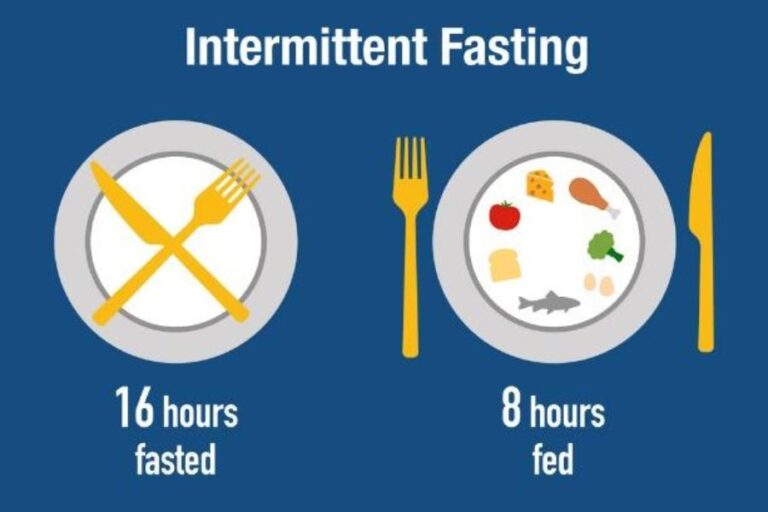
Intermittent fasting involves cycling between periods of eating and fasting. It can help some people reduce calorie intake and improve metabolic markers, but it has not been shown to be more effective than a traditional calorie restricted approach overall. It can also be hard to fit into social life or work schedules for many people (Harvard Health Publishing).
If you are curious about fasting, talk with your healthcare provider first, especially if you have diabetes, take medications, or have a history of disordered eating.
Ketogenic (keto) diet
The keto diet is very high in fat and very low in carbohydrates. It can jump start weight loss and improve blood sugar in the short term, but it is difficult to maintain and there is limited evidence that it works well as a long term weight management strategy (Harvard Health Publishing).
If you try keto, make sure your version is as balanced as possible, with plenty of non starchy vegetables and healthy fats, and check in with your healthcare professional about your labs and overall health.
Bring it all together for long term success
Lasting diet and weight management is not about one perfect diet or a single intense workout plan. It is about building a lifestyle that supports a healthy weight and a healthy body, one realistic habit at a time.
To recap, you will set yourself up for success if you:
- Aim for gradual loss of about 0.5 to 2 pounds per week
- Build meals around fruits, vegetables, whole grains, lean protein, and healthy fats
- Create a modest calorie deficit without extreme restriction
- Move your body most days, especially with walking or other enjoyable aerobic activity, plus strength training
- Plan ahead for meals and snacks so time and stress do not derail you
- Let go of all or nothing thinking and allow room for your favorite foods
- Lean on social support and professionals for guidance and accountability
- Track your habits and celebrate small wins, not just the number on the scale
You do not need to change everything at once. Choose one small step today, such as adding a 10 minute walk after dinner or including one extra serving of vegetables at lunch. Build from there, and let your new habits quietly reshape your health over time.
About the Author