Understand what tricep recovery really is
After intense tricep workouts, your muscles are not just “tired.” Tricep recovery is the process where your body repairs microscopic tears in the muscle fibers, restores energy stores, and calms inflammation so you can come back stronger next session.
When you recover well, you:
- Reduce delayed onset muscle soreness (DOMS)
- Protect your tendons and joints
- Improve strength and performance over time
If you regularly train heavy presses, dips, or overhead work, prioritizing tricep recovery keeps you lifting longer and with less risk of injury.
Recognize when your triceps need a break
You expect some soreness after a good workout. The key is knowing when your triceps are simply adapting, and when they are asking you to slow down.
Normal post workout fatigue
It is usually normal if you notice:
- Mild to moderate soreness 24 to 48 hours after training
- A “tight” or heavy feeling that improves with gentle movement
- Slight performance drops for a day or two, followed by a rebound
Gentle stretching, light activity, and good nutrition often ease this type of soreness. Experts note that triceps stretches can increase blood flow, relax the muscle, and calm the nervous system, which may provide temporary relief for DOMS.
Warning signs you are overdoing it
Pay closer attention and back off if you feel:
- Sharp or sudden pain during tricep exercises
- Swelling, bruising, or warmth around the back of your arm or near the elbow
- Ongoing weakness or inability to extend your arm fully
- Pain that does not improve with rest and basic care
Triceps injuries involve damage to the tendon that connects the muscle to your shoulder blade or elbow. If this damage is ignored, a minor issue can progress from irritation to a partial or even complete tear, which can cause major weakness and disability.
If home care is not improving things or the pain is significant, it is important to see a healthcare professional for a proper exam. Diagnosis often includes range of motion and strength testing and may be supported by imaging like X ray, ultrasound, or MRI.
Time your stretches for better recovery
Stretching your triceps can support recovery when you use the right type of stretch at the right time.
Before your workout: dynamic stretches
Triceps stretching is not only for cooldowns. Dynamic stretches before lifting help warm the muscle and nervous system so you move more freely and reduce your risk of injury.
Before your session, try:
- Arm circles with a slight bend in the elbow
- Gentle overhead reaches with alternating arms
- Light band pull downs with a full but controlled range
Fitness professionals recommend dynamic, moving stretches as part of a warmup, instead of long static holds, so your muscles stay responsive and ready for load.
After your workout: static stretches
Once you finish your heavy sets, shift to slower, longer holds. Static triceps stretches help:
- Prevent muscle shortening
- Relieve tension on ligaments, tendons, and fascia
- Increase flexibility at the shoulder and elbow
For example:
- Raise one arm overhead and bend the elbow so your hand reaches down your upper back.
- Use your other hand to gently press on the elbow until you feel a stretch along the back of your upper arm.
- Hold for 20 to 30 seconds, then switch sides.
According to 2024 guidance from Healthline, longer static holds are best used after your workout to support recovery and muscle relaxation.
When to skip stretching
There are times when stretching your triceps is not helpful and may be harmful. You should avoid stretching if:
- You have severe pain in your upper arm or elbow
- You recently injured your triceps or suspect a tear
- Stretching causes sharp, worsening pain
If it hurts, stop. Healthline advises consulting a doctor or fitness expert before starting triceps stretches if you have injuries or health concerns, so you can follow a safe, tailored plan.
Warm up smart before tricep training
Good tricep recovery actually starts before your first working set. A proper warmup helps you:
- Increase blood flow to your arms
- Prepare your joints and connective tissue
- Reduce the chance of strains or tendon irritation
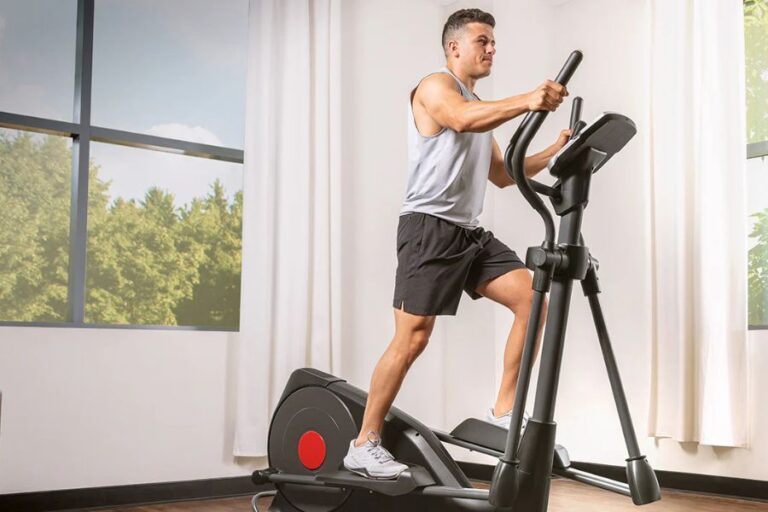
Healthline recommends 5 to 10 minutes of gentle cardio, such as:
- Brisk walking
- Easy cycling
- Light jumping jacks
After this, move into your dynamic stretches and a few light warmup sets of your tricep movements. This preparation sets you up for a more effective workout and smoother recovery in the days that follow.
Refine your workout structure to reduce fatigue
If your triceps feel “fried” after the first couple of exercises and you cannot progress on anything that comes later, it may be a programming issue, not a permanent strength limit.
Why your triceps wear out so fast
A fitness enthusiast in 2024 reported that after 2 to 3 months of serious training, their triceps completely fatigued after just two exercises. Even though they increased their dumbbell bench press from 50 to 65 pounds and tricep press from 40 to 50 pounds, they made no progress on other tricep moves like pulldowns and skullcrushers because they were too tired.
This early fatigue can limit your gains, since you cannot apply enough quality volume to the rest of your workout.
Simple changes to protect your triceps
To support better tricep recovery between sets and across your session, you can:
-
Reduce total tricep isolation work
Focus on 1 or 2 key isolation exercises instead of 3 or 4 in the same workout. -
Alternate heavy and lighter days
Use heavier loads one session, then a lower weight, higher rep focus the next time you train triceps. -
Spread tricep volume through the week
Instead of hammering your triceps in a single long session, split your pressing and direct tricep work across 2 or more days. -
Order exercises strategically
If a lift is a priority, such as skullcrushers or pulldowns, place it near the start of your session when you are fresher.
Managing fatigue this way gives your triceps a better chance to recover between bouts so you can keep progressing.
Support recovery with smart nutrition
What you eat after training directly affects how well your triceps repair and grow.
Get enough daily protein
Research summarized by the International Society of Sports Nutrition suggests that consuming roughly 1.4 to 2.0 grams of protein per kilogram of body weight per day helps support muscle repair and recovery. Specific findings highlight around 1.6 grams per kilogram as a useful target for many people.
Protein provides the amino acids your body uses to mend damaged muscle fibers. For tricep recovery, aim for:
- A total daily intake in that recommended range if you exercise regularly
- 20 to 40 grams of high quality protein within about 2 hours post workout
Combine protein and carbohydrates
Carbohydrates help replenish glycogen, the stored form of carbohydrate your muscles burn during intense sets. When you eat carbs with protein after your workout, insulin rises and helps shuttle both glucose and amino acids into your muscle cells, which supports faster replenishment and repair.
Post workout, consider pairing:
- Grilled chicken with rice
- Yogurt with fruit and granola
- Eggs with whole grain toast or potatoes
Choose foods that support healing
Several foods highlighted in 2024 nutrition guidance can be especially helpful for tricep recovery:
-
Fatty fish
Salmon and mackerel offer high quality protein and omega 3 fats. Some research suggests omega 3s may help reduce DOMS, although findings are mixed. Many health organizations recommend eating fatty fish 2 to 3 times per week. -
Dairy products
Milk, yogurt, and cottage cheese provide a mix of protein and carbohydrates. Some studies show that milk can reduce exercise induced muscle damage and support better recovery. -
Whole eggs
A 2022 study found that consuming 5 eggs after exercise increased muscle protein synthesis within 5 hours. Whole eggs give you not only protein but also vitamins, minerals, and fats that support repair. -
Starchy vegetables
Foods like potatoes and sweet potatoes help refill glycogen stores, which is especially important after high intensity or higher volume sessions. -
Anti inflammatory foods
Fruits, vegetables, whole grains, and foods rich in antioxidants and omega 3s can help reduce inflammation and neutralize free radicals generated during intense exercise. This may lessen muscle and joint discomfort and speed recovery.
On the other hand, try to limit foods that promote inflammation, such as sugary snacks, excessive alcohol, and fried foods. These can increase stiffness and slow down your progress.
Hydrate to protect performance and repair
Fluid loss does not just make you feel thirsty. Dehydration can impair muscle repair and make it harder for your triceps to recover well between workouts.
Guidance in 2024 suggests drinking about 1.5 liters of fluid for every kilogram of body weight lost during exercise. This is roughly 3 cups of fluid for every pound lost.
To stay ahead of dehydration:
- Drink water regularly throughout the day, not just during your workout
- Include fluids with electrolytes if you sweat heavily or train in heat
- Check your urine color, pale yellow usually indicates good hydration
Well hydrated muscles can transport nutrients and remove waste products more efficiently, which supports smoother recovery.
Use stretching, massage, and bands wisely
Beyond nutrition and programming, there are simple tools you can use to help your triceps feel better and move better.
Gentle stretching for flexibility and comfort
Regular triceps stretching helps:
- Lengthen tight upper arm muscles
- Increase range of motion for overhead and pressing movements
- Ease tension in surrounding tissues like tendons and fascia
These benefits can make exercises such as overhead throws or dumbbell presses feel more comfortable and sustainable. Experts note that people who especially benefit from triceps stretches include:
- Anyone needing greater shoulder mobility
- People recovering from arm pain conditions like tennis or golfer’s arm
- Lifters who want to reduce post workout arm soreness
Massage for soreness relief
Massage after a workout can have a small but meaningful effect on DOMS and flexibility. A 2020 study found that post exercise massage slightly reduced muscle soreness and improved flexibility.
You do not need a full spa session every time. Instead, try:
- Light self massage along the back of your upper arm
- Using a massage ball or foam roller against a wall
- Short sessions, staying within a comfortable pressure level
The goal is to boost circulation and ease tension, not to “dig out” knots aggressively.
Resistance bands for tricep rehab
If you are coming back from a triceps injury, stretching and strengthening with resistance bands can be especially useful. They allow you to:
- Work through a controlled range of motion
- Adjust resistance by moving closer or farther from the attachment point
- Gradually rebuild strength and flexibility without heavy loads
Once your pain has settled and a professional clears you for exercise, start with light band movements and slowly increase intensity as tolerated.
Respect injuries and recovery time
You might be tempted to push through pain, but that can turn a small problem into a long term setback.
When rest is your best tool
For many minor triceps injuries, conservative care works well. Resting the muscle long enough for symptoms to calm is critical. Most of these issues improve on their own if you:
- Pause heavy tricep loading
- Avoid motions that clearly aggravate the pain
- Use basic care strategies recommended by your healthcare provider
Trying to train hard through pain can increase damage and slow healing.
Add gentle movement at the right time
Once pain starts to decrease, gentle exercises become important so your triceps do not stiffen up. At this stage, you can:
- Begin with light range of motion drills
- Add easy stretching as long as it does not trigger sharp pain
- Progress to low resistance band work before returning to heavier weights
A compression strap can sometimes help manage discomfort during activities that still bother the area, but it should not be a substitute for rest and proper rehab.
If pain remains significant or your symptoms do not improve with rest and simple home treatment, it is time to see a doctor. Serious triceps tendon ruptures that detach the tendon from the bone often require surgical repair to restore full arm function. Early evaluation improves your chances of a better outcome.
Build a simple tricep recovery routine
To put everything together, you can create a short, repeatable routine that fits around your tricep workouts.
On training days
Before your workout:
- Do 5 to 10 minutes of light cardio.
- Perform dynamic arm and shoulder movements.
- Start with lighter warmup sets of your main exercises.
After your workout:
- Take 5 to 10 minutes for static tricep and shoulder stretches.
- Have a meal or snack with 20 to 40 grams of protein plus carbohydrates within about 2 hours.
- Drink enough water to replace lost fluids.
- Use brief, gentle self massage if your triceps feel tight.
On rest or lighter days
- Focus on overall daily protein, carbohydrates, and anti inflammatory foods.
- Stay hydrated and prioritize good sleep, especially if your training is intense.
- Include easy mobility or band work if recommended, without pushing into pain.
By combining smart programming, targeted stretching, supportive nutrition, and attentive rest, you give your triceps the best chance to recover fully. Over time, you are likely to notice less lingering soreness, better performance in your lifts, and a stronger, more resilient upper body.
About the Author