See the mind–body link differently
The mental health and physical health connection is not just a wellness buzz phrase. Your thoughts, emotions, and daily habits affect your body, and your body feeds back into how you feel and think.
Nearly one in three people who live with a long‑term physical condition also experience a mental health problem, usually depression or anxiety (Mental Health Foundation). In the other direction, mental health challenges make you more likely to develop preventable physical illnesses like heart disease (Mental Health Foundation).
Understanding this two‑way relationship helps you spot early warning signs and make small, practical changes that support both your body and your mind.
Understand how mental and physical health interact
Your mental and physical health are part of the same system. When you ignore one, the other usually suffers.
How mental health affects your body
When you feel stressed, anxious, or low for long stretches, your body often shows it. Mental health problems commonly show up as physical symptoms such as:
- Headaches or migraines
- Constant fatigue or low energy
- Upset stomach, nausea, or digestive issues
- Muscle tension and restlessness
- Trouble sleeping or staying asleep
- Difficulty concentrating (Mental Health Foundation)
Depression has also been linked to chronic illnesses including diabetes, asthma, cancer, cardiovascular disease, and arthritis (WebMD).
Scientists think this is partly because long‑term stress and low mood can:
- Increase inflammation in your body
- Disrupt your hormones and stress response systems
- Lead to habits like smoking or inactivity that strain your heart and metabolism
(Frontiers in Psychology)
Over time, this combination can make physical health conditions more likely and existing ones harder to manage.
How physical health shapes your mood
The relationship runs both ways. Living with a long‑term physical condition can put a strain on your mental health.
About one in three people with a serious medical condition experiences symptoms of depression (WebMD). Chronic physical diseases like cardiovascular disease, diabetes, arthritis, asthma, and osteoporosis are often complicated by anxiety, psychological distress, or sleep problems (Frontiers in Psychology).
This can happen for several reasons:
- Pain and fatigue make daily tasks harder and more frustrating
- You may need to change your job, hobbies, or social life
- Ongoing treatment and appointments can be stressful and time‑consuming
- Worry about the future or your independence can fuel anxiety
The more severe your physical condition, the more likely you are to notice emotional strain or mood changes (Frontiers in Psychology).
Why you should not treat them separately
For a long time, mental health care and physical health care have been treated as if they were separate worlds. People with severe mental disorders, for example, die 10 to 25 years earlier than the general population, often because their physical illnesses are missed or not treated well (PMC).
International organizations like the World Health Organization and the World Psychiatric Association are now pushing for more joined‑up care so that mental and physical health are considered together in treatment plans (PMC).
For you, this means it is worth mentioning your mood when you see a doctor and talking about your body when you speak with a therapist or counselor. You are not being “dramatic”. You are giving them the full picture.
Spot signs the mind–body connection needs attention
You might already be feeling the mental health and physical health connection without naming it. Noticing patterns is the first step toward change.
Physical clues that your mental health needs care
Pay attention if you notice any of these, especially if they stick around or have no clear medical cause:
- Ongoing headaches or stomach aches
- New or worsening insomnia
- Feeling tired no matter how much you sleep
- Muscle tightness, clenched jaw, or racing heart
- Being sick more often than usual
- Unexplained changes in appetite or weight
Mental health challenges can also shape your habits. You might:
- Move less and sit more
- Smoke or vape more, or drink more alcohol
- Skip meals or rely heavily on comfort foods
People with mental health conditions are more likely to smoke, in part because nicotine briefly boosts dopamine and can ease depression symptoms, which then reinforces addiction (WebMD).
Emotional clues that your body is under strain
Physical health problems often show up in your emotional life. Warning signs include:
- Feeling unusually irritable or on edge
- Losing interest in activities you usually enjoy
- Worrying about your health most of the day
- Feeling hopeless or thinking “what is the point”
- Pulling away from friends or social situations
- Struggling with memory, focus, or decision‑making
Cognitive and emotional changes such as worse concentration and stronger pain responses have been seen across many chronic physical conditions (Frontiers in Psychology).
If you have a medical diagnosis already, any shift in mood, energy, or sleep is worth mentioning to your healthcare team.
Use movement to support body and mind
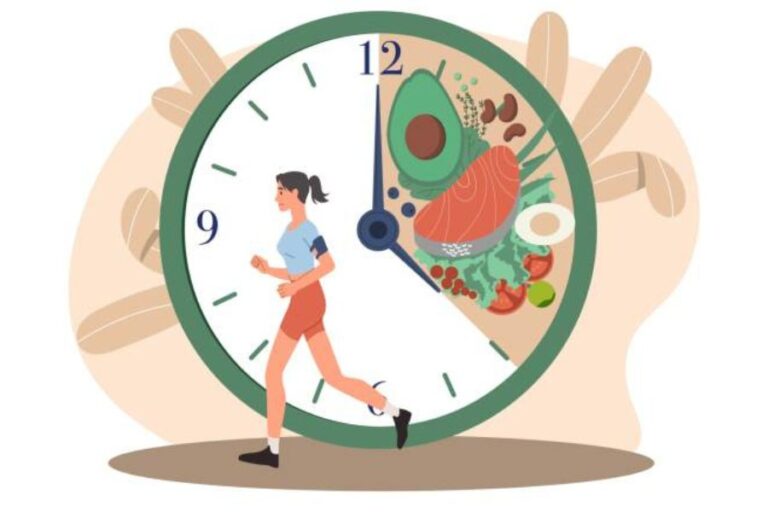
You do not need a hardcore gym routine to benefit from the mental health and physical health connection. Even gentle physical activity can help both your mood and your long‑term health.
Why exercise is so powerful for mood
Physical activity helps your brain as much as your muscles. Research shows that exercise:
- Releases endorphins, which boost mood and reduce pain
- Reduces brain inflammation and supports new neural growth
- Adjusts brain activity in ways that promote calm and resilience
(HelpGuide)
For depression and anxiety, exercise and physical activity can ease symptoms and may help prevent them from coming back once you are feeling better (Mayo Clinic).
Some studies report that physical exercise can be as effective as control treatments and even comparable to traditional antidepressants in reducing depression symptoms, although the exact best type and amount are not yet clear (Cureus).
How much activity actually helps
The U.S. Department of Health and Human Services suggests that adults aim for at least:
- 150 minutes of moderate aerobic activity per week, such as brisk walking, or
- 75 minutes of vigorous activity per week, such as running
These targets support both mental and physical health (Mayo Clinic).
If that sounds like a lot, start smaller:
- Try 10 minutes of brisk walking, a few times a day
- Rake leaves, vacuum, or do some light gardening
- Put on music and stretch or dance for one song
Even short bursts, like 10 minutes of brisk walking, can improve mental alertness, energy, and mood (Mental Health Foundation).
Movement that fits your life
Choose activities that feel realistic and kind to your body. Ideas include:
- Walking with a friend or a podcast
- Gentle yoga or tai chi at home
- Swimming or water aerobics if your joints are sore
- Cycling short distances instead of driving
- Taking the stairs when you can
Exercise can help with sleep quality and duration too, especially in adults living with mental health conditions, by increasing beneficial stages like REM sleep (Cureus).
If you already exercise intensely for sports or fitness, remember that rest days, stretching, and recovery are also part of caring for your mental and physical health.
Support your brain with food and sleep
What and how you eat and sleep feeds directly into how you feel, think, and cope.
Eat in ways that support your mood
Your brain relies on a steady supply of nutrients and water to function well. A balanced diet that includes:
- Proteins
- Essential fats
- Complex carbohydrates
- Vitamins and minerals
- Plenty of water
can influence the development, management, and even prevention of some mental health conditions, including depression and dementia (Mental Health Foundation).
You do not need a perfect diet. Focus on patterns over time:
- Add fruits or vegetables to one extra meal each day
- Choose whole grains more often than refined ones
- Include a source of protein with each meal or snack
- Drink water regularly through the day
Small, sustainable changes add up and support both your physical health and your emotional resilience.
Give your body better sleep
Mental health conditions and sleep problems go hand in hand. Between 50% and 80% of people with mental health conditions have a sleep disorder such as insomnia or sleep apnea, compared with 10% to 18% in the general population (WebMD).
Regular physical activity can improve sleep quality, make it easier to fall asleep, and increase the amount of time you spend in deeper, restorative sleep stages (Cureus).
To support your sleep:
- Keep a regular bedtime and wake time, even on weekends
- Dim screens and bright lights at least 30 to 60 minutes before bed
- Avoid heavy meals or intense exercise close to bedtime
- Use a simple wind‑down routine, such as reading or stretching
If sleep problems are persistent or severe, talk with a healthcare professional. Addressing sleep often improves both physical symptoms and mood.
Use stress, mindfulness, and therapy together
You cannot remove stress completely, but you can change how your body and mind respond to it.
Calm your stress response
Physical activity helps regulate your stress system. It improves how your hypothalamus‑pituitary‑adrenal (HPA) axis functions and can lower cortisol levels, which supports mood and reduces stress hormones that affect your body (Cureus).
Other tools that can help include:
- Slow breathing exercises
- Short relaxation practices during the day
- Time in nature or green spaces
- Setting firmer boundaries around work or social demands
These are not luxuries. They are ways of reducing the load on your heart, immune system, and nervous system.
Try yoga and meditation with care
Yoga and meditation can be effective additions to treatment for certain mental health conditions. They may:
- Reduce negative symptoms and cravings in some conditions
- Support cognitive function
- Activate your body’s relaxation response
(Cureus)
Yoga, in particular, combines gentle movement, breathing, and mindfulness, which can reinforce the mental health and physical health connection in a single practice.
However, meditation is not risk‑free for everyone. For some people, particularly those with psychosis, certain types of meditation might worsen symptoms, and research on potential adverse effects is still limited (Cureus).
If you live with a serious mental health condition, talk with a clinician about which practices are safest and most appropriate for you.
See therapy as part of physical care
Psychological factors such as personality traits, stress, depression, and difficulty identifying emotions can influence how chronic illnesses begin, progress, and respond to treatment (Frontiers in Psychology).
Therapy can:
- Help you handle the emotional side of living with physical illness
- Improve how consistently you follow medication and treatment plans
- Reduce behaviors that harm your physical health, like smoking or inactivity
In cancer care, patients who use more adaptive coping strategies tend to have better quality of life, stick with treatment more reliably, and may even have higher survival rates (Frontiers in Psychology).
If you feel guilty seeking therapy “just” because of stress or illness, remember that taking care of your mind is also taking care of your body.
Work with healthcare professionals as a team
You do not have to manage the mind–body connection alone. In fact, you will often get better results when professionals work together.
Be honest about all your symptoms
When you visit a doctor, it can be tempting to focus only on physical complaints, or only on mood in a mental health appointment. Try to share a fuller picture:
- Mention any ongoing sadness, anxiety, or stress when you see your primary care provider
- Tell your therapist or psychiatrist about new physical diagnoses, medications, or symptoms
- Bring up sleep quality and lifestyle habits in both settings
This helps your providers notice patterns and adjust care so that your mental and physical treatments support each other.
Ask about integrated care options
Research supports multidisciplinary approaches that combine medical treatment with psychological care, group support, and education. These models have shown promise for improving quality of life in people with chronic physical diseases (Frontiers in Psychology).
Depending on where you live, you could ask your healthcare team about:
- Referrals to counseling or therapy connected with your medical clinic
- Group programs for managing conditions like diabetes, heart disease, or chronic pain
- Mindfulness‑based groups or psycho‑education classes
- Peer support programs for people with similar diagnoses
If integrated services are not available, pairing a trusted primary care provider with a separate therapist or counselor still gives you a simple form of team‑based care.
Know when to seek extra help
Self‑care has limits. Get urgent support if you notice:
- Thoughts of harming yourself or others
- Sudden, intense changes in mood, behavior, or thinking
- Chest pain, shortness of breath, or other emergency physical symptoms
If your depression or anxiety makes it hard to work, care for yourself, or maintain relationships, reach out to a professional. Exercise and lifestyle changes should complement therapy or medication in these situations, not replace them (Mayo Clinic).
Take small steps that help both
You do not need to overhaul your life to respect the mental health and physical health connection. One or two small, consistent changes can start to shift how you feel.
You might pick one of these to try this week:
- Add a 10‑minute walk after lunch or dinner on most days
- Swap one sugary drink for water during the day
- Set a simple bedtime and wake time and stick to it for five nights
- Write down your physical symptoms and mood once a day to spot patterns
- Bring up both physical and emotional concerns at your next appointment
Each small step helps your body and mind work together instead of against each other. Over time, that cooperation can leave you feeling more grounded, more energized, and more able to handle whatever comes next.
About the Author