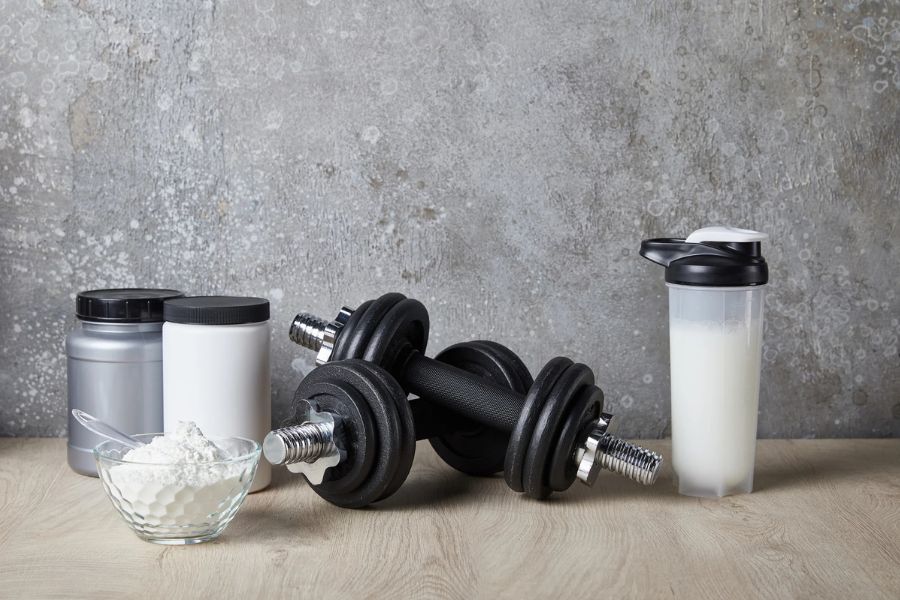
A tough workout leaves your muscles tired and slightly damaged. That is normal, and it is how you get stronger. The question is how you help your body repair that damage efficiently. This is where whey protein for muscle recovery often comes in.
In this guide, you will learn what whey protein actually does, how it compares with other proteins, and how to use it in a way that supports your goals without wasting money or upsetting your stomach.
What whey protein is and why it is popular
Whey is one of the two main proteins found in milk. During cheese making, liquid whey is separated from curds and then dried to create whey protein powder.
You usually see three main forms on store shelves:
- Whey concentrate
- Whey isolate
- Whey hydrolysate
All three provide high quality protein and all nine essential amino acids. Isolate is more filtered and typically higher in protein with less lactose. Hydrolysate is partially broken down, so your body can absorb it more quickly.
Whey is especially rich in branched chain amino acids, particularly leucine. Leucine is a key trigger for muscle protein synthesis, the process your body uses to repair and build muscle. A typical 25 gram serving of whey isolate contains around 3 grams of leucine, which is enough to strongly stimulate this process in many adults (Journal of Animal Science).
How muscle recovery actually works
To understand whey protein for muscle recovery, it helps to know what is happening inside your muscles after exercise.
When you train, you create tiny tears in your muscle fibers. Your body responds by:
- Breaking down damaged proteins
- Using amino acids to build new, stronger proteins
- Restoring fuel stores and reducing inflammation
You are constantly in a tug of war between muscle breakdown and muscle building. Protein, and leucine in particular, shifts the balance toward building. Whey does this well because it is quickly digested and rich in leucine and other essential amino acids (Healthline).
Right after exercise, your muscles are more sensitive to nutrients. This is why many people like a post workout shake. Your body is essentially primed to use those amino acids for repair and growth (Cleveland Clinic).
What the research says about whey and recovery
You will find plenty of marketing claims about whey protein for muscle recovery. Looking at actual research helps you separate hype from reality.
Short term recovery and soreness
Several studies show that whey can support the repair process after intense exercise:
- In a double blind crossover study, taking 25 grams of whey protein after resistance training improved tissue and muscle repair and may have enhanced short term performance recovery (Glanbia Nutritionals).
- When people consumed 36 grams of whey daily after lifting three times a week, they gained more muscle mass and strength than controls, which points to better long term recovery and adaptation (Glanbia Nutritionals).
- In another trial, whey hydrolysate taken for four days after repeated sprint exercise reduced markers of muscle damage, such as soreness and creatine kinase, and improved recovery of muscle function (Glanbia Nutritionals).
However, not all studies agree. One research group compared a high protein whey hydrolysate drink, containing 32 grams of protein, to a carbohydrate only drink after lifting sessions. They found no meaningful difference in soreness or muscle power 24 to 48 hours later (Harvard Health Publishing).
The authors suggested that your overall daily nutrition might matter more than any single post workout drink for soreness and recovery (Harvard Health Publishing).
Longer term muscle and strength gains
Across multiple studies, whey protein seems to help most when it actually raises your total protein intake.
Research summarized by Healthline shows that whey supplements can effectively increase muscle mass and strength, especially in people whose protein intake is low to moderate to begin with (Healthline). If you already eat plenty of high quality protein from foods like meat, fish, eggs, and dairy, adding more whey on top of that often has little extra benefit.
In other words, whey is a convenient way to reach a helpful daily protein target. It is not a magic ingredient by itself.
Recovery during inactivity or injury
Muscle loss can happen quickly during bed rest or after surgery. In these situations, whey may help protect your muscles.
In adults around 70 years old on 7 days of bed rest, diets that included whey protein at about 0.9 grams of protein per kilogram of body weight per day helped preserve 35 percent more leg lean mass compared with control diets. The whey diet also led to a modest loss of fat mass, although strength was not fully preserved (Journal of Animal Science).
Other research shows that giving middle aged and older adults 3 to 4 grams of leucine at each meal during 7 days of inactivity cut leg lean mass loss by nearly half, likely by maintaining baseline muscle protein synthesis (Journal of Animal Science).
There is also promising evidence in orthopedic patients. Taking 20 grams of essential amino acids, which can include whey, twice daily after surgery preserved quadriceps muscle volume and improved mobility two weeks later (Journal of Animal Science).
These results suggest that whey and leucine rich proteins may be especially useful if you are temporarily inactive or recovering from an injury.
Whey vs plant based protein for recovery
You might wonder if you need whey specifically, or if a plant based powder can do the same job.
According to Healthline, whey isolate is often considered a gold standard because it is a complete protein, is rich in leucine, and is absorbed quickly (Healthline). However, studies also show that whey and plant proteins can be equally effective for muscle growth as long as each serving provides similar amounts of total protein and essential amino acids, including 1 to 3 grams of leucine (Healthline).
An 8 week study in professional and semi professional futsal players compared whey to a novel plant based protein blend made from pea protein, yeast protein, and added BCAAs. As long as total daily protein stayed above 1.6 grams per kilogram of body weight, there were no differences in body composition, strength, power, or aerobic performance between groups (Frontiers in Nutrition).
Interestingly, about 18 percent more participants in the whey group reported gastrointestinal discomfort, while both options were otherwise safe and well tolerated (Frontiers in Nutrition).
The takeaway is simple. If whey agrees with your stomach and fits your preferences, it is a very effective option. If you prefer plant based or have lactose issues, you can still get similar recovery benefits from a well formulated plant protein that matches whey in protein and EAA content.
How much protein you really need
For recovery and muscle building, what matters most is your total daily protein intake.
Healthline suggests that most active people do well with 0.6 to 0.9 grams of protein per pound of body weight per day, which is about 1.4 to 2.0 grams per kilogram. This usually works out to 20 to 40 grams of protein per meal spread across the day (Healthline).
Cleveland Clinic notes that if your goal is building muscle, your needs may be close to double the basic recommended daily allowance of 0.8 grams per kilogram (Cleveland Clinic).
Whey simply helps you reach those numbers more easily. For many people, 1 to 2 scoops, or around 25 to 50 grams of whey protein per day, is enough to support recovery and growth when combined with protein from whole foods (Healthline).
If you are sensitive to lactose, choosing whey isolate or hydrolysate can reduce bloating or gas because they contain less lactose than whey concentrate (Healthline).
Quick rule of thumb: focus on hitting your total daily protein target first. Then decide if whey is a practical tool to help you get there.
When to take whey for recovery
You may have heard about a short anabolic window after training when you must take protein immediately. Research paints a more flexible picture.
Cleveland Clinic suggests having a protein shake within about an hour after exercise. During this period, your body is in an anabolic state and is more efficient at using protein to rebuild and refuel muscles (Cleveland Clinic).
Other research is less strict. A 10 week study in men found no significant difference in muscle size or strength gains whether 25 grams of whey was taken before or after workouts. This suggests that as long as you consume it around your training session, the exact minute is less critical (Vinmec).
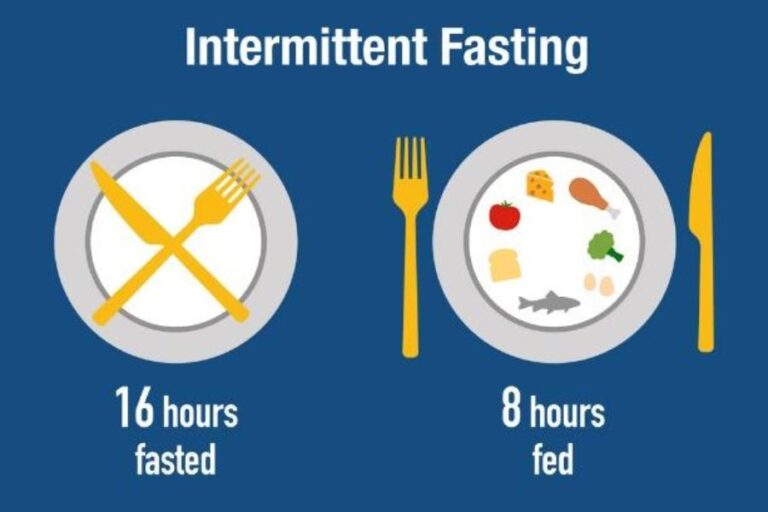
Recent work also challenges the idea of a very narrow window. Taking whey anytime within two hours after your workout seems effective, especially if you trained in a fasted state (Vinmec).
Total intake over the day still matters more than timing. One review recommends about 1.6 grams of protein per kilogram of body weight for active individuals, and notes that whey is simply a convenient way to reach that target (Vinmec).
If you also care about overnight recovery, having about 40 grams of protein before bed, ideally from a slower digesting option like casein, can support muscle repair while you sleep (Vinmec).
Pros and cons of using whey for recovery
To help you decide if whey makes sense for you, here is a simple comparison.
| Aspect | Potential benefits | Possible drawbacks |
|---|---|---|
| Muscle repair | High in leucine and EAAs, stimulates muscle protein synthesis and supports muscle growth and maintenance (Healthline) | Benefits are small if your baseline protein intake is already high |
| Convenience | Quick to prepare, easy way to add 20–30 grams of protein to a meal or snack | Can be more expensive than whole food protein sources |
| Performance and soreness | Can improve markers of muscle repair and reduce damage after intense training in some studies (Glanbia Nutritionals) | Other studies show little difference from carbohydrate drinks for soreness and short term recovery (Harvard Health Publishing) |
| Digestive tolerance | Isolate and hydrolysate contain less lactose, often easier to digest than regular dairy for some | Whey can still cause bloating or gas if you are lactose sensitive, and plant based options may be more comfortable (Healthline, Frontiers in Nutrition) |
Practical tips to use whey wisely
If you decide to use whey protein for muscle recovery, keep it simple and intentional.
Start with your diet. Look at how much protein you already get from meals. If you are below about 0.6 grams per pound of body weight, a shake can help you close that gap. If you are already near the upper end of the recommended range, an extra scoop is less likely to change your results.
Choose the form that fits you. A standard whey concentrate is usually fine if you tolerate lactose well. If you notice gas, cramping, or bloating, try an isolate or hydrolysate, or consider a plant based alternative.
Time it around your training if it is convenient. You might:
- Add a scoop of whey to a smoothie within 1 to 2 hours after your workout
- Mix whey with water or milk as a quick shake when you know your next meal will be delayed
- Pair whey with a source of carbohydrates, such as fruit or oats, to help replenish energy and support performance and recovery (Vinmec)
Most important, remember that supplements only support the basics. Consistent training, adequate sleep, and balanced meals with whole food proteins will always be the foundation of your recovery. Whey is there to fill the gaps, not to fix everything on its own.
About the Author