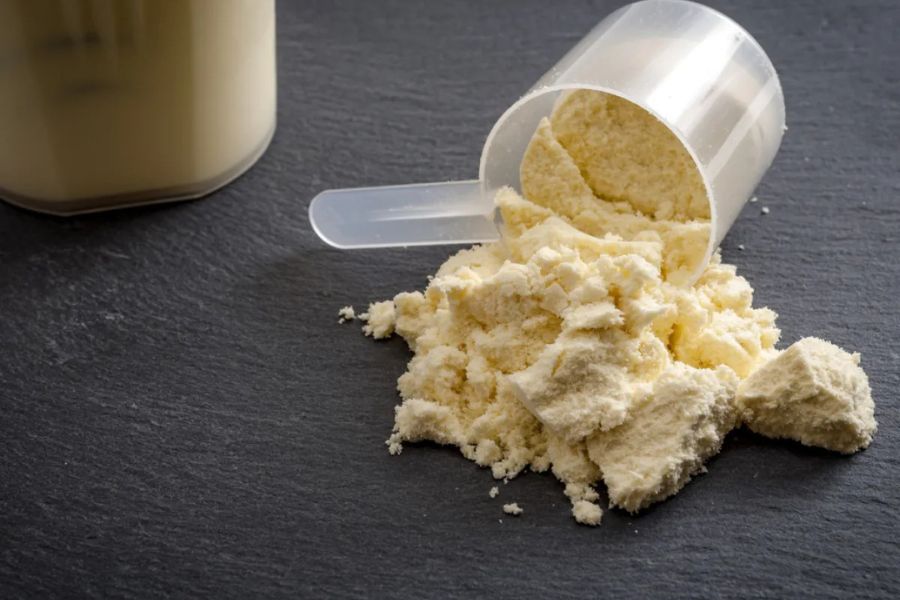
A scoop of whey protein can look deceptively simple. Yet when you use whey protein for lean muscle in a smart way, it can become one of the most effective tools you have for building strength, improving body composition, and recovering faster from your workouts.
Below, you will learn what whey protein actually does in your body, how it compares to other protein sources, and how to use it step by step so you see real, visible changes, not just a bigger supplement bill.
Understand what whey protein actually is
Whey is the liquid that separates from milk during cheese making. Once it is filtered and dried, you get whey protein powder. That powder is a concentrated source of high quality protein that your body can absorb quickly.
Whey protein is considered a complete protein because it contains all nine essential amino acids your body cannot make on its own and it is especially rich in branched chain amino acids (BCAAs) like leucine, which plays a key role in turning on muscle protein synthesis, the process of building new muscle tissue (Healthline).
In other words, you are not just drinking any protein. You are taking in the specific amino acids your muscles need, in a form that reaches them quickly.
The main types of whey protein
You will see three main types on labels:
- Whey protein concentrate (WPC). Usually around 70 to 80 percent protein by weight. It contains some lactose and a bit more fat, but it is typically more affordable and still very effective for muscle gain (Healthline).
- Whey protein isolate (WPI). Typically 90 percent or more protein with less lactose, fat, and minerals. It is a leaner choice if you want high protein with fewer calories, which can be useful for lean muscle and fat loss goals (Healthline, Kinetica Sports).
- Whey protein hydrolysate (WPH). Pre broken down for even faster absorption. It is often used in research and in some high end products. Studies using whey hydrolysate have shown gains in muscle size, strength, and endurance when taken around workouts (Journal of Exercise Nutrition & Biochemistry).
You do not have to overthink which one to choose at the start. Concentrate is typically the most budget friendly, while isolate or hydrolysate may appeal to you if you want slightly fewer calories, less lactose, or very fast digestion.
See how whey protein builds lean muscle
To understand why whey protein works so well for lean muscle, it helps to follow the simple chain of events in your body.
Step 1: Resistance training stresses the muscle
When you lift weights, use resistance bands, or do challenging bodyweight exercises, you create tiny micro-tears in your muscle fibers. This is not an injury, it is the normal stress that signals your body to rebuild stronger.
Step 2: Whey protein supplies the building blocks
After training, your muscles are primed to absorb amino acids. Whey protein gives you:
- A full range of essential amino acids
- High levels of BCAAs, especially leucine
- Fast digestion and absorption
This combination is why whey protein is consistently linked with increases in strength, lean mass, and reductions in body fat when paired with resistance training (Healthline).
One 12 week study in young men found that a protein blend that included whey hydrolysate and BCAAs taken before and after resistance exercise significantly increased muscle circumference, strength, and endurance compared to a placebo (Journal of Exercise Nutrition & Biochemistry).
Step 3: Muscle protein synthesis ramps up
Leucine, which is particularly abundant in whey, acts like a switch. It activates a pathway in your cells called mTOR, which triggers muscle protein synthesis, the rebuilding process that leads to muscle growth and better function (Healthline).
Research suggests that about 20 to 30 grams of high quality protein with at least 1 to 3 grams of leucine per serving is ideal for stimulating muscle protein synthesis. Whey protein fits this profile very well (Healthline).
Use whey protein for lean gains, not just scale weight
If your goal is a leaner, stronger body, you probably care about more than the number on the scale. Whey protein can support that by helping you increase muscle while preserving it during fat loss.
Whey helps grow and protect lean mass
Multiple studies show that when you combine whey protein with strength training, you can:
- Increase muscle strength and size
- Gain lean mass
- Lose body fat at the same time (Healthline, Myprotein)
In overweight and obese adults, a specialized whey fraction called Prolibra led to significantly greater fat loss and less lean muscle loss compared to a calorie matched control drink during a 12 week reduced calorie diet. Participants taking Prolibra lost about 6.1 percent of their body fat mass, which is above the 5 percent threshold often used as clinically meaningful (Nutrition & Metabolism).
Even if you are not using a specialized formula, this research shows how shifting more of your daily calories toward high quality whey protein can help you lose fat while keeping muscle.
Why whey supports fat loss too
Whey protein can also make it easier to lean out because it:
- Increases satiety compared with some other proteins like casein and soy, which can help you feel fuller between meals and reduce snacking (Healthline)
- Helps preserve muscle during a calorie deficit, which keeps your resting metabolism higher and supports long term weight management
- May slightly increase daily energy expenditure as your body uses more energy to digest and process protein
Diets in which about 25 to 30 percent of your calories come from protein have been associated with more weight loss partly because higher protein intake helps you naturally eat fewer calories overall (Naked Nutrition).
Time your whey protein around your day
You may have heard about a tiny 30 minute anabolic window after workouts. Current research paints a more flexible picture that works better in real life.
Total daily protein matters most
For optimal muscle growth, you generally want around 0.6 to 0.9 grams of protein per pound of body weight per day, which is 1.4 to 2.0 grams per kilogram. That usually works out to about 20 to 40 grams of protein per meal spread across 3 to 4 eating occasions (Healthline).
If you are training heavily and aiming for significant muscle gain, some experts suggest going up toward 2.2 grams per kilogram of body weight per day. Whey protein makes it much easier to hit that target consistently (Naked Nutrition).
A typical recommendation for whey is 1 to 2 scoops per day, about 25 to 50 grams of protein, adjusted based on how much you get from food and how your digestion feels (Healthline).
What the research says about timing
Studies suggest that:
- Taking whey immediately before or immediately after workouts leads to similar gains, so the exact minute likely does not matter as long as you get it close to training (Vinmec)
- The anabolic window for muscle building may extend up to 2 hours post workout, and some research indicates your muscles can benefit from extra protein for up to 24 hours after a session (Vinmec, Myprotein)
- Distributing your protein evenly across the day instead of loading it into a single large meal tends to support strength and size gains more effectively (Vinmec)
So the practical approach is simple. Aim for 3 to 4 balanced meals or snacks each with 20 to 40 grams of protein. Place one of those in the 1 to 2 hours after you train, using whey protein if that is the most convenient option.
Do not stack shakes on top of high protein meals
Your body can only use so much protein from one sitting for building muscle. For that reason, it is better not to drink a large whey shake right alongside a very high protein meal. Instead, spread your intake over the day so your muscles repeatedly get the signal to grow (Myprotein).
If you train in the afternoon and you plan a protein rich dinner, you could:
- Have a 25 to 30 gram whey shake shortly after your workout, then a moderate protein dinner later, or
- Skip the shake and simply make that dinner your main post workout protein serving
Both patterns can work, as long as your total daily protein is on target.
Quick guideline: think in terms of total grams of protein per day, then use whey as a flexible tool to fill in the gaps.
Choose the right whey protein for your body
With so many tubs on the shelf, it can be hard to tell which whey product is best for lean muscle and your specific needs. A few criteria will help you narrow it down.
Decide between whey and plant based protein
If you tolerate dairy and want fast absorption and high leucine content, whey protein is often the most straightforward choice for lean muscle building (Healthline).
If you are vegan or lactose intolerant, a plant based protein can work just as well for muscle growth as long as:
- Each serving gives you around 20 to 30 grams of protein
- The formula provides a complete essential amino acid profile and a similar BCAA content to whey (Healthline)
Some people find that pea or other plant proteins can cause bloating. If that happens, you may want to try a different blend or a more isolated plant formula (Healthline).
Pick the best type of whey for your goal
Here is a quick comparison to help you line up your choice with your goal:
| Goal | Better choice | Why |
|---|---|---|
| Budget friendly muscle gain | Whey concentrate | Cost effective, good taste, retains more nutrients (Healthline) |
| Very lean gains or lactose sensitivity | Whey isolate | Higher protein, lower fat and lactose per serving (Kinetica Sports) |
| Fastest digestion around intense training | Whey hydrolysate or isolate | Pre broken or very filtered for quick absorption (Journal of Exercise Nutrition & Biochemistry) |
Whatever type you choose, aim for high quality products without unnecessary added sugars, fillers, or artificial ingredients if possible. Many quality concentrates and isolates made from grass fed whey fall into this category and can support lean muscle gains with fewer digestive issues (Naked Nutrition).
Put whey protein into your everyday routine
Once you understand the basics, the next step is making whey protein part of your normal pattern, rather than a product you remember only on “good” days.
Here are simple ways to work whey protein for lean muscle into your week:
- Use a shake as a quick breakfast when you are short on time. Blend a scoop of whey with milk or a milk alternative and a piece of fruit.
- Keep a shaker and a small container of powder in your gym bag so you can have 20 to 30 grams of protein soon after training, even if you are on the go.
- Add a scoop to plain yogurt or oatmeal for a higher protein snack that keeps you full longer.
- If you are in a calorie deficit to lose fat, lean toward whey isolate or a blend with lower sugar. This helps you stay in your calorie range while still protecting your muscle.
If you train at night, you can also benefit from a pre bed protein serving. Some research suggests that around 40 grams of slowly digested protein, often casein, before sleep supports overnight muscle growth and recovery. You can still get plenty of benefit from simply hitting your daily protein target and timing one serving in the evening if that fits your schedule (Vinmec).
Know when whey might not be right for you
Whey protein is safe and effective for most healthy people when used in normal amounts, usually 1 to 2 scoops per day (Healthline). That said, it is not ideal for everyone.
You should talk with your doctor or a dietitian before using whey if:
- You have kidney or liver disease
- You are advised to limit protein for a medical reason
- You have a history of severe lactose intolerance or dairy allergy
If you notice ongoing digestive discomfort, try switching to an isolate, which is lower in lactose, or consider a non dairy protein powder instead (Healthline).
Bringing it all together
When you use whey protein for lean muscle the right way, you are not relying on a magic powder. You are giving your body:
- Enough high quality protein each day to support growth and recovery
- The right amino acids in the right amounts to trigger muscle building
- A convenient way to stay on track even on your busiest days
Pair 20 to 40 grams of protein per meal, including 1 to 2 scoops of whey as needed, with regular resistance training and a balanced diet that includes carbohydrates and healthy fats (Healthline). Over time, you will notice not just a change in the mirror, but in how strong, energetic, and resilient you feel.
About the Author