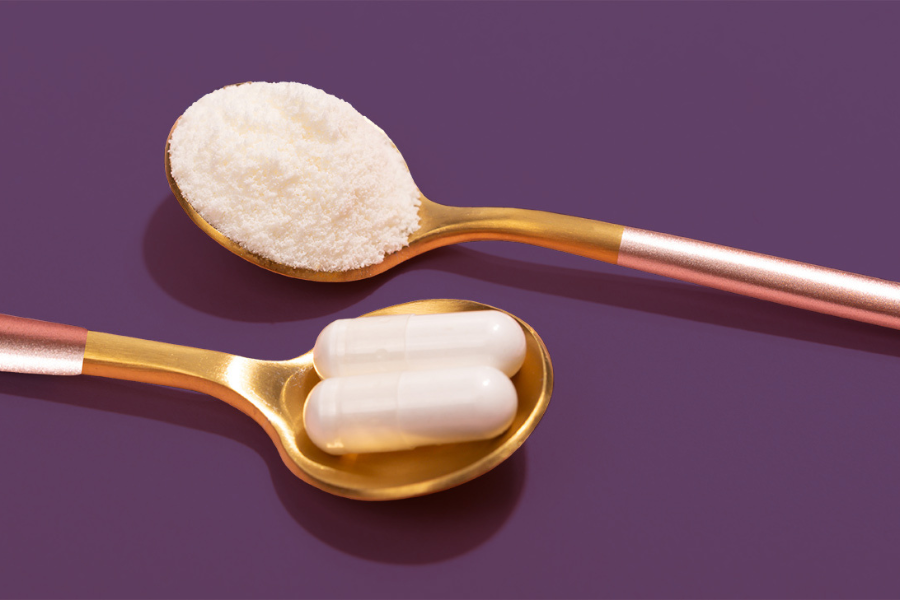
A good collagen supplement can feel like a shortcut to smoother, plumper skin. The reality is a little more nuanced, but there is solid research showing that the best collagen for skin can boost hydration and elasticity when you choose the right type and give it enough time to work.
This guide walks you through what collagen is, what the science actually says, and how to pick a product that fits your skin goals and lifestyle.
Understand what collagen does for your skin
Collagen is the most abundant protein in your body. It makes up about 30% of your total protein and is a primary building block for your skin, muscles, bones, tendons, ligaments, organs, blood vessels, and even your intestinal lining (Cleveland Clinic).
In your skin, collagen acts like scaffolding. It gives your face structure, firmness, and that springy, bouncy feel you associate with youthful skin. When collagen is plentiful and well organized, fine lines look softer and your skin looks smoother and more hydrated.
As you age, your body naturally makes less collagen. Production drops more sharply after menopause for women, and generally after age 60 for everyone, which leads to thinner, less elastic skin and more visible wrinkles (Cleveland Clinic). That is why supporting collagen, from the inside and outside, has become such a big focus in skincare.
What science says about collagen supplements for skin
Collagen supplements are not just hype. Several human studies have looked at how oral collagen affects skin hydration and elasticity.
A 2023 systematic review and meta-analysis of 26 randomized controlled trials with 1,721 participants found that oral hydrolyzed collagen significantly improved skin hydration compared with placebo, with a moderate pooled effect size of 0.63 (NCBI PMC). The same analysis showed a significant improvement in skin elasticity, with a pooled effect size of 0.72, and better results when people supplemented for longer than 8 weeks (NCBI PMC).
Clinical research referenced in 2024 also notes that you may need to use collagen daily for around 8 to 12 weeks to see visible changes, and that doses as low as 2.5 grams of specific collagen peptides, such as Verisol, can be effective for skin elasticity (Health).
According to the same 2023 meta-analysis, oral hydrolyzed collagen is considered safe, relatively cost effective, and easy to add to your routine, especially when you compare it to some topical treatments or injectable fillers that have penetration limits or higher risk of side effects (NCBI PMC).
The key takeaway: collagen supplements will not turn back time overnight, but consistent use of the right type can support smoother, more hydrated skin over a few months.
Types of collagen and which are best for skin
Not all collagen is the same. Understanding the main types helps you choose the best collagen for skin rather than a formula that is focused on joints only.
Type I and Type III collagen for skin
Type I collagen is the most abundant in your skin and is a major player in firmness and structure. Type III is also present in skin and supports elasticity and resilience. Most well formulated beauty-focused collagen powders and capsules combine types I and III to target skin texture, fine lines, and overall bounce.
Vital Proteins Collagen Peptides Advanced, for example, is recommended as a top collagen supplement for skin because it provides types I and III collagen along with 20 grams of collagen, 18 grams of protein, plus vitamin C and hyaluronic acid to support elasticity and hydration (Health).
Type II collagen primarily for joints
Type II collagen is found mainly in cartilage. Native type 2 collagen, often derived from chicken cartilage, keeps its original structure and is commonly used for arthritis and joint health. Clinical trials typically use about 40 milligrams per day for joint support, but this form may not be absorbed as efficiently for skin benefits compared with collagen peptides (Verywell Health).
Current research points to collagen peptides rather than native type 2 collagen as the better choice for skin hydration and elasticity, although more high quality trials are still needed (Verywell Health).
Collagen peptides vs whole collagen
Most supplements for beauty use collagen peptides, also called hydrolyzed collagen. These are long collagen proteins that have been broken into smaller pieces. That makes them easier to digest and absorb compared with whole collagen, which your body would need to break down on its own first (Verywell Health).
Collagen peptides reach peak levels in your bloodstream about one to two hours after you take them and then decline by about half after four hours, so daily, consistent use is important for steady support (Verywell Health).
If your main goal is skin, look for a product that highlights hydrolyzed collagen or collagen peptides, ideally with an indication that it contains type I and type III collagen.
Collagen sources: bovine, marine, chicken, and plant based
Collagen can come from different animals, and the source can affect both your results and your tolerance.
Bovine collagen
Bovine collagen comes from cows and typically provides types I and III collagen. It is one of the most common and budget friendly options. Bubs Naturals Collagen Peptides, for example, uses collagen from grass fed cows and provides 18 grams of protein per serving, plus types I and III collagen for skin, hair, and nails. It is also NSF Certified for Sport and free from gluten, nuts, soy, and GMOs (Health).
Marine collagen
Marine collagen is sourced from fish skin or scales and is rich in type I collagen. In a 2023 meta-analysis, fish based collagen showed the strongest effect on skin hydration compared with bovine, chicken, or porcine sources, while chicken collagen had the weakest effect on hydration (NCBI PMC).
Marine collagen powders, such as Procaps Marine Collagen Peptides, dissolve well in hot or cold drinks and are usually unflavored without a strong fishy taste. They are a good choice if you avoid beef or prefer a lighter texture, although they often contain slightly less collagen and protein per serving and are not suitable if you have a fish allergy (Health).
Chicken and other sources
Chicken collagen is more often used in joint support formulas because of its type II content, and as mentioned above, it appears less effective for skin hydration than fish collagen in current analyses (NCBI PMC). Porcine (pig) collagen and eggshell membrane also appear in some products, usually blended with other sources.
If you follow a vegan or vegetarian pattern, you will not find true collagen from plants. Instead, you will see “vegan collagen boosters” that combine amino acids and nutrients such as vitamin C, zinc, and copper to support your body’s own collagen production. Cleveland Clinic notes that you do not directly increase collagen by eating collagen rich foods, because your body breaks proteins down into amino acids first. However, eating enough protein along with vitamin C, zinc, and copper does support collagen synthesis (Cleveland Clinic).
Ideal ingredients to look for in a skin focused collagen
The best collagen for skin is not only about the collagen type and source. Extra ingredients can make a meaningful difference.
You will often see collagen combined with:
- Vitamin C, which your body uses to build collagen and which supports antioxidant protection
- Zinc and sometimes copper, which help with collagen formation and skin repair
- Hyaluronic acid, which attracts and holds water in the skin to keep it plump
- Biotin, which supports healthy hair, skin, and nails
Supplements that combine collagen with vitamin C and zinc are usually preferred from a skin health perspective, because those nutrients help your body actually use the collagen you take in (Health).
At the same time, you want to avoid unnecessary extras. Since collagen supplements are not tightly regulated by the FDA, clinicians recommend skipping products that use artificial colors, artificial sweeteners, or that do not provide third party testing, to reduce the risk of heavy metals or poor quality ingredients (JoinMidi).
How long until you see results from collagen?
Collagen is not a quick fix. Study after study shows that time and consistency matter more than megadoses.
The 2023 meta-analysis found that longer durations of supplementation, especially 8 to 12 weeks or longer, were associated with better outcomes for both hydration and elasticity (NCBI PMC). Research summarized in 2024 suggests that many people start to see visible skin benefits after about 2 to 3 months of daily use (JoinMidi).
This matches what clinicians see in practice: it takes time for your body to incorporate collagen peptides and slowly remodel your skin. If you commit, plan to:
- Use a quality collagen supplement every day
- Stick with the same product for at least 8 to 12 weeks
- Take progress photos in similar lighting every 4 weeks so you can notice gradual changes
Daily doses in studies vary, but you will often see 2.5 grams at the low end for specific peptides up to 10 to 20 grams per day for typical powders (Health). Check your product label and talk with your healthcare provider if you are unsure what is appropriate for you.
Collagen for perimenopause, menopause, and beyond
If you are in perimenopause or postmenopause, collagen may offer particular benefits. Decreasing estrogen levels are linked to a decline in collagen production, which contributes to sagging, dullness, and more pronounced wrinkles.
Clinicians at Midi note that collagen supplements can help improve hydration and elasticity in perimenopausal and menopausal skin, counteracting some of the texture and firmness changes you may notice in your 40s and 50s (JoinMidi). Research also suggests that collagen may support joint health and help with muscle preservation in postmenopausal women, so you may see bonus benefits beyond what you notice in the mirror (JoinMidi).
If you are in this phase of life, think of collagen as part of a bigger strategy that might also include strength training, adequate protein intake, sun protection, and possibly hormone or non hormone treatments discussed with your clinician.
Helpful rule of thumb: choose a collagen powder with types I and III, vitamin C, and at least 5 to 10 grams of collagen per serving, then commit to taking it daily for 3 months before you judge your results.
Collagen formats: powder, pills, and liquid
You can find collagen in several forms, and the best option is usually the one you can take consistently.
- Powders are the most common and flexible. You can stir them into coffee, smoothies, or oatmeal. Marine collagen powders like Procaps dissolve easily and tend to be nearly flavorless (Health).
- Pills or capsules are convenient if you dislike the texture of powders, although they may provide smaller doses per serving, which means you may need multiple pills each day.
- Liquid collagen shots are highly portable and often flavored. They can be a good fit if you want a grab and go option, but always check sugar content and ingredient quality.
Midi clinicians recommend choosing based on your preferences and any allergies, such as avoiding marine collagen if you react to fish or shellfish (JoinMidi).
Do not forget lifestyle habits that protect collagen
Even the best collagen for skin will work better if you protect the collagen you already have. Collagen in your skin breaks down faster when it is exposed to UV light, cigarette smoke, chronic stress, and a poor diet.
Cleveland Clinic suggests several everyday steps to support skin collagen and slow visible aging (Cleveland Clinic):
- Use a broad spectrum sunscreen with SPF 30 or higher every day, even when it is cloudy
- Wear hats and protective clothing when you will be in strong sun
- Avoid tanning beds
- Do not smoke and limit exposure to secondhand smoke
- Eat a balanced diet rich in vegetables, fruits, lean proteins, and minerals
On the topical side, peptides in skincare can help by signaling your skin to make more collagen and elastin. Peptides are small chains of amino acids that act as building blocks for proteins like collagen and they can improve firmness, hydration, and repair over time (UpCircle). Collagen and peptides both help repair the skin barrier and support wound healing and tissue regeneration (UpCircle).
Pairing a good collagen supplement with daily sunscreen, a nutrient dense diet, and peptide rich skincare gives your skin multiple layers of support from the inside and the outside.
How to choose the best collagen for your skin goals
To narrow your choices, focus on a few key questions:
-
What is your main goal?
If you care most about fine lines, firmness, and glow, prioritize type I and III collagen peptides. If joint comfort is your top concern, type II collagen can be useful, possibly alongside a beauty focused formula. -
Which source fits your preferences?
Choose bovine or porcine if you eat meat and want a cost effective all rounder. Pick marine collagen if you prefer fish or want the hydration benefits seen in some studies, and avoid it if you have fish allergies. -
Does the formula support collagen use?
Look for added vitamin C, and ideally zinc or copper, plus ingredients like hyaluronic acid for extra hydration. Skip products with unnecessary artificial colors or sweeteners (JoinMidi). -
How easy is it to take daily?
If you love a morning smoothie, a powder is simple. If your routine is hectic, pills or ready to drink shots might be easier. The best collagen for skin is the one you will actually remember to use. -
Is the brand transparent?
Check for clear labeling, source disclosure, and third party testing where possible. Because supplements are not as tightly regulated as medications, quality and purity matter.
If you are managing a medical condition, pregnant, breastfeeding, or taking medications, it is always smart to check in with your healthcare provider before you add any new supplement.
Key takeaways
- Collagen is a structural protein that makes up about 30% of your body’s total protein and is a major component of your skin (Cleveland Clinic).
- Oral hydrolyzed collagen peptides can improve skin hydration and elasticity, with results building over 8 to 12 weeks or more of daily use (NCBI PMC).
- For skin, look for type I and type III collagen peptides from bovine or marine sources, ideally with vitamin C and minerals that support collagen production.
- Marine collagen has shown particularly strong effects on hydration, while chicken based collagen appears less effective for this specific benefit (NCBI PMC).
- Sun protection, a nutrient rich diet, and peptide based skincare all work together with supplements to keep your skin firm, hydrated, and resilient.
You do not need a perfect routine to benefit. Pick one change to start, such as adding a daily scoop of collagen powder to your coffee or committing to three months of a well formulated supplement, and let your skin show you what works.
About the Author