Creatine supplement benefits might sound like something only bodybuilders care about. In reality, creatine is one of the most researched supplements you can take, and its advantages reach far beyond the weight room. If you are curious about muscle, energy, brain health, or healthy aging, creatine deserves a closer look.
Below, you will learn how creatine works in your body, the science-backed benefits you can expect, who it helps most, and how to use it safely.
Understand what creatine actually is
Creatine is a naturally occurring compound that your body makes from amino acids. You also get some from foods like red meat and fish. Your muscles use creatine to keep energy flowing during short, intense efforts such as lifting a heavy weight or sprinting across a field.
Creatine supplements increase your muscle stores of phosphocreatine, which helps you regenerate adenosine triphosphate, or ATP. ATP is the main energy currency your cells use. With more phosphocreatine available, your muscles can maintain high power output a bit longer during intense activity (Cleveland Clinic).
In practical terms, that extra energy lets you squeeze out a few more reps, push slightly heavier weights, or sprint a little faster before fatigue sets in.
Boost strength and muscle more efficiently
One of the best documented creatine supplement benefits is its effect on strength and lean muscle mass, especially when you combine it with resistance training.
Research shows that when you lift weights regularly and take creatine, you can add more lean body mass and strength than training without it, although the gains are modest for most people (UCLA Health). In controlled trials, people aged 18 to 30 gained roughly 2 to 4 extra pounds of muscle over 4 to 12 weeks compared with non users when they followed the same training plans (Cleveland Clinic).
A large review found that creatine can:
- Increase intramuscular creatine and phosphocreatine stores by 20 to 40 percent
- Improve maximal strength and power by about 5 to 15 percent
- Enhance sprint performance and fat free mass in healthy, active people (PMC)
These numbers might not sound dramatic on paper, but over months of training those small edges add up. A few extra reps each workout mean more total work, which can translate into noticeable muscle and strength gains.
Improve high‑intensity performance and recovery
If your workouts involve short, hard bursts of effort, creatine can give you a meaningful boost. Athletes in power and speed sports such as weightlifting, football, hockey, and sprinting have used creatine for decades because it supports quick burst energy and strength without hurting aerobic endurance (Cleveland Clinic).
Studies show creatine can:
- Enhance repeated sprint performance
- Support agility and change of direction tasks
- Improve performance in sport specific drills after 5 to 8 weeks of use (PMC)
There is also evidence that creatine may help you bounce back faster between tough sessions. By increasing muscle energy stores and promoting glycogen storage, creatine may speed recovery after intense exercise and help restore your ability to produce force more quickly (Harvard Health Publishing, PMC).
That combination, better performance plus faster recovery, lets you tolerate higher training volumes over time. Higher quality training is often what separates slow progress from steady improvement.
Support your brain during stress and aging
You might think of creatine as a “muscle supplement,” but your brain also depends on creatine for energy. Emerging research suggests this is one of the most intriguing creatine supplement benefits.
Creatine may:
- Promote brain health in adults over 60 by increasing phosphocreatine in the brain and potentially supporting memory, although more research is needed for conditions like dementia (Cleveland Clinic)
- Offer cognitive benefits in people with brain injuries, including concussion, according to early studies (UCLA Health)
- Help reduce fatigue and support thinking skills under sleep deprivation, based on a 2024 study in healthy young adults that found a single high dose of creatine improved processing speed and memory tasks during 21 hours without sleep (Scientific Reports)
In that sleep deprivation study, creatine also appeared to stabilize brain energy metabolism, which suggests that it helps your brain cope when it is under heavy demand (Scientific Reports).
Researchers are still unpacking exactly how creatine benefits the brain, but current findings point toward helpful effects for older adults, people who are under heavy cognitive load, and anyone who occasionally faces long, tiring days.
Help protect muscle as you age
Losing muscle and strength as you get older is common, but it is not something you have to accept without a fight. Age related muscle loss, called sarcopenia, can affect your mobility, balance, and overall quality of life.
Creatine cannot build muscle by itself. However, when you combine it with resistance training and a balanced diet, it may help offset some of that age related loss of muscle mass and power (Harvard Health Publishing).
There is also early evidence that creatine may support muscle and bone health in postmenopausal women, a group that often experiences declines in both areas as estrogen levels drop. More studies are needed, but current research points in a promising direction (UCLA Health).
If you are already lifting weights to stay strong, adding creatine may help you get more from the effort you put in each week.
Offer potential benefits beyond muscle and performance
Researchers are exploring other possible creatine supplement benefits that extend into broader health and wellness.
Early and ongoing studies suggest creatine may:
- Improve certain blood lipid levels and support healthier cholesterol patterns (UCLA Health)
- Aid skin elasticity, which could support skin health as you age (UCLA Health)
- Help alleviate some symptoms in neurological conditions such as Parkinson’s disease, although this area is still developing and should always be guided by a physician (UCLA Health)
These findings are not a reason to treat creatine as a cure all. They do show, however, that creatine influences more than just the muscles you see in the mirror.
Think of creatine as an energy helper at the cellular level. Wherever fast, intense energy demand shows up, creatine is likely involved.
Understand who benefits most from creatine
You might wonder whether creatine is “worth it” for you specifically. The answer depends on your diet, activity level, and goals.
You are more likely to see noticeable benefits if you:
- Perform regular high intensity or resistance training
- Play power or sprint based sports
- Want to build or maintain muscle and strength
- Are middle aged or older and working to prevent muscle loss
- Follow a vegetarian or mostly meat free diet
Vegetarians and others who eat little or no meat tend to have lower baseline creatine levels. One study found a significant drop in creatine when meat eaters followed a vegetarian diet for a month, even though they still ate eggs and dairy (UCLA Health). If this sounds like you, supplementation may have an even greater impact.
On the other hand, if you rarely do intense exercise, the performance and strength benefits may be smaller. You can still be interested in the potential brain and healthy aging effects, but your day to day experience of creatine might be subtler.
Use creatine safely and effectively
If you decide to try creatine, a few simple guidelines will help you use it safely and get consistent results.
Choose the right form and dose
Most research focuses on creatine monohydrate. It is the most common, well studied, and effective form for improving performance in short duration, high intensity exercise. Other versions of creatine have not shown clear advantages in trials (Cleveland Clinic).
For dosing, you can skip complicated loading phases. Major health organizations recommend:
- 3 to 5 grams of creatine monohydrate per day for adults
Higher loading doses do not appear to provide extra long term benefits and may increase stress on your kidneys (Harvard Health Publishing).
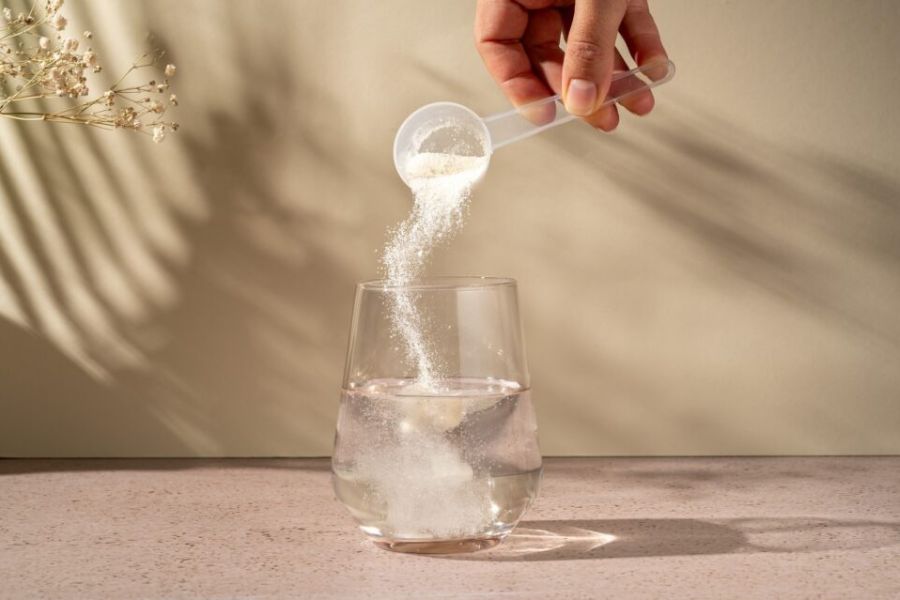
You can take creatine at any time of day. Many people mix it into water or a smoothie with a meal to support absorption and reduce the chance of stomach upset.
Know the safety profile and side effects
Creatine is one of the most studied sports supplements, and research generally supports its safety in healthy adults.
Key points include:
- Doses of 3 to 5 grams per day are considered safe for most adults (Harvard Health Publishing, UCLA Health)
- Long term studies up to 21 months in collegiate football players found no negative effects on kidney, liver, or other clinical health markers (PubMed)
- Creatine is not an anabolic steroid and does not raise testosterone levels (Harvard Health Publishing)
Common side effects are usually mild. You might notice gas, bloating, or an upset stomach, especially at higher doses. Starting at a lower amount and skipping the loading phase can help minimize these issues (UCLA Health).
You can also expect a small bump on the scale. This is typically water that your muscles hold as they store more creatine, not fat gain (UCLA Health).
If you have kidney disease or other chronic medical conditions, you should talk with your doctor before using creatine. When you factor in your medications and lab values, they can help you decide whether it is appropriate.
Pair creatine with smart habits
Creatine is most effective when it supports a foundation of healthy choices. To get the most from it, you will want to:
- Strength train 2 to 3 times per week
- Eat enough protein and total calories to support your activity
- Stay hydrated so your body can manage the extra water in muscles
- Sleep as well as you can so recovery keeps up with training demands
Creatine does not replace these basics, but it can amplify their benefits.
Decide if creatine belongs in your routine
When you look at the full picture, creatine supplement benefits reach beyond bodybuilders and competitive athletes. You might consider creatine if you want to:
- Lift a little more weight or complete more reps in your workouts
- Gain or maintain lean muscle as you get older
- Support your brain during demanding periods or while you age
- Improve recovery and performance in high intensity activities
- Close the gap created by a meat free or low meat diet
If you are generally healthy, a daily dose of 3 to 5 grams of creatine monohydrate, plus consistent training and solid nutrition, is a practical way to give your muscles and brain a small but meaningful advantage.
You do not have to overhaul your life to start. You can simply stir creatine into your usual post workout drink this week and see how you feel over the next month.
About the Author