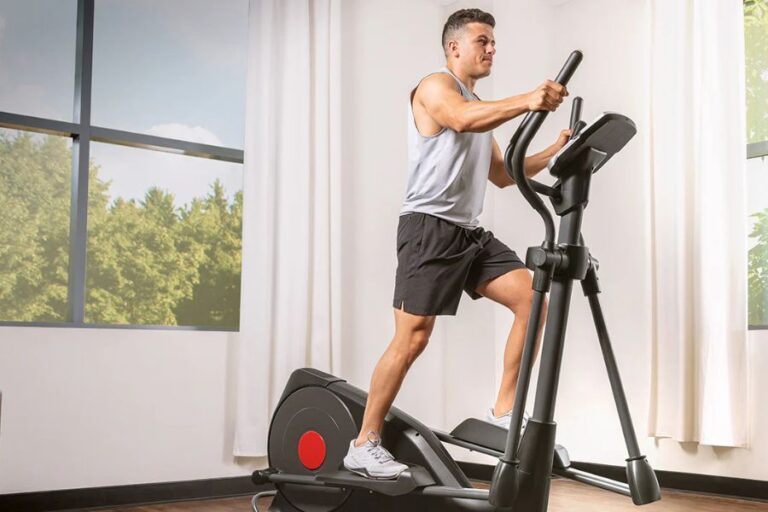
A high intensity elliptical workout is one of the most efficient ways to shape your body, burn fat, and boost your fitness without punishing your joints. By alternating intense bursts of effort with short recovery periods, you can get more results in less time and still step off the machine feeling solid rather than wrecked.
Below, you will see how high intensity elliptical training works, why it is so effective for weight loss and health, and exactly how to structure workouts that match your fitness level.
Understand what a high intensity elliptical workout is
A high intensity elliptical workout usually means doing some form of high intensity interval training, or HIIT, on the machine. You alternate short bursts of hard work with easier recovery periods instead of cruising at one steady pace.
On the elliptical, high intensity intervals typically last 20 seconds to 1 minute, followed by 1 to 2 minutes of lower intensity pedaling or complete rest. This interval style helps maximize calorie burn, improve cardiovascular fitness, and increase metabolism by playing with both resistance and speed (NutroOne).
During the work segments you aim for roughly 80 to 90 percent of your maximum heart rate, then drop to about 55 to 60 percent for recovery (Garage Gym Reviews). The result is a fun, challenging cardio session that feels very different from a slow, steady slog.
Learn why high intensity intervals work so well
When you pedal hard during a high intensity elliptical workout, your muscles and heart work close to their limit for short bursts. This creates several benefits at once.
First, you burn more calories in less time compared with a steady, moderate pace. A high intensity elliptical session of about 30 minutes can burn roughly 400 calories, depending on your weight and how hard you push yourself (Set For Set). Elliptical workouts in general can reach 270 to 400 calories in half an hour, depending on speed, resistance, incline, and fitness level (Healthline).
Second, your metabolism stays elevated after you finish, a phenomenon known as excess post exercise oxygen consumption, or EPOC. HIIT on an elliptical can increase your metabolic rate for several hours after your session, so your body continues to burn extra calories long after you step off the machine (Garage Gym Reviews).
Third, you train both your aerobic system and your ability to handle short, intense efforts. This makes everyday activities, from stairs to carrying groceries, feel easier, and it supports overall heart health.
Take advantage of low impact, full body training
One major advantage of a high intensity elliptical workout is that you get intense cardio without the pounding that comes with running. Elliptical training is low impact, which means the machine reduces stress on your knees, hips, and back while still challenging your heart and lungs (Garage Gym Reviews).
This joint friendly style of cardio is especially helpful if you have a history of joint injuries or you simply want to protect your body as you lose weight. Research shows that the low impact nature of elliptical workouts can benefit people with knee or hip arthritis and may reduce the risk of joint and cartilage damage compared to running (Healthline).
The elliptical is also a full body trainer. When you use the handles, you engage your legs, glutes, arms, and core at the same time. This increases total calories burned and helps improve muscle tone and balance during high intensity sessions (Garage Gym Reviews; Set For Set).
Ellipticals also count as weight bearing exercise because you support your body weight against gravity while you move. That can help maintain bone density, unlike non weight bearing options like swimming or cycling (HSS).
Use resistance and incline to shape your body
You can fine tune a high intensity elliptical workout to target your body in slightly different ways. Adjusting resistance, incline, and stride direction lets you focus on specific muscle groups.
Higher resistance makes your muscles work harder each stroke. Increasing resistance and incline, while also varying your speed through intervals, significantly boosts calorie burn and muscle challenge, which is ideal when you want to lose belly fat or shape your legs and glutes (Set For Set).
Incline changes which parts of your legs carry more of the load. High intensity elliptical sessions that play with incline and resistance can emphasize glutes, hamstrings, quads, and calves by changing pedal height and stride pattern (Healthline).
If your machine allows it, pedaling backward can recruit your hamstrings and glutes even more. Forward pedaling at a moderate incline often hits your quads and calves strongly. As you get comfortable, you can mix directions within one workout to keep your body guessing.
Match your workout length to your schedule
You do not need an hour to get a solid high intensity elliptical workout. Because intervals are so efficient, shorter sessions often deliver impressive results.
Research and expert guidance suggest that 20 minutes of high intensity elliptical training can be enough when you are short on time, especially if you focus on quality intervals (Healthline). Other effective routines last around 20 to 32 minutes, plus warm up and cool down, and still increase your heart rate efficiently while burning more calories than steady state cardio (Garage Gym Reviews).
To support overall cardiovascular health, general guidelines recommend about 75 minutes per week of high intensity aerobic exercise, which can include elliptical workouts. If you prefer a mix of intensities, you can work toward about 150 minutes of total exercise time per week to align with standard heart health recommendations (HSS; Healthline).
Try beginner friendly high intensity intervals
If you are new to a high intensity elliptical workout, you can ease in without losing the benefits. A good approach is a simple interval pattern that gradually builds resistance while keeping the time commitment short.
For example, a 15 minute beginner routine might look like this, similar to the “Burning Elliptical HIIT Workout for Beginners” designed to help you safely learn the machine (Sunny Health & Fitness):
- Warm up for a few minutes at resistance 1 at an easy pace.
- Alternate 40 seconds of “jogging” with 20 seconds of “sprinting.”
- Start at resistance 2, increase the resistance every couple of intervals up to about level 6, then gradually bring it back down.
- Finish with a short cooldown at resistance 1.
This structure lets you experience different resistance levels and speeds without jumping straight into all out effort. As you get stronger, you can extend the total time or slightly increase the resistance or speed during the work segments.
If you are completely new to exercise or have a medical condition, it is wise to check with a healthcare professional before you begin, then keep your first few sessions shorter and less intense.
Progress to more advanced high intensity routines
Once you have a base level of comfort on the machine, you can experiment with more challenging intervals. Elliptical machines are ideal for HIIT because they offer adjustable resistance and incline settings, so you can easily dial intensity up or down for each segment (Garage Gym Reviews).
Here are a few popular structures you can try as you advance:
- Classic 1 to 2 intervals. Sprint hard for 30 seconds to 1 minute, then recover for 1 to 2 minutes. Repeat for about 20 minutes, after warming up. This is a common, effective pattern that builds endurance and burns calories efficiently (NutroOne).
- Tabata style. Push as hard as you can for 20 seconds, then rest for 10 seconds. Complete 8 rounds for a total of 4 minutes, rest for 2 minutes, and repeat if you feel ready. This is very intense and time efficient, and it works best if you already have a solid fitness base (Garage Gym Reviews).
- Pyramid intervals. Increase work time and resistance each round, then decrease them again. For example, 20 seconds hard, 40 seconds hard, 60 seconds hard, then back down. Keep the recovery segments equal to or slightly longer than the work segments.
Some advanced high intensity elliptical workouts raise your heart rate to about 90 to 100 percent of your maximum during the hardest efforts, which significantly increases calorie burning potential, but these may be too intense when you are just starting out (Set For Set). Begin with more modest intervals and build up gradually.
Protect your joints and stay safe at higher intensities
The low impact design of an elliptical already protects your joints more than many other cardio choices, but good form and smart pacing still matter, especially when you turn up the intensity.
To reduce musculoskeletal imbalance and get the most from each stride, focus on a cyclical motion. Push your legs down and back, then pull up and forward in a controlled circle. Apply resistance that feels challenging but still lets you maintain smooth control of the pedals (HSS).
Best practices for a safe high intensity elliptical workout include:
- Warming up with dynamic movement and easy pedaling before any sprints.
- Cooling down afterward with slower pedaling, then gentle static stretches.
- Adjusting interval intensity based on your current fitness, not someone else’s.
- Allowing at least one day of lighter or no cardio between your hardest HIIT sessions.
- Keeping your posture upright, with your core engaged and shoulders relaxed, to avoid strain (NutroOne).
For recovery days or if you are a runner, you can even use the elliptical as a lower impact alternative that unloads your muscles and joints while still giving your cardiovascular system a solid workout (HSS).
Aim for high intensity intervals 2 or 3 times a week, with easier workouts or rest days in between, so your body has time to adapt and get stronger without burning out.
Combine your workouts with smart habits
A high intensity elliptical workout is powerful, but it works best when you support it with simple habits outside the gym.
Consistent short elliptical sessions, even as brief as 15 minutes, can meaningfully change your body composition when you pair them with solid nutrition and an overall healthy lifestyle (Garage Gym Reviews). For even better results, you can add strength training to your weekly routine. That builds muscle, which raises your basal metabolic rate so you burn more calories even when you are not exercising (Garage Gym Reviews).
You do not need a perfect plan to get started. Choose one interval structure that matches your current level, schedule two or three sessions for the upcoming week, and treat them like important appointments. As the workouts become part of your routine, you can adjust resistance, incline, and workout length to keep challenging yourself and keep shaping your body in a healthy, sustainable way.
About the Author