A low carb diet vegetarian lifestyle can feel confusing at first. You might wonder if you can cut carbs, stay meat-free, and still have enough energy to get through your day. The good news is that you can, as long as you understand how low carb works for vegetarians and build your meals with intention.
Below, you will learn what “low carb” really means for a vegetarian, how it affects your health, and how to put it into practice without feeling restricted or deprived.
Understand what “low carb diet vegetarian” really means
When you hear “low carb diet,” you might picture plates full of meat and very few plants. As a vegetarian, your meals look different, but the basic idea is the same. You are reducing the amount of carbohydrate-rich foods in favor of more protein, healthy fats, and fiber.
You are not eliminating all carbs. You are choosing the right ones in the right amounts. Low carb diets are often defined as getting less than 20 percent of your daily calories from carbohydrates, which usually means limiting foods like white bread, pasta, sweets, and sugary drinks (Healthy For Life Meals).
As a vegetarian, your carb “budget” matters because many of your go-to protein sources, such as beans and lentils, also contain a fair amount of carbohydrates. You can still include them, but you will need to balance them with lower carb proteins and plenty of non-starchy vegetables.
Weigh the potential benefits and drawbacks
Before you commit to a low carb vegetarian plan, it helps to understand both the upside and the tradeoffs.
On the positive side, low carb diets have been shown in at least 23 studies over the past 12 years to support weight loss without strict calorie counting. They tend to reduce appetite naturally, which can lead you to eat fewer calories without feeling as hungry (Healthline). They also improve several health markers, such as belly fat, triglycerides, HDL cholesterol, blood pressure, and blood sugar levels. These changes can be especially helpful if you are dealing with obesity, metabolic syndrome, or type 2 diabetes (Healthline).
At the same time, very low carb diets come with concerns. When you restrict many carbohydrate-rich foods, you risk missing out on vitamins, minerals, and fiber found in fruits, whole grains, legumes, and some vegetables. This can affect your digestive health, immune system, and energy levels (Healthy For Life Meals). Carbs are also your brain’s primary energy source, so if you go too low for too long, you may notice mood swings, fatigue, and trouble concentrating (Healthy For Life Meals).
The key is to find a middle ground that gives you the benefits of lower carb eating without pushing your intake so low that your health suffers.
Set a realistic carb range for you
You do not need to follow the same carb target that someone on a meat-heavy keto diet might use. Your optimal carb range will be different because your protein sources and overall food pattern are not the same.
Research suggests that many vegetarians can feel good and see benefits with carbohydrate intake below 100 grams per day. Vegans, who avoid eggs and dairy, may find that a range of 100 to 150 grams of carbs per day is more practical and sustainable (Healthline).
Instead of obsessing over a single number, you can:
- Decide on a starting range, for example 80 to 120 grams of carbs per day.
- Use a food tracking app like Cron-o-meter to log your meals and learn where your carbs come from (Healthline).
- Pay attention to your energy, hunger, mood, and weight or health goals.
- Adjust your carb intake up or down if you feel overly tired, lightheaded, or excessively hungry.
Your goal is not to win a contest for lowest carb intake. Your goal is to land in a range that supports your health, weight, and lifestyle.
Choose the best low carb vegetarian protein sources
To rock a low carb diet vegetarian style, you need protein sources that do not flood your day with extra starch. Fortunately, you have more options than you might think.
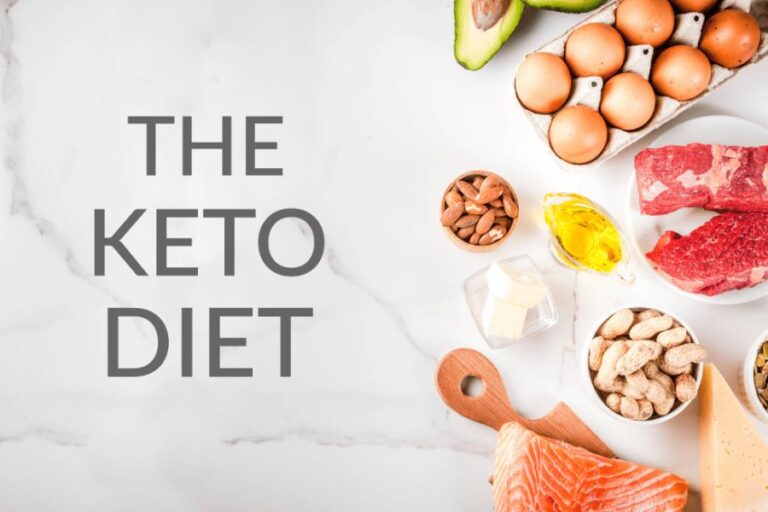
Eggs and dairy products are naturally low in carbohydrates yet high in protein and fat, which makes them ideal for a low carb vegetarian diet. They also supply vitamin B12, a nutrient that is not present in plant foods and is essential to avoid anemia and nerve problems (Healthline, NCBI).
Soy-based foods are another cornerstone. Tempeh, a fermented soybean product, is considered one of the best low carb vegetarian protein sources, with plenty of protein and healthy fats per serving (Arizona Gynecology Consultants). It fits easily into stir-fries, salads, and bowls. Paneer, a fresh Indian cheese, offers about 21 grams of protein and only 3.5 grams of carbohydrates per 3.5 ounce serving, which makes it another standout for low carb vegetarian meals (Camille Styles). Halloumi cheese brings about 7 grams of protein and virtually 0 grams of carbohydrates per ounce, so it is perfect for grilling or pan searing (Camille Styles).
You can also keep things simple with eggs. A single cooked egg provides around 6 grams of protein and only about 0.6 grams of carbohydrates, so a two or three egg meal can form a solid low carb base for breakfast or dinner (Camille Styles).
Make carb-conscious swaps in your favorite meals
You do not need to reinvent your entire menu to eat lower carb. Instead, you can start by reworking meals you already love.
If you usually rely on rice or noodles, try using cauliflower rice in a stir-fry or as the base for a grain bowl. Broccoli “fried rice” is one practical idea that pairs finely chopped broccoli with vegetables, nuts, and eggs for a satisfying dish that skips most of the starch (Arizona Gynecology Consultants).
If pasta is a staple, explore zucchini noodles or spaghetti squash with a rich tomato and cheese sauce. Swap white bread for smaller portions of dense whole grain bread, or use large lettuce leaves as wraps around grilled halloumi or marinated tempeh.
When you serve beans or lentils, treat them as a side instead of the main. Combine a modest portion of chickpeas with plenty of leafy greens, low carb vegetables, and a generous helping of paneer or tofu. This way you still enjoy their fiber and nutrients without overshooting your carb goals.
Keep fiber, nutrients, and health risks in mind
One of the biggest risks of a poorly planned low carb diet is that you may crowd out fiber-rich plant foods. Fiber is essential for your gut microbiome, digestion, and long-term health. Diets that skimp on fiber can increase the risk of inflammation, obesity, and diabetes (Healthy For Life Meals).
You can avoid this pitfall by focusing your carbs on high quality sources such as:
- Non-starchy vegetables like leafy greens, broccoli, cauliflower, zucchini, peppers, and mushrooms.
- Moderate portions of lower sugar fruits, such as berries.
- Smaller servings of legumes and whole grains if they fit your carb range.
It also helps to know that very low carb diets may slow your metabolism over time. Extended severe restriction can lead to metabolic adaptation, which makes continued weight loss harder without further cutting calories or increasing exercise (Healthy For Life Meals). If you notice your progress stalling despite significant effort, your body might be signaling that you need a more balanced approach.
As a vegetarian or vegan, you should also pay attention to nutrients that are easier to miss. Vitamin B12, iron, zinc, calcium, and adequate protein all deserve your attention, especially if you are older, pregnant, or planning a family. Well-planned vegetarian diets with plenty of whole plant foods and proper supplementation can lower blood pressure, improve cholesterol, and reduce the risk of type 2 diabetes and colorectal cancer, but poorly planned vegetarian diets high in refined carbs and processed foods increase health risks instead (NCBI).
Compare low carb to other plant-based options
You might be wondering if low carb is the only way to manage your weight or blood sugar as a vegetarian. It is not. Research suggests that low fat, high carbohydrate plant-based diets can be powerful as well.
In a 2021 NIH study, adults following a low fat, plant-based diet, which was about 75.2 percent carbohydrates, naturally ate 550 to 700 fewer calories per day than when they ate a low carbohydrate, animal-based diet (NIH). Participants lost weight with both diets, but only the plant-based, low fat diet caused a significant loss of body fat, even though it led to higher blood glucose and insulin levels in the short term (NIH).
Other research has found that a low fat vegan diet can improve HbA1c, body weight, LDL cholesterol, and medication use more than a conventional diabetic diet for people with type 2 diabetes (NCBI). This means you have more than one evidence-based path if you want to use a vegetarian diet to manage your health.
A simple way to look at it is this.
Low carb vegetarian diets and higher carb, low fat vegan diets can both support weight loss and better health. The “best” option is the one you can follow comfortably that fits your medical needs and food preferences.
If you feel better with a bit more carbohydrate, you can still improve your health by choosing whole plant foods and limiting refined sugars and heavily processed products.
Build a sample low carb vegetarian day
To see how everything fits together, imagine a sample day that aims for relatively low carbs while keeping your meals satisfying and nutrient dense.
- Breakfast: Vegetable omelet with two or three eggs, spinach, mushrooms, and cheese, served with half an avocado.
- Lunch: Grilled halloumi salad with mixed greens, cucumber, cherry tomatoes, olives, and olive oil vinaigrette. Add a small portion of chickpeas if your carb allowance permits.
- Snack: A handful of nuts, such as almonds or walnuts, plus a few berries.
- Dinner: Paneer tikka kebabs with roasted cauliflower and a side of sautéed green beans. If you are vegan, swap paneer for marinated tempeh or tofu.
- Evening: Herbal tea and a small serving of Greek yogurt or unsweetened plant-based yogurt, depending on your preferences.
This style of eating leans on eggs, dairy, soy products, and non-starchy vegetables to keep carbs lower without leaving you hungry.
Move forward with confidence
A low carb diet vegetarian lifestyle is not about perfection or rigid rules. It is about understanding how carbs, protein, and fat work together in your body, then choosing foods that match your goals.
Start by slightly reducing obvious starches, add more high protein vegetarian staples like eggs, tempeh, paneer, or halloumi, and fill your plate with vegetables. Use a nutrition tracker for a few weeks so you can see where you stand and adjust as needed. If you have diabetes, metabolic syndrome, or other medical conditions, check in with a healthcare professional or registered dietitian before making big changes so you can tailor your carb range to your specific needs.
Over time, you will learn which low carb vegetarian meals keep you energized, satisfied, and moving steadily toward better health.
About the Author