A diet made entirely of meat and animal products sounds like the fastest way to lose weight or “reset” your body. If you are wondering whether the carnivore diet can really help you drop pounds and improve your health, you are not alone. Before you clear your fridge of anything green, it helps to understand how this way of eating actually works, what the science says, and what risks you take on.
What the carnivore diet actually is
At its simplest, the carnivore diet is a zero carb, all animal foods eating plan. You eat only meat and other animal products and you cut out all plant foods.
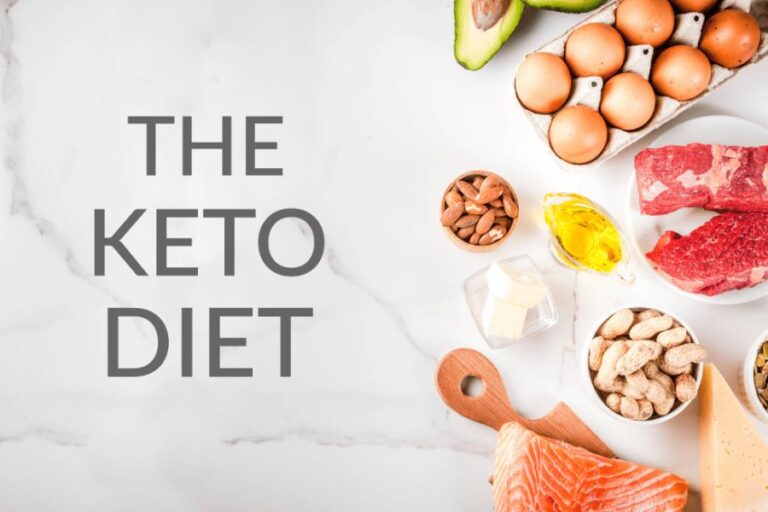
You typically eat:
- Beef, pork, lamb, and other red meat
- Poultry like chicken and turkey
- Fish and seafood
- Eggs
- Some dairy, often high fat options like cheese and butter
You avoid:
- All fruits and vegetables
- Whole grains and any products made from them
- Beans and lentils
- Nuts and seeds
- Sugars, sweets, and most processed foods
Registered dietitians describe it as an extreme version of a low carb or ketogenic diet, since it allows virtually no carbohydrate intake at all (Inspira Health Network, Harvard Health Publishing). You get 60 to 80 percent of your calories from fat and 20 to 40 percent from protein, with carbohydrates typically below 5 percent of energy intake (Nutrients via PubMed Central).
Why the carnivore diet might cause weight loss
If you eat only animal foods, you are almost guaranteed to lose some foods you usually overeat, like bread, sweets, and snacks. That alone can lower your calorie intake. But there are several other reasons the carnivore diet can lead to short term weight loss.
Very low carb leads to ketosis
Because you cut out nearly all carbohydrates, your body quickly uses up its stored glycogen and starts burning fat as its primary fuel. This metabolic state is called ketosis. Harvard Health notes that the carnivore diet is considered the most ketogenic diet because of how little carbohydrate it allows (Harvard Health Publishing).
Early on, you also lose water weight as glycogen stores shrink. This is one reason you might see the scale drop fast during the first one or two weeks.
Protein and fat can reduce appetite
High protein and fat intake can make you feel fuller for longer. When you are not snacking on refined carbohydrates and sugary foods, it often becomes easier to eat fewer calories overall. Healthline points out that this satiety effect may be one of the main reasons people lose weight on the carnivore diet, even without counting calories (Healthline).
Food choices become very limited
When almost all “fun” foods are off the table, your eating becomes more repetitive and less stimulating. That can lower the urge to overeat. You are unlikely to binge on plain steak night after night in the same way you might with chips, ice cream, or bakery bread.
In other words, the carnivore diet can work for weight loss in the short term mostly because it makes overeating harder, not because meat has magical fat burning properties.
What the research actually shows
If you search online, you will find many stories of dramatic transformations. However, when you look specifically at scientific evidence, things become less impressive and far less certain.
Health organizations and nutrition experts repeatedly point out that there are no controlled clinical trials that test the carnivore diet for weight loss, diabetes, inflammation, or mental health benefits (Healthline, Center for Nutrition Studies). What exists at the moment is:
- Self reported surveys of people who already chose the diet
- Short descriptions of individual experiences
- Older anecdotes, such as accounts of Arctic explorers
For example, a 2019 survey of more than 2,000 people following the carnivore diet for 9 to 20 months found many participants reported weight loss and better blood sugar control, and some reduced or stopped diabetes medications (WebMD). A later 2021 survey also found self reported weight loss and relatively few adverse effects, but both studies had important limitations, including lack of medical verification and input from diet advocates in developing questions, which can bias results (Center for Nutrition Studies).
So you can say that:
Many people report losing weight and feeling better on the carnivore diet, but rigorous, long term research backing these claims is almost nonexistent.
Major organizations like the Cleveland Clinic, British Heart Foundation, and Harvard Health emphasize that current evidence does not support the carnivore diet as a recommended or proven weight loss strategy (Cleveland Clinic, British Heart Foundation, Harvard Health Publishing).
Health risks you need to weigh
Even if the carnivore diet helps you lose weight at first, you also need to consider how it affects the rest of your body. Most experts are openly concerned about its long term safety.
Higher heart and blood vessel risks
Eating mostly meat, especially red and processed meat, means a lot of saturated fat and cholesterol. This pattern tends to raise LDL, or “bad,” cholesterol levels, which is strongly linked to heart disease and stroke (Harvard Health Publishing).
The British Heart Foundation notes that high intake of saturated fat and processed meat can raise non HDL cholesterol and blood pressure, both of which increase the risk of coronary heart disease and stroke. They remind you that the NHS recommends limiting red and processed meat to 70 grams or less per day, which is far below what a typical carnivore diet provides (British Heart Foundation).
No fiber and missing plant nutrients
All plant foods are off limits, which means you get no dietary fiber at all. Fiber is only found in plant foods and it is crucial for healthy digestion, smoother bowel movements, lower cholesterol, and reduced risk of heart and circulatory disease (British Heart Foundation).
Without fiber, you are more likely to experience constipation and other digestive problems. You also miss out on antioxidants and plant compounds that help reduce inflammation and protect against chronic diseases such as certain cancers and type 2 diabetes (Healthline).
Possible nutrient gaps
A 2025 nutrient analysis of four sample carnivore meal plans in Australia found that while the diet met reference values for some nutrients like vitamin B12, zinc, and selenium, it fell short for others, especially thiamin, magnesium, calcium, vitamin C, and often iron, folate, iodine, and potassium. Fiber intake was far below recommendations (Nutrients via PubMed Central).
Including organ meats like liver and some dairy improved iron and calcium intake, but potential shortfalls remained. The researchers also noted that sodium intake was extremely high, up to 15 to 20 times recommended levels, which can affect blood pressure and heart health (Nutrients via PubMed Central).
Kidney, bone, and metabolic concerns
Very high protein intake can strain your kidneys, especially if you already have reduced kidney function. Harvard Health lists increased risk of kidney stones, gout, osteoporosis, and possible impaired kidney function among the long term risks of a high protein, all meat diet (Harvard Health Publishing).
WebMD and Healthline also note that the carnivore diet may raise blood pressure and is likely unsafe for people with kidney disease, heart disease, diabetes, or high blood pressure, partly due to its high saturated fat, cholesterol, and sodium content (WebMD, Healthline).
What experts actually recommend instead
Across different hospitals and heart health organizations, the guidance is surprisingly consistent. Dietitians at the Cleveland Clinic, Inspira Health, Baylor Scott & White, and the British Heart Foundation all advise against the carnivore diet for most people, mainly due to its restrictiveness and potential long term harms (Cleveland Clinic, Inspira Health Network, Baylor Scott & White Health, British Heart Foundation).
Instead, they suggest:
- Eating a variety of whole foods from different groups
- Building meals around vegetables, fruits, whole grains, and lean proteins
- Making gradual, sustainable changes so your diet is easier to maintain long term
These patterns, including Mediterranean or plant forward diets, have decades of research showing they can support weight loss, lower blood pressure, improve cholesterol, and reduce risk of chronic disease. In contrast, the long term effects of the carnivore diet are largely unknown and may be harmful (Inspira Health Network, Baylor Scott & White Health).
When considering carnivore, ask yourself these questions
If you still feel drawn to the carnivore diet for weight loss, it can help to pause and check in with a few practical questions:
-
Is this realistic for you beyond a few weeks?
Social events, travel, and cravings can make an all meat plan difficult to maintain. Dietitians note that extreme diets often lead to yo yo weight cycles. -
Do you have any underlying health conditions?
If you have diabetes, kidney problems, heart disease, high blood pressure, or a history of high cholesterol, you should talk with your doctor or a registered dietitian before making any drastic changes. Multiple health systems specifically warn that the carnivore diet may not be safe for these groups (Healthline, WebMD). -
Could a less extreme low carb approach work just as well?
You may be able to get many of the same benefits, such as improved blood sugar and weight loss, by choosing a moderate low carb pattern that still includes vegetables, some fruit, and healthy fats. -
What is your plan for nutrients you will miss?
If you decide to try a short term carnivore phase, you need a strategy for nutrients like vitamin C, calcium, magnesium, and fiber. Some might require supplements, but you should only make those decisions with professional guidance.
How to pursue weight loss in a safer way
You do not have to follow an extreme, all meat protocol to lose weight effectively. You can borrow some ideas that help people succeed on the carnivore diet while keeping a more balanced plate.
You might:
- Prioritize protein at each meal to stay full, using a mix of lean meat, fish, eggs, and plant proteins
- Cut back on refined carbs like white bread, pastries, sugary drinks, and candy
- Fill half your plate with vegetables, which provide fiber and volume for very few calories
- Include healthy fats from sources like olive oil, nuts, seeds, and avocado
- Focus on slow, steady changes that you can imagine following for at least a year
If you are curious about very low carb eating, a dietitian can help you design a version that still includes some plant foods so you get enough fiber and essential vitamins. That way you can test how your body responds without taking on the full risks of a strict carnivore plan.
The bottom line
The carnivore diet can lead to quick weight loss for many people, mostly because it cuts out nearly all processed and high carb foods and makes it difficult to overeat. However, the scientific research behind it is thin, and major health organizations consistently warn about possible long term harms, including heart disease, nutrient deficiencies, digestive issues, and kidney and bone problems.
If your goal is sustainable weight loss and better health, you are more likely to get there with a balanced, whole food diet that you can live with comfortably. Before trying an extreme plan like the carnivore diet, consider meeting with your doctor or a registered dietitian to build an approach that fits both your goals and your long term health.
About the Author