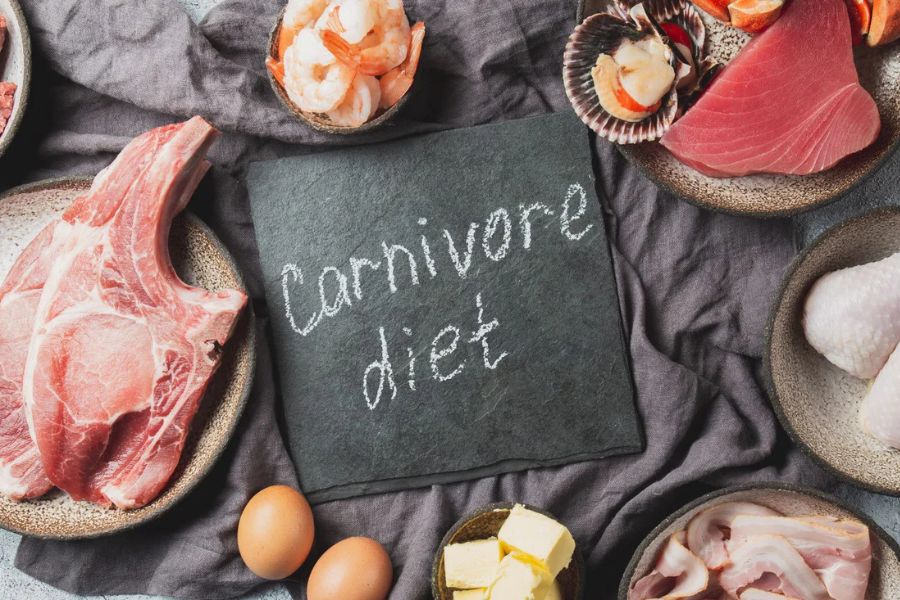
A strict carnivore diet can feel surprisingly simple. You eat meat, eggs, maybe some dairy, and that is it. The challenge is that your body still needs a wide range of vitamins, minerals, and other nutrients that usually come from plants. That is where smart carnivore diet supplements come in.
Below, you will learn which nutrients are most likely to be low on a carnivore diet, what the research says, and how you can build a supplement routine that actually fits your body and your goals.
What the research says about nutrient gaps
Recent research has started to look closely at whether an all‑animal diet can meet daily nutrient needs.
A 2024 study designed several theoretical carnivore diet meal plans and compared them to Australian and New Zealand nutrient reference values. The plans did quite well for certain nutrients like riboflavin, niacin, phosphorus, zinc, vitamin B6, vitamin B12, selenium, and vitamin A, but they fell short for others, including thiamin, magnesium, calcium, and vitamin C, with additional gaps for iron, folate, iodine, and potassium in some cases (PubMed).
Fiber intake was also far below recommended levels, which is expected when you remove plants, and sodium levels were much higher than ideal because of heavy salt use (PubMed).
A 2025 analysis of four carnivore diet variations found similar patterns. The meal plans still met or exceeded needs for several B vitamins and minerals but consistently missed targets for thiamin, magnesium, calcium, iron, vitamin C, iodine, and folate (News-Medical). Even when dairy was included, calcium only reached about three‑quarters of the recommended intake, and salt levels were 15 to 20 times higher than advised due to added sodium (News-Medical).
The takeaway from these studies is simple. A carnivore diet can cover many nutrients, but you are likely to miss some important ones without careful planning and, for most people, targeted supplements.
Key nutrients you are likely missing
You are not guessing in the dark here. Multiple nutrition experts and brands that focus on carnivore diets call out the same common gaps.
According to carnivore‑focused guides, cutting out fruits, vegetables, and whole grains can leave you short on vitamin C, fiber, potassium, magnesium, calcium, and some forms of vitamin E (Carnivore Snax). Other sources add that you may also struggle to get enough iodine, folate, and certain electrolytes if you are avoiding dairy and organ meats.
Here are the nutrients that usually need extra attention on a carnivore diet:
- Vitamin C
- Vitamin D
- Magnesium
- Potassium and other electrolytes
- Calcium, especially if you avoid dairy
- Omega‑3 fatty acids
- Fiber alternatives for gut health
You will see these come up again and again in supplement recommendations from brands like Country Life Vitamins, Fastic, Uncle Gym, and Carnivore Snax.
Vitamin C: Non‑negotiable on carnivore
Vitamin C is one of the clearest nutritional gaps when you stop eating plants. Most of the vitamin C in a typical diet comes from fruits and vegetables, not meat.
Country Life Vitamins notes that animal foods generally do not provide enough vitamin C to reach the adult recommendation of 70 to 90 milligrams per day, which is important for immune support, collagen formation, and iron absorption (Country Life Vitamins). They describe vitamin C as essential for anyone on a carnivore diet.
In practical terms, that means you are very unlikely to get enough vitamin C from meat alone over the long term. A straightforward vitamin C supplement, in a moderate daily dose, gives you a simple safety net without changing your food choices.
If your main goals with carnivore are better energy, fewer cravings, or weight loss, keeping your immune system and connective tissues strong with sufficient vitamin C helps you stay consistent instead of getting derailed by fatigue or slow recovery.
Vitamin D and K2: Support bones and hormones
Vitamin D is a challenge on almost every way of eating, not just carnivore. Most of it comes from sun exposure, not food. That is why vitamin D deficiency is common in the general population.
Country Life Vitamins recommends 600 to 800 international units (IU) per day for adults to support bone density, immune health, and hormones, especially if you are indoors often or live in a region with limited sunlight (Country Life Vitamins). UK‑based Uncle Gym echoes the importance of vitamin D3, particularly in autumn and winter, to help maintain hormone balance and bone health on a carnivore diet (Uncle Gym).
Carnivore Snax also highlights vitamin D and vitamin K2 together, since they work in tandem to guide calcium to your bones rather than your arteries. They recommend a combined D3 and K2 supplement for bone, immune, and cardiovascular support, especially if you do not get much sun or eat many K2‑rich foods like certain cheeses and egg yolks (Carnivore Snax).
If you want your carnivore diet to be sustainable, not just a short‑term weight loss experiment, keeping your vitamin D in a healthy range is one of the best long‑term investments you can make.
Magnesium and electrolytes: Avoid energy crashes
Magnesium and potassium sit at the center of many issues people blame on “keto flu” or “carnivore flu.” Once you drop carbohydrates, insulin levels fall, you excrete more water, and with it you lose electrolytes.
Why magnesium matters
Magnesium is heavily concentrated in plant foods, so it is easy to under‑consume on a carnivore diet.
Country Life Vitamins explains that magnesium is involved in more than 300 enzymatic reactions and supports muscle strength, bone health, sleep, digestion, and hormone balance. They generally recommend 310 to 420 milligrams per day for adults, and they note that deficiency is common in plant‑free diets (Country Life Vitamins).
Fastic and Uncle Gym both highlight magnesium as a key supplement to help with muscle cramps, fatigue, and general performance on carnivore. Uncle Gym specifically points to magnesium‑rich products as a way to support hydration and energy when carbohydrates are low (Uncle Gym).
Potassium, sodium, and fluid balance
You probably get plenty of sodium on carnivore, maybe more than you need. The 2025 study mentioned earlier found sodium intake 15 to 20 times higher than recommended in carnivore meal plans because of added salt (News-Medical). At the same time, potassium and magnesium can lag behind.
Country Life Vitamins notes adequate potassium intakes of about 2600 milligrams for women and 3600 milligrams for men, and suggests that low‑carb carnivore approaches can lead to potassium deficits and electrolyte imbalances if you are not careful (Country Life Vitamins).
Carnivore Snax suggests sodium, potassium, and magnesium as a trio in electrolyte supplements to support nerve function, heart health, and muscle performance, especially when your carbohydrate intake is very low (Carnivore Snax).
To keep things simple, you can use an electrolyte powder or capsules that contain sodium, potassium, and magnesium in balanced amounts. Look for sugar‑free products that use well‑absorbed forms like citrates or chelates.
Calcium and iron: Depends on your food choices
Your need for supplements in this category depends heavily on how you structure your carnivore meals.
Calcium if you limit dairy
If you avoid dairy, your calcium intake can be surprisingly low. The 2025 carnivore meal plan study showed that even with dairy, calcium intake only reached 74 percent of the recommended daily intake for men and 84 percent for women, which is still below the 1000 milligrams per day target (News-Medical).
The researchers suggest that people on dairy‑free carnivore plans may particularly benefit from calcium and magnesium supplements to close this gap (News-Medical).
If you drink milk, eat cheese, or enjoy bone‑in fish like sardines regularly, you may already be close to your needs. If not, a modest calcium supplement can pair well with your vitamin D and K2.
Iron and organ meats
Iron is less of a concern if you eat plenty of red meat and organ meats. In the 2025 study, adding liver to the carnivore meal plans was enough to push iron intake over the recommended levels for women, who generally need more iron than men (News-Medical).
If you are a woman with heavy periods, have a history of low iron, or simply do not enjoy organ meats, you may want to have your iron levels tested and talk with a healthcare professional before deciding on a supplement. Too much iron can be just as problematic as too little.
Omega‑3s: Balance your fats
A typical carnivore plate is rich in protein and fat, but not all fats act the same way in your body. If you rely mostly on fatty cuts of meat, you may end up with a higher ratio of omega‑6 to omega‑3 fats, which can influence inflammation over time.
Carnivore Snax points to omega‑3 supplements like fish oil or krill oil as useful additions, particularly if you do not eat fatty fish often. These provide EPA and DHA, the omega‑3s most strongly linked to brain health and inflammation control. Krill oil has the added benefits of phospholipids and the antioxidant astaxanthin for better absorption and antioxidant support (Carnivore Snax).
Country Life Vitamins also recommends omega‑3s for those who do not regularly eat fatty fish or grass‑fed meats, partly to help balance the pro‑inflammatory potential of certain meats (Country Life Vitamins).
If you want clear thinking, better workout recovery, and long‑term heart support while staying carnivore, an omega‑3 supplement is one of the easiest wins.
Gut support: Fiber alternatives, bone broth, and enzymes
You are probably aware that the carnivore diet contains virtually no traditional dietary fiber. That does not automatically mean your digestion is doomed, but you do need to think about gut health in a different way.
The 2024 study on carnivore meal plans confirmed that fiber intake was significantly below recommended levels, which they flagged as a major limitation of eating only animal foods (PubMed).
Several sources recommend tools that help your gut adapt:
-
Bone broth
Carnivore Snax describes bone broth as a natural, nutrient‑dense addition that provides minerals, collagen, amino acids, and electrolytes to support gut, skin, and joint health. They suggest choosing broth from grass‑fed, pasture‑raised animals that is slow‑simmered without added sugar, salt, or artificial flavors (Carnivore Snax). -
Digestive enzymes
Country Life Vitamins recommends digestive enzyme supplements, including Betaine Hydrochloride and papaya‑based formulas, to help you break down the higher fat and protein content of carnivore meals and to reduce bloating and gas during the transition phase (Country Life Vitamins). -
Probiotics
Carnivore Snax also notes the potential value of probiotics alongside digestive enzymes to support gut health when dietary fiber is very low (Carnivore Snax).
You do not need to overload on all of these at once. You can start with one or two, see how your digestion responds, and adjust.
If you notice constipation, cramping, or new digestive discomfort after switching to carnivore, look first at hydration and electrolytes, then consider digestive enzymes or bone broth as gentle support.
Multivitamins and organ blends: Your “safety net” option
If you prefer a minimal, no‑fuss supplement routine, a quality multivitamin or organ meat blend can cover several bases at once.
Fastic highlights multivitamins as a helpful “safety net” on a carnivore diet, especially for nutrients like vitamin C, magnesium, electrolytes, vitamin D, and omega‑3s if your food intake is limited or repetitive (Fastic). They also emphasize that your needs vary with age, sex, activity, and health status, so the ideal choice will look slightly different from person to person (Fastic).
Uncle Gym suggests a well‑rounded multivitamin to help cover essential vitamins and trace minerals that may not appear consistently in an all‑animal diet (Uncle Gym).
Organ blends made from freeze‑dried liver, heart, and other organs offer a more “food‑based” approach. These can boost your intake of iron, B12, vitamin A, and other micronutrients that are naturally concentrated in organs. The 2025 carnivore meal plan study showed that including liver alone was enough to meet iron requirements for women (News-Medical).
If you are not a fan of organ meat texture or taste, capsules can be an easier route.
Matching supplements to your goals
Not everyone on a carnivore diet needs the same supplements. Your choices should reflect your goals, your current health, and how strict you plan to be.
Here is a simple way to think about it:
-
Weight loss and steady energy
Focus on electrolytes, magnesium, and vitamin D to smooth out low‑carb adaptation and support metabolism. Consider omega‑3s if you rarely eat fish. -
Joint comfort and recovery
Prioritize omega‑3s, vitamin D and K2, and possibly bone broth for collagen and minerals. -
Hormone and mood support
Make vitamin D non‑negotiable. Magnesium, omega‑3s, and adequate iron or organ intake can also help. -
Long‑term health and “insurance”
A moderate multivitamin or organ blend can back up a meat‑heavy diet, along with vitamin C and magnesium as targeted additions.
Before you start any new supplement, especially if you have medical conditions or take medications, it is wise to check in with a healthcare professional. Several sources, including Fastic, emphasize the value of personalized guidance so you can match doses and products to your actual needs (Fastic).
Putting it all together
A well‑planned carnivore diet gives you plenty of protein, B vitamins, iron, and zinc. At the same time, the research and expert guidance make it clear that some nutrients are harder to get from meat alone, particularly vitamin C, vitamin D, magnesium, potassium, calcium, and omega‑3s (PubMed, News-Medical, Carnivore Snax).
If you want your carnivore experiment to turn into a sustainable lifestyle, start with a short, focused list:
- Vitamin C
- Vitamin D (often with K2)
- Magnesium and balanced electrolytes
- Omega‑3s if you eat little fish
- Calcium if you avoid dairy, or a multivitamin or organ blend as a general backup
From there, listen to your body, track how you feel, and adjust. A few well‑chosen carnivore diet supplements can help you enjoy the simplicity of an all‑animal approach while still giving your body what it needs to feel strong, clear‑headed, and resilient over time.
About the Author