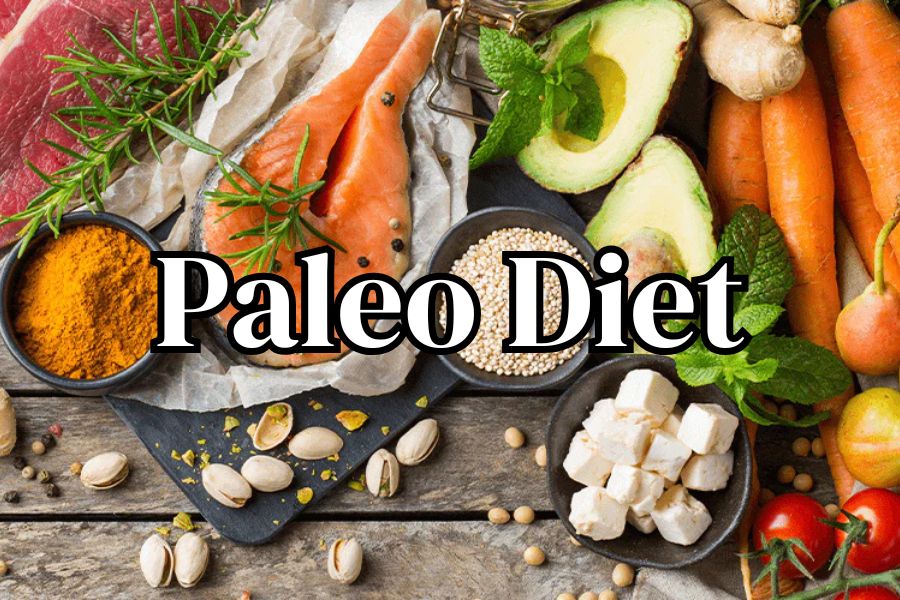
A paleo diet can be a powerful tool for weight loss because it simplifies how you eat. You focus on whole foods like vegetables, fruits, meat, fish, eggs, nuts, and seeds, and you skip modern staples such as grains, legumes, most dairy, and processed products that arrived with agriculture about 10,000 years ago (Mayo Clinic). By doing this, you naturally cut many of the foods that tend to cause cravings and overeating.
You will not count calories or obsess over macro ratios on a classic paleo diet, because the plan relies on nutrient dense, unprocessed foods that help regulate appetite and fullness on their own (The Paleo Diet). If your goal is to lose weight and feel healthier, this back to basics approach can be both effective and surprisingly satisfying.
Understand what the paleo diet is
At its core, the paleo diet is built around foods your hunter gatherer ancestors could have foraged or hunted. You center your meals on vegetables, lean meats, fish, eggs, nuts, seeds, and some fruit, and you avoid items that rely on modern farming or industrial processing, such as grains, legumes, most dairy, refined sugar, and highly processed snacks (Mayo Clinic).
Modern versions of paleo vary, but they usually share a few common ideas:
- You eat mostly whole, unprocessed foods
- You prioritize plenty of vegetables
- You choose natural meats and seafood, ideally grass fed or wild caught when possible (EatingWell)
- You keep added sugars, refined oils, and packaged foods to a minimum
Some approaches are strict, others are flexible. Many people now follow a more relaxed style that allows you to eat 50 to 85 percent paleo and still see benefits such as lower inflammation, better blood lipids, improved blood sugar, and weight loss (The Paleo Diet).
See how paleo supports weight loss
You might assume weight loss on paleo happens just because you eat fewer carbs, but there is more going on. Several features of the diet work together to help you naturally reduce calories without feeling like you are on a rigid, low calorie plan.
You cut most ultra processed foods
Ultra processed foods tend to combine refined flour, sugar, cheap oils, and flavor enhancers into products that are easy to overeat. When you commit to a paleo diet, you remove these by default, since the plan excludes refined grains, added sugars, and processed snacks (EatingWell).
With those foods gone, your daily intake often drops on its own. You fill up on real food instead of chips, pastries, and sugary drinks that can add a lot of calories without much satisfaction.
You eat more protein and fiber rich foods
Typical paleo meals are higher in protein and often rich in fiber from vegetables and some fruits. Research suggests that paleo style diets tend to provide about 19 to 35 percent of calories from protein (NCBI Bookshelf). Protein is known to improve satiety, which helps you stay full between meals and reduces the urge to snack.
Non starchy vegetables like leafy greens, peppers, and broccoli also play a large role in a well planned paleo diet. These foods add volume, micronutrients, and fiber so you feel like you are eating generous portions, even while you are in a calorie deficit (NUNM).
You stabilize blood sugar
Because you avoid refined grains, sugary foods, and most processed products, your blood sugar tends to move in gentler waves. Short term studies show that a paleo diet can improve markers of carbohydrate metabolism by lowering fasting glucose, insulin, and glycated hemoglobin (HbA1c) (PMC, MDPI).
Steadier blood sugar usually means fewer crashes, fewer intense cravings, and less emotional eating. That makes it much easier for you to stick to your plan without feeling like you are constantly fighting your appetite.
You may naturally eat fewer calories
People who move to paleo often report feeling fuller on less food. Clinical research backs this up. A meta analysis of 21 randomized controlled trials found that adults following a Paleolithic diet lost an average of 5.8 kilograms in the short term, compared with 3.9 kilograms in control diets, which suggests a stronger impact of paleo on weight loss even without strict calorie counting (PMC, MDPI).
Another study on postmenopausal women showed about 9 percent weight loss at six months and 10.6 percent at twelve months on paleo, with results maintained at 24 months, which indicates that the diet can be effective for weight loss, especially in the first year (Healthline).
Explore the health benefits beyond the scale
If you are interested in paleo only for weight loss, it helps to remember that the benefits go wider. Many of the changes that help you lose weight also improve your metabolic health and heart health.
Clinical studies suggest that a paleo diet can:
- Reduce waist circumference, triglycerides, and blood pressure
- Improve insulin sensitivity and fasting glucose
- Lower total and LDL cholesterol more than some standard control diets in long term follow up (NCBI Bookshelf; PMC, MDPI)
These improvements may be largely due to eating more fruits and vegetables and avoiding highly processed foods, rather than anything magical about the Paleolithic era itself. Large studies point out that other whole food patterns, such as the Mediterranean diet, can offer similar cardiovascular benefits while including whole grains, legumes, and low fat dairy (Mayo Clinic).
Know the potential downsides
Paleo can work very well for weight loss, but it is not perfect for everyone. Before you dive in, it helps to understand the common concerns and decide whether you want a strict or flexible version.
Possible nutrient gaps
Since a strict paleo diet removes all grains, legumes, and most dairy, you lose some usual sources of fiber, calcium, vitamin D, and certain B vitamins. Experts warn that this restriction can create nutrient deficiencies if you are not careful with your food choices (Mayo Clinic).
Some evidence also suggests that long term exclusion of grains and legumes may reduce prebiotic fiber intake and could affect markers like trimethylamine N oxide (TMAO), which is linked with cardiovascular risk, although research is still developing (NCBI Bookshelf).
You can reduce these risks by emphasizing a wide variety of vegetables, including leafy greens and cruciferous options, choosing fish with edible bones such as canned salmon for calcium, spending time outdoors for vitamin D synthesis when possible, and talking with a healthcare provider about whether you need supplements.
Cost and practicality
Fresh produce, quality meats, and specialty paleo products can be more expensive than grains and legumes. Some people find that a strict paleo diet requires more time, resources, and consistent access to fresh ingredients than they can realistically manage, especially if you cook for a family or work long hours (NUNM).
A flexible approach that allows some budget friendly foods, such as occasional beans or yogurt, may be more sustainable while still keeping processed foods low.
Suitability for your lifestyle
If you follow a vegetarian or vegan diet, strict paleo will be very difficult to implement, since legumes and grains are primary protein sources that paleo excludes (NUNM). In this case, you might borrow some paleo principles, such as cutting ultra processed foods and added sugars, without fully following the plan.
Major health organizations also have not officially endorsed the paleo diet, mainly due to questions about its long term balance and sustainability, and because evidence does not clearly prove that it is superior to other well designed, plant forward diets (NCBI Bookshelf). That is another reason to see paleo as one tool among many rather than the only healthy option.
Build a realistic paleo plate
To get the weight loss benefits without feeling deprived, it helps to picture what a typical paleo day on your plate might look like.
Focus on plants first
Although many people think of paleo as heavy on meat, well structured versions are actually plant centered. You will want non starchy vegetables to take up a large share of each meal. Think leafy greens, peppers, tomatoes, zucchini, carrots, and similar colorful options. These foods provide volume, vitamins, minerals, and fiber while staying low in calories (NUNM).
Starchy vegetables such as potatoes and higher sugar fruits like bananas are usually allowed but can be eaten in moderation if you are watching your weight or blood sugar (EatingWell).
Add quality protein and healthy fats
Round out your plate with a palm sized serving of lean meat, poultry, eggs, or fish, and add healthy fats from foods like avocado, olives, nuts, and seeds. Paleo guidelines often encourage you to choose grass fed meats and wild, sustainably sourced seafood when you can, because these can have more favorable fat profiles with higher omega 3 content and lower inflammatory fats (EatingWell).
Plenty of people appreciate that there is no need to weigh or measure everything you eat. Instead, you build satisfying meals from nutrient dense ingredients and let your appetite guide you (The Paleo Diet).
Enjoy flexible extras in moderation
Some modern paleo plans allow room for coffee and moderate alcohol intake. Coffee is now considered safe and even beneficial for most people, and if you drink alcohol, you might choose options like sulfite free red wine or certain spirits rather than beer, which contains gluten containing grains (The Paleo Diet).
Sweet treats are not completely off limits either. You can occasionally make desserts using natural sweeteners like honey and grain free flours such as almond flour instead of wheat, especially if you follow a more relaxed PaleoFLEX style (The Paleo Diet).
Helpful guideline: Start by making 1 or 2 meals per day mostly paleo for a few weeks instead of overhauling everything at once. This makes it easier to notice which changes help your energy, cravings, and weight.
Decide if paleo is right for you
You do not need to eat exactly like a cave dweller to lose weight or improve your health. However, the core ideas behind the paleo diet eating plenty of vegetables, focusing on whole and minimally processed foods, prioritizing protein, cutting refined sugar, and moving your body regularly are all sound.
If you like the idea of simple, satisfying meals without strict counting, and you are willing to plan around the excluded food groups, paleo can be a helpful framework for weight loss. On the other hand, if you love whole grains, rely on beans for protein, or follow a vegetarian pattern, you might take inspiration from paleo without adopting every rule.
Either way, consider talking with a registered dietitian or healthcare provider before you make big changes, especially if you have chronic conditions or take medications. With a bit of planning and a flexible mindset, you can borrow the best parts of the paleo diet to support steady, sustainable weight loss and better overall health.
About the Author