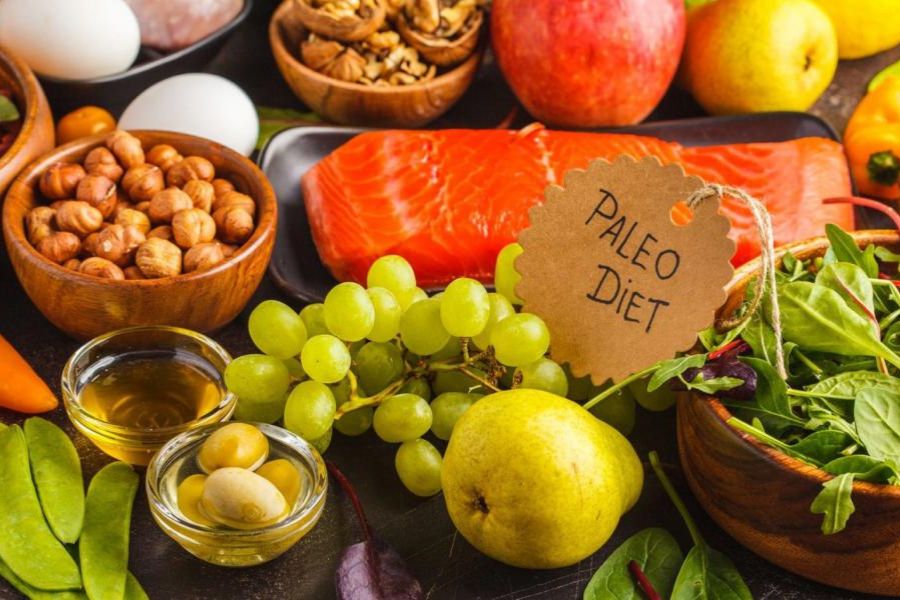
A paleo plate is very different from the standard modern diet, and if you live with an autoimmune condition, that difference can matter. Research suggests that both the paleo diet and the stricter Autoimmune Protocol (AIP) version can help reduce inflammation, support gut health, and improve quality of life for some people with autoimmune disease (Green Chef, NCBI – Metabolism Open). While this is not a cure and it is not right for everyone, it can be a powerful tool to explore with your healthcare team.
Below, you will learn how the paleo diet and autoimmune disease connect, how the AIP diet fits in, and practical ways to experiment with these approaches safely.
Understand paleo diet basics
The paleo diet focuses on eating in a way that resembles the dietary pattern of your hunter gatherer ancestors. In practice, that means you emphasize whole, minimally processed foods and avoid many modern staples.
You typically eat:
- Vegetables and fruits
- Meat, poultry, and fish
- Eggs, in a standard paleo diet
- Nuts and seeds
- Healthy fats like olive oil, avocado oil, and coconut products
You typically avoid:
- Grains, including wheat, corn, oats, and rice
- Legumes, such as beans, lentils, soy, and peanuts
- Most dairy
- Refined sugar and processed foods
This way of eating tends to be naturally lower in ultra processed items and added sugars and higher in protein, fiber from vegetables, and healthy fats. Those shifts alone can support weight management and better blood sugar control for many people, which indirectly benefits your immune system and overall health.
How paleo connects to autoimmune disease
Autoimmune diseases are conditions where your immune system mistakenly attacks your own tissues. Lupus, Hashimoto thyroiditis, Graves disease, celiac disease, inflammatory bowel disease, multiple sclerosis, and rheumatoid arthritis are just a few examples.
Several themes show up repeatedly in autoimmune research:
- Chronic inflammation
- A disrupted gut microbiome
- Increased intestinal permeability, often called “leaky gut”
The paleo diet is built around nutrient dense, unprocessed foods, and it removes many items that can irritate the gut or drive inflammation in some people. A systematic review on Paleolithic diet interventions in autoimmune thyroid disease, such as Hashimoto and Graves, found that eating more ancestral foods, while removing modern processed items, was associated with reduced thyroid antibodies and improved hormone profiles (PubMed).
This review also highlighted that pairing diet changes with lifestyle steps like exercise, mindful stress reduction, and targeted supplements created a meaningful impact on symptoms and lab markers (PubMed). In other words, what you eat can be one lever among several that you pull to calm an overactive immune response.
What the Autoimmune Protocol (AIP) adds
If the paleo diet is a broad template, the Autoimmune Protocol is a specific, more restrictive version created for people with autoimmune disease.
You still follow basic paleo principles, but during the initial phase you remove more potential immune triggers. The AIP diet extends paleo by eliminating not only grains, legumes, and dairy, but also:
- Nuts and seeds
- Eggs
- Nightshade vegetables like tomatoes, peppers, eggplant, and white potatoes
- Coffee and alcohol
- Processed foods and food additives
This elimination phase usually lasts 30 to 90 days, long enough for your immune response to cool down and for you to watch for symptom changes (Green Chef, Mindd). During this period, you focus on:
- Plenty of vegetables, excluding nightshades
- Fruits in moderate amounts
- High quality meats and fish
- Fermented foods such as sauerkraut or kimchi
- Bone broth and other gut soothing foods (Dr. Emily Parke)
After the elimination phase, you reintroduce foods slowly, one at a time, and track whether specific items trigger fatigue, joint pain, digestive issues, rashes, or other autoimmune symptoms (Green Chef, Mindd). This helps you build a personalized list of foods that work well for your body.
What the research says so far
Evidence for the AIP diet and autoimmune disease is still emerging, but it is promising in several areas.
A 2024 review of clinical trials found that AIP can improve quality of life and disease related symptoms in conditions such as Hashimoto thyroiditis, inflammatory bowel disease, and rheumatoid arthritis, although results for lab markers like thyroid hormone levels and inflammation are mixed and still considered preliminary (NCBI – Metabolism Open). Another summary of research noted that an autoimmune paleo diet may decrease systemic inflammation and modulate the immune system, which can lead to symptom reduction and better daily functioning (Dr. Emily Parke).
For inflammatory bowel disease in particular, people following an AIP style diet that focuses on whole, minimally processed foods, lean proteins, fruits, vegetables, and herbs have reported improvements in bowel movement frequency, reduced stress, and better quality of life within about three weeks (Nourish). These are meaningful changes when you are managing a chronic condition.
At the same time, the 2024 review stressed that AIP is not risk free. Some participants experienced nutrient deficiencies, especially in folate, vitamin B12, riboflavin, vitamin D, and calcium. There were also concerns about gastrointestinal complications in people with existing gut strictures, social isolation due to strict rules, and limited long term safety data (NCBI – Metabolism Open). These findings are a reminder that you should use AIP as a guided tool, not a forever diet you figure out alone.
Potential benefits you might notice
If you try a paleo diet or the AIP version with proper support, you might experience:
- Less joint or muscle pain
- Fewer digestive issues, such as bloating, diarrhea, or constipation
- More stable energy and less crushing fatigue
- Improved mood or mental clarity
- Reduced frequency or intensity of autoimmune flares
People with autoimmune thyroid disease, such as Hashimoto or Graves, have shown clinical improvement and, in a few cases, even resolution of disease after ancestral style dietary changes combined with supplements, movement, and mindfulness practices (PubMed). Since chronic inflammation drives both symptoms and long term complications in many autoimmune conditions, even modest reductions in inflammatory load can translate into a better day to day experience.
Keep in mind that not everyone sees dramatic results. Your response depends on your diagnosis, how long you have been sick, genetics, environment, and how closely you can follow the protocol. Diet is powerful, but it is only one piece of your treatment puzzle.
Key risks and limitations to know
Strict diets can cause problems, especially if you have multiple health conditions or a history of disordered eating. Before you overhaul your eating, it helps to understand where the paleo diet and AIP may fall short.
Some important cautions:
- Nutrient gaps: Because AIP removes so many food groups, you are at higher risk for low intakes of folate, vitamin B12, riboflavin, vitamin D, and calcium, which studies in women with Hashimoto have already identified (NCBI – Metabolism Open).
- Digestive complications: If you have inflammatory bowel disease with strictures, a sudden jump in fibrous whole foods could worsen symptoms or cause complications. The 2024 review urged careful medical supervision in these cases (NCBI – Metabolism Open).
- Social and emotional strain: Eating differently from friends and family can feel isolating and stressful, which may undermine some of the benefits you are seeking.
- Not a stand alone cure: Studies consistently frame paleo and AIP diets as part of a broader plan that includes medication, supplements, movement, and stress management, not as a replacement for medical care.
Because of these factors, working with a registered dietitian who specializes in autoimmune health is strongly recommended. They can help you avoid deficiencies, adapt the protocol to your lifestyle, and use your insurance benefits when possible (Nourish).
Always talk with your healthcare provider before starting a paleo or AIP diet, especially if you take prescription medications, are underweight, or have complex digestive issues.
How to get started in a realistic way
You do not have to jump straight into a full AIP protocol to explore the link between the paleo diet and autoimmune disease. You can move in stages and pay attention to how your body responds.
Step 1: Clean up obvious triggers
Begin with changes that are classic paleo and relatively simple to understand:
- Cut back or cut out sugary drinks and heavily processed snacks
- Swap refined grains for more vegetables and fruits
- Replace processed meats with unprocessed poultry, beef, or fish
- Cook more meals at home so you control ingredients
Give yourself a few weeks with this milder version and watch your symptoms. You may already see improvements in energy, digestion, or sleep.
Step 2: Decide if AIP is worth testing
If you still struggle with significant symptoms, talk with your doctor and, ideally, a dietitian about trying an AIP style elimination. Clarify how long you will follow it, what labs or symptoms you will track, and how you will reintroduce foods.
Plan for an elimination phase of 30 to 90 days, not forever, so you have a clear beginning and end (Mindd, The Paleo Diet). During this time, lean into foods that support gut healing like bone broth, fermented vegetables, and a wide variety of non nightshade vegetables and fruits (Dr. Emily Parke).
Step 3: Reintroduce foods methodically
Once your elimination phase ends, the real learning begins. You will reintroduce foods one at a time and observe.
A simple approach:
- Choose one food to test, for example, eggs or white rice.
- Eat a small amount on day one, then a standard portion on day two if you feel fine.
- Wait three to seven days without adding new foods and track any changes in fatigue, pain, digestion, skin, or mood.
- If no flare appears, that food is probably safe for you to include regularly. If symptoms spike, you can remove it again and try reintroducing later.
Patients following AIP were found to benefit from a personalized reintroduction plan that accommodates individual triggers rather than a one size fits all list (NCBI – Metabolism Open). Your pattern may be very different from someone with the same diagnosis.
Putting it all together
The connection between the paleo diet and autoimmune disease is not just a trend. Early research and real world experience point to meaningful benefits, particularly when you use paleo or AIP as part of a comprehensive plan that still includes medical treatment, supplements when needed, movement, and stress support.
If you decide to experiment, start with simple paleo shifts, then consider a short term, supervised AIP elimination if your symptoms remain stubborn. Throughout the process, track how you feel, protect your nutrient intake, and give yourself room to adjust based on your body rather than strict rules.
You deserve an approach to eating that reduces your symptoms, not your joy. With careful planning and support, a paleo informed diet might help you move closer to both.
About the Author