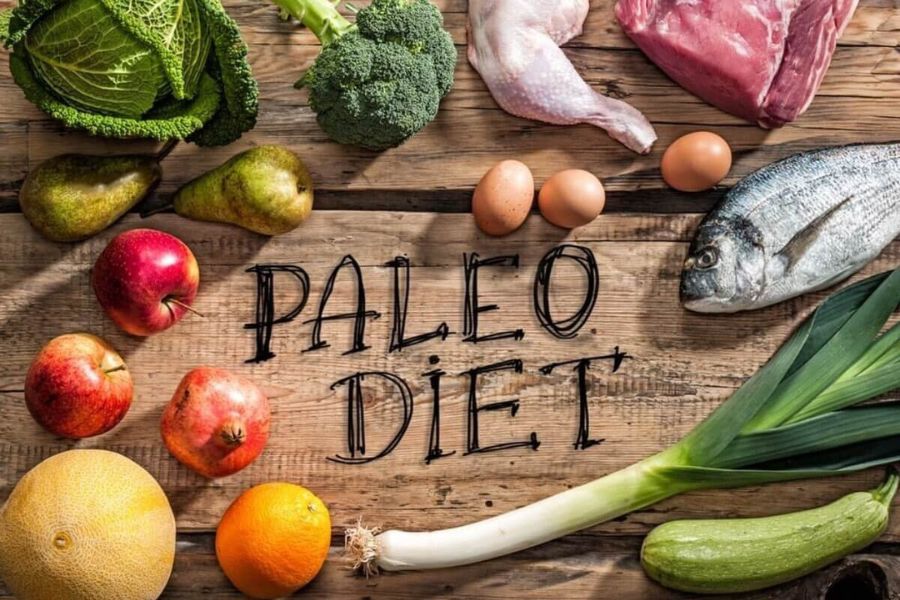
A paleo-style way of eating can feel like a big leap, especially if you are used to bread, pasta, and dairy being everyday staples. When you look at the potential paleo diet benefits for weight loss, blood sugar, and heart health though, it becomes easier to see why so many people are curious about it. With the right approach and medical guidance, you can use paleo principles to clean up your diet and improve your overall health, while staying realistic about the limits and risks.
Understand what the paleo diet really is
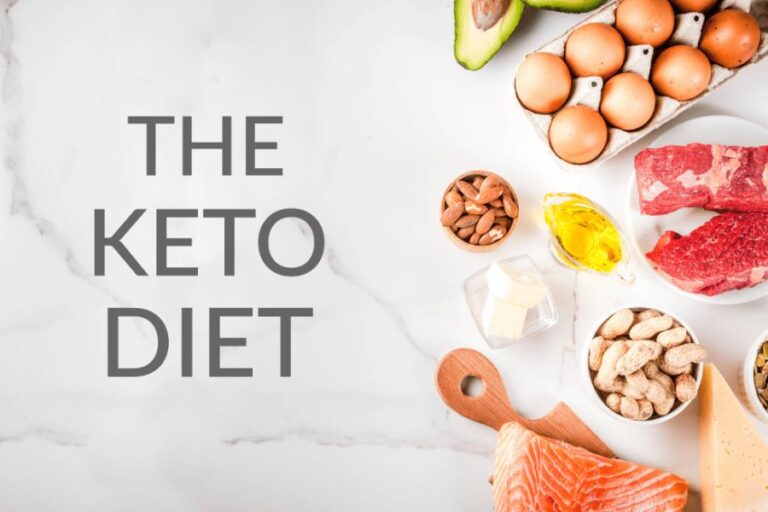
At its core, the paleo diet focuses on foods your distant hunter-gatherer ancestors might have eaten. You build your meals around whole, unprocessed ingredients and avoid modern packaged foods that are high in sugar, refined grains, and additives.
You typically eat plenty of:
- Vegetables, especially non starchy ones
- Fruits
- Lean meats and poultry
- Fish and seafood
- Eggs
- Nuts and seeds
You usually avoid:
- Grains, like wheat, rice, oats, barley, and corn
- Legumes, such as beans, lentils, and peanuts
- Dairy products
- Most added sugars and highly processed foods
The Mayo Clinic describes this pattern as an attempt to mirror pre-agricultural eating, focusing on fruits, vegetables, lean meats, fish, eggs, nuts, and seeds, while cutting out grains, legumes, and dairy that came along with farming (Mayo Clinic). Even if you do not follow paleo perfectly, borrowing from these principles can help you build a more nutrient-dense, less processed diet.
Support weight loss and body composition
If weight loss is your main goal, paleo can be a useful structure because it nudges you toward whole foods and away from many calorie-dense, low nutrient extras.
Several studies have linked the paleo diet to meaningful weight and fat loss. A meta analysis of 21 randomized controlled trials with 700 adults found that a Paleolithic diet reduced body mass by about 5.8 kilograms and body mass index (BMI) by 2.1 in the short term, effects that were stronger than those seen with various healthy control diets (PMC). In longer studies over six months, participants following paleo continued to lose weight, averaging 8.7 kilograms lost and a BMI reduction of 2.8, along with large drops in waist circumference and fat mass (PMC).
You may find paleo helpful for weight loss because:
- Higher protein intake keeps you fuller for longer
- Removing refined carbs and sugary snacks reduces blood sugar swings and cravings
- Cooking more at home makes it easier to control portions and ingredients
Harvard T.H. Chan School of Public Health notes that short term trials, usually six months or less, often show greater weight loss, reduced waist size, lower blood pressure, and better insulin sensitivity on paleo compared with standard guideline-based diets, although the studies are small (Harvard). The key for you is whether this way of eating is realistic to maintain and how it fits your lifestyle, budget, and preferences.
Improve blood sugar and insulin sensitivity
You might also be interested in paleo diet benefits if you have prediabetes, type 2 diabetes, or simply want steadier energy levels. By cutting out most refined carbohydrates, sugary drinks, and desserts, you remove many of the foods most likely to send your blood sugar surging.
Everyday Health reports that some people with type 2 diabetes who adopt a paleo style diet see better blood pressure, improved cholesterol, and blood sugars that stay in their target range, sometimes allowing them to reduce or temporarily stop diabetes medications, although the clinical evidence is still limited and results vary widely (Everyday Health). Registered dietitian Melissa Joy Dobbins explains that the significant carbohydrate restriction in paleo means you eat far fewer foods that rapidly raise blood sugar, which can help keep your levels lower and more stable (Everyday Health).
On the research side, findings are mixed. A 2020 systematic review of randomized controlled trials in people with altered glucose metabolism found that a Paleolithic diet did not significantly outperform other healthy diets for fasting glucose, fasting insulin, insulin resistance, or HbA1c, which reflects long term blood sugar control (PMC). In contrast, the larger meta analysis of 21 trials noted that paleo produced significant improvements in markers like fasting plasma glucose, fasting insulin, and insulin resistance, especially in the short term, and that these improvements were sustained in longer studies compared with control diets (PMC).
What this means for you:
- Paleo can help your blood sugar if it leads to weight loss, fewer refined carbs, and more fiber rich vegetables
- It is not a magic fix, and you may get similar improvements from any balanced, minimally processed eating pattern
- If you have diabetes or take blood sugar medications, you must work closely with your healthcare team when making big diet changes, since your medication doses may need adjustment (Everyday Health)
Boost nutrient density and food quality
Even if you view paleo mainly as a cleaner way of eating, you can still see benefits from the focus on whole, nutrient dense foods. By prioritizing vegetables, fruits, nuts, seeds, and high quality protein, you naturally increase your intake of vitamins, minerals, antioxidants, and fiber rich plant foods.
The National University of Natural Medicine notes that people who move toward a Paleo style diet usually increase their vegetable and fiber intake, which is important for digestive health and lowering inflammation in your body (NUNM). You also avoid highly processed products loaded with added salt, sugar, and unhealthy fats. Harvard describes this shift away from processed foods and toward fresh, nutrient dense options as one of the main strengths of paleo, and a driver of better overall diet quality (Harvard).
A Spanish study of young adults found that those with higher adherence to a paleo pattern tended to have lower cardiovascular risk factors, largely because they avoided ultra processed foods and ate more fruits and vegetables (Mayo Clinic). Even if you are not aiming for perfect paleo, borrowing this emphasis on real, minimally processed foods can meaningfully improve what you put on your plate day to day.
Support heart and metabolic health
You might also be drawn to paleo diet benefits because of its potential impact on heart health, blood lipids, and blood pressure. When you focus on lean meats, fish, vegetables, fruits, and healthy fats, and you remove refined carbs and processed snacks, you naturally shift your overall metabolic profile.
In the large meta analysis mentioned earlier, the Paleolithic diet led to improvements in lipid profiles, including reductions in total cholesterol and LDL cholesterol in the short term, with stronger impacts than control diets (PMC). Longer term studies found that these benefits often persisted, along with meaningful drops in triglycerides and waist circumference, which is an important marker of abdominal fat and cardiometabolic risk (Harvard).
Blood pressure improvements are another potential perk. Across randomized trials, paleo eating was associated with average decreases in systolic blood pressure by about 6.9 mmHg and diastolic pressure by 4.9 mmHg in the short term, again generally outperforming comparison diets (PMC). Even modest drops in blood pressure can translate into lower long term risk of stroke and heart disease.
However, these positives depend a lot on how you construct your paleo menu. If your version of paleo is heavy in red and processed meats, butter, and coconut oil, the benefits for your heart may fade, and some risks can actually rise.
Weigh the potential risks and downsides
Like any restrictive plan, paleo is not risk free. Before you dive in, you need a clear view of what you might miss out on and where the potential health concerns lie.
One major issue is the complete exclusion of whole grains, legumes, and dairy. The paleo diet cuts out cereal grains like wheat, rye, barley, and oats, which are important sources of fiber, B vitamins, iron, magnesium, and selenium. These nutrients help manage blood sugar, lower cholesterol, and reduce chronic disease risk (Monte Nido). By also removing legumes and dairy, you increase the chance of falling short on protein variety, calcium, and vitamin D, all of which are important for bone health and overall wellbeing (Monte Nido; Mayo Clinic).
Long term studies have also raised questions about gut and heart health in strict paleo followers. An Australian study found that people who had followed a strict Paleolithic diet for more than a year, completely excluding grains and dairy, had significantly lower intakes of resistant starch, a type of fiber that supports bowel health, compared with controls (PMC). These strict followers also had higher levels of trimethylamine N oxide, or TMAO, a gut derived compound linked to cardiovascular disease, and they showed changes in the gut microbiota, including more of a TMA producing bacterial genus that was inversely related to grain intake (PMC).
High saturated fat intake is another concern. Monte Nido notes that some versions of paleo encourage large amounts of animal fat and red meat, which can push saturated fat intake up to around 50 grams per day, far above the roughly 13 grams per day often recommended. This level of intake may raise LDL cholesterol and increase your risk of heart and kidney disease and bowel cancer over time (Monte Nido). The same Australian study found that paleo followers had higher saturated fat intake, higher HDL cholesterol, but also higher total cholesterol, body weight, and BMI compared with controls (PMC).
Finally, there is the practical side. The National University of Natural Medicine points out that eating paleo typically requires more time, planning, and money to buy fresh, often local foods and cook most of your meals. It can be especially challenging if you are vegetarian or vegan, since legumes are off the table, yet they are a key protein source for many plant based eaters (NUNM).
The Mayo Clinic also emphasizes that long term benefits and risks of strict paleo are not well understood, and that many of the positive outcomes may come simply from eating more fruits and vegetables and fewer processed foods, which you can achieve without cutting out entire food groups (Mayo Clinic).
If you decide to try paleo, consider it a template, not a rigid rulebook, and work with a healthcare professional to monitor your blood work, weight, and how you feel.
Decide if paleo is a good fit for you
To decide whether the potential paleo diet benefits are worth pursuing, it helps to look at your goals, your medical history, and your preferences.
Paleo might be a good fit for you if you:
- Want a clear set of guidelines to reduce processed foods
- Prefer whole, simple ingredients and enjoy cooking
- Are aiming for weight loss or better blood sugar control and are willing to track how you feel and follow up with your doctor
On the other hand, a strict paleo pattern may not be ideal if you:
- Have a history of disordered eating and find rigid food rules triggering
- Have conditions that require careful management of cholesterol or kidney function
- Are vegetarian or vegan and rely on legumes for most of your protein
- Struggle to meet your calcium or vitamin D needs, or have osteoporosis or low bone density
If you are curious but hesitant, you can try a more flexible approach. For example, you might:
- Use paleo as a weekday framework, then include whole grains or legumes on weekends
- Keep fermented dairy like yogurt for gut and bone health, while still cutting refined grains and added sugars
- Focus first on increasing vegetables, fruits, and lean proteins before removing foods
Because individual responses to paleo vary, both NUNM and Everyday Health stress the importance of checking in with your doctor, especially if you have existing health conditions or take medications for blood pressure, cholesterol, or blood sugar (NUNM; Everyday Health). Regular lab work can help you see whether this style of eating is moving your health in the right direction.
Key takeaways
When you look closely at paleo diet benefits, you see a nuanced picture rather than a miracle cure. You can experience meaningful weight loss, better blood pressure, and improved markers of blood sugar and cholesterol, especially in the short term, if this way of eating helps you cut processed foods, reduce refined carbs, and eat more whole, nutrient dense meals. Research from Harvard, Mayo Clinic, and multiple meta analyses backs up these potential gains for body composition and metabolic health, at least over months to a couple of years (Harvard; Mayo Clinic; PMC).
At the same time, cutting out entire food groups, especially whole grains, legumes, and dairy, can increase your risk of nutrient gaps and may alter your gut and heart health in less desirable ways if you are not careful. The strictest versions of paleo, particularly those that are heavy in red meat and saturated fat, appear to carry more risk than benefit in the long run (Monte Nido; PMC).
If you choose to experiment with paleo, aim for a balanced, plant rich version, keep your saturated fat in check, and stay in close conversation with your healthcare team. That way, you can capture the best parts of paleo for your health while minimizing the downsides, and you can adjust your plan as your body and your goals change.
About the Author