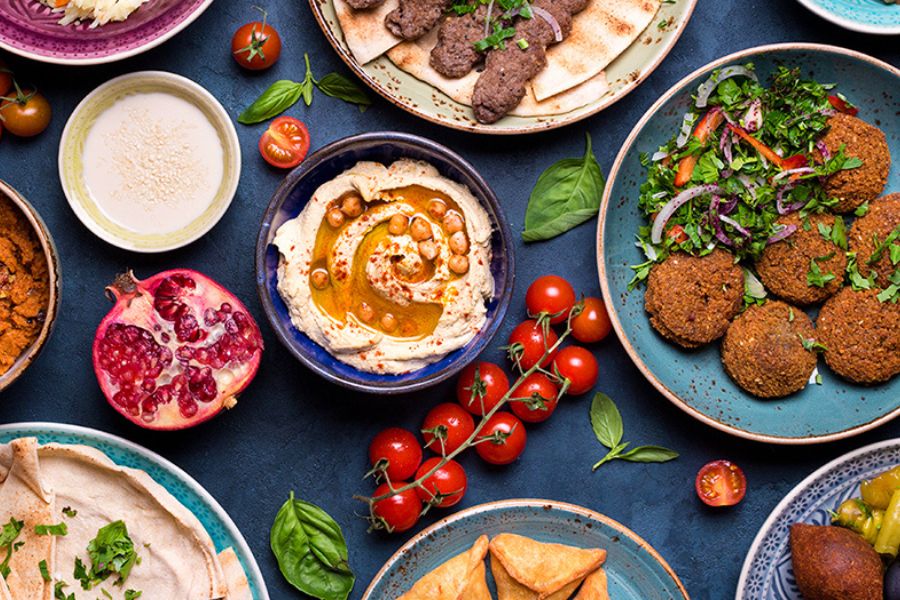
A Mediterranean-style meal is about more than a plate of food. The right Mediterranean diet recipes help you eat for better health and weight loss, and they also bring color, flavor, and joy to your table.
Instead of rigid rules or complicated tracking, you center your meals on whole foods, simple techniques, and ingredients that are easy to find. Over time, those small choices can support your heart, your brain, and your energy in a very real way (Cleveland Clinic).
Understand what makes a recipe Mediterranean
At its core, the Mediterranean diet is built around plants. Vegetables, fruits, whole grains, beans, lentils, nuts, and seeds are your everyday staples, with fish and poultry as your main animal proteins, and extra virgin olive oil as your go to fat (Cleveland Clinic, The Mediterranean Dish).
You still enjoy dairy in moderate amounts, usually as yogurt or cheese. Red meat and sweets move to the background instead of being the star of the show. You focus on herbs, spices, citrus, and garlic for flavor instead of heavy sauces or lots of sugar.
This pattern is flexible by design. You can keep eating foods you love while slowly shifting your plate toward more plants and healthier fats. You can also adapt it if you are vegetarian, gluten free, or simply cooking for picky eaters.
Choose heart healthy ingredients with confidence
When you start looking at Mediterranean diet recipes, you will see the same ingredients show up again and again. That repetition actually helps with planning and weight loss, because you buy fewer highly processed foods and lean on a short list of nutrient dense basics.
Everyday pantry staples
Your Mediterranean pantry might include:
- Extra virgin olive oil for cooking and drizzling
- Canned beans such as chickpeas, white beans, and lentils
- Whole grains like oats, quinoa, farro, and whole wheat pasta
- Nuts and seeds such as almonds, walnuts, and chia seeds
- Canned tomatoes, tomato paste, and jarred roasted peppers
These ingredients come together in countless combinations, from quick soups to hearty grain bowls. They are also naturally high in fiber and healthy fats, which help you stay full on fewer calories and support weight loss without strict calorie counting (EatingWell).
Fresh produce and lean proteins
Produce is the center of your plate instead of a side. You rely on colorful vegetables and fruits, leafy greens, and fresh herbs. For protein, seafood and poultry show up more often, with red meat a rare guest instead of a daily habit (The Mediterranean Dish, Allrecipes).
Fish and seafood play a big role. From Greek baked cod and sheet pan halibut to shrimp with garlic and herbs, recipes highlight simple techniques and bold flavors rather than heavy breading or frying (The Mediterranean Dish, Allrecipes).
Make extra virgin olive oil your kitchen hero
If there is one ingredient that defines Mediterranean diet recipes, it is extra virgin olive oil. It is the main source of fat and it does double duty as a cooking fat and a finishing touch.
Compared with many other oils, extra virgin olive oil is rich in unsaturated fats and antioxidants. Those compounds are linked to benefits for your heart, brain, and inflammation levels when you use it regularly in place of saturated fats (Cleveland Clinic).
You can:
- Sauté vegetables gently in a thin layer of oil
- Roast fish or chicken with olive oil, lemon, and herbs
- Drizzle a teaspoon or two over soups, grain bowls, and salads just before serving
A small spoonful adds a lot of satisfaction. That makes it easier to enjoy smaller portions of more calorie dense foods, which supports healthy weight loss without feeling deprived.
Think of extra virgin olive oil as your default choice. If a recipe calls for butter, ask yourself whether olive oil could work instead.
Build a Mediterranean plate for weight loss
Mediterranean diet recipes help with weight loss not because of one magic food but because of an overall pattern. Meals tend to be high in fiber and protein, lower in added sugar, and rich in flavors that keep you satisfied.
Balance your plate at each meal
A simple way to structure your meals is to picture your plate in sections:
- About half filled with vegetables and some fruit
- About one quarter with whole grains or starchy vegetables
- About one quarter with lean protein from fish, poultry, beans, or lentils
- A small portion of healthy fats like olive oil, nuts, or avocado
This approach gives you volume from produce, staying power from protein, and satisfaction from healthy fat. Many Mediterranean style dinner recipes are designed to hit this balance in around 30 minutes, which makes it practical even on busy nights (EatingWell).
Lean into fiber rich recipes
Fiber is one of your best allies for weight management. Meals that feature beans, lentils, whole grains, and vegetables help steady your blood sugar and keep you full between meals (EatingWell).
Recipes like chickpea and quinoa bowls, white bean stews, and whole grain pasta salads are packed with plant protein and fiber. You can prep them in advance for simple grab and go lunches (EatingWell).
Enjoy Mediterranean diet recipes from breakfast to dinner
You can eat in a Mediterranean style from your first bite of the day to your evening meal. The key is to keep meals varied and enjoyable so you never feel like you are on a diet.
Breakfast ideas that keep you full
Mediterranean breakfasts go beyond plain toast. They mix protein, healthy fats, and fiber so you are satisfied all morning. For example, you might try:
- A bowl of overnight oats with figs and ricotta
- Berry chia pudding made with milk or yogurt for added protein
- Hummus toast topped with tomatoes and cucumbers
- A pan of eggs baked with vegetables for easy weekday portions
Recipes like Berry Chia Pudding or Fig and Ricotta Overnight Oats offer creamy textures, natural sweetness from fruit, and a satisfying mix of nutrients to start your day in line with Mediterranean principles (EatingWell).
Simple and satisfying lunches
For lunch, grain bowls and hearty salads are your best friends. You can combine leftover roasted vegetables, beans, and whole grains with a quick olive oil and lemon dressing.
Plant based bowls that feature chickpeas, quinoa, and roasted peppers are particularly convenient. They pack well for work and keep well in the fridge, which makes it easier to skip less healthy takeout options (EatingWell).
Fast, flavorful dinners
Mediterranean dinners can be as simple as fish baked with lemon and garlic or as cozy as a one pot orzo with white beans and spinach. Many recipes are designed to be ready in 30 minutes or less, so you can cook at home even when you are tired (The Mediterranean Dish, EatingWell).
Some ideas include:
- Shakshuka, a skillet of eggs simmered in tomato sauce, served with whole grain bread
- Sheet pan salmon with broccoli roasted in olive oil, lemon, and garlic
- High protein pasta salad with chickpea pasta, crunchy vegetables, and fresh mozzarella
- One pot orzo with white beans, sun dried tomatoes, and leafy greens
These recipes match the Mediterranean pattern of produce, lean proteins, and healthy fats, and they support weight goals because they are both filling and modest in calories (EatingWell).
Adapt Mediterranean recipes to your needs
One of the strengths of Mediterranean diet recipes is how easy they are to customize. You are not locked into one strict version of a dish.
If you do not eat meat or fish, you can skip them and lean on beans, lentils, nuts, and seeds for protein. The Mediterranean pattern works well for vegetarians when meals center on legumes, whole grains, and dairy, with plenty of vegetables on the side (Cleveland Clinic).
If you avoid gluten, you can choose gluten free grains like quinoa, brown rice, or gluten free pasta. Many traditional recipes rely naturally on rice, potatoes, beans, and vegetables, which are easy to adapt. It can be helpful to talk with a dietitian if you have complex medical needs or multiple restrictions so you still meet your nutrition goals (Cleveland Clinic).
Keep your meals varied and enjoyable
Variety is built into this way of eating. Mediterranean diet meal planning encourages you to rotate ingredients and recipes so you do not get stuck in a rut. Bright salads, hearty stews, quick seafood dishes, and simple grain bowls all have a place at your table (Cleveland Clinic).
Resources like curated collections of 50 plus Mediterranean diet recipes can help you explore breakfasts, salads, soups, sandwiches, and dinners without starting from scratch every week (The Mediterranean Dish). You can also use a downloadable 7 day meal plan as a template, then swap in recipes that fit your schedule and taste (The Mediterranean Dish).
If you are ever unsure how to tailor recipes to your health conditions, allergies, or weight loss targets, it is wise to check in with your primary care provider or a registered dietitian. They can help you personalize this flexible pattern so it works for your body as well as your lifestyle (Cleveland Clinic).
Putting it all into practice
You do not have to overhaul every meal at once. Start by choosing one Mediterranean diet recipe to cook this week, perhaps a sheet pan salmon with vegetables or a chickpea grain bowl.
Notice how you feel after eating meals built on vegetables, whole grains, and healthy fats. If your energy is steadier and your cravings are calmer, you are already seeing the benefits of this pattern.
From there, you can add one new Mediterranean style breakfast, lunch, or dinner each week. Over time, your kitchen will fill with ingredients that support your health and weight loss, and your table will reflect the color and joy of the Mediterranean way of eating.
About the Author