A simple move like standing calf raises can dramatically strengthen your lower legs without any machines or fancy equipment. If you want more powerful strides, better balance, and calves that actually pull their weight on leg day, learning how to do standing calf raises correctly is a smart place to start.
Below, you will learn how standing calf raises work, how to do them with good form, and easy ways to adjust the exercise for your fitness level.
What standing calf raises work
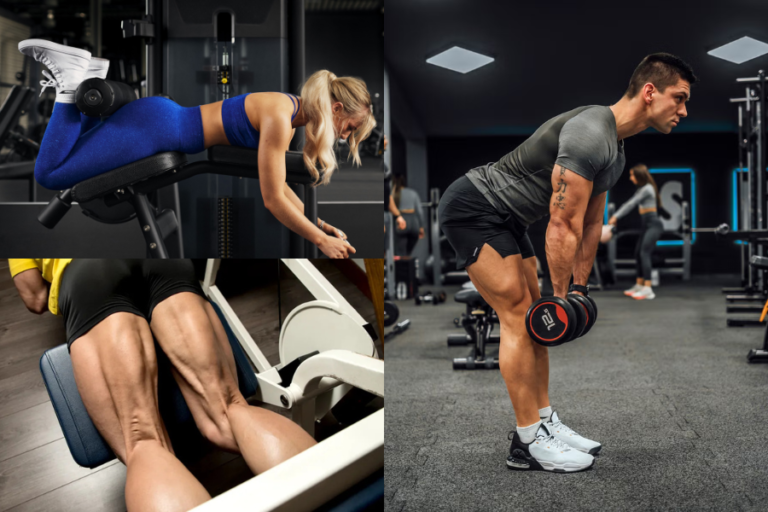
Standing calf raises mainly target your two key calf muscles: the gastrocnemius and the soleus. The gastrocnemius is the rounded upper part of your calf that you see from the back. The soleus is a flatter muscle that sits underneath, closer to your ankle.
These muscles help you:
- Flex your ankle so you can push off the ground
- Stabilize your lower leg when you walk, run, or jump
- Generate power in movements such as sprinting, jumping and quick direction changes
According to a 2024 guide from Verywell Fit, the gastrocnemius and soleus are essential for ankle flexion, extension, and athletic tasks like running and jumping, and standing calf raises are a direct way to train them.
When you regularly perform standing calf raises, you also strengthen the tendons and ligaments around your ankle. That added support can reduce your risk of sprains and other common foot and ankle injuries.
How to do a basic standing calf raise
You can perform standing calf raises almost anywhere. Start on a flat, stable surface before you move on to more advanced versions.
- Stand tall with your feet hip width apart.
- Place your hands lightly on a wall, back of a chair, or countertop for balance if needed.
- Keep a slight bend in your knees so they are not locked.
- Press through the balls of your feet and lift your heels as high as you comfortably can. Think about pushing the floor away.
- At the top, pause for a second and squeeze your calf muscles.
- Slowly lower your heels back down until they touch the floor, keeping control the entire way.
You should feel your calves working on both the way up and the way down. The controlled lowering, often called the eccentric phase, is just as important for building strength and resilience as the lifting part.
If you are new to the exercise, you can start with 10 to 15 repetitions, rest, then repeat for 2 to 3 sets. Verywell Fit suggests that beginners begin on a flat surface and aim for 10 to 30 reps per session before progressing.
Form tips for better results
Good technique helps you get more from each repetition and keeps your joints safe.
Focus on foot pressure
Try to keep even pressure across your forefoot, from your big toe joint to your little toe joint. Rehabilitation specialists at Foot & Ankle Albury highlight that this even load helps you avoid putting too much stress on one side of your foot and improves the quality of the exercise.
If you notice your toes clawing or curling, that can be a sign your calf muscles are not doing all the work and your toe flexors are trying to help too much. A helpful fix is to let your toes hang slightly over the edge of a step or weight plate so the calf has to handle more of the effort.
Use full range of motion
Each repetition should include a full stretch at the bottom and a strong contraction at the top. Fitness coaches writing for MuscularStrength recommend pausing briefly at the bottom for a deep stretch, then pushing up powerfully and holding a firm flex at the top to improve mind muscle connection and calf growth.
If your heel height starts to drop because you are tired, it is a sign to rest rather than shorten the movement. Partial reps may feel easier, but they limit how much strength and size you can gain.
Watch your posture and tempo
Keep your torso upright, your core gently engaged, and avoid leaning far forward. Leaning forward can shift load into your lower back instead of your calves, which the Verywell Fit guide notes as a common mistake that may cause discomfort.
Move with control. Racing through the exercise reduces muscle tension and makes it easy to bounce at the bottom. Slowing down slightly will make even bodyweight sets more challenging and effective.
Benefits of standing calf raises
Making standing calf raises a regular part of your workouts pays off in several ways that you will notice both in and out of the gym.
Better balance and ankle stability
Stronger calves provide a more stable base for your entire body. By training the muscles that support your ankle, you improve your ability to stay steady on uneven surfaces, land from jumps, and change direction quickly.
Research summarized by Verywell Fit notes that standing calf raises enhance balance and coordination, and that the resulting neuromuscular adaptations are especially helpful for limiting age related mobility loss in older adults. In simple terms, your body learns to coordinate your leg and ankle muscles more efficiently, which can help reduce your risk of falls.
More powerful running and jumping
Your calves play a major role at the moment your foot leaves the ground. This is known as the toe off phase. When your calves are stronger, you can generate more force and push off with more power.
The research you saw earlier explains that standing calf raises improve running efficiency by boosting muscular output and explosiveness during toe off. That can translate into a faster pace, slightly longer stride, and a lower chance of overuse injuries that come from weak or fatigued calf muscles.
Sports that involve frequent jumping and sprinting, such as basketball, volleyball and netball, rely heavily on the gastrocnemius. Calf training gives you more support for the quick takeoffs and landings these games demand.
Support for the Achilles tendon
The Achilles tendon connects your calf muscles to your heel. Gradually strengthening your calves with controlled standing raises helps increase the resilience of this tendon. Over time, that can lower your risk of Achilles strains and may support recovery and prevention of conditions like Achilles tendinopathy when a health professional approves the exercise for your situation.
The key here is patience. You want to build strength with moderate volume and good form rather than jumping straight into heavy resistance or very high repetitions.
Progressions and variations to try
Once you are comfortable with basic bodyweight standing calf raises, you can make them more challenging so your muscles keep adapting.
Deficit standing calf raises
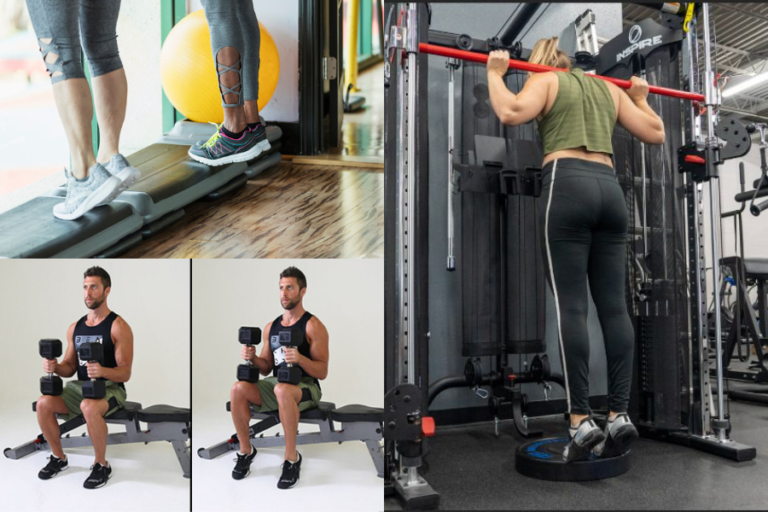
Performing the exercise on a step, curb, or platform lets your heels drop slightly below the level of your toes at the bottom. This extra range of motion deepens the stretch on your calves and can increase muscle activation.
To do it, place the balls of your feet on the edge of the step and let your heels hover off the back. Hold onto a stable surface for balance, lower your heels below the step for a controlled stretch, then push up as high as you can.
Verywell Fit notes that using a step is a useful way to increase range of motion as your calves get stronger.
Single leg calf raises
Standing on one leg doubles the load for that calf and challenges your balance at the same time. This is a great option if you do not have weights but want more difficulty.
You can start by holding on to a wall for light support, then gradually use less assistance as your balance improves. Focus on keeping your working knee straight, which Foot & Ankle Albury emphasizes as important for fully targeting the gastrocnemius in a standing raise.
Adding resistance
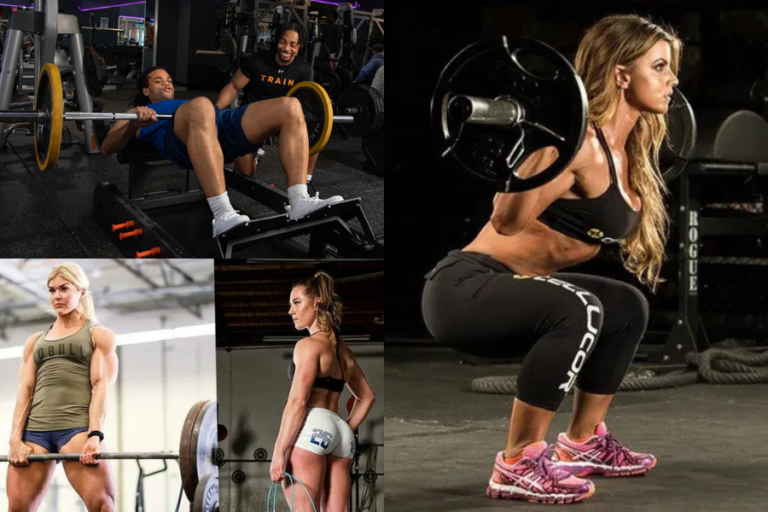
When bodyweight reps feel easy, you can hold a dumbbell in one hand, wear a weighted backpack, or place a barbell across your upper back, as long as you are comfortable with that equipment.
Coaches at MuscularStrength suggest choosing a weight that lets you perform 8 to 15 quality reps, where you can still achieve a full stretch at the bottom and a solid contraction at the top without losing form. Too much weight usually shows up as short, bouncy reps and sloppy posture.
How often to do standing calf raises
Calves tend to respond well to slightly more frequent training than some other muscle groups, as long as you recover properly between sessions.
For general strength and balance, you might:
- Start with 2 sessions per week
- Perform 2 to 3 sets of 10 to 20 reps of standing calf raises
- Rest at least one day between sessions
If your goal is noticeable muscle growth and you are already comfortable with the exercise, MuscularStrength recommends something like three sessions per week that combine standing calf raises for the gastrocnemius with seated calf raises to emphasize the soleus. You could, for example, do 3 sets of 10 to 12 reps of each variation.
Pay attention to how your calves feel. Mild soreness is normal when you increase volume or intensity, but sharp pain, swelling, or lasting discomfort around the Achilles is a sign to ease back and, if needed, talk to a medical professional.
Common mistakes to avoid
A few small errors can limit your progress or irritate your joints. As you practice, try to avoid these habits:
- Skipping any warm up. Gentle ankle circles or a few minutes of light walking help prepare your calves.
- Moving too fast. Bouncing through the range of motion uses momentum instead of muscle and can strain your Achilles tendon.
- Leaning forward. This can shift work into your lower back and reduce calf activation.
- Doing too few reps. Stopping after only a couple of repetitions will not provide enough stimulus to build strength.
Verywell Fit highlights that many of these problems, especially rushing the exercise and leaning forward, are common but easily fixed with a bit of awareness and slower, more controlled reps.
Putting it all together
If you want stronger, more powerful calves, you do not need complicated equipment. Standing calf raises give you a simple way to build strength, improve your balance, and support your ankles whether you are a runner, a team sport athlete, or just looking for better everyday stability.
You can start today on your living room floor. Stand tall, press through the balls of your feet, rise up, and lower with control. Add a few focused sets to your weekly routine and, over time, you will feel the difference every time you climb stairs, jog to catch the bus, or push off for a sprint.
About the Author