Understand what sexual health really means
If you are asking yourself, what are the three types of sexual health? you are already taking an important step toward caring for your overall well-being. Organizations like the World Health Organization (WHO) and the American Sexual Health Association (ASHA) describe sexual health as a state of physical, emotional, mental, and social well-being in relation to sexuality, not just the absence of disease or problems (WHO, American SexualHealth Association).
Sexual health is about more than STI tests or birth control. It includes:
- Your body and how it functions
- Your thoughts and feelings about sex, intimacy, and yourself
- Your relationships, rights, and the social environment around you
Researchers and public health groups often talk about three main types or dimensions of sexual health (Public Health Reports):
- Physical sexual health
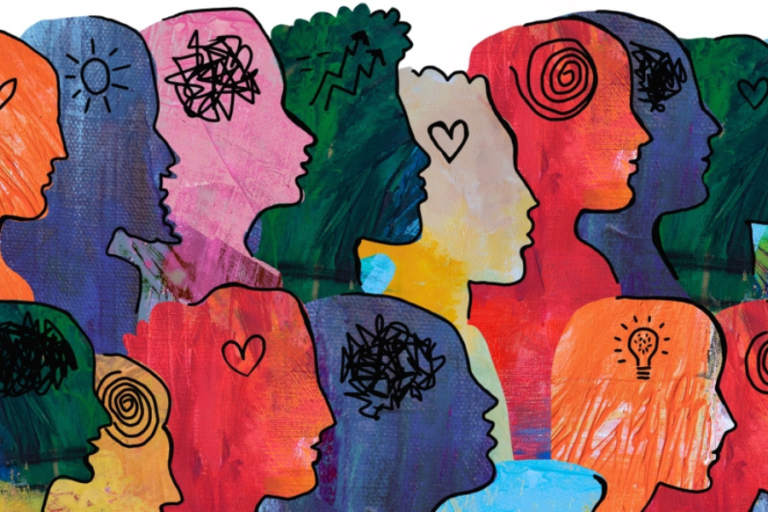
- Emotional and mental sexual health
- Social and cultural sexual health
Understanding each type can help you notice what is going well for you and where you might want support or change.
Type 1: Physical sexual health
Physical sexual health is usually what you think of first. It focuses on your body and how it responds to sexual activity and reproduction.
What physical sexual health includes
Physical sexual health typically involves:
-
Sexual and reproductive anatomy
Knowing how your body works, including your genitals, hormones, and reproductive system (Options for Sexual Health). -
Prevention and care of disease and unintended outcomes
This covers sexually transmitted infections (STIs), HIV, and unintended pregnancies, as well as access to testing, treatment, and contraception (Public Health Reports). -
Safe, pleasurable sexual experiences
WHO emphasizes that sexual health requires safe and pleasurable sexual experiences that are free from coercion, discrimination, and violence (WHO). -
Access to health care
Being able to see a provider who respects you, answers your questions, offers screenings, and provides contraception or fertility support when needed (American SexualHealth Association).
Signs your physical sexual health may need attention
You might want to talk with a health care provider if you notice:
- Pain during sex or penetration
- Changes in erections, lubrication, or arousal that worry you
- Unusual discharge, odor, itching, or sores
- Missed periods, heavy bleeding, or concerns about pregnancy
- Questions about your birth control or STI risk
Physical sexual health is not only about fixing problems. It also includes:
- Finding contraception that fits your lifestyle
- Learning how to support your fertility if you want to conceive
- Exploring what feels good in a way that is safe and consensual
Type 2: Emotional and mental sexual health
The second type of sexual health focuses on your thoughts, feelings, and inner experience of sexuality. WHO describes sexual health as involving emotional and mental well-being, not just your body (WHO). The CDC and related public health groups also highlight emotional and even spiritual dimensions of sexual health (Public Health Reports).
What emotional and mental sexual health includes
This type of sexual health can touch many parts of your inner life:
-
Sexual self-esteem and body image
How you feel about your body, your desirability, and your sexual self-worth (Options for Sexual Health). -
Comfort with your sexual orientation and gender identity
Feeling safe and valid in who you are, whether you are straight, queer, bisexual, gay, lesbian, asexual, or another identity, and whether you are cisgender, transgender, non-binary, or questioning (WHO). -
Ability to enjoy sexuality
ASHA describes sexual health as the ability to embrace and enjoy your sexuality throughout your life (American SexualHealth Association). -
Understanding risks and responsibilities
The U.S. Surgeon General’s Call to Action notes that sexual health includes understanding the potential risks and responsibilities that come with sexual behavior, and practicing abstinence when that is right for you (American SexualHealth Association). -
Freedom from shame and fear
Public health definitions of sexual health emphasize attitudes that are free from shame, fear, stigma, and internalized judgment (Public Health Reports).
How emotional and mental health affects your sexuality
Your feelings and beliefs can shape your sexual experiences just as much as your body can. For example:
- Anxiety or past negative experiences might make it hard to relax or feel desire
- Shame around your orientation, identity, or preferences can reduce your enjoyment
- Low self-esteem or body dissatisfaction can affect how comfortable you feel with a partner
- Depression or stress may lower libido or interest in sex
Supporting this dimension of sexual health could include:
- Talking with a therapist or counselor who understands sexuality
- Learning more about your orientation or gender identity
- Challenging harmful or shaming messages you have received about sex
- Practicing self-compassion about your sexual experiences and desires
Type 3: Social and cultural sexual health
The third type of sexual health focuses on your relationships, your rights, and the world around you. Sexual health does not exist in a vacuum. It is shaped by laws, culture, family, religion, economics, and more (WHO, Options for Sexual Health).
What social and cultural sexual health includes
This dimension is broad, and often overlooked. It can include:
-
Healthy relationships and intimacy
Your ability to form relationships that are based on mutual respect, trust, and communication. -
Consent and boundaries
Being able to say yes or no freely, to ask for what you want, and to have your boundaries honored, as well as respecting the boundaries of others (Options for Sexual Health). -
Sexual rights and freedom from violence
WHO describes sexual rights as essential to sexual health. These rights include expressing your sexuality, seeking pleasure, and being free from coercion, discrimination, and violence (WHO). -
Access and inclusion
Whether you can access sexual and reproductive health services without discrimination or barriers related to language, income, race, disability, immigration status, or gender identity (Options for Sexual Health). -
Cultural and religious influences
Your values around sex and relationships are often shaped by family, culture, religion, and community norms.
How your environment shapes your sexual health
Your social context can affect your sexual health in both positive and negative ways:
- Supportive communities can help you feel safe to seek care, ask questions, or come out
- Stigma around STIs, sexual orientation, or gender identity can discourage you from getting help
- Laws and policies can limit or expand your access to contraception, abortion, or gender-affirming care
- Economic factors like income, housing, and employment can make it easier or harder to prioritize sexual health appointments or buy contraception (Options for Sexual Health)
For many people, discrimination or marginalization affects sexual health directly. For example, when gender identities are not recognized or respected, it can create barriers to care and increase social isolation (Options for Sexual Health).
How the three types connect
While it is useful to talk about three types of sexual health, your actual experience is more like a web than three separate boxes. WHO and other organizations describe sexuality as a central part of being human that is shaped by biological, psychological, social, economic, political, cultural, legal, historical, religious, and spiritual factors, all interacting together (WHO).
Here are a few ways the three types can influence each other:
-
Physical and emotional
Pain during sex can increase anxiety. Anxiety can then make the pain worse. On the other hand, feeling emotionally safe with a partner can reduce tension and improve physical pleasure. -
Emotional and social
Internalized shame about your orientation or gender might stem from cultural or religious messages. Supportive friends or communities can help you rebuild self-acceptance. -
Social and physical
Limited access to clinics or insurance can make it harder for you to get STI tests or contraception. That can increase the risk of physical health issues. -
All three at once
If you experience sexual violence, your physical health, emotional well-being, and sense of safety in relationships and society can all be affected. Respecting your rights and getting trauma-informed support are crucial parts of recovery (Public Health Reports).
Seeing how these areas connect can help you understand why a medical checkup alone might not be enough, and why emotional support or community change can have such a big impact on your sexual health.
Simple ways to support your sexual health
You do not have to address everything at once. Start with a few small, practical steps that feel manageable for you.
Support your physical sexual health
- Schedule regular STI screenings and pelvic, prostate, or general sexual health checkups based on your activity and risk
- Ask a provider about contraception or pregnancy planning if that is relevant to you
- Learn the basics of your sexual and reproductive anatomy, so you know what is normal for your body
Support your emotional and mental sexual health
- Notice how you talk to yourself about your body and sexuality, and gently challenge harsh or shaming thoughts
- Seek counseling if you struggle with anxiety, low desire that bothers you, or past experiences that still affect your sex life
- Give yourself permission to explore what feels good and what does not, at your own pace and on your own terms
Support your social and cultural sexual health
- Practice clear, ongoing consent and open communication in your relationships
- Learn about your sexual rights, including your right to say no and your right to receive care without discrimination (WHO)
- Look for communities, organizations, or online spaces that affirm your orientation, gender identity, and values
- If it feels safe, talk with trusted people about sexual health topics, so you are not navigating everything alone
When to reach out for help
You deserve support with any part of your sexual health, whether your concern feels small or overwhelming. You might consider reaching out if:
- You have ongoing pain, discomfort, or changes in your sexual function
- You feel distressed about your libido, orientation, or gender identity
- You are in a relationship where your boundaries are not respected
- You avoid seeking care due to fear of judgment or discrimination
- Past sexual experiences continue to affect your sense of safety or pleasure
Health care providers, mental health professionals, and sexual health organizations can all play a role in helping you improve your physical, emotional, and social well-being.
Key takeaways
- When you ask what are the three types of sexual health? you are usually talking about physical, emotional or mental, and social or cultural dimensions of sexual well-being (Public Health Reports).
- Physical sexual health covers your body, anatomy, and prevention and care of disease and unintended pregnancy.
- Emotional and mental sexual health includes your feelings, beliefs, self-esteem, and comfort with your orientation, identity, and desires.
- Social and cultural sexual health focuses on your relationships, your rights, consent, and the environments and systems that shape your experiences.
- All three types are deeply connected, and small steps in any one area can support your overall sexual well-being.
You are allowed to learn, ask questions, and seek out what you need in order to feel safe, respected, and fulfilled in your sexual life.
About the Author