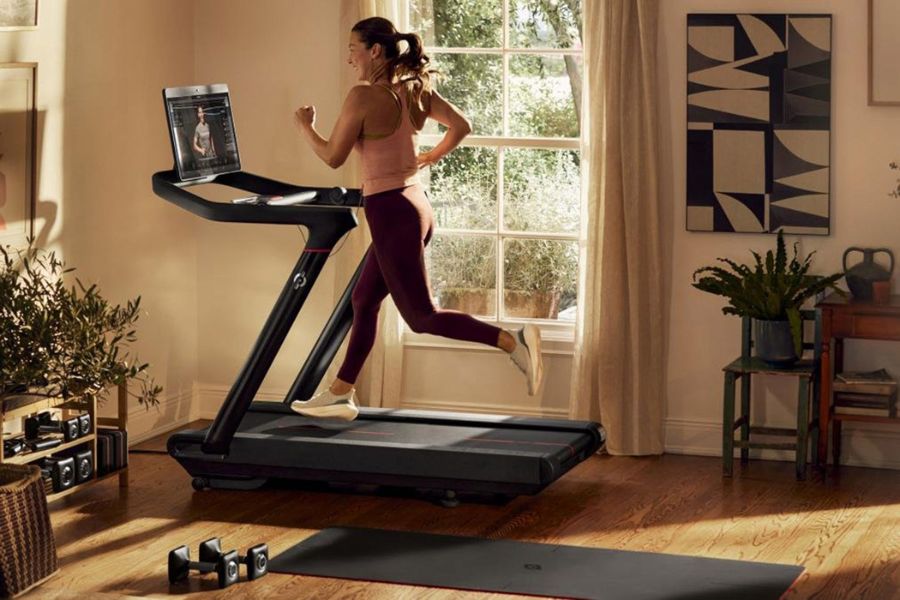
A treadmill might look like simple cardio equipment, but with the right plan it can become one of your most effective tools for weight loss and better health. The key is choosing treadmill weight loss workouts that keep you engaged, challenge your body, and fit your current fitness level.
Below you will find a mix of fun, powerful routines you can rotate through during the week. You will also see how to adjust each workout so it stays safe and sustainable for you.
Understand how treadmill workouts burn fat
To lose weight with any workout, you need to consistently burn more calories than you eat. Treadmill sessions help you do this by increasing your heart rate and using large muscle groups in your legs and core.
Brisk walking on a treadmill is already surprisingly effective. A 155 pound person can burn about 150 calories walking at 3.5 mph for 30 minutes, which adds up quickly over a week when you stay consistent (NordicTrack). Running at 6 mph roughly doubles that calorie burn, to around 300 calories in the same time window (NordicTrack).
Adding incline makes an even bigger difference. Walking uphill at a 5 percent incline can increase your metabolic cost by about 52 percent, and going up to 10 percent can more than double it, thanks to greater leg muscle activation (NordicTrack). This is why many of the treadmill weight loss workouts below use incline in some way.
Match workouts to your fitness level
Before you start, take a moment to honestly assess where you are. You do not need to run or sprint to lose weight, especially if you are new to exercise or returning after a long break.
You can think of your current level like this:
- Beginner: You are comfortable walking, but running feels very hard or painful.
- Intermediate: You can jog at an easy pace for 10 to 20 minutes, but sprints are challenging.
- Advanced: You already run regularly and want more intensity or variety to break a plateau.
You will see beginner, intermediate, and advanced options for most workouts so you can pick the version that feels right for you and then build from there.
Try the 12‑3‑30 incline walking workout
The 12 3 30 treadmill routine became popular on social media because it is simple, time limited, and does not involve running. You set your treadmill to a 12 percent incline, walk at 3 miles per hour, and stay there for 30 minutes.
This workout targets your glutes, hamstrings, lower back, and calves while raising your heart rate more than flat walking. It is great for building lower body strength, endurance, and calorie burn in a low impact way (Planet Fitness). Incline walking like this can burn more calories than flat walking and supports heart health and healthy blood pressure (Planet Fitness).
How to start safely
If you are new to the 12 3 30 workout, you do not need to jump straight into the full version. Experts recommend easing in 2 to 3 times per week for less than 30 minutes, then gradually increasing as you adapt (Planet Fitness).
Try this progression:
- Week 1: 5 to 10 minutes at 6 to 8 percent incline, 2.5 to 3 mph
- Week 2: 15 to 20 minutes at 8 to 10 percent incline, 2.5 to 3 mph
- Week 3 and beyond: 25 to 30 minutes at 10 to 12 percent incline, 3 mph (full 12 3 30 when you feel ready)
Walking on a steep incline can stress your lower back, hamstrings, Achilles tendon, knees, and the bottoms of your feet if you increase too quickly. Starting slow, using good posture, and planning rest days in between can help you avoid overuse injuries (TODAY).
Use HIIT treadmill intervals for faster results
High intensity interval training, or HIIT, involves short bursts of hard effort followed by brief recovery periods. On a treadmill, that usually looks like alternating between faster running or power walking and slower recovery walking.
This style of training can burn more calories in less time than steady walking or jogging. Some research suggests that HIIT treadmill workouts that use both speed and incline can increase calorie burn by up to 28 percent compared to steady walking (NordicTrack). HIIT also boosts the afterburn effect, so your body continues to burn extra calories even after you step off the treadmill (8fit).
A beginner friendly HIIT interval workout
If you are just starting with intervals, keep things simple. A good beginner pattern is to rotate through walking, jogging, and running in one minute blocks:
- Warm up: 5 minutes of easy walking
- Main set, repeat 4 times:
- 1 minute walking at 3 to 4 mph
- 1 minute jogging at 5 to 7 mph
- 1 minute running at 7 to 9 mph (or fast power walk if you do not run)
- Cool down: 5 minutes easy walking
This creates a 15 minute HIIT treadmill session, which you can double to 30 minutes as you get stronger (8fit). Adjust the speeds up or down so that the running or fast walking portion feels challenging but still safe.
Why HIIT helps with weight loss
HIIT is efficient because you work close to your maximum effort for brief periods. This raises your heart rate quickly and uses more energy per minute than moderate steady exercise. Several reviews and fitness experts highlight treadmill HIIT as one of the most effective methods for fat loss because it delivers the benefits of longer workouts in less time and increases EPOC, also known as the afterburn effect (Verywell Health, Healthline, PureGym).
If you are short on time or easily bored by long steady runs, swapping one or two regular sessions per week for a HIIT treadmill workout can give you more results in a shorter window.
Climb hills with a treadmill hill workout
Hill style treadmill workouts let you build strength in your legs and glutes, burn more calories, and keep impact lower than running on flat ground. Incline walking from 5 to 12 percent can greatly increase calorie burn while still being relatively gentle on your joints compared to running (NordicTrack).
One effective hill workout uses a gradual incline ladder. You raise the incline a little bit each minute until you hit a peak, then step it back down while keeping a steady jogging pace. Healthline suggests increasing incline by about 0.5 percent each minute up to around 4 to 5 percent, then working your way back down, while jogging at 4 to 6 mph (Healthline).
You can adapt this to your level:
- Beginner: Walk at 2.5 to 3.5 mph, incline from 0 to 4 percent and back down
- Intermediate: Jog at 4 to 5 mph, incline 0 to 5 percent and back down
- Advanced: Jog or run at 5 to 7 mph, incline 0 to 6 or 7 percent and back down
Hill workouts help you build lean muscle in your legs and glutes, which in turn can increase your overall calorie burn during the rest of the day (Healthline).
Mix steady cardio with interval days
You do not need to choose between steady moderate workouts and intervals. A simple weekly rhythm that many people find sustainable uses both. This avoids plateaus and keeps your treadmill weight loss workouts feeling fresh.
You might try something like:
- 2 days of moderate steady walking or jogging for 30 to 45 minutes
- 2 days of intervals, such as HIIT, hill repeats, or the 12 3 30 workout
- 1 or 2 optional light days, such as easy walking or strength training
- At least 1 full rest day
Varying your routines helps you avoid boredom and can prevent your body from adapting too much to one pattern, which can slow weight loss over time (Healthline). Most modern treadmills also include preset weight loss programs with built in hills and intervals if you prefer to simply press start and follow along (NordicTrack).
Follow expert sample routines for every level
If you like having a clear plan, it can help to copy routines that trainers already use with clients. PureGym personal trainer Tenzin Harley suggests three simple but effective treadmill weight loss workouts you can rotate through (PureGym).
Here is how they break down:
- Beginner: 15 to 20 minutes of incline walking
- Warm up for 5 minutes at 0 to 1 percent incline
- Walk for 10 to 15 minutes at a moderate incline you can maintain, like 3 to 6 percent
- Intermediate: 200 meter incline jogs repeated 4 times
- Jog 200 meters or around 1 to 2 minutes at a challenging incline
- Walk or slow jog for the same amount of time to recover
- Repeat 4 times
- Advanced: 30 second sprint intervals repeated 10 times
- Sprint for 30 seconds at a high but safe speed
- Recover with easy walking or jogging for 60 to 90 seconds
- Repeat 10 times
To keep losing weight, you are encouraged to nudge up the intensity over time. You can do this by slightly increasing incline or speed, adding a few minutes to your workout, or shortening your rest intervals about once a week as your fitness improves (PureGym).
Small, regular adjustments in speed or incline, such as 0.25 mph or 0.5 percent at a time, are safer and more sustainable than big jumps.
Use form and breathing to make every minute count
Good posture and breathing might not sound exciting, but they can make your treadmill weight loss workouts feel easier and more effective.
Try to:
- Stand tall, with your shoulders back and chest lifted
- Look forward, not down at your feet
- Take long, natural strides instead of tiny shuffles
- Swing your arms lightly at your sides instead of holding the handrails
These habits help you use more muscles and improve your endurance. NordicTrack coaches also recommend breathing deeply from your belly rather than taking shallow chest breaths to delay fatigue and keep your energy levels steadier throughout the workout (NordicTrack).
If your treadmill has quick buttons that let you jump between preset speeds and inclines, take advantage of them. They make it easier to hit the right intensities during interval training without constantly fiddling with the controls (NordicTrack).
Combine treadmill work with healthy habits
Even the best treadmill weight loss workouts will only go so far if the rest of your routine does not support your goals. Most guidelines recommend at least 150 minutes of moderate aerobic activity, such as brisk walking, or 75 minutes of vigorous activity, such as running, each week for weight management and health (Verywell Health).
To actually lose weight, you also need a calorie deficit. That usually means:
- Regular treadmill sessions that raise your heart rate
- A balanced diet that keeps you slightly under your daily calorie needs
- Strength training 2 or more times per week to build muscle
- Enough sleep and stress management so your body can recover
Treadmills can absolutely help reduce overall body fat, including belly fat, but they cannot target one specific area such as thighs or lower belly on their own. Spot reduction is not considered realistic, so focus on total activity and nutrition instead (Verywell Health, PureGym).
Put it all together
You do not need a complicated plan or hours in the gym to make progress. One simple way to start this week is to pick three treadmill weight loss workouts from this guide, write them down, and schedule exactly when you will do each one.
For example, you might try:
- Monday: 30 minutes of brisk flat walking
- Wednesday: Beginner HIIT intervals for 15 to 20 minutes
- Friday: 12 3 30 style incline walking at whatever incline you can manage safely
As this starts to feel easier, you can add an extra day, extend one workout by 5 minutes, or introduce a hill routine. The most important part is showing up consistently. If you keep that promise to yourself, the results will follow.
About the Author