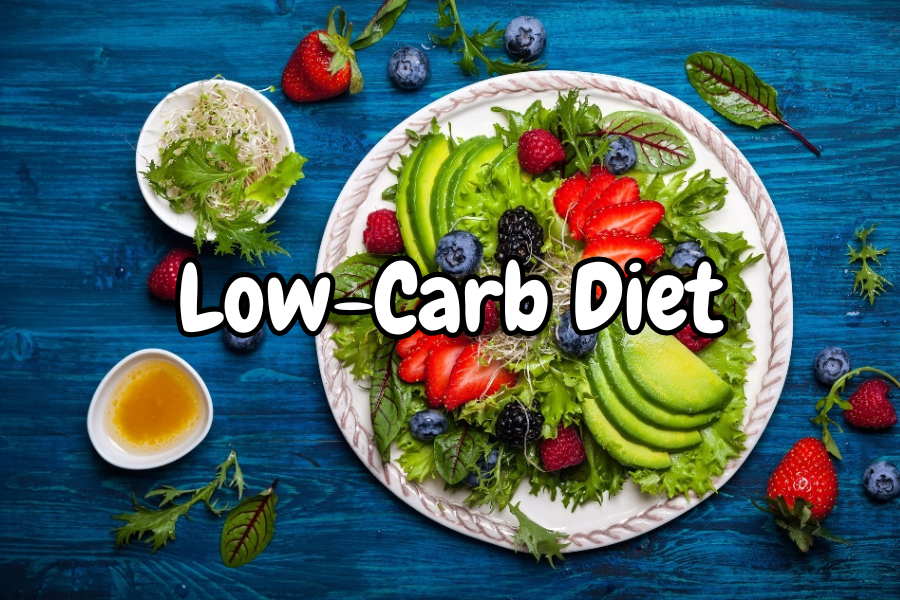
A low carb diet plan can feel life changing when you get it right. You eat satisfying meals, your energy stops crashing in the afternoon, and the number on the scale finally starts to move in the direction you want. The key is choosing a version of low carb that fits your lifestyle instead of forcing yourself into a one‑size‑fits‑all plan.
Below, you will learn what “low carb” actually means, how it can support weight loss and better health, and how to build a realistic low carb diet plan you can stick with long term.
Understand what “low carb” really means
Before you start changing your plate, it helps to know what counts as “low carb” in the first place.
A typical low carb diet usually means you get less than 26% of your daily calories from carbohydrates. On a 2000‑calorie diet, that works out to under 130 grams of carbs per day, according to 2024 guidelines from Healthline (Healthline). Some plans go even lower. The Obesity Medicine Association notes that a standard low carb diet often stays below 100 grams of carbs per day, while a ketogenic diet drops to about 20 to 50 grams daily (Obesity Medicine Association).
In practical terms, low carb diets ask you to limit:
- Sugar and sweets
- White bread, pasta, rice, and pastries
- Many snack foods like chips and crackers
You then shift your focus to protein, healthy fats, and vegetables. This mix can promote weight loss and steadier blood sugar levels (Healthline).
The important thing is that “low carb” is a range, not a fixed number. Your ideal level depends on your size, activity, health conditions, and how your body feels on different carb intakes.
Explore the main types of low carb diets
You do not have to follow a branded diet to eat low carb, but it can be helpful to understand the general types.
Many popular approaches fall under the low carb umbrella, including Atkins, paleo, Whole30, and keto (Food Network). They share a few themes. You reduce or avoid processed carbs like white bread and sugary drinks, you eat more protein, and you often increase fat.
A moderate low carb diet might keep you in the range of 80 to 130 grams of carbs per day. This often feels more sustainable and still supports weight loss. EatingWell suggests that around 40% of your calories from carbs, at least 120 grams per day, can work as a balanced low carb target for many people (EatingWell).
Very low carb or ketogenic plans usually cap carbs between 20 and 57 grams daily, depending on the source (Mayo Clinic). At this level, your body may enter ketosis and use fat as its main fuel source, which can lead to faster short‑term weight loss but is also more restrictive.
You do not need to label yourself as “keto” or “paleo” to benefit. You can simply choose a carb range that matches your goals and build your meals around that.
Weigh the benefits and potential risks
A strong low carb diet plan is about more than quick weight loss. You want to understand what you stand to gain and what you need to watch out for.
Several studies have found that low carb diets can help you lose more weight at first than low fat diets and they often reduce hunger. Healthline notes that people on low carb plans tend to eat fewer calories without feeling deprived, and they lose a significant amount of harmful belly fat that is linked to insulin resistance and metabolic disease (Healthline).
Research highlighted by EatingWell shows that, at least in the short term, low carb diets can improve weight, HDL (the “good” cholesterol), and triglycerides more than low fat diets (EatingWell). For people with type 2 diabetes or insulin resistance, cutting carbs can dramatically lower blood sugar and insulin levels. One study cited by Healthline found that 95% of participants with type 2 diabetes reduced or even eliminated their glucose‑lowering medications within six months on a low carb diet (Healthline).
At the same time, going too low for too long can create problems. Very restrictive low carb diets may raise your risk of vitamin and mineral deficiencies and digestive issues if you are not careful about food choices (Mayo Clinic). Healthy For Life Meals points out that heavy carb restriction can decrease fiber, vitamin C, and potassium intake, which can affect immunity, digestion, and long‑term disease risk (Healthy For Life Meals).
There are mental and metabolic considerations as well. Your brain relies on glucose, and chronically low intake can lead to fatigue, irritability, and trouble concentrating, according to Healthy For Life Meals (Healthy For Life Meals). Over time, your metabolism may also adapt by slowing down, which can make it harder to keep losing weight without further changes in calories or activity (Healthy For Life Meals).
The goal is to find a middle ground where you see benefits without feeling drained or restricted.
Think of low carb as a spectrum, not an all‑or‑nothing switch. You are aiming for fewer refined carbs and more whole foods, not a permanent war against every gram of carbohydrate.
Choose the right carb level for you
You will have better results if you tailor your low carb diet plan to your body, schedule, and preferences instead of copying someone else’s macros.
Start by thinking about:
- Your current carb intake. If you are used to a high carb pattern, jumping straight to 20 grams per day can feel brutal. You may want to step down gradually.
- Your activity level. The more active you are, especially with high‑intensity exercise, the more carbs you may need for performance and recovery.
- Your medical history. If you have diabetes, kidney disease, heart disease, or take medications that affect blood sugar or blood pressure, check with your healthcare provider before making big changes.
Many people do well starting in the moderate low carb range, around 80 to 130 grams per day, then adjusting based on hunger, energy, and progress. If you feel constantly fatigued, have brain fog, or struggle with constipation, you may need a bit more carbohydrate, or at least more vegetables and fiber.
On the other hand, if you are not seeing movement in your weight and you are snacking on low carb but high calorie foods like cheese and nuts all day, you might need a small reduction in carbs or overall calories. The Obesity Medicine Association also recommends counting total carbs instead of net carbs. There is debate about how your body absorbs fiber and sugar alcohols, so tracking total carbs can give you a clearer picture, and including plenty of non‑starchy vegetables helps with fullness and appetite control (Obesity Medicine Association).
Build balanced low carb meals
A low carb diet plan is much easier to stick to when your meals feel complete and satisfying instead of like a pile of meat and nothing else.
As you put together your plate, try this structure:
- A solid source of protein
- Non‑starchy vegetables
- Healthy fats
- A small portion of higher fiber carbs if your plan allows
Breakfast might be scrambled eggs with bacon, a veggie omelet, or avocado with smoked salmon. The Obesity Medicine Association offers ideas like low carb oatmeal pancakes, which provide about 11 grams of carbs and 12 grams of protein per serving, for mornings when you want something more traditional but still carb conscious (Obesity Medicine Association).
At lunch, you could make lettuce‑wrapped “unwiches,” big salads topped with chicken or tuna, or bunless burgers with a side of roasted vegetables. Zucchini taco boats, which come in around 15 grams of carbs and 31 grams of protein per serving, are another option that feels fun but stays aligned with low carb goals (Obesity Medicine Association).
Dinner is often where starch sneaks back in by habit. Instead of pasta or rice, you might choose steak with broccoli, chicken with riced cauliflower, or broth‑based soup with a salad. A slow cooker spinach artichoke chicken dish mentioned by the Obesity Medicine Association has about 19 grams of carbs and 49 grams of protein, which fits well into many low carb days (Obesity Medicine Association).
You do not have to erase carbs altogether. A healthy low carb pattern usually emphasizes complex carbohydrates from non‑starchy vegetables like leafy greens, tomatoes, and avocado, along with moderate portions of non‑tropical fruits such as berries or citrus (Food Network). Protein can come from lean meats, eggs, nuts, and seeds, while fats might include olive oil, avocado, and low‑fat dairy (Food Network).
Small recipe tweaks also go a long way. Food Network suggests swaps like using zucchini ribbons instead of tortillas in chicken enchiladas. That change alone can bring the carb count down to about 10 grams per serving (Food Network).
Support long‑term success and health
A low carb diet plan should improve your life, not take it over. To keep things both healthy and sustainable, pay attention to a few extra pieces of the puzzle.
First, watch how low you go and for how long. Very low carb diets may create faster short‑term weight loss, but Mayo Clinic notes that the advantage often shrinks after 12 to 24 months compared with low fat diets (Mayo Clinic). If you feel constantly drained or notice mood swings, it might be a sign to add back some carbs from fruits, vegetables, or whole grains.
Second, think quality, not just quantity. You can technically eat a low carb diet that is full of processed meats and saturated fat, but Healthy For Life Meals warns that this pattern may raise LDL cholesterol and increase heart disease risk over time (Healthy For Life Meals). Focusing on healthier fats and lean proteins gives you the benefits of low carb without as many downsides.
Third, keep your gut in mind. Fiber from plant foods feeds the healthy bacteria in your digestive system. If you cut carbs and forget about vegetables, your fiber intake drops, which can affect digestion and long‑term gut health (Healthy For Life Meals). Filling half your plate with non‑starchy vegetables at most meals will help.
Finally, remember that your needs can change. If you increase your workouts, become pregnant, develop a new health condition, or simply notice that your energy is not what it used to be, you can adjust your carb intake. A flexible mindset makes it much easier to stay consistent over the months and years that truly transform your health.
Put your low carb diet plan into action
You do not have to overhaul your life overnight to benefit from a low carb approach. You can start with one or two simple changes and build from there.
You might:
- Swap sugary drinks for water or unsweetened tea.
- Trade white bread at lunch for a lettuce wrap.
- Add one extra serving of non‑starchy vegetables to dinner.
From there, you can fine‑tune your daily carb range, experiment with recipes, and pay attention to how your body responds. As long as you keep focusing on whole foods, balanced plates, and how you feel, you are far more likely to create a low carb diet plan that does not just work on paper, it actually fits your real life.
About the Author