Why combine chest, shoulders, and triceps
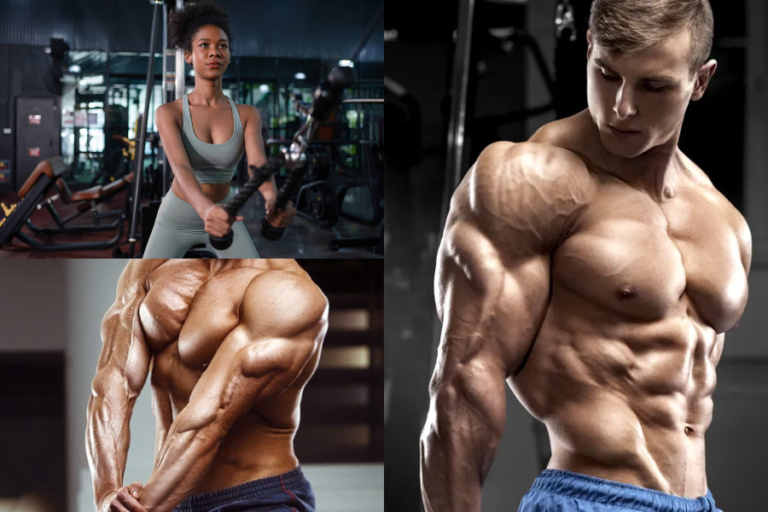
If you want a stronger upper body in less time, focusing on chest exercises for shoulders and triceps is a smart move. Your chest, shoulders, and triceps all work together in pushing movements, so training them in a single workout lets you:
- Build more pressing strength with fewer total exercises
- Use heavier weights on big lifts like the bench press
- Hit each muscle group at least twice per week without burning out
This style of training is popular in push, pull, legs splits, where one day focuses on pushing muscles (chest, shoulders, triceps), another on pulling muscles (back, biceps), and another on legs. It is an efficient way to get well rounded upper body development.
The ideal exercise order
For the best results and less joint stress, you usually want to train in this order:
- Chest
- Shoulders
- Triceps
Your shoulders and triceps already help with chest presses, so starting with heavy chest work lets you use your best energy on the biggest lifts. By the time you reach triceps isolation moves, those smaller muscles are already warmed up and pre fatigued, which can help you feel them more with lighter loads.
Key chest exercises that help shoulders and triceps
Chest pressing exercises, when chosen carefully, can strengthen your shoulders and triceps without beating up your joints. Below are some chest focused movements that also benefit your pressing muscles as a whole.
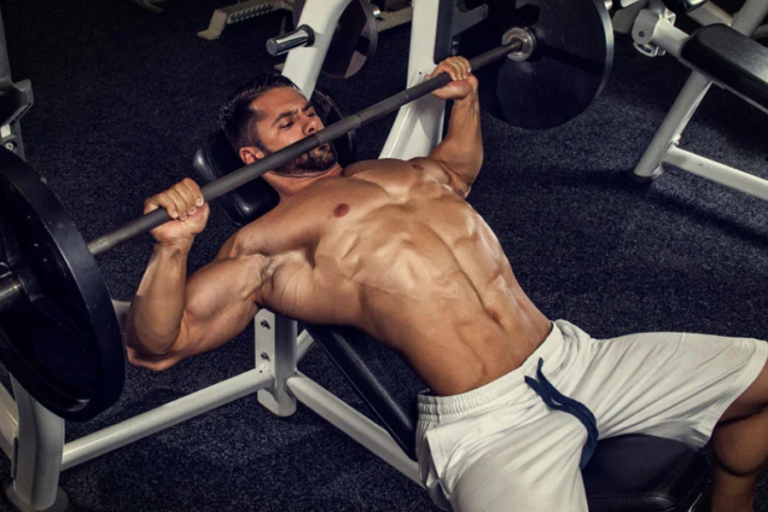
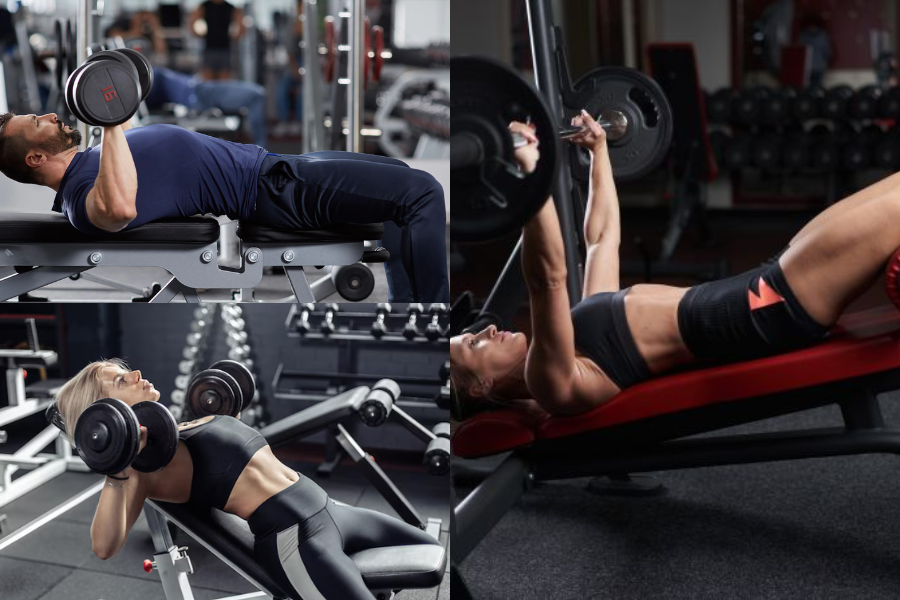
1. Flat barbell bench press
The flat barbell bench press is one of the most effective chest exercises for shoulders and triceps because it is a compound movement that uses all three muscle groups at once.
What it targets
- Primary: chest (pectorals)
- Secondary: shoulders (front deltoids)
- Secondary: triceps
How to use it effectively
- Place your feet flat on the floor and your eyes under the bar
- Grip the bar slightly wider than shoulder width
- Lower the bar to around the mid chest with control
- Press up until your elbows are just short of locking out
A common approach is to use a pyramid progression. You start lighter and gradually add weight over several sets so you can push your heaviest sets early in the workout when you are fresh. This helps maximize strength and muscle growth.
2. Neutral grip dumbbell bench press
If straight bar benching bothers your shoulders, the neutral grip dumbbell bench press is a shoulder friendly variation. With a neutral grip you hold the dumbbells so your palms face each other.
This grip keeps your shoulder joint in a lower degree of horizontal abduction. In simple terms you avoid flaring your arms too far out, which can reduce stress and strain on the shoulder. It is especially helpful if you have a history of shoulder impingements.
Form tips
- Lie on a flat bench with dumbbells held above your chest, palms facing each other
- Keep your elbows close to your torso as you lower the weights
- Maintain a slight arch in your upper back and keep your shoulder blades pulled back into the bench
- Lower with control, then press up without letting your shoulders roll forward
This movement still challenges your chest and triceps, but you are more likely to feel it in the muscles rather than in your shoulder joints.
3. Incline dumbbell press
Your upper chest responds well to incline pressing, and dumbbells allow a more natural arm path than a barbell. Incline work also engages the front of your shoulders, so it fits nicely in a chest, shoulders, triceps session.
Why it helps
- Targets the upper portion of the chest
- Involves the shoulders through a safe pressing angle
- Trains each arm independently and can help even out imbalances
Set the bench to a moderate incline, often between 30 and 45 degrees. Too steep and the exercise becomes more of a shoulder press than a chest press.
4. Dumbbell floor press
The dumbbell floor press is a great option if regular benching gives you shoulder discomfort. Because your elbows stop at the floor, you limit the bottom range where shoulder stress is highest. According to guidance as of June 7, 2024, the floor press reduces shoulder stress by limiting how far your upper arm moves behind your torso and it reinforces proper scapular stabilization and retraction because the floor gives you feedback on your back position.
How to do it
- Lie on your back on the floor with knees bent and feet flat
- Hold dumbbells above your chest with either a neutral or slightly turned grip
- Lower your elbows until they gently touch the floor
- Pause for a moment, then press back up while keeping your upper back tight against the ground
This variation still hits your chest and triceps hard, but with less strain around the shoulder joint.
Shoulder friendly presses that still hit your chest
Not all pressing needs to be flat benching. You can choose exercises that emphasize chest, shoulders, and triceps together while keeping your shoulders comfortable.
5. Landmine press
The landmine press uses an angled bar path instead of a straight vertical press. This can feel more natural on your shoulders and still challenge your chest and triceps.
As of July 15, 2024, the landmine press is noted as a modified overhead pressing exercise that enhances upper chest, shoulder, and scapular strength and stability. It is useful if you are coming back to pressing after shoulder pain because it trains the pecs, deltoids, and triceps without forcing your shoulder into extreme positions.
Basic setup
- Secure one end of a barbell in a landmine attachment or firmly in a corner
- Hold the other end of the bar with both hands at chest level
- Press the bar up and slightly forward, then lower under control
You can perform it standing, half kneeling, or tall kneeling depending on your comfort and balance. The angle makes it more joint friendly while still building pressing power.
6. Reverse grip push up
Push ups are a classic way to work your chest, shoulders, and triceps without equipment. The reverse grip variation, where your fingers point toward your feet, can increase posterior shoulder strength and stability.
Because your shoulders are externally rotated, the reverse grip push up promotes better shoulder and mid back positioning during pressing movements. That can carry over into safer bench press and overhead work over time.
How to start
- Place your hands on the floor slightly behind your shoulders with fingers pointing toward your toes
- Step your feet back into a plank position and brace your core
- Lower your chest toward the floor, keeping elbows close to your sides
- Press back up to the starting position
If this feels too intense on your wrists, you can elevate your hands on a bench or use push up handles to reduce strain.
Building stronger triceps through chest work
Your triceps already assist any pressing you do, but a few targeted exercises will ensure balanced development so your triceps do not become the weak link in your pressing strength.
7. Barbell lying triceps extension
The barbell lying triceps extension is a classic extension movement that targets all three heads of the triceps. This makes it a good fit near the end of a chest, shoulders, triceps workout.
How to perform it
- Lie on a bench holding a barbell with a shoulder width or slightly narrower grip
- Start with the bar above your chest, arms straight
- Bend at the elbows to lower the bar toward your forehead or slightly behind your head
- Keep your upper arms still, then extend your elbows to return to the top
This move pairs well with bench presses because it reinforces elbow extension strength, which you rely on to lock out heavy presses.
8. Overhead cable triceps extension
The overhead cable triceps extension places more emphasis on the long head of the triceps, especially when you keep constant tension with the cable.
Benefits
- Long head focus, helpful for full triceps shape
- Constant tension throughout the movement
- Good finisher after heavy pressing
To do it, stand facing away from a cable stack with the handle or rope attachment behind your head. Keep your elbows high and close to your ears as you extend and bend your arms.
9. Tricep pushdowns
High rep tricep pushdowns are often used as a finishing pump exercise. They isolate the triceps while sparing your shoulders.
You can adjust your grip, such as rope, straight bar, or V bar, depending on what feels best on your wrists and elbows. Focus on squeezing at the bottom of each rep and controlling the return on the way up.
Using tempo to protect your shoulders
Tempo is a powerful tool that often gets overlooked. By controlling the speed of each rep, you can grow muscle and build stability without constantly chasing heavier weights.
A helpful guideline for chest pressing movements is:
- 3 second lowering phase
- 1 second pause near the chest
- Strong press up
- 1 second pause at the lockout
This type of tempo promotes stability and muscle gain while reducing the need for very heavy loads. It also gives your shoulders more time to stay centered and stable in the joint, which can reduce irritation.
How many sets and how often to train
The sample chest, shoulders, and triceps workouts in the research involve around 29 total sets, for example:
- About 10 sets for chest
- About 10 sets for shoulders
- About 9 sets for triceps
This falls in a commonly recommended weekly range of roughly 12 to 20 sets per muscle group when your goal is muscle growth. If you train your pushing muscles two times per week, you might split that volume across both days.
Because your chest and triceps recover at a similar rate after pressing, with some references suggesting they recover effectively after about 48 hours, you can train them every third day if your joints and energy levels feel good. Pay attention to your own recovery and adjust as needed.
Sample push day structure
To put everything together, your push workout might look something like this:
- Flat barbell bench press or neutral grip dumbbell bench press
- Incline dumbbell press or landmine press
- Dumbbell floor press or reverse grip push up
- Lateral raises or other shoulder accessory of your choice
- Barbell lying triceps extension
- Overhead cable triceps extension or tricep pushdowns
Aim to start with heavier compound presses for lower to moderate reps, then gradually move toward lighter isolation work for higher reps.
Quick tips to get more from each workout
- Warm up with light push ups or empty bar presses before heavy sets
- Keep your shoulders pulled down and back to protect your joints
- Use a spotter or safety bars for challenging barbell presses
- Increase training loads gradually, small jumps add up over time
- Stop a set if your form breaks down or you feel sharp pain
By focusing your routine around chest exercises for shoulders and triceps, you get a simple plan that supports strength, muscle growth, and healthier joints. Start with one or two of the exercises from each section, keep your form tight, and adjust the volume to match your current fitness level.
About the Author