Over the years, you may have heard countless fitness tips on achieving a shapely lower body. But if you want real progress, focusing on the best glute exercises is key. Whether you work out at home or in a gym, learning proper form and variety will help you strengthen your glutes, improve posture, and boost overall lower-body power.
Understand the importance of glute training
Your gluteal muscles (gluteus maximus, medius, and minimus) play a crucial role in everything from walking and climbing stairs to powering through squats and lunges. When your glutes are strong, you’re less likely to experience lower back pain, knee discomfort, or general instability during daily activities.
Benefits of well-developed glutes
- Improved posture and balance
- Enhanced athletic performance
- Reduced risk of hip and lower back injuries
Master essential bodyweight moves
You don’t need fancy machines to start building your glutes. Bodyweight exercises engage your lower body while allowing you to concentrate on perfecting your technique. Try including these moves in your warmup or dedicate a short circuit strictly to glute strengthening.
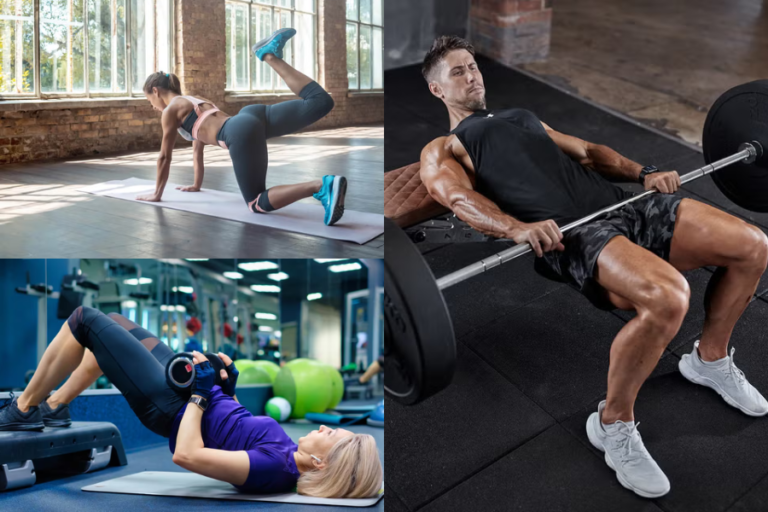
Glute bridge
- Lie on your back with knees bent and feet hip-width apart on the ground.
- Contract your glutes and lift your hips, forming a straight line from shoulders to knees.
- Pause briefly before lowering your hips back down.
To increase the challenge, place your feet on a stable box or bench, or add a resistance band around your thighs.
Donkey kick
- Begin on all fours, keeping your wrists under shoulders and knees under hips.
- Brace your core and lift one leg, driving the sole of your foot upward.
- Squeeze your glutes at the top, then lower your leg without letting your knee touch the ground.
Focus on slow, controlled movements to maintain tension in your glutes throughout.
Incorporate weighted exercises for faster results
Once you’ve mastered bodyweight exercises, adding resistance can drive further strength gains. Weighted exercises like squats and deadlifts are widely recognized as some of the best glute exercises when performed correctly.
Squat variations
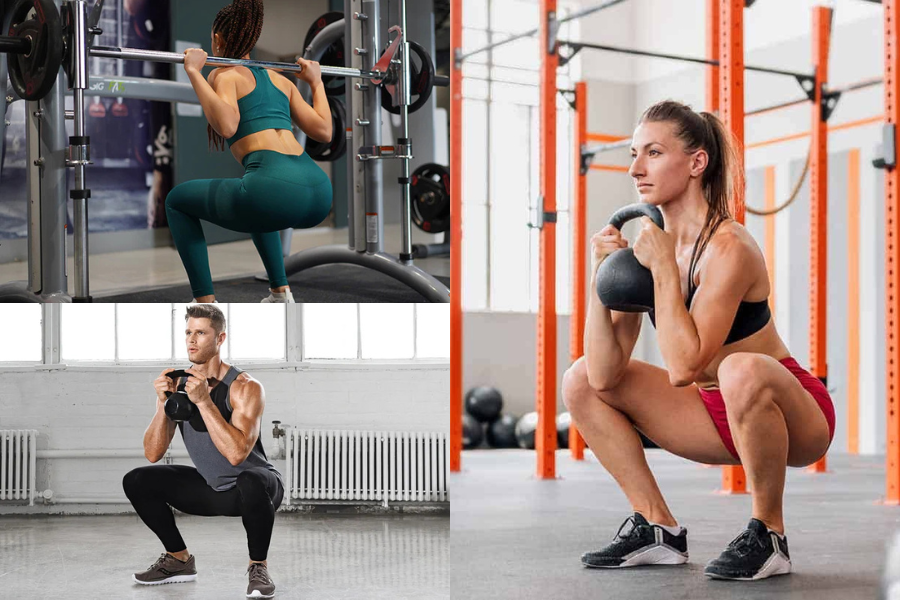
- Barbell squat: Place a barbell across your upper back, hinge at the hips, and lower into a squat. Keep your knees in line with your toes and your chest proud.
- Goblet squat: Hold a dumbbell or kettlebell close to your chest. Aim for a controlled descent and push through your heels to stand back up.
Deadlift variations
- Conventional deadlift: Stand with feet hip-width apart, hinge forward at the hips, and keep a flat back as you lift a barbell or pair of dumbbells.
- Romanian deadlift: Start with feet below your hips, slight bend in the knees, and lower the weight by pushing your hips back. This variation maximizes tension in your hamstrings and glutes.
Target your glutes with hip thrusts
Hip thrusts are prized for isolating the gluteus maximus and delivering significant tension. They also let you lift heavier weights once you’ve built a solid foundation.
How to perform a hip thrust
- Sit on the ground with your upper back braced against a bench.
- Roll a loaded barbell over your hips (or use a padded support for comfort).
- Press your feet firmly into the floor, then lift your hips toward the ceiling.
- At the top, squeeze your glutes before lowering back down.
Keep your chin tucked, and avoid arching your lower back. Consider using a resistance band above your knees to emphasize proper knee alignment.
Balance your routine with accessory work
Supporting exercises help fine-tune glute development and prevent muscle imbalances in your lower body. Though smaller in range, these moves add variety and strengthen specific areas.
Side-lying clamshell
- Lie on your side with knees bent and feet together.
- Keeping your feet touching, lift your top knee while engaging your glutes.
- Return your knee to the starting position under control.
This exercise targets the gluteus medius, which supports lateral movement and stabilizes the pelvis.
Lateral band walks
- Place a resistance band around your lower thighs or ankles.
- Stand with feet hip-width apart and maintain a slight squat.
- Step sideways, keeping tension in the band and your glutes engaged.
Perform slow, steady steps for at least 10 to 12 reps in each direction.
Tips for getting the most out of your workouts
- Warm up thoroughly: Activate your glute muscles with light exercises like bridges or clamshells.
- Focus on form: Engage your core, keep your spine neutral, and move in a controlled manner.
- Vary your routine: Switch between squats, hip thrusts, deadlifts, and accessory moves to keep muscles challenged.
- Rest and recover: Muscles grow during rest, so schedule days off or low-impact sessions.
Key takeaways
- Strong glutes improve overall movement, posture, and stability.
- Master bodyweight exercises first, then add weights to intensify your workouts.
- Prioritize variations of squats, deadlifts, and hip thrusts for comprehensive glute development.
- Accessory exercises like clamshells and lateral band walks help fine-tune and balance your lower-body strength.
- Maintain good form, stay consistent, and give your muscles time to recover.
With these strategies in place, you’ll be well on your way to mastering the best glute exercises. In time, you’ll notice improved strength, better posture, and added confidence in every step you take.
About the Author