Why a beginner back workout matters
If you are starting strength training, a simple beginner back workout is one of the smartest ways to see fast, visible progress. Your back muscles support posture, help protect your spine, and make everyday movements like lifting groceries or carrying kids feel easier. A strong back also creates that V taper look that makes your waist appear smaller.
As a beginner, you do not need complicated routines. You need a small set of reliable exercises, clear form cues, and a schedule you can stick to. With just a few moves that target your lats, traps, rhomboids, rear delts, and lower back, you can build strength safely and quickly.
Understand your back muscles
You do not need an anatomy degree, but knowing what you are training makes your beginner back workout more effective.
Key muscles you will train
-
Latissimus dorsi (lats)
The broad muscles that run along the sides of your back. Strong lats help build width and that V shape. -
Trapezius (traps)
Run from your neck across your upper back. They help stabilize your shoulders and support posture. -
Rhomboids and rear delts
Sit between and around your shoulder blades. These muscles pull your shoulders back and help keep you from rounding forward. -
Erector spinae (lower back)
Long muscles along your spine that control spinal extension and help protect against lower back pain.
A good beginner back workout touches all of these areas with a mix of horizontal pulling, vertical pulling, and spinal extension.
How often you should train your back
If you have 0 to 6 months of lifting experience, training your back once per week is usually enough to see progress and still recover well. You can:
- Make back day its own workout
- Or include it in a full body or push pull split
Because back work is new to your body, that one focused session per week creates a strong stimulus without overloading your joints or nervous system. As you get stronger, you can add more volume or a second weekly session.
Warm up before your back workout
Cold muscles are more prone to injury, especially when you are learning new movements. A short warm up improves flexibility, activates your muscles, and sets you up for better results.
Simple warm up routine
Spend 5 to 8 minutes on:
-
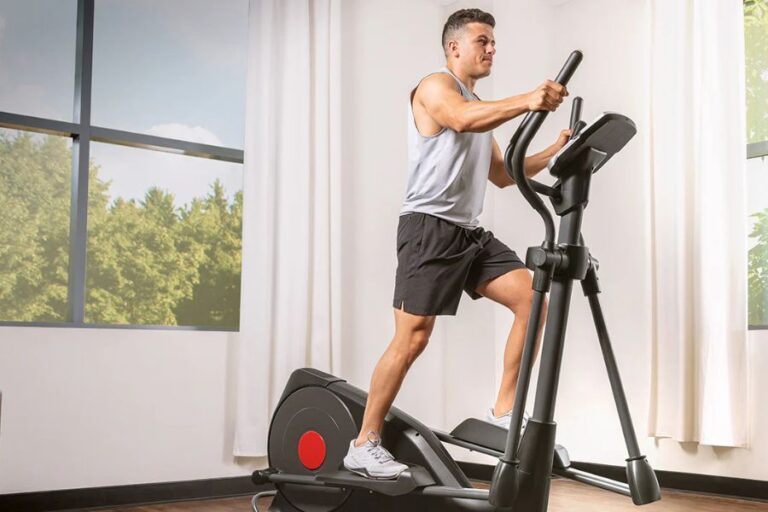
Light cardio
Walk, cycle, or use an elliptical until you feel slightly warm. -
Dynamic upper body moves
- Arm circles
- Shoulder rolls
- Gentle torso twists
- Activation sets for your first exercise
- Do 2 warm up sets before your first back exercise
- Do 1 warm up set before each new exercise after that
- Use lighter weight, but keep the same number of reps you plan to use in your working sets
The goal here is to prepare your body, not tire it out before the real work begins.
Beginner back workout with machines (gym friendly)
If you have access to a gym, back machines are a beginner friendly way to learn proper form. They guide your movement, keep you in a safe range of motion, and allow you to increase resistance in small steps.
Here is a simple machine based beginner back workout you can follow once per week:
- Lat pulldown machine
- Sets: 3
- Reps: 12
- Focus: Lats and upper back
- Seated row machine
- Sets: 3
- Reps: 12
- Focus: Mid back, rhomboids, traps
- Assisted pull up machine
- Sets: 3
- Reps: 8 to 10
- Focus: Lats, upper back, biceps
- Seated back extension machine
- Sets: 3
- Reps: 15
- Focus: Lower back and spinal erectors
This routine gives you 3 to 4 exercises and enough sets to build a strong foundation without being overwhelming.
Form tips for machine exercises
For safer and more effective back training:
- Adjust the seat and pads so your joints are aligned with the machine’s pivot points
- Use slow, controlled reps instead of swinging the weight
- Keep your core engaged and your spine neutral
- Use a full range of motion so you are not short changing your muscles
- Experiment with different grips (wide, narrow, underhand) to see what feels best and which muscles you feel working most
This kind of controlled environment also reduces the need for a spotter and helps you practice mind muscle connection.
Beginner back workout with free weights at home
If you prefer to train at home, you can still build a strong back with a small set of basic exercises. You just need a barbell, dumbbells, or a sturdy place to do bodyweight work like rows or pull ups.
Simple home based beginner back workout
Aim for 2 to 3 sets of 10 to 12 reps per exercise, once per week:
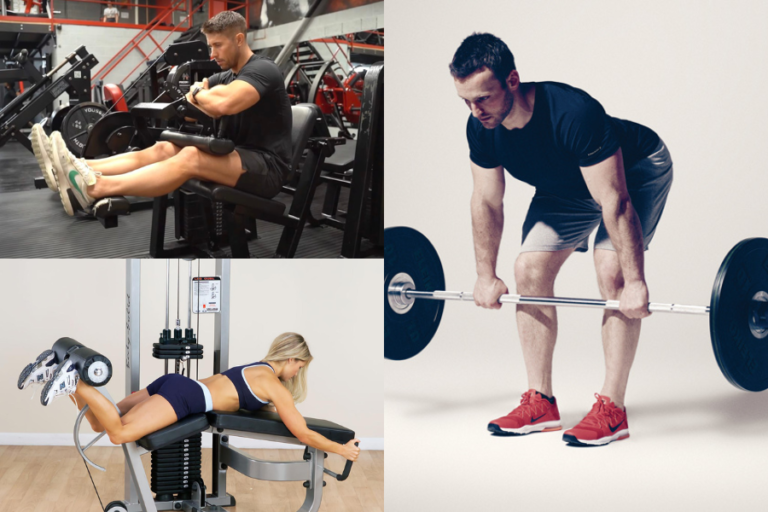
- Dumbbell or barbell deadlift
- Muscles: Lower back, glutes, hamstrings, core
- Tip: Start with the bar or dumbbells raised 8 to 10 inches off the ground so you can focus on form
- Keep your chin slightly up, your back straight, and the weight close to your body
- One arm dumbbell row
- Muscles: Lats, mid back, rear delts
- Tip: Brace one hand and one knee on a bench or sturdy surface, pull your elbow toward your hip, and avoid twisting your torso
- Pull ups or assisted pull ups
- Muscles: Lats, upper back, biceps
- Tip: If full pull ups are too hard, use a chair for your feet or a resistance band for assistance
- Inverted rows (under a sturdy table or suspension trainer)
- Muscles: Upper and mid back, rear delts, core
- Tip: The more you walk your feet forward, the harder the exercise becomes
If you are completely new to lifting, you can start by picking 2 or 3 of these exercises per workout, then add more variety and sets after about 6 months of consistent training.
Bodyweight and band options for absolute beginners
If you do not have equipment yet, you can still begin strengthening your back with bodyweight and resistance band work.
No equipment back exercises
Try 2 to 3 sets of 10 to 15 reps:
-
Supermans
Lie face down, lift your arms and legs slightly off the floor, hold briefly, then lower. This strengthens your lower back safely. -
Contralateral limb extensions
From a hands and knees position, extend opposite arm and leg, hold for a second, then switch. This builds core stability and back control. -
Planks
Front and side planks help your core and back work together to stabilize your spine.
Simple band based moves
If you have a resistance band:
-
Banded pull aparts
Great for mid and lower traps, plus posture. Hold a band at shoulder height, then pull it apart by squeezing your shoulder blades together. -
Band rows
Anchor the band at chest height, then row the handles or ends toward you with elbows close to your body.
These moves are a low stress way to practice good form and build awareness before you move on to heavier weights.
Technique tips to feel your back working
Many beginners struggle to “feel” their back in exercises like rows or pulldowns. A few simple cues can help you build mind muscle connection.
Make every rep count
-
Think about your lats
If you struggle to feel them, imagine you are “squeezing an orange with your armpits” as you pull. This helps you engage your lats rather than letting your arms take over. -
Lead with your elbows
In rows and pulldowns, focus on driving your elbows back or down, not just pulling with your hands. -
Set your shoulders first
Gently pull your shoulders down and back before each rep. This protects your shoulder joints and helps your back do the work. -
Avoid momentum
If you are swinging or jerking the weight, it is too heavy. Lighten the load so you can move slowly and under control.
Practicing with resistance bands or light weights at first is a good way to learn this without overloading your joints.
How many sets and reps to start with
As a beginner, you do not need huge volume. A simple structure works well:
- Exercises per session: 3 to 4
- Sets per exercise: 2 to 3 working sets
- Reps per set: 10 to 12 for most moves, 15 for lighter isolation or lower back work
This is enough to stimulate muscle growth and strength gains without creating extreme soreness that stops you from coming back next week.
Once your form feels solid and the workout feels manageable, you can:
- Add a third set to key exercises
- Slightly increase the weight
- Or add another beginner back workout later in the week as part of a full program
Common beginner mistakes to avoid
Good habits early on will save you from frustration and potential injuries later.
Problems to watch for
-
Ego lifting
Using weights that are too heavy leads to poor form, shortened range of motion, and less muscle activation. It also increases injury risk. Always choose a weight you can control for all your reps. -
Skipping lower back work
Only training your upper back and ignoring your lower back can create imbalances and increase the chance of lower back pain. Include deadlifts, back extensions, or Supermans to keep things balanced. -
Doing the same exercise over and over
Sticking to one or two back moves forever, like only doing rows, limits your progress and can strain specific joints. Rotate different pulling angles and movements regularly. -
Rushing the warm up
Skipping activation makes injuries more likely and your workouts less effective. Keep your warm up short but focused. -
Poor spinal position
Rounding your back, especially during deadlifts or rows, can strain your muscles and ligaments. Aim for a neutral spine and stop the set if you feel your form breaking down.
If you feel unsure about your technique, consider asking a personal trainer to review your form in person. Guidance early on can prevent bad habits from setting in.
What to expect in your first few weeks
When you start a beginner back workout, it is normal to feel:
- Muscle soreness in the first week or two
- Fatigue in muscles you did not even know you had
- Some awkwardness as you learn the movements
This soreness usually fades as your body adapts and your technique improves. The biggest factor in seeing results is not perfection on day one. It is consistency.
Stick with your weekly back workout, focus on form, and give your muscles time to recover between sessions. Over time, you will notice better posture, stronger lifts in other exercises, and a more defined upper body.
Putting it all together
Here is a simple way to structure your beginner back workout:
If you train at a gym
- Lat pulldown machine, 3 x 12
- Seated row machine, 3 x 12
- Assisted pull up machine, 3 x 8 to 10
- Seated back extension, 3 x 15
If you train at home
- Dumbbell or barbell deadlifts, 2 to 3 x 10 to 12
- One arm dumbbell rows, 2 to 3 x 10 to 12 per side
- Pull ups, assisted pull ups, or inverted rows, 2 to 3 x 8 to 12
Choose one version, commit to it once per week, and track your progress. When the weights and reps start to feel easier, increase the load slightly, or add a set. With smart progression, solid form, and patience, your beginner back workout will quickly become one of the strongest parts of your routine.
About the Author