Looking to improve your glute workout gym routine and see faster progress? Training your glutes is about more than aesthetics. Strong glutes support healthy posture, boost your overall athletic ability, and can even help prevent lower back pain. Below, you will find friendly tips to supercharge your glute workouts and get you closer to the results you want.
Warm up your glutes effectively
A solid warmup not only primes your muscles for heavier lifts but also helps prevent injury. By activating your glute muscles before you start lifting, you will feel more targeted engagement during each exercise.
Simple activation drills
- Glute bridges: Lie on your back, bend your knees, and lift your hips for a gentle activation.
- Banded side steps: Loop a resistance band around your thighs and step sideways for 10–12 reps.
- Clamshells: Keep the band around your thighs, lie on your side, and lift your top knee while keeping your feet together.
Master squat form
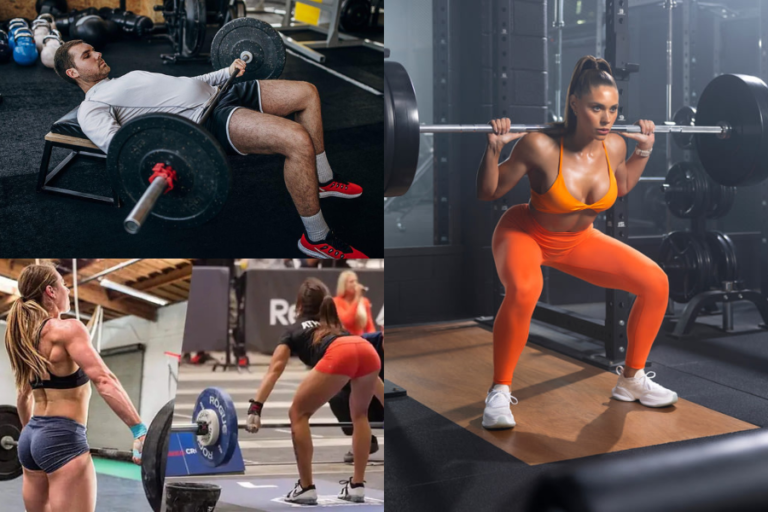
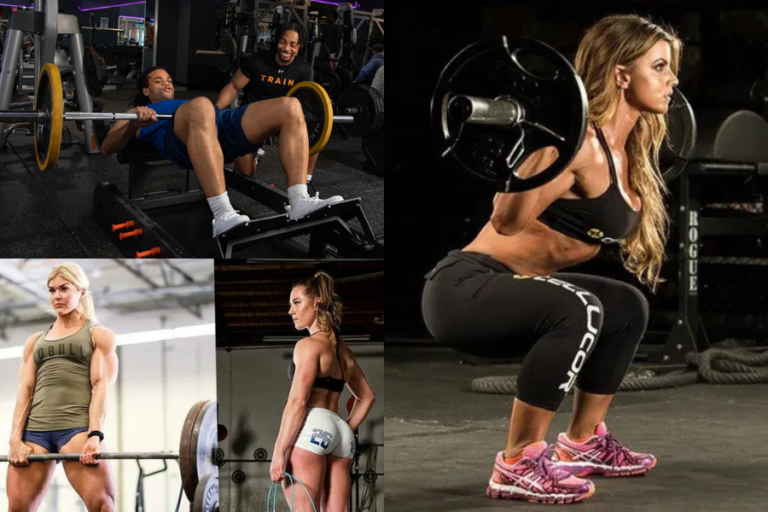
Squats are a cornerstone of any glute workout gym plan. When done correctly, they target the glutes, quads, and core. Proper form ensures maximum efficiency and reduces strain on your knees and lower back.
Key stance tips
- Keep your feet about shoulder-width apart and slightly turned out.
- Lower your hips by bending at your knees and hips together, maintaining a neutral spine.
- Drive through your heels on the way up, making sure your knees do not cave inward.
Add hip thrusts for maximum impact
Hip thrusts are an excellent way to directly work your glutes. Whether you use a barbell, dumbbell, or just your body weight, this exercise helps build a full, rounded shape in the gluteal muscles.
Proper setup pointers
- Rest your upper back against a bench while keeping your feet flat on the floor.
- Align your knees above your ankles, and tuck your chin slightly to keep your neck neutral.
- Firmly press your hips upward, squeeze your glutes at the top, then lowered in a controlled motion.
Use compound moves for faster gains
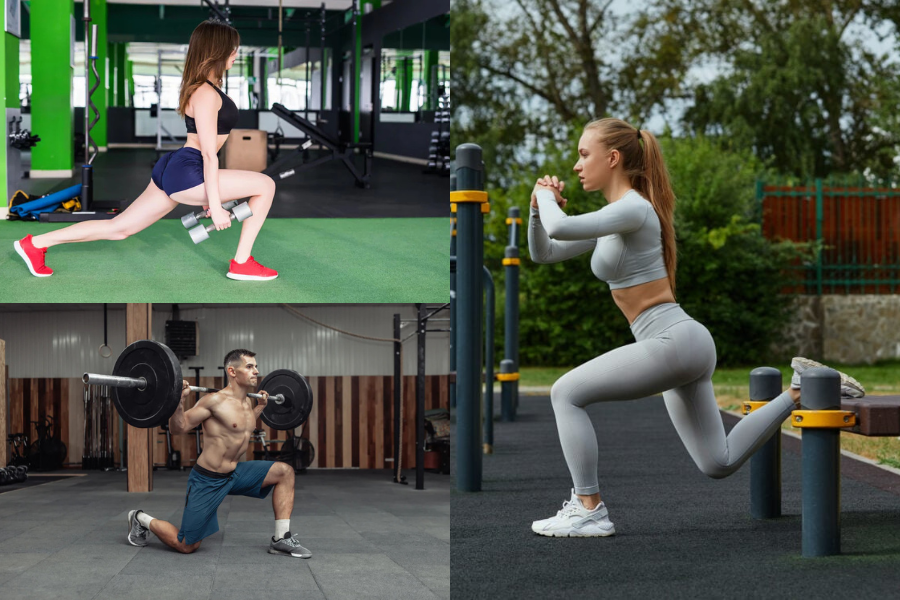
Compound exercises engage multiple muscle groups at once, which can accelerate your progress. Moves like deadlifts, lunges, and step-ups challenge your glutes along with surrounding muscles, making your workout more efficient.
Why deadlifts matter
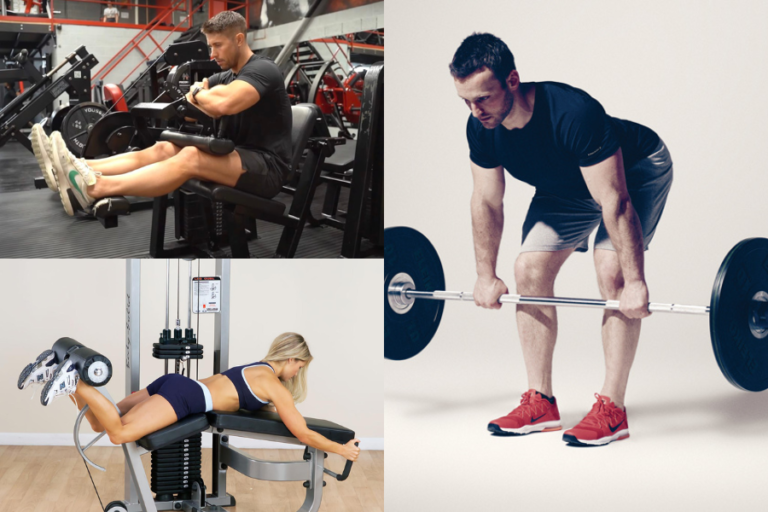
- Conventional deadlifts activate glutes, hamstrings, and back muscles simultaneously.
- Romanian deadlifts emphasize the posterior chain and add extra workload to your glutes.
- Always hinge from your hips, keep the bar close to your shins, and avoid rounding your spine.
Maximize your results with variety
If you stick to the same exercises every session, your body may adapt quickly, leading to plateaus. Introducing variety ensures all sections of your glutes (maximus, medius, and minimus) get plenty of challenge.
Mix up your routine
- Add side-lying leg lifts, donkey kicks, or fire hydrants for glute medius engagement.
- Alternate between bilateral (both legs) and unilateral (single-leg) exercises to address muscle imbalances.
- Gradually increase weight or resistance to keep your muscles growing.
Key takeaways
- Warming up your glutes with activation drills helps you feel the right muscles working.
- Mastering squat form ensures you get the most out of this foundational movement.
- Hip thrusts deliver targeted glute engagement, especially at the top of the motion.
- Compound exercises like deadlifts and lunges build strength and efficiency.
- Switching up exercises and weights keeps your glutes stimulated and growing.
Incorporate these tips into your next glute workout gym session, and remember to track your progress so you can see how far you have come. With consistency and proper technique, you will be well on your way to stronger, more defined glutes.
About the Author