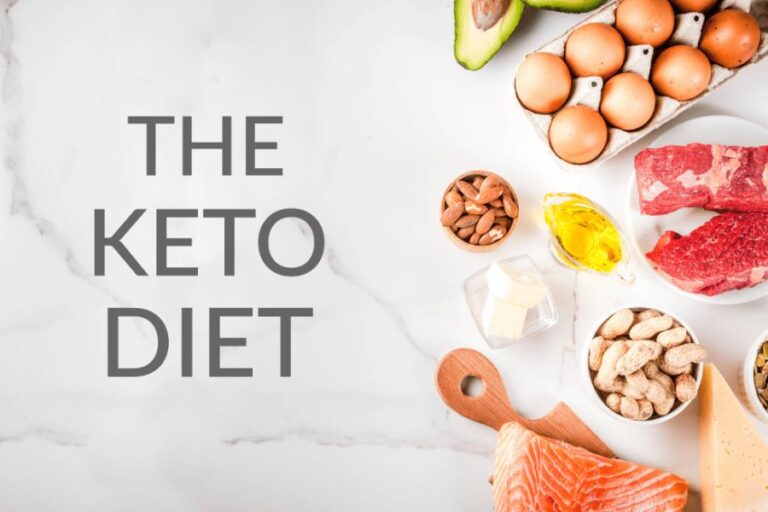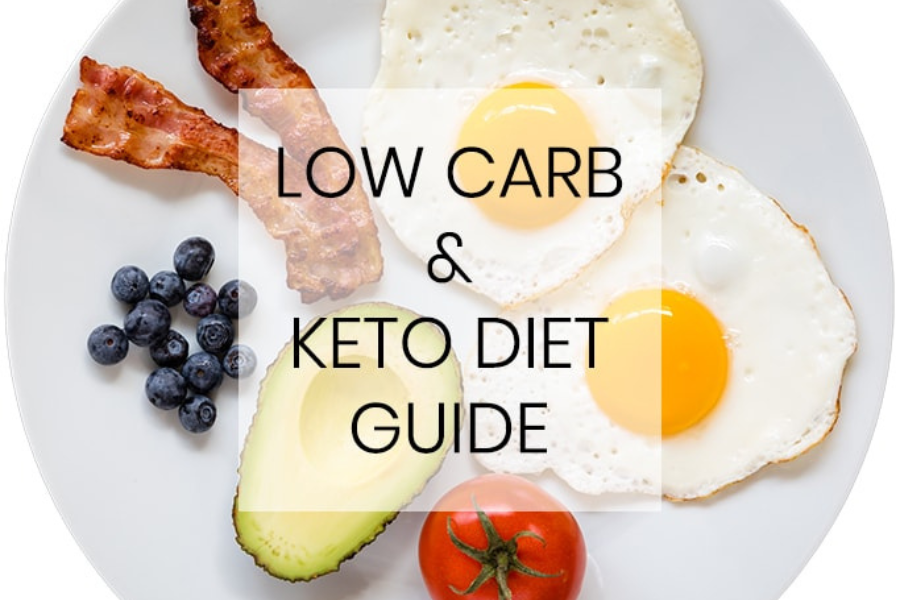
Understand the basics of keto vs low carb
If you are comparing the keto vs low carb diet to decide which might help you lose weight and improve your health, it helps to start with clear definitions.
Both approaches reduce carbohydrates, especially refined grains and added sugars. Where they differ is how low you go and what you eat more of instead.
- A low carb diet typically gives you about 50 to 150 grams of carbs per day on a 2,000 calorie diet, which comes out to roughly 10 to 30 percent of your calories from carbs. You eat more protein, healthy fats, and plenty of non starchy vegetables to feel full and reduce overall calories (Healthline).
- A keto diet is a very low carb, high fat way of eating that usually keeps carbs under 50 grams per day, often closer to 20 to 50 grams. This pushes your body into ketosis, a metabolic state where you burn fat for fuel instead of carbs, and you keep protein moderate so you stay in ketosis (Healthline).
You can think of keto as a stricter version of low carb. Every keto diet is low carb, but not every low carb diet is keto.
Compare macros and daily carb limits
A practical way to see the difference between keto and low carb is to look at your macronutrient breakdown, or how much of your daily calories come from carbs, protein, and fat.
Typical low carb macros
According to registered dietitian Pamela Nisevich Bede, a low carb diet usually provides (Nutrition News by Abbott):
- Carbohydrates: about 10 to 25 percent of calories
- Protein: about 40 to 50 percent of calories
- Fat: about 30 to 40 percent of calories
For a 2,000 calorie diet, that often looks like:
- Carbs: roughly 50 to 150 grams per day
- Protein: a generous amount to support muscle and appetite control
- Fat: moderate, focused on healthier sources like olive oil, nuts, seeds, and avocado
This balance gives you flexibility. You cut down on high carb foods, but you still have room for some whole grains, fruit, and legumes if they fit your goals and carb target.
Typical keto macros
On a ketogenic diet, the macro targets tighten significantly. Bede explains that keto typically requires (Nutrition News by Abbott):
- Carbohydrates: about 5 to 10 percent of calories
- Protein: about 15 to 30 percent of calories
- Fat: at least 70 to 80 percent of calories
In practice, that often means:
- Carbs: around 20 to 50 grams per day total
- Protein: moderate, not high, since too much protein can make it harder to stay in ketosis
- Fat: a very high intake, from foods like oils, butter, cream, nuts, seeds, and fattier cuts of meat
Healthline notes that keto keeps carbs under 50 grams daily to induce nutritional ketosis, while low carb usually allows more, in the 50 to 150 gram range (Healthline).
Quick side by side comparison
| Diet type | Daily carb range (approx.) | Carb % of calories | Protein % | Fat % |
|---|---|---|---|---|
| Low carb | 50–150 g | 10–30% | 40–50% | 30–40% |
| Keto | 20–50 g | 5–10% | 15–30% | 70–80% |
For you, the key question is: do you want to drastically cut carbs to reach ketosis, or moderately reduce carbs to create a deficit and better blood sugar control without going as strict?
See how each diet works in your body
Both keto and low carb can help you lose weight and improve health markers, but they do it in slightly different ways.
How a low carb diet works
On a low carb diet you:
- Cut back on high carb foods like sugary drinks, desserts, white bread, pasta, and many snack foods
- Focus on protein rich foods such as eggs, poultry, fish, lean meats, and Greek yogurt
- Add healthy fats like olive oil, avocado, nuts, and seeds
- Fill your plate with non starchy vegetables like leafy greens, broccoli, peppers, and zucchini
By reducing carbs and emphasizing protein and fiber rich vegetables, you are likely to:
- Feel fuller on fewer calories
- Reduce blood sugar spikes
- Naturally eat less without tracking every bite
Low carb does not necessarily push you into ketosis, especially at the higher end of that 50 to 150 gram carb range. Instead, it helps you manage hunger and calories in a way that many people find more sustainable long term (Healthline).
How the keto diet works
On keto you aggressively limit carbs to force your body to switch fuel sources.
With carbs at roughly 20 to 50 grams per day and fat at 70 percent or more of your calories, your body eventually enters nutritional ketosis, a state where it:
- Uses fat and ketones as its main fuel
- Produces fewer blood sugar and insulin spikes
- Often leads to rapid initial weight loss, partly from water loss and partly from burning fat (Healthline, Health.com)
Reaching stable ketosis can take three to five weeks, and during this transition you may feel tired, foggy, or irritable. Bede notes that careful planning, food tracking, and sometimes supplements like fiber or a multivitamin can help you get through this period more comfortably (Nutrition News by Abbott).
Weigh potential benefits and results
You might be wondering which diet will actually move the needle for your health. Research suggests that both can help with weight loss and blood sugar control, though the experiences can differ.
Weight loss and blood sugar
Several sources point to meaningful short term benefits with both diets:
- Health.com notes that both low carb and keto often lead to weight loss and better blood sugar control, though keto can sometimes bring faster loss because you are more likely to be in ketosis (Health.com).
- A review from Healthline emphasizes that for many people wanting to lose weight or improve health, low carb is often the more sustainable choice, even if keto can produce dramatic early results (Healthline).
If you have type 2 diabetes or prediabetes, one study from Stanford Medicine compared a keto style low carb diet and a Mediterranean style low carb diet. Participants on both diets:
- Lost similar amounts of weight, around 7 to 8 percent
- Improved blood sugar markers, with similar reductions in HbA1c, about 7 to 9 percent
- Saw better fasting insulin, glucose, HDL cholesterol, and liver enzymes (Stanford Medicine)
This suggests that you do not necessarily need extreme carb restriction to see meaningful benefits.
Sustainability and everyday life
For long term success, the diet you can stick with usually beats the one that looks perfect on paper.
Evidence points to:
- Low carb is generally easier to follow over time because you get more variety and a more balanced mix of protein and fat. Bede explains that keto’s very high fat and relatively lower protein can make muscle building and adherence more challenging for some people (Nutrition News by Abbott).
- In the Stanford Mediterranean vs keto study, most people found the Mediterranean style low carb diet easier to continue. Three months after the trial ended, many participants were still closer to this pattern and had maintained lower blood sugar and weight, without added benefit from strict carb elimination beyond cutting sugar and refined grains (Stanford Medicine).
If your goal is lasting weight loss and better day to day energy, asking what you can live with for a year or more is often more important than what works fastest in a month.
Consider risks and side effects
No diet is perfect. Both keto and low carb can have potential downsides that you should understand, especially if you have medical conditions.
Possible downsides of keto
Because keto is more restrictive, it tends to carry more risk if it is not carefully planned.
Research and expert guidance highlight concerns such as:
- Nutrient gaps. In the Stanford study, people on keto had lower intakes of important nutrients like fiber and vitamins B6, C, D, and E, as well as thiamin, compared with those on a more flexible Mediterranean style low carb diet (Stanford Medicine).
- Higher LDL cholesterol. Keto participants in that study also saw increases in LDL cholesterol, while those on the Mediterranean diet saw LDL go down. If you have heart disease risk factors, this is especially important to discuss with your doctor (Stanford Medicine).
- Electrolyte and blood sugar issues. Health.com notes that very low carb intake, sometimes as low as 20 grams daily, can pose risks such as low blood sugar, electrolyte imbalances, and digestive problems if you are not careful with hydration and mineral intake (Health.com).
- Short term side effects. During the transition to ketosis, you might feel tired, mentally foggy, or experience headaches and irritability. Bede recommends meal planning, tracking, and possibly fiber or multivitamin supplements to ease this period (Nutrition News by Abbott).
Keto can have therapeutic uses, such as for some cases of refractory epilepsy and possibly for certain medical conditions, but experts caution that it may be too restrictive for most people and is often hard to maintain without side effects over time (Healthline).
Possible downsides of low carb
A low carb diet is usually easier to personalize, but it still has some potential drawbacks for you to watch for:
- Over restricting healthy carbs. If you cut carbs too aggressively without planning, you may miss out on fiber and beneficial nutrients found in fruit, legumes, and whole grains.
- Protein heavy choices. A very high protein intake is not ideal for everyone, particularly if you have existing kidney issues.
- Initial adjustment. Reducing refined carbs and sugar can still bring appetite changes or cravings while your body adapts.
Overall, current evidence suggests that low carb diets tend to carry fewer risks and better adherence for many people compared with strict keto, but any major shift in eating should be tailored to your health history and monitored where needed (Healthline).
Decide which diet fits your goals
When you compare the keto vs low carb diet, you are really choosing how strict you want your carb reduction to be and what kind of lifestyle you prefer.
Here are some questions that can help you decide.
Keto might fit you if
You might consider trying keto if:
- You want rapid short term weight loss and are comfortable with a very specific plan.
- You are open to eating high fat foods consistently, such as fatty cuts of meat, butter, oils, cream, nuts, and cheese.
- You are willing to meticulously limit carbs and track your food, especially in the first few weeks.
- Your healthcare provider believes that keto could be beneficial for your specific situation and is monitoring you.
Bede notes that people who need significant weight loss sometimes choose keto for its potential effectiveness, but they also need to be realistic about whether they can stick with such a high fat, very low carb pattern long enough to see results (Nutrition News by Abbott).
Low carb might fit you if
You might lean toward a low carb diet if:
- You want steady, realistic weight loss and improved health markers without an extreme approach.
- You prefer more flexibility in your food choices, including room for fruit, beans, and occasionally whole grains.
- You like eating a higher protein diet with moderate fat to support muscle and appetite control.
- You are looking for something you can realistically adopt for months or years, not just a few weeks.
Healthline notes that for most people trying to lose weight or improve overall health, low carb is often a better and more sustainable option than strict keto, especially once you remove added sugar and refined grains (Healthline).
Plan your next steps safely
Before you jump into either diet, it is smart to plan ahead and loop in your healthcare team, especially if you have any existing medical conditions.
Talk with a healthcare professional
Both Healthline and Health.com emphasize that you should consult a healthcare provider before starting either diet, particularly if you:
- Have type 1 or type 2 diabetes
- Take blood sugar or blood pressure medications
- Have kidney disease, liver issues, or heart disease
- Are pregnant, breastfeeding, or managing a medical condition that affects metabolism
Your doctor or a registered dietitian can help you:
- Decide whether keto, low carb, or a more moderate Mediterranean style plan makes the most sense for you
- Set realistic carb, protein, and fat targets
- Monitor your lab values and health markers over time (Healthline, Health.com)
Ease into changes
If you decide to make a shift, you do not have to overhaul everything overnight.
You can start with simple changes like:
- Swapping sugary drinks for water or unsweetened tea
- Replacing white bread and pasta with non starchy vegetables at one meal a day
- Increasing your protein at breakfast so you feel fuller for longer
- Cooking with olive oil instead of highly processed vegetable oils
If you choose keto, you will need a more structured transition. Bede recommends:
- Systematic meal planning so you do not end up without keto friendly options when you are hungry
- Food tracking to keep carbs low enough and fat high enough to reach ketosis
- Considering fiber and multivitamin supplements, with guidance from your provider, because you are cutting out or dramatically reducing entire food groups (Nutrition News by Abbott)
For a low carb approach, you might simply:
- Set a daily carb range that feels manageable, for example 75 to 100 grams to start
- Build your meals around protein, non starchy vegetables, and healthy fats
- Adjust gradually based on how your energy, appetite, and weight respond
Key takeaways for your choice
When you compare the keto vs low carb diet, the best choice is the one that fits your body, your medical needs, and your lifestyle.
- Keto is a very low carb, high fat diet that aims for ketosis. It may deliver fast short term results but is harder to follow and can increase LDL cholesterol and lower important nutrients if not planned carefully.
- Low carb is more flexible, with higher carb limits and more room for whole foods like fruit, beans, and whole grains in moderation. It often supports good weight loss and blood sugar control with better long term adherence.
- For many people focused on sustainable weight loss and overall health, evidence points toward low carb being a more realistic everyday approach than strict keto (Healthline, Stanford Medicine).
If you are unsure where to begin, you might start by cutting added sugars and refined grains, increasing protein and vegetables, and seeing how your body responds. From there, you can decide whether to tighten your carb intake toward keto levels or settle into a moderate, low carb pattern that you can live with comfortably.
Whichever path you choose, give yourself time to adjust, pay attention to how you feel, and work with your healthcare team so your diet supports both your weight goals and your long term health.
About the Author