What the keto diet actually is
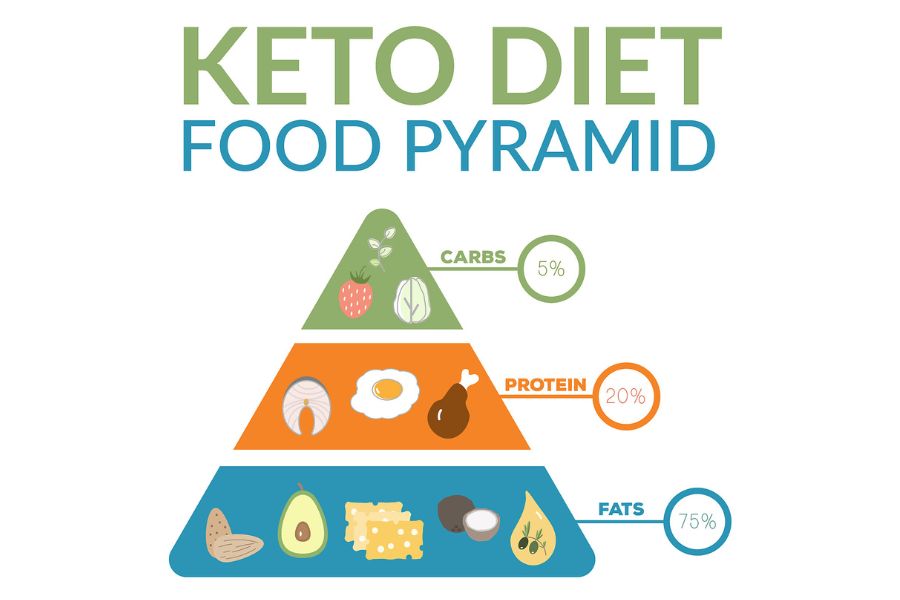
Before you can understand keto diet risks, it helps to know what the diet really involves. On a typical ketogenic diet, about 75% of your calories come from fat, about 5% from carbohydrates, and around 15% from protein (University of Chicago Medicine).
By keeping carbs extremely low, you push your body into ketosis. In ketosis, you burn fat for fuel instead of glucose. This can lead to fast weight loss and better blood sugar control at first, which is why keto is so popular.
Originally, though, the ketogenic diet was created as a medical treatment for children with severe, drug resistant epilepsy, not as a general weight loss or wellness plan (Forks Over Knives).
So while you might be drawn to keto for quick results, you are using a medical style diet in a very different way than it was designed for. That is where many of the potential risks begin.
How keto changes your daily eating
On keto, you typically:
- Cut out most grains, beans, fruit, and starchy vegetables
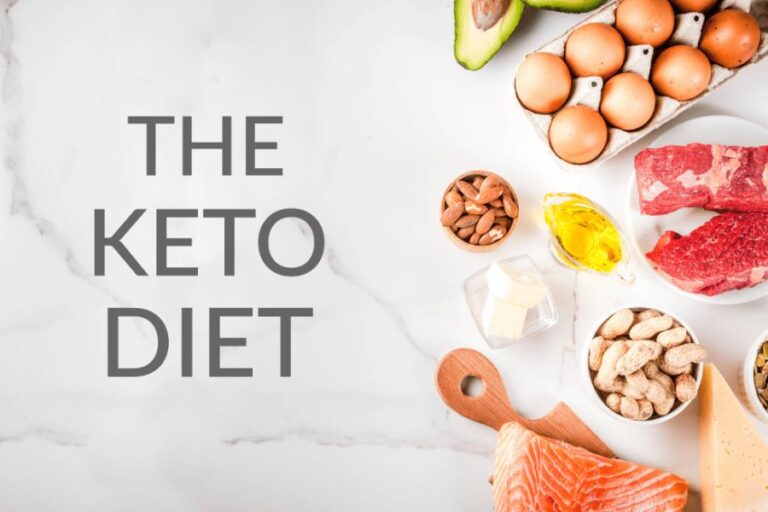
- Rely heavily on meat, eggs, cheese, butter, cream, oils, and nuts
- Keep even healthy carbs like oats, quinoa, lentils, and many fruits to a minimum
This pattern has consequences for your heart, kidneys, gut, and long term health that are easy to overlook when you are focused on the scale.
Short term side effects you might notice first
When you start keto, you usually feel the short term side effects before any of the longer term health risks show up. Some of these ease with time. Others are clues that the diet may not be a good fit for you.
Keto flu and low energy
In the first days or weeks of keto, you may experience what many people call the “keto flu.” Reported symptoms include (ZOE):
- Headaches
- Muscle aches
- Fatigue and low energy
- Dizziness
- Mood swings
These happen because your body is switching from using carbs to using fat and ketones for fuel. Your fluid and electrolyte balance also shifts, which can affect how you feel.
You might accept a rough week or two if you believe the long term payoff is worth it. The research, however, suggests the benefits are not as clear as the hype.
Digestive problems and dehydration
Keto is very low in fiber, since it restricts whole grains, beans, fruit, and many vegetables. That lack of fiber can lead to (ZOE):
- Constipation
- Hard, infrequent stools
- Bloating or discomfort
You may also notice:
- Bad breath from acidic ketones
- Low blood sugar symptoms like heart palpitations and shakiness
In the short term these issues are usually reversible. They are also signs that your overall nutrient balance is off.
Social and lifestyle challenges
Keto is one of the more restrictive diets you can follow. Experts at the University of Chicago Medicine note that it can cause social isolation or disordered eating patterns, because it is so hard to maintain in real life settings (University of Chicago Medicine).
You may find that:
- Eating out becomes stressful instead of enjoyable
- Holidays and family meals feel complicated
- You start to fear or label certain foods instead of seeing them as part of a flexible pattern
If your goal is lasting, confident change, this kind of rigidity can make that harder, not easier.
Heart and cholesterol risks to watch
One of the biggest concerns with keto diet risks is your heart health. Keto is typically high in saturated fat from butter, cream, and fatty meats. That has measurable effects on your blood lipids.
LDL cholesterol and heart disease
Multiple reviews and expert groups have warned that keto can raise your low density lipoprotein (LDL) cholesterol, sometimes called “bad” cholesterol. The 2024 review in Current Problems in Cardiology concluded that the ketogenic diet does not meet the standard for a healthy diet and may not be safe for people with heart disease (Harvard Health Publishing).
Research highlights include:
- Ketogenic diets tend to lower triglycerides, but raise artery clogging LDL cholesterol, which is linked to higher risk of heart disease and stroke (Harvard Health Publishing)
- A comprehensive 2021 review found keto diets significantly increase the risk of heart disease and LDL buildup in arteries (Forks Over Knives)
You might feel encouraged by better triglyceride numbers or initial weight loss. At the same time, your LDL could be climbing in the background, which raises your long term cardiovascular risk.
Irregular heart rhythms and low carb intake
Keto is a form of very low carbohydrate eating, and that pattern on its own is associated with heart rhythm issues and earlier death:
- A 2019 study from the American College of Cardiology found that people getting 44% or less of their calories from carbohydrates had an increased risk of irregular heart rhythms (Mass General Brigham)
- A 2018 meta analysis in Lancet Public Health linked low carbohydrate diets to a higher risk of early death from heart and blood vessel diseases (Mass General Brigham)
Electrolyte imbalances from carb restriction can also disrupt the heart’s electrical signals, which may contribute to abnormal rhythms (Mass General Brigham).
Short term gains, fading benefits
You might hear that keto lowers blood pressure and blood sugar and improves heart risk factors. Those changes can happen, especially at the start. The challenge is that many of these improvements do not last.
According to Harvard experts:
- The short term benefits of keto on blood sugar and blood pressure tend to fade over time
- There is very little evidence of long term heart health benefits from keto, despite dramatic short term weight loss (Harvard Health Publishing)
So if you are thinking about keto mainly to protect your heart, the current research suggests you may be taking on more risk than reward.
Kidney and liver strain you may not feel
Your kidneys and liver quietly process the extra protein and fat that come with the ketogenic diet. You may not feel anything at first, but studies raise concerns about what could be happening behind the scenes.
Kidney damage and high protein intake
Keto is not always high protein by definition, but many real world keto diets end up that way. High animal protein intake, especially above 1.5 grams per kilogram of ideal body weight, can (NCBI PMC):
- Increase the acid and phosphate load on your kidneys
- Raise inflammation
- Increase your risk of kidney stones (nephrolithiasis)
- Lead over time to loss of kidney function
A 2023 review found that long term high protein ketogenic diets were linked with:
- Hyperfiltration and proteinuria (signs your kidneys are under strain)
- Higher risk of developing chronic kidney disease over 6 to 12 years (NCBI PMC)
One case report described a 36 year old woman with no prior kidney problems who developed acute kidney injury after two months on a ketogenic diet and a rapid 30 pound weight loss (NCBI PMC).
If you already have reduced kidney function or only one kidney, experts recommend limiting protein to less than 1.2 grams per kilogram per day and are especially cautious about ketogenic or high protein diets (NCBI PMC).
Liver fat and metabolic stress
Your liver processes dietary fat and helps regulate blood sugar. Animal research gives a window into what long term keto style eating can do.
In a long term study in mice, scientists at University of Utah Health compared a ketogenic diet to a high fat Western diet (University of Utah Health):
- Mice on keto did not gain as much weight as mice on the Western diet
- However, they developed serious metabolic complications over nine months, especially fatty liver disease
- Male mice showed significant fat buildup in the liver and worse liver function
Although this is animal data, not human, it suggests that long term high fat, low carb eating may stress your liver, even if your weight looks stable or improved.
Who should avoid keto for organ health
Based on current evidence, you should be very cautious about keto, or avoid it entirely, if you have:
- Existing kidney disease or a solitary kidney
- Liver disease or a history of fatty liver
- Pancreas, thyroid, or gallbladder conditions (University of Chicago Medicine)
For you, the added kidney and liver workload can be especially risky.
Blood sugar, insulin, and diabetes concerns
You may hear that keto is ideal if you are worried about diabetes, because your blood sugar drops and your insulin needs go down. The reality is more complex, especially once you reintroduce carbohydrates.
What happens to blood sugar on keto
In the short term, keto can:
- Lower your blood sugar
- Lower your insulin levels
- Improve your blood sugar control while you are eating very few carbs
That can look like a win. But research suggests your body may become more fragile when you bring carbs back.
In the mouse study from University of Utah Health, after two to three months on keto, the animals had (University of Utah Health):
- Low blood sugar and insulin at baseline
- Severely impaired blood sugar regulation when given carbohydrates
- Dangerously high blood glucose levels because their pancreas could not secrete enough insulin
The researchers linked this impairment to pancreatic cell stress from chronic high fat exposure. When the mice went off the ketogenic diet, some of these blood sugar problems reversed, which suggests the damage may not be permanent. But it is still a serious warning sign.
Long term diabetes and insulin resistance risk
In humans, long term carbohydrate restriction may temporarily reduce insulin production, but when you reintroduce carbohydrates, you may develop insulin resistance, especially if you are already at risk for type 2 diabetes (Mass General Brigham).
That means:
- You may see better blood sugar readings while you are strictly keto
- Once you move back toward a more typical pattern, your body may handle carbs worse than before
- Over time, your risk of type 2 diabetes may rise rather than fall
If you use diabetes medications that can cause low blood sugar, you also have to adjust them very carefully when starting keto. Experts note that dose changes may be needed within days, so this is not a diet to start without medical supervision if you have diabetes (University of Chicago Medicine).
Nutrient gaps and gut health
Keto diet risks are not only about your heart and kidneys. Your everyday nutrient intake and gut microbiome can shift in ways that affect how you feel now and how healthy you stay later.
Missing fiber, vitamins, and minerals
Because keto limits whole grains, beans, fruit, and starchy vegetables, it can be hard for you to get enough (ZOE):
- Fiber
- Certain B vitamins
- Vitamin C
- Potassium and magnesium
- Other plant based antioxidants and phytonutrients
Over time, these gaps can show up as:
- Constipation and digestive discomfort
- Fatigue and low energy
- Weaker immunity
- Potential bone health issues
If you take the blood thinner warfarin or diabetes drugs like SGLT 2 inhibitors, a very low carb diet can also interfere with how those medications work (Harvard Health Publishing).
Gut microbiome and long term health
Your gut bacteria thrive on the prebiotic fiber found in plant foods. Keto severely restricts many of those foods. According to ZOE scientists, this can (ZOE):
- Reduce beneficial gut microbes
- Lower the production of helpful compounds like short chain fatty acids
- Potentially harm your metabolic and heart health over time
You may not notice these microbiome shifts day to day, but they are part of your long term health foundation.
Higher risk for some groups
Keto diet risks are not the same for everyone. For some groups, the potential harms are significantly higher, and experts generally advise against using keto at all.
Pregnancy, fertility, and developing babies
The 2021 meta analysis in Frontiers in Nutrition concluded that ketogenic diets are particularly dangerous if you are pregnant or may become pregnant. Low carbohydrate diets in general are linked with (Forks Over Knives):
- A higher risk of birth defects, including neural tube defects
- Gestational diabetes, even with folic acid supplementation
If you are thinking about keto to manage pregnancy weight gain or to get in shape before conceiving, you are better off focusing on a more balanced, nutrient dense approach.
Children, teens, and underweight individuals
Because keto restricts key growth nutrients and calories, it is not considered safe for:
- Children or teens, unless it is prescribed and supervised for epilepsy
- People who are underweight
- Anyone with a history of eating disorders (ZOE)
For these groups, the risk of disordered eating, nutrient deficiencies, and growth or hormone disruption is high.
Other conditions that clash with keto
You should avoid or be very cautious about keto if you have (University of Chicago Medicine, ZOE):
- Osteoporosis, since keto may increase bone mineral loss
- Irritable bowel syndrome (IBS), because low fiber can worsen constipation type IBS
- Existing kidney problems, due to extra kidney strain
- A history of disordered eating, because the restriction can be triggering
In these situations, the potential for harm is significant, and you are unlikely to get unique benefits from keto that you cannot gain from safer, more flexible eating patterns.
Long term safety and weight regain
One of the biggest reasons you might consider keto is weight loss. Research does show that keto can produce rapid weight loss in the short term. The question is what happens after the first months.
Quick fix, limited staying power
Wellness dietitians at the University of Chicago Medicine describe keto as a quick fix with major sustainability issues (University of Chicago Medicine):
- You may lose weight quickly, often more than with more moderate diets
- Many people struggle to stay on keto long term
- Once you stop, it is common to regain the weight, sometimes more than you lost
Restrictive diets, including keto, may also reduce your metabolic rate for years. That means your body burns fewer calories at rest, which makes long term weight maintenance harder (ZOE).
Lack of long term safety data
Despite how popular keto is, there is still a lack of long term safety data in humans. What we do have suggests cause for concern:
- Increased risk of heart disease, kidney failure, diabetes, and some cancers with typical keto style eating patterns (Forks Over Knives)
- Potential for kidney damage and stones with long term high protein intake (NCBI PMC)
- Mixed or negative results for long term heart health benefits (Harvard Health Publishing)
When you put these findings together, the overall picture is that long term keto diet risks likely outweigh the benefits for most people.
How to think about keto for your goals
If you are considering keto to lose weight or improve your health, you do not have to decide overnight. It helps to step back and compare the promises to the evidence.
Questions to ask yourself
Before you start, ask yourself:
- Could you realistically eat this way for a year or more, not just a month?
- Do you have any heart, kidney, liver, pancreas, thyroid, or gallbladder issues?
- Are you pregnant, trying to conceive, breastfeeding, or living with diabetes?
- How would this pattern affect your social life and relationship with food?
- Are you willing to monitor labs like cholesterol and kidney function regularly?
If you answer “no” or “I am not sure” to several of these, keto may not be the best match for you.
Safer ways to use keto, if you still want to try
If you and your healthcare provider decide to try a ketogenic approach, you can reduce some risks by:
- Prioritizing unsaturated fats like olive oil, avocado, nuts, and seeds over butter and processed meats
- Including as many low carb vegetables as possible to boost fiber and micronutrients
- Keeping protein moderate rather than very high, especially animal protein
- Getting regular lab checks for cholesterol, kidney function, and blood sugar
- Planning how you will transition off keto so reintroducing carbs does not shock your system
This does not remove the risks, but it can soften them.
When a different path may be better
For most people who simply want to lose weight and improve health, a more balanced, less restrictive pattern that:
- Emphasizes fruits, vegetables, whole grains, beans, nuts, and seeds
- Includes lean protein and healthy fats
- Leaves room for flexibility and social eating
will be safer and easier to live with, while still helping you reach your goals.
Key takeaways on keto diet risks
- Keto can deliver rapid weight loss and short term blood sugar improvements, but those benefits often fade.
- The diet is high in saturated fat and associated with higher LDL cholesterol, heart disease risks, and irregular heart rhythms.
- Long term keto or high protein keto can strain your kidneys and may contribute to chronic kidney disease or kidney stones.
- Very low carbohydrate intake and chronic high fat exposure can impair how your body handles carbs and may increase type 2 diabetes risk when you return to a more typical diet.
- Keto restricts fiber rich plant foods, leading to nutrient gaps, gut microbiome changes, and potential issues with medications.
- Risks are especially high if you are pregnant or may become pregnant, have kidney or liver disease, osteoporosis, IBS, or a history of disordered eating.
- There is limited long term safety data, and existing research suggests that for most people, the long term risks of the ketogenic diet outweigh its benefits.
If you are drawn to keto because you want to feel better in your body, you are not alone. The research simply suggests that the safest way to get there is usually a more flexible, plant rich, and sustainable way of eating, paired with movement and habits you can maintain for the long haul. Before you make a decision, consider talking with a registered dietitian or your healthcare provider so you can choose the path that supports not just short term change, but your long term health as well.
About the Author