Understand intermittent fasting and gut health
If you are curious about intermittent fasting gut health benefits, you are not alone. Intermittent fasting (IF) has become popular for weight loss, but research suggests it may also influence your gut microbiome, digestion, and inflammation.
In simple terms, intermittent fasting is an eating pattern where you cycle between periods of eating and fasting. You might eat all your meals within 6 to 9 hours and fast for the remaining 15 to 18 hours of the day, without necessarily cutting your total calories (News-Medical).
Your gut is home to trillions of bacteria and other microbes. Together, they help digest food, support your immune system, and may even affect your mood and weight. How and when you eat can change this community of microbes, for better or worse.
Learn how intermittent fasting works
Intermittent fasting is flexible. The most common versions include:
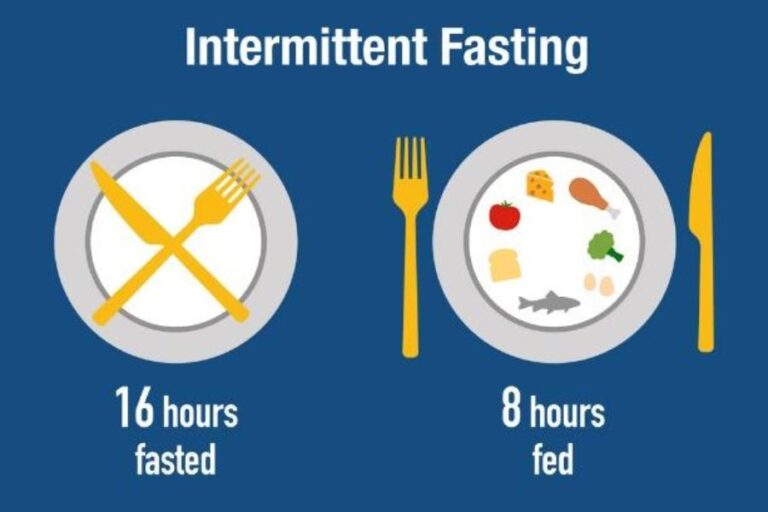
- 16/8 method: Fast for 16 hours, then eat within an 8-hour window. For example, you eat from 11 a.m. to 7 p.m. and fast the rest of the day.
- Time-restricted eating (TRE): Any pattern where you eat within a set window each day, often 4 to 10 hours.
- 5:2 diet: Eat normally 5 days per week, then eat a very low calorie intake on 2 nonconsecutive days.
- Alternate day fasting (ADF): Eat normally one day, then fast or eat very few calories the next.
In many human studies, these patterns are grouped under intermittent fasting. A 2024 systematic review of eight human trials found that different types of IF, such as time-restricted eating, alternate day fasting, and the 5:2 diet, can influence gut microbiota richness, diversity, and composition, although the results varied between studies (PMC).
Explore how fasting affects your gut microbes
Your gut microbiome responds quickly to changes in food intake. When you give your digestive system regular breaks, several things can happen.
Changes in diversity and richness
Many scientists use terms like “richness” and “diversity” to describe how many different types of microbes live in your gut and how evenly they are distributed. In general, a more diverse microbiome is considered a sign of better gut health.
In the 2024 systematic review, several intermittent fasting studies, including those looking at Ramadan fasting as a type of time-restricted eating, found increases in microbiota richness and alpha diversity, measured by indices such as Shannon, Simpson, Chao1, and ACE (PMC). However, not every study showed statistically significant changes, and some results were mixed depending on the group of people and the fasting method.
In other words, intermittent fasting may improve gut diversity for some people, but it is not a guaranteed outcome for everyone. This is also in line with other summaries that note that while some research shows increased diversity with IF, other studies do not find a clear benefit as of 2025 (Gastrointestinal Society).
Shifts in bacterial composition
Beyond diversity, IF seems to shift which microbes are more or less common. The 2024 review reported that intermittent fasting can change “beta diversity,” which means the overall structure of the microbial community changes during fasting periods (PMC).
Across multiple studies, some groups of bacteria tended to increase, such as:
- Proteobacteria (phylum)
- Gammaproteobacteria (class)
- Clostridiales (order)
- Faecalibacterium (genus)
Others tended to decrease, including:
- Negativicutes (class)
- Selenomonadales (order)
- Veillonellaceae (family)
These shifts may relate to changes in metabolism, inflammation, and gut barrier function, but researchers are still working out exactly what they mean for your health.
Interestingly, during Ramadan fasting, changes in microbiota composition appeared to reverse after fasting ended, with microbial communities moving back toward baseline (PMC). This suggests that the benefits of IF on the microbiome may require consistency over time.
Microbial “rest” and remodeling
Periods without food give your gut microbes a different environment compared with constant grazing. Reviews highlight that dietary intake can rapidly and substantially change the microbiome, and intermittent fasting seems to induce a kind of “remodeling” by providing phases of rest and repopulation for gut bacteria (News-Medical).
Some evidence suggests that IF can promote the growth of beneficial anaerobic bacteria, such as members of the Lachnospiraceae family, which are involved in butyrate production. Butyrate is a short-chain fatty acid that supports the intestinal lining and has positive metabolic and potential anti-aging effects (News-Medical).
See how fasting may improve digestion
Intermittent fasting is not just about microbes. The timing of your meals can also change how your gut moves and digests food.
Activating the migrating motor complex
Between meals, especially during longer fasting periods, your small intestine runs a “cleaning cycle” called the migrating motor complex (MMC). The MMC is a series of electrical waves that move through the gut and sweep leftover food and bacteria along. This helps:
- Prevent constipation
- Reduce bacterial overgrowth in the small intestine
- Limit the movement of bacteria from the large intestine into the small intestine
The MMC is most active when you have not eaten for a few hours. Intermittent fasting, by creating longer gaps between meals, can help this natural housekeeping process work more effectively (Gastrointestinal Society).
Fewer gut irritants and less snacking
If you normally snack late at night on calorie-dense, low-nutrient foods, switching to a schedule like 16/8 can automatically reduce those habits. The 16/8 method is considered a relatively convenient approach, and by cutting out nighttime snacking, it may help avoid blood sugar spikes and digestive discomfort that come with heavy late-night meals (Cleveland Clinic).
Shorter eating windows can also encourage you to plan more balanced meals, which may:
- Promote better satiety
- Reduce random snacking on highly processed foods
- Lower exposure to common gut irritants
These behavior changes are one reason some people notice fewer bloating episodes or more regular bowel movements when they try intermittent fasting (Gastrointestinal Society).
Consider links to inflammation and immunity
Chronic inflammation, especially in the gut, is tied to many health issues, from digestive conditions to metabolic problems. Some experts suggest that intermittent fasting may help bring inflammation down.
Functional medicine practitioner Dr. Will Cole points to research that IF can lower systemic inflammatory markers like IL-6 and CRP, and may reduce gut-specific inflammation in conditions such as Crohn’s disease and ulcerative colitis (Dr. Will Cole).
By improving gut barrier function and altering which bacteria dominate your microbiome, intermittent fasting may support:
- A more balanced immune response
- Reduced “leakiness” of the gut
- Less exposure to bacterial endotoxins that can drive insulin resistance and other metabolic issues (Dr. Will Cole)
It is important to note that much of this research is still evolving. The 2024 systematic review and other sources emphasize that findings are often heterogeneous and sometimes contradictory, especially in people with existing gut diseases (PMC, Gastrointestinal Society).
Connect intermittent fasting to weight and metabolism
You may be interested in intermittent fasting for weight loss first, with gut health as a bonus. These two goals are closely connected.
Many IF studies report weight and BMI reductions, although they often do not fully separate whether changes in the microbiome are due to the fasting schedule or to altered calorie intake and diet quality (PMC). Still, weight loss itself can influence your microbiome and metabolic health.
Dr. Will Cole notes that intermittent fasting can:
- Enhance energy metabolism
- Reduce absorption of bacterial endotoxins that drive insulin resistance
- Improve metabolic markers tied to obesity and glucose dysfunction (Dr. Will Cole)
On a practical level, IF can:
- Decrease overall appetite for some people
- Make it easier to avoid constant picking at snack foods that harm the microbiome
- Encourage more intentional meals that are higher in protein and fiber
Cleveland Clinic dietitians, for example, recommend adding more protein and fiber to your evening meal when you follow intermittent fasting. This can help stabilize blood sugar, reduce hunger before bed, and support better digestion overnight (Cleveland Clinic).
Weigh potential benefits for specific gut issues
Your personal gut history matters. Intermittent fasting is not automatically helpful for every digestive condition.
Irritable bowel syndrome (IBS)
Some sources and clinicians report that intermittent fasting can help reduce IBS symptoms for certain people by lowering inflammation and improving gut motility (Cleveland Clinic).
However, the Gastrointestinal Society notes that IF can also pose risks in IBS. If you go many hours without eating, then have a large meal in a short window, that sudden volume of food can trigger:
- Abdominal pain
- Bloating
- Urgency or loose stools
So if you have IBS, it is especially important to:
- Avoid huge meals during your eating window
- Introduce IF slowly and track your symptoms
- Talk with your healthcare provider before making big changes (Gastrointestinal Society)
Inflammatory bowel disease (IBD)
For conditions like Crohn’s disease and ulcerative colitis, research on intermittent fasting is conflicting. Some studies suggest symptom improvement, while others report worsening.
Key priorities in IBD include:
- Getting enough calories and nutrients
- Preventing malnutrition
- Reducing inflammation
- Supporting mucosal healing
If fasting makes it hard to meet these needs, it may not be appropriate, especially during a flare. Any trial of intermittent fasting with IBD should be closely supervised by your gastroenterologist or dietitian (Gastrointestinal Society).
Choose an intermittent fasting style that supports your gut
If you want to try intermittent fasting for gut health and weight loss, your goal is to find a schedule that feels sustainable, not extreme.
Aim for a realistic fasting window
Both research reviews and clinical experience suggest that:
- Fasting for at least 12 hours each day is a reasonable starting point.
- Many people see benefits with 14 to 16 hours of fasting, such as the 16/8 method (Dr. Will Cole).
You might start like this:
- Begin with a 12-hour overnight fast, for example from 8 p.m. to 8 a.m.
- Once that feels comfortable, gradually move toward 14 or 16 hours if it suits your body and schedule.
The 16/8 pattern is often easier to maintain because it fits most daily routines and helps cut out late-night snacking that can interfere with digestion and sleep (Cleveland Clinic).
Build gut-friendly meals into your eating window
Fasting alone will not fix a poor diet. To support your microbiome during your eating window, focus on:
- Fiber-rich foods: vegetables, fruits, beans, lentils, oats, and other whole grains to feed beneficial bacteria.
- Protein at each meal: to stabilize blood sugar and curb intense hunger at the end of your fast, especially at dinner (Cleveland Clinic).
- Healthy fats: olive oil, nuts, seeds, avocado, and fatty fish to support satiety and reduce inflammation.
- Fermented foods if tolerated: yogurt with live cultures, kefir, kimchi, or sauerkraut for additional probiotics.
- Plenty of fluids: water and noncaloric drinks during fasts to support motility and prevent constipation.
At the same time, try to limit:
- Highly processed snack foods
- Sugary drinks and desserts
- Very large, heavy meals at the end of a long fast
These changes work together with intermittent fasting to create a more supportive environment for your gut microbes.
Watch for signs intermittent fasting is not working for you
Even though many people do well with intermittent fasting, it is not the right approach for everyone. As you experiment, pay attention to your body’s feedback.
You may want to stop or adjust your fasting plan if you notice:
- Worsening digestive symptoms, such as severe bloating, pain, or irregular bowel movements
- Intense, uncontrolled hunger that leads to binge eating during your eating window
- Dizziness, lightheadedness, or weakness
- New or worsening anxiety around food and mealtimes
Certain groups should be especially cautious or avoid intermittent fasting altogether unless supervised by a healthcare professional. This can include:
- People with a history of eating disorders
- Those who are pregnant or breastfeeding
- Individuals with uncontrolled diabetes or who take medications that affect blood sugar
- Anyone with significant underweight or recent unintentional weight loss
If you live with IBS, IBD, or another chronic digestive condition, working closely with your doctor or dietitian can help you test intermittent fasting more safely and decide whether it is helpful for your specific situation (Gastrointestinal Society).
Put it all together
Intermittent fasting gut health benefits are promising, but they are not guaranteed or fully understood yet. Current research shows that:
- IF can change gut microbiota diversity and composition, although results differ between people and fasting styles (PMC).
- Fasting periods support the migrating motor complex and may improve digestion, bowel regularity, and small intestine cleanliness (Gastrointestinal Society).
- IF may reduce inflammation and support metabolic health, partly by altering your microbiome and your eating habits (Dr. Will Cole, Cleveland Clinic).
- Some people with IBS or IBD may benefit, while others may see symptoms worsen, so individual testing and medical guidance are key (Gastrointestinal Society).
If you want to get started, consider choosing a gentle schedule, such as a 12 to 14 hour overnight fast, and combine it with gut-friendly meals rich in fiber, protein, and whole foods. Make one small change this week, notice how you feel, and adjust from there. Over time, your body and your gut will tell you whether intermittent fasting is a good fit for you.
About the Author