Understand how diet and weight control really work
When you think about diet and weight control, it is tempting to look for a single trick, like a special food or a magic workout. In reality, your weight is mostly about one simple equation: calories in versus calories out.
Calories are units of energy from carbohydrates, fats, and proteins. Your body uses them to fuel everything from walking to sleeping. If you consistently take in more calories than you use, your body stores the extra as fat. If you consistently take in fewer, you lose weight (Mayo Clinic).
That sounds straightforward, but there are important details that affect how easy or hard it feels:
- Your metabolism and muscle mass
- The quality of the foods you eat
- Your sleep, stress, and daily activity
- Medications or health conditions
Once you understand these pieces, you can shape a plan that works with your body instead of against it.
Metabolism basics in plain language
Your metabolism is the process your body uses to convert food and drink into energy. Even when you sit still, you burn calories to keep your heart beating, lungs working, and cells repairing themselves. This is called your basal metabolic rate, or BMR (Mayo Clinic).
Key points you should know:
- Muscle tissue burns more calories at rest than fat tissue, so the more muscle you have, the higher your BMR.
- Most weight gain is not due to a “slow metabolism” alone. It is usually from taking in more calories than you use, unless you have specific conditions like hypothyroidism or Cushing syndrome (Mayo Clinic).
- Your daily calorie burn also includes physical activity and something called nonexercise activity thermogenesis, or NEAT. This includes walking around the house, doing chores, gardening, and even fidgeting. NEAT can account for roughly 100 to 800 calories per day (Mayo Clinic).
You cannot completely control your metabolism, but you can influence it with your food choices, movement, sleep, and muscle-building activities.
Build a safe and realistic weight loss plan
Before you change your diet and weight control routine, it is smart to talk with your health care provider. You can review your health history, medications that might affect your weight, and any limits on exercise (Mayo Clinic).
Once you have the green light, you can shape a plan that is safe and sustainable.
Choose a steady weight loss pace
Experts suggest aiming to lose about 0.5 to 2 pounds per week. This pace is easier to sustain and less likely to backfire than crash diets. For many people, this means cutting about 500 to 750 calories per day compared with what they currently eat (Mayo Clinic, Mayo Clinic).
A simple way to think about it:
- Reduce your usual intake by around 500 calories a day
- Add some movement so you burn a bit more
- Watch how your weight trends over several weeks, not days
Your exact number will depend on your size, sex, and activity level, so treat it as a starting point, not a rigid rule.
Use food groups, not fad rules
You do not need to follow an extreme or trendy diet to lose weight. A solid plan uses familiar foods from all major food groups:
- Vegetables and fruits
- Whole grains
- Low-fat dairy or alternatives
- Lean proteins like poultry, fish, beans, and lentils
- Nuts and seeds in moderate amounts
At the same time, you limit foods that are high in calories but low in nutrients, like sugary drinks, desserts, and alcohol (Mayo Clinic).
This approach is easier to stick with because you are not completely banning favorite foods. Instead, you shift the balance toward foods that fill you up with fewer calories.
Pay attention to food quality, not just calories
Traditional advice often says that cutting 3,500 calories equals one pound of fat, but your body does not work like a simple calculator. Differences in metabolism and gut bacteria mean two people can eat the same number of calories and lose different amounts of weight (Harvard Health Publishing).
Food quality matters a lot:
- In a controlled study, people who ate ultra-processed foods took in about 500 more calories per day and gained weight compared with when they ate unprocessed foods with the same calories and nutrients (Harvard Health Publishing).
- Your gut microbiome, the bacteria that live in your digestive tract, affects how you absorb calories and store fat. Transferring gut organisms from lean individuals to those with obesity has led to weight changes in research settings (Harvard Health Publishing).
This means you benefit more by focusing on:
- Fewer ultra-processed foods
- More whole or minimally processed foods
- Plenty of fiber from plants
- A variety of fruits, vegetables, whole grains, and legumes
Calorie awareness still helps, but quality is a powerful lever for hunger, energy, and long-term success.
Use proven eating patterns, not quick fixes
You will see many approaches promoted for diet and weight control. Some are well supported by research, while others mainly rely on hype.
Eating styles with strong evidence
Several eating patterns show benefits for both weight and long-term health:
- Mediterranean diet
- DASH diet
- MIND diet
- Nordic diet
All of these emphasize:
- Plant-based foods like vegetables, fruits, beans, and whole grains
- Healthy fats from sources like olive oil and nuts
- Minimal sugar and highly processed snacks
- Lower sodium and fewer processed meats
These patterns are linked not only to weight loss, but also reduced risks of heart disease, diabetes, depression, cognitive decline, and some cancers (Harvard Health).
You do not need to follow one perfectly. You can borrow their main ideas to shape a style that fits your culture, budget, and preferences.
Approaches that can work but may be hard to maintain
Some options can help with weight loss, but they are not right for everyone or may be tough long term.
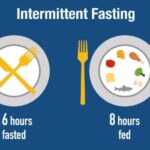
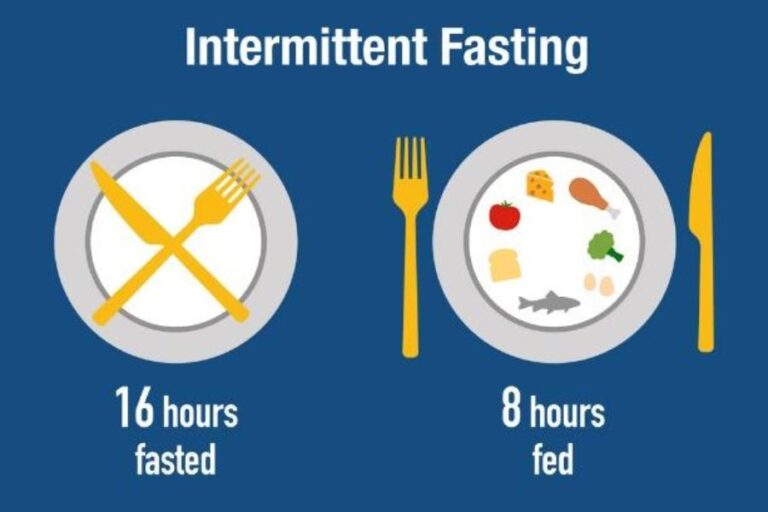
- Intermittent fasting
- Alternates periods of eating and fasting
- Can lower blood sugar, reduce inflammation, and support fat loss
- In studies, it is not clearly more effective than traditional calorie reduction
- May be hard to fit around social life, work schedules, or personal preferences (Harvard Health)
- Keto diet
- Very high fat, very low carbohydrate
- Can rapidly lower blood sugar and trigger quick early weight loss
- Often difficult to maintain
- Long-term safety and effectiveness for ongoing weight management are not well established (Harvard Health)
If you try one of these, pay close attention to how you feel, your lab results, and whether you can realistically keep it up. An effective plan is only helpful if you can stay with it.
Be cautious with “metabolism booster” supplements
Pills and powders that claim to speed up your metabolism or melt fat usually do not deliver. They might promise fast results but often:
- Lack solid evidence
- May have side effects
- Are not required by the FDA to prove safety or effectiveness before selling (Mayo Clinic)
If you are considering a supplement, check with your health care provider first so you can protect both your weight goals and your overall health.
Combine diet changes with smart movement
Food choices usually have the biggest impact on weight loss itself, but physical activity is essential for keeping weight off and protecting your muscle and bone health.
How much activity you should aim for
The U.S. Department of Health and Human Services recommends at least:
- 150 minutes per week of moderate aerobic activity, like brisk walking, or
- 75 minutes per week of vigorous activity, like running or fast cycling, or
- A mix of both
More activity can help with greater weight loss or weight maintenance (Mayo Clinic).
For weight loss, WebMD suggests aiming for around 300 minutes of moderate activity weekly when possible (WebMD). You do not need to start at that level. You can work up to it over time.
Types of exercise that support weight control
Different forms of movement play different roles in your plan.
-
Brisk walking
-
Simple, low impact, and suitable if you are starting out
-
Walking 30 minutes a day can burn about 150 extra calories, depending on your pace and weight (WebMD).
-
High-intensity interval training (HIIT)
-
Alternates short bursts of intense activity with easier recovery periods
-
Burns more calories in less time and can keep you in a fat-burning mode for up to 24 hours (WebMD).
-
Strength training
-
Done 3 to 5 times per week for about an hour per session
-
Builds and maintains muscle, which raises your resting metabolic rate and helps prevent weight regain (WebMD).
-
Protects bone density, which is especially important if you are losing weight through diet (Mayo Clinic).
-
Yoga
-
When you practice at least once a week for around 30 minutes, it is associated with weight loss and a lower BMI over time
-
Likely helps by improving mindfulness, so you pay closer attention to hunger and fullness cues and are less likely to overeat (WebMD).
If you can, combine these types to get the benefits of calorie burn, muscle building, and stress relief.
Do not rely on exercise alone
Diet changes usually have a bigger impact on weight than exercise alone. Exercise shines when it comes to:
- Helping you maintain your new lower weight
- Preserving muscle while you lose fat
- Supporting heart health, mood, and energy
If you try to lose weight only through exercise without changing your eating habits, you might lose muscle and bone density, especially as you age (Mayo Clinic). You get the best results when you combine a smart eating plan with regular movement.
Do not overlook sleep and hormones
If you are tightening your diet and moving more but not seeing much change, your sleep could be part of the puzzle.
How poor sleep interferes with weight loss
Getting six or fewer hours of sleep a night is linked with a higher body mass index and increased obesity risk (UCLA Health). When you do not get enough sleep:
- Your body lowers leptin, the hormone that signals fullness
- It raises ghrelin, the hormone that triggers hunger
- You feel hungrier and less satisfied, so you are more likely to overeat, especially high-calorie foods (UCLA Health)
Short sleep can also:
- Raise blood glucose levels, which increases the risk of type 2 diabetes and obesity (UCLA Health)
- Lead to more snacking, especially on high-fat and high-carb foods (Nutrients via PMC)
- Increase daily calorie intake by roughly 200 to 500 calories (Nutrients via PMC)
In other words, your willpower is not the only thing at play. Your hormones and brain are pushing you toward more food when you are tired.
Sleep as an easy win for diet and weight control
Good sleep can actually help you eat less without trying so hard. For example, in one randomized trial, people who increased their sleep from less than 6.5 hours to longer durations ate about 270 fewer calories per day on average without changing their activity levels (Nutrients via PMC).
In a 24-month weight loss program, those who slept more than 7 hours per night were 33 percent more likely to succeed with weight loss than those who slept less (Nutrients via PMC).
Try to:
- Aim for 7 to 9 hours of quality sleep most nights
- Keep a consistent schedule, including weekends
- Create a wind-down routine that helps you relax
UCLA Health recommends treating healthy sleep habits as a core part of your weight plan, right alongside diet and exercise (UCLA Health).
Expect adaptation and plan for maintenance
If you have lost weight before and then regained it, you are not alone. Nearly three-fourths of Americans are overweight or obese, and many are on diets at any given time, spending billions annually on weight-loss efforts (Harvard Health).
Your body is designed to resist weight loss. When you drop a large amount of weight:
- Your resting metabolic rate often decreases more than expected
- Your body burns fewer calories at rest
- You feel hungrier due to hormonal shifts
This effect, called metabolic adaptation, makes weight regain more likely. In one analysis of participants from “The Biggest Loser,” about 96 percent of people who lost a large amount of weight eventually regained it, in part because of this drop in metabolic rate (Harvard Health Publishing).
Why even modest weight loss matters
The good news is that you do not need to reach a “perfect” number on the scale to see big health benefits. Losing just 5 percent of your starting weight is linked with:
- Better blood pressure
- Improved blood sugar control
- Healthier cholesterol and triglyceride levels
- Reduced sleep apnea and lower risks of type 2 diabetes and other conditions (NCBI Bookshelf)
If you weigh 200 pounds, that means a 10-pound loss can already make a medical difference.
Strategies to help you keep weight off
To maintain your progress, you benefit from a well-rounded approach that supports your metabolism and your mindset. Research supports:
- High-protein, lower glycemic index diets to keep you fuller longer and support muscle mass (NCBI Bookshelf)
- Regular physical activity and exercise training to help maintain muscle, improve insulin sensitivity, and promote healthy fat metabolism (NCBI Bookshelf)
- Adequate sleep and stress management, since both affect appetite and hormone balance (UCLA Health, Harvard Health Publishing)
- Clinical monitoring to keep an eye on hormonal changes such as leptin reductions that can drive increased appetite (NCBI Bookshelf)
There is no single diet or workout that works for everyone, so allow yourself to adjust your plan over time. The most effective strategy is the one you can live with long term.
Practical steps to start today
To put all of this into action, you do not need a perfect plan. You just need a handful of clear, doable steps that move you toward better diet and weight control. You can start with:
- Review your current eating habits for one week
- Write down what and when you eat and drink
- Notice patterns like late-night snacking or sugary drinks
- Make one or two food swaps
- Replace one daily sugary drink with water or unsweetened tea
- Add vegetables or a salad to your main meal
- Choose a whole grain instead of a refined one once a day
- Add gentle movement to your day
- Walk briskly for 10 to 15 minutes after one meal
- Use the stairs where possible
- Stand and stretch every hour if you sit a lot
- Set a simple sleep goal
- Choose a consistent bedtime that gives you at least 7 hours
- Put screens away 30 minutes before bed
- Check in with your health care provider
- Discuss realistic weight goals
- Review medications and potential side effects on weight
- Ask about any health conditions that could affect your plan (Mayo Clinic)
Each small improvement adds up. Over time, these changes can shift your metabolism, energy, and appetite in your favor.
Key takeaways for lasting diet and weight control
- Your weight mainly reflects the balance between calories in and calories out, but metabolism, food quality, gut health, sleep, and hormones all matter.
- A realistic pace of 0.5 to 2 pounds lost per week is both safe and more sustainable than crash dieting.
- Diet quality, especially cutting ultra-processed foods and focusing on whole, plant-rich meals, strongly influences hunger and weight control.
- Regular physical activity, including walking, strength training, and possibly HIIT, helps you lose fat, keep muscle, and maintain weight loss.
- Sleep is not optional. Short or poor-quality sleep can increase hunger, cravings, and daily calorie intake and make weight loss harder.
- Even modest weight loss of 5 percent of your starting weight can significantly improve your health markers.
- Long-term success comes from permanent lifestyle changes, not short-term diets, backed by support from professionals when needed.
You do not have to overhaul everything at once. Choose one change from this guide that feels manageable this week. As you build on that small win, you give yourself a better chance at steady progress and a healthier, more comfortable life in your own body.
About the Author