Understand what a machine back workout can do
A well planned machine back workout can help you build strength, improve posture, and gain confidence with lifting. Weight machines guide your movement and provide stability, which is especially helpful if you are new to strength training or returning after a break. Since machines use fixed paths, you can focus on feeling your lats, traps, and spinal erectors working instead of worrying about balancing a barbell.
Machines are also adjustable. You can change the weight to match your current strength, practice good form, and gradually progress as you get stronger. Expert trainers often suggest starting with machines to learn movement patterns, then adding more free weights over time for a balanced back routine, as discussed by coaches at Sports West Athletic Club in Reno, NV.
Know the key back machines to use
Before you plan a workout, it helps to know what each machine does for your back. This makes it easier to choose the right mix of exercises and avoid doing three versions of the same movement.
Lat pulldown machine
The lat pulldown is one of the best known back machines. It primarily targets your latissimus dorsi muscles, or lats, which run from under your armpits down the sides of your back. It also works the teres major and parts of your upper back.
Basic tips for effective lat pulldowns:
- Sit upright with your feet flat
- Adjust the thigh pad so your legs are secure
- Grab the bar with a shoulder width or slightly wider grip
- Pull the bar down to about chin level, not behind your neck
- Think about pulling with your elbows and squeezing your lats
Avoid common mistakes such as arching your lower back, using momentum, or pulling the bar too far down. These habits reduce how much your lats work and increase your risk of shoulder or spine irritation.
You can change your grip to shift the emphasis slightly:
- Wide grip lat pulldowns focus more on the outer lats
- Underhand or reverse grip variations increase biceps involvement
- Neutral grip handles can feel easier on the wrists and shoulders
Seated cable row
The seated cable row targets your upper back, especially the muscles that control your shoulder blades. It works the rhomboids, traps, and lats, along with your biceps.
To get the most from seated cable rows:
- Sit tall with a straight back and a lightly braced core
- Keep your chest open and shoulders relaxed
- Pull the handle toward your lower belly or mid torso
- Squeeze your shoulder blades together at the end of the pull
- Control the weight as you extend your arms forward again
Try not to lean far back or rock your torso. If you need to use your whole body to move the weight, it is probably too heavy for a focused back workout.
High row and chest supported row machines
High row and chest supported row machines are great for targeting the upper and mid back without a lot of torso wobble.
- High row machine: You face forward, keep your back straight, and pull the handles down. This machine hits your lats and lower back while encouraging a strong pulling motion.
- Chest supported row machine: Your chest rests on a pad so your lower back is less involved. This setup lets you focus on the lats, traps, rhomboids, and rear delts with less temptation to swing the weight.
Chest support is especially useful if you tend to overarch your lower back or if you are lifting heavier loads.
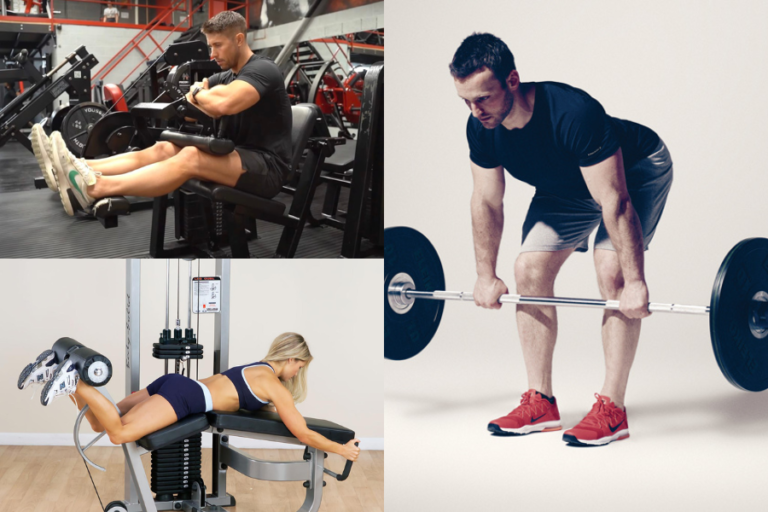
Back extension machine
The back extension machine targets your lower back, glutes, and hamstrings. These muscles support your spine and help you maintain good posture.
To use it safely:
- Adjust the pad so it sits across your upper back or shoulders
- Start with a small range of motion
- Bend forward slowly at the waist
- Reverse the movement by squeezing your glutes and lower back
- Stop when your torso is in line with your hips, not hyperextended
Slow, controlled reps are more effective and safer than fast bouncing movements. Over time, stronger spinal erectors can help protect your back in daily life.
Assisted pull up machine
If you cannot yet do unassisted pull ups, the assisted pull up machine is a helpful bridge. It uses a counterweight to reduce the load you need to lift.
Good habits with assisted pull ups:
- Use a grip that feels secure, such as shoulder width overhand
- Keep your shoulders down and away from your ears
- Think about driving your elbows toward your ribs
- Avoid kicking or swinging your legs
- Gradually reduce the assistance over weeks as you get stronger
Variations like assisted chin ups or neutral grip pull ups allow you to emphasize slightly different muscles and find a style that feels best for your shoulders and wrists.
Set smart goals for your machine back workouts
Having clear goals helps you choose the right exercises and track progress. Instead of just “working your back,” decide what you want most.
You might focus on:
- Building strength so everyday tasks feel easier
- Improving posture and reducing slouching
- Adding muscle size for a broader back
- Preparing for more advanced free weight lifts like deadlifts and pull ups
Once you have a goal, adjust these levers:
- Weight: Increase gradually as you gain strength
- Reps: Aim for 8 to 12 for muscle growth, 10 to 15 if you are newer and focusing on control
- Sets: Start with 2 to 3 sets per exercise and build to 3 to 4
- Rest: Take about 45 to 60 seconds between sets for most machine back workouts
Consistency matters more than perfection. A solid 2 to 3 back focused sessions per week is enough to see steady progress if you are also training the rest of your body.
Use proper form to protect your back
Good form is what turns a simple machine back workout into an effective, joint friendly routine. Many common mistakes come from letting the weight control you instead of the other way around.
Focus on the muscle, not just the movement
On almost every back machine, it helps to think about:
- Pulling with your elbows, not your hands
- Keeping your shoulders relaxed and away from your ears
- Squeezing your back muscles at the hardest part of the rep
- Controlling the weight on the way back, instead of letting it slam
This mind muscle connection helps prevent your biceps, rear delts, or traps from taking over, which is a frequent problem with machine based back exercises.
Keep your spine neutral
Even though machines provide support, you still need to protect your back position.
- Sit or stand tall with a slight natural curve in your lower back
- Avoid excessive arching, especially during pulldowns and rows
- Do not twist or jerk to move the weight
- If an exercise bothers your back, reduce the range of motion or lighten the load
For people dealing with back pain, fixed positions on some machines can feel uncomfortable. In that case, you may need to adjust the machine settings, shorten the motion, or swap in an alternative that feels better.
Do not rely on momentum
If you find yourself:
- Rocking back and forth on rows
- Yanking the bar down on pulldowns
- Snapping up and down on the back extension
then the load is likely too heavy. Lighter weight with full control will do more for your back than heavy, rushed reps.
Balance machines with free weights over time
Machines are helpful, especially when you are learning, but they have limits. They guide you through a fixed path and do not require as much work from stabilizing muscles or your nervous system.
Trainers and strength coaches often point out that free weights like barbells, dumbbells, and pull up bars usually provide superior muscle stimulation. They also challenge your balance and coordination.
A practical approach looks like this:
- Start with mostly machines to learn form and build confidence.
- Gradually add simple free weight exercises like dumbbell rows or bodyweight inverted rows.
- Over time, move heavy strength work to free weights and use machines to add extra volume or target specific areas.
This mix gives you the ease and safety of machines plus the long term benefits of free weight training.
Train your grip so your back can work harder
Your grip is often the first thing to tire during a machine back workout. If your hands give out early, your back does not get the full training effect.
You can support your grip by:
- Using lighter weights until your hands adapt
- Adding simple grip work like farmer carries or static holds
- Using thicker handles or towels occasionally, if your gym allows
- Being consistent, since grip strength improves with regular pulling exercises
If your grip is a limiting factor, you might also adjust your workout order. Do your heaviest rowing or pulldown exercises early in the session when your hands are fresh.
Include your lower back, not just your lats
It is easy to focus on lats and upper back machines and forget about your lower back. Yet your spinal erectors play a big role in everyday strength and posture.
To avoid neglecting them:
- Add back extensions once or twice per week with light to moderate weight
- Use chest supported rows if your lower back tends to tire quickly
- Build up gradually, especially if you sit a lot during the day
Targeted lower back work, together with glute and hamstring training, helps create a more resilient spine.
Sample beginner friendly machine back workout
Use this template as a starting point for your own machine back workout. Adjust weights so the last 2 reps of each set feel challenging but still controlled.
- Lat pulldown
- 3 sets of 10 to 12 reps
- Seated cable row
- 3 sets of 10 to 12 reps
- Chest supported row or high row machine
- 2 to 3 sets of 10 to 12 reps
- Assisted pull ups
- 2 to 3 sets of 8 to 10 reps
- Back extension machine
- 2 sets of 12 to 15 slow, controlled reps
Rest 45 to 60 seconds between sets. Aim for 2 sessions per week with at least one rest day between them.
As you gain experience, you can:
- Add a straight arm pulldown to isolate your lats
- Use drop sets on the last set of pulldowns or rows for more intensity
- Blend in free weight variations like dumbbell rows or unassisted pull ups
Watch for signs you should adjust
Listen to your body during and after each machine back workout. Small adjustments early can prevent bigger problems later.
You might need to change something if you notice:
- Joint discomfort that feels sharp or worsening
- Lower back strain instead of muscle fatigue in your lats and upper back
- Grip giving out long before your back feels worked
- Difficulty controlling the weight through the full range of motion
In most cases, reducing the weight, slowing your reps, or shortening your range of motion is enough to get you back on track.
Bring it all together
A thoughtful machine back workout can help you build strength, protect your spine, and set the stage for more advanced training. Focus on:
- Learning solid form on key machines like the lat pulldown, seated row, and back extension
- Using controlled, muscle focused reps instead of momentum
- Gradually adding free weight exercises as your confidence grows
- Training your grip and lower back so your entire posterior chain gets stronger
Start with one or two of the tips from this guide in your next session, then build from there. Over time, small improvements in how you set up, pull, and control each rep can add up to big gains in back strength and overall posture.
About the Author