Understand what a low impact HIIT workout is
If you like the idea of quick, intense workouts but worry about your knees, hips, or back, a low impact HIIT workout gives you the best of both worlds. You still follow the High Intensity Interval Training format, with short bursts of hard effort followed by rest, but you avoid jarring moves like jumping jacks, burpees, and squat jumps.
Experts describe low impact workouts as ones where at least one foot stays on the ground at all times, which reduces stress on your joints while still letting your heart rate climb. That means you get many of the same cardiovascular and muscular benefits as traditional HIIT, just in a gentler package that is better suited to beginners, people returning from injury, older adults, or anyone who prefers a quieter, joint friendly routine.
Low impact HIIT can use:
- Bodyweight exercises, such as squats, lunges, planks, and bear crawls
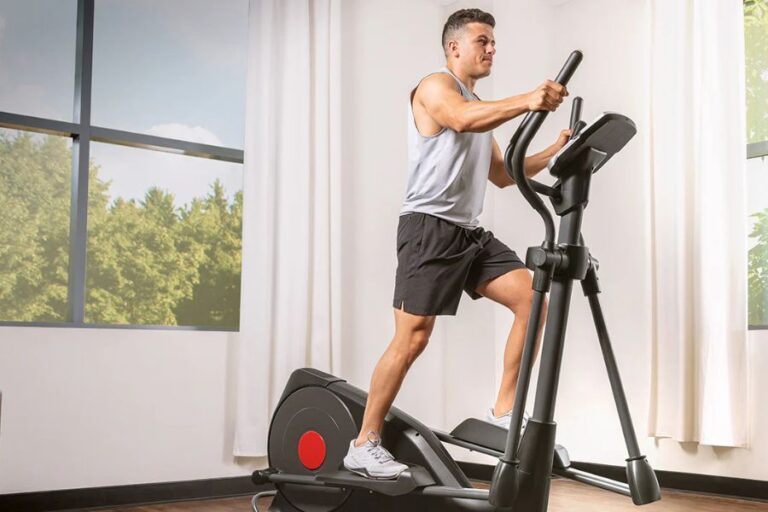
- Machines, such as an elliptical, stationary bike, or rower for cardio intervals
- Strength moves like glute bridges, boxing drills, or kettlebell swings adapted to your level
The key is intensity, not impact. You work hard during each interval, but your movements stay controlled and grounded.
Know who low impact HIIT is best for
You might find a low impact HIIT workout especially helpful if you:
- Have knee, hip, ankle, or lower back discomfort
- Are returning to exercise after a break or injury
- Need a quieter routine for home or apartment living
- Are new to HIIT and want a safer starting point
- Prefer sustainable, repeatable workouts over all out, jump heavy sessions
Fitness trainers interviewed by Shape note that low impact HIIT routines can offer the same heart and strength benefits as higher impact sessions while reducing the risk of injury and burnout. Because recovery is often faster, you can stay more consistent over time, which usually matters more than one very intense workout.
Explore the benefits of low impact HIIT
A well designed low impact HIIT workout can support your fitness in several ways.
Joint friendly training
Skipping jumps, sprints, and explosive moves means your joints deal with less pounding each session. You still move quickly and with purpose, but you focus on control instead of impact. This approach is especially useful if you:
- Experience pain with running or jumping
- Have a history of shin splints or joint irritation
- Are working around a previous surgery or injury
Guidelines on low impact exercise highlight that keeping at least one foot on the ground can be gentler on joints and muscles while still challenging your body in a meaningful way.
Strong cardiovascular benefits
Low impact does not mean low intensity. Trainers point out that HIIT style intervals support cardiovascular health and calorie burn both during and after your session through an effect known as excess post exercise oxygen consumption, often shortened to EPOC. You get these benefits as long as you:
- Push your effort during the work intervals
- Keep rest periods honest, instead of stretching them out too long
- Choose full body moves that raise your heart rate
Machines like rowers and bikes are especially good for this. Low impact HIIT intervals on these tools let you work hard without the joint stress of high impact running or sprinting.
Improved strength and stability
Many low impact HIIT workouts rely heavily on bodyweight strength moves. Squats, lunges, planks, glute bridges, and dead bug variations are all examples that improve muscular strength and stability. According to trainers, these kinds of moves are useful not only for fitness but also for balance, alignment, and injury prevention.
Better long term consistency
Because low impact HIIT is easier on your joints, it can be more sustainable over months and years. Certified trainers note that it:
- Reduces the likelihood of overuse injuries
- Allows shorter recovery times between sessions
- Supports better adherence to your routine
In other words, you are more likely to stick with it, which often leads to better results than chasing extreme workouts that leave you sidelined.
Learn the basic structure of a low impact HIIT workout
Most effective low impact HIIT workouts follow a simple pattern:
- Warm up for 5 to 10 minutes
- Complete 15 to 30 minutes of intervals
- Cool down and stretch for 5 to 10 minutes
You can tweak the details based on your schedule and fitness level, but this framework keeps your body prepared, challenged, and then properly cooled down.
Warm up to prepare your body
Spend 5 to 10 minutes gently increasing your heart rate and loosening your joints. You might try:
- Easy marching in place or light cycling
- Arm circles, leg swings, and hip circles
- Torso rotations and gentle lunges with a small range of motion
This phase helps prevent injury and sets you up to move well during the more intense intervals.
Work to rest ratios
A typical low impact HIIT workout uses intervals such as:
- 30 seconds work, 30 seconds rest
- 40 seconds work, 20 seconds rest
- 20 seconds work, 40 seconds rest if you are newer to HIIT
You choose a handful of exercises, repeat each for the set work period, then rest. Trainers emphasize that the intervals are flexible. You can always adjust them to suit your fitness level or how you feel on a given day.
Cool down and stretch
Finish with 5 to 10 minutes of slow movement and static stretching. This might include:
- Gentle walking or pedaling
- Hamstring, quad, calf, and hip flexor stretches
- Chest and shoulder stretches
- Simple mobility work, like cat cow or child’s pose
This cool down phase supports recovery and helps maintain flexibility.
Try a full body low impact HIIT circuit
The following low impact HIIT workout is designed to be joint friendly and equipment free. You only need a bit of floor space and a timer. Always listen to your body, and check with your healthcare provider if you are unsure about what is safe for you.
How often to do this workout
Aim to complete this routine 2 to 3 times per week with at least one rest day or light movement day in between. Trainers note that this frequency is enough to improve cardiovascular fitness and strength without excessive joint stress.
Warm up routine
Spend 5 to 8 minutes on the following:
- March in place, 1 to 2 minutes
- Shoulder rolls and arm circles, 30 seconds each direction
- Alternating step back lunges with a gentle reach overhead, 1 to 2 minutes
- Hip circles and gentle torso twists, 1 to 2 minutes
You should feel warm and slightly out of breath, not tired.
Circuit 1: Cardio focused full body
Work for 30 to 40 seconds, rest for 20 to 30 seconds. Repeat the whole circuit 2 times if you are a beginner, 3 times if you are more experienced.
- Low impact high knees
- Stand tall.
- Drive one knee up toward your chest while pumping your opposite arm.
- Quickly switch sides, keeping one foot on the ground at all times.
- Move briskly to raise your heart rate without jumping.
- Squat to overhead reach
- Stand with feet shoulder width apart.
- Sit back into a squat, keeping your chest lifted and weight in your heels.
- As you stand, reach both arms overhead as if placing something on a high shelf.
- Focus on a smooth, controlled tempo.
- Plank toe taps
- Start in a high plank with hands under shoulders and body in a straight line.
- Step one foot out to the side, tap the floor, then bring it back to center.
- Alternate legs while keeping your hips steady and core engaged.
- If needed, drop to your knees for a modified version.
- Boxing punches
- Stand with one foot slightly forward, knees soft, hands in front of your face.
- Punch straight ahead with one arm, then the other, rotating slightly through your torso.
- Keep the movement quick and light, but avoid locking your elbows.
Circuit 2: Lower body and core strength
Use the same 30 to 40 seconds work, 20 to 30 seconds rest pattern. Repeat the circuit 2 to 3 times.
- Glute bridges
- Lie on your back with knees bent, feet flat hip width apart.
- Press through your heels to lift your hips until your body forms a straight line from shoulders to knees.
- Squeeze your glutes at the top, then lower slowly.
- Lateral lunges
- Stand tall with feet together.
- Step out to the side, bend the stepping knee, and sit your hips back while keeping the other leg straight.
- Push off the foot to return to center, then switch sides on the next rep.
- Keep your chest open and weight centered over the working hip.
- Bear crawls
- Start on hands and knees, wrists under shoulders and knees under hips.
- Lift your knees an inch or two off the floor.
- Move opposite hand and foot forward a small step, then repeat with the other side.
- Keep your back flat and movements slow and controlled.
- Inchworm walkouts
- Stand tall, then hinge at your hips to touch the floor or your shins.
- Walk your hands forward into a plank, pause briefly, then walk your hands back in and stand up.
- Avoid rushing, and keep your core engaged.
Optional Circuit 3: Core stability
If you have time and energy, add this core circuit at the end. Work for 30 seconds, rest for 20 seconds. Repeat the circuit 1 to 2 times.
- Dead bugs
- Lie on your back with arms extended toward the ceiling and knees bent at 90 degrees above your hips.
- Slowly lower opposite arm and leg toward the floor while keeping your lower back gently pressed down.
- Return to the starting position, then switch sides.
- Bicycle crunches, slow tempo
- Lie on your back with hands lightly behind your head and knees bent.
- Bring one knee toward your chest while rotating your torso to bring the opposite elbow toward it.
- Switch sides slowly, focusing on control instead of speed.
- Up down planks, modified as needed
- Start in a high plank.
- Lower one forearm to the floor, then the other, so you are in a forearm plank.
- Press back up to your hands one at a time.
- To reduce intensity, perform this from your knees.
Cool down and stretch
Finish your low impact HIIT workout with 5 to 10 minutes of stretching. Move slowly and breathe steadily. Suggestions include:
- Hamstring stretch: Sit or stand and gently hinge forward until you feel a stretch along the back of your thigh.
- Quad stretch: Stand on one leg, hold the other ankle behind you, and draw your heel toward your glute.
- Calf stretch: Place one foot behind you and press the heel toward the floor while leaning into a wall or sturdy surface.
- Hip flexor stretch: Step into a gentle lunge and tuck your tailbone slightly under to feel the front of your hip.
- Chest and shoulder stretch: Clasp your hands behind your back or extend your arms to the sides at shoulder height.
Aim to hold each stretch for 20 to 30 seconds per side.
Build your own 15 minute low impact HIIT workout
On busy days, you can put together a shorter low impact HIIT workout in just 15 minutes. Trainers recommend selecting about five moves and using a 40 seconds work, 20 seconds rest pattern for three rounds.
Here is a sample menu of joint friendly exercises you can mix and match:
- Squat to overhead reach
- Low impact jumping jacks, stepping side to side instead of jumping
- Plank toe taps
- Glute bridges
- Kettlebell swings or hip hinges with a light weight
- Modified burpees without a jump or push up
- Russian twists, with or without light weight
- Inchworms
- Lateral lunges
- Boxing punches
Pick five, set your timer, and move through each exercise for 40 seconds followed by 20 seconds rest. After all five, rest for 1 minute and repeat 2 more times. This kind of compact routine fits easily into a lunch break or a busy evening.
Adjust intensity and stay safe
Any low impact HIIT workout should feel challenging but not painful. To keep it safe and effective, pay attention to a few simple guidelines.
How to scale intensity
You can make intervals easier or harder by changing:
- Range of motion: Use smaller movements if you are new, then deepen your squats or lunges over time.
- Speed: Move more slowly to learn form, then increase your pace as you get comfortable.
- Work to rest ratio: Start with more rest than work, for example 20 seconds of effort and 40 seconds of rest, and gradually shorten rest periods.
- Exercise selection: Choose simpler moves at first, such as marching and basic squats, before adding more complex patterns.
Key safety tips
- Warm up thoroughly before pushing your pace.
- Focus on controlled, stable movements instead of racing through reps.
- Stop any move that causes sharp pain, especially in your joints.
- Leave at least one rest or light movement day between HIIT sessions.
- Check with your doctor or physical therapist if you have existing injuries or medical conditions.
Guidelines on low impact exercise note that it is often recommended for people recovering from injuries or joint replacements because it avoids stressing sensitive areas and can support a smoother recovery process. Listening to your body is essential.
Plan your week with low impact HIIT
To use low impact HIIT effectively, you can place it within a simple weekly plan. For example:
- 2 to 3 days of low impact HIIT
- 2 days of light movement such as walking, yoga, or stretching
- 1 to 2 full rest or very easy days
This balance helps you gain strength and endurance without overworking your body. Over time, you can add variety by rotating exercises, adjusting interval lengths, or trying machine based low impact HIIT on a bike, elliptical, or rower.
Start with one low impact HIIT workout this week, even if it is a short 10 to 15 minute circuit. Notice how your joints feel during and after. As you grow more confident, you can gradually increase your effort or add another session, building a routine that supports your fitness without sacrificing comfort.
About the Author