Why shoulder workouts matter for women
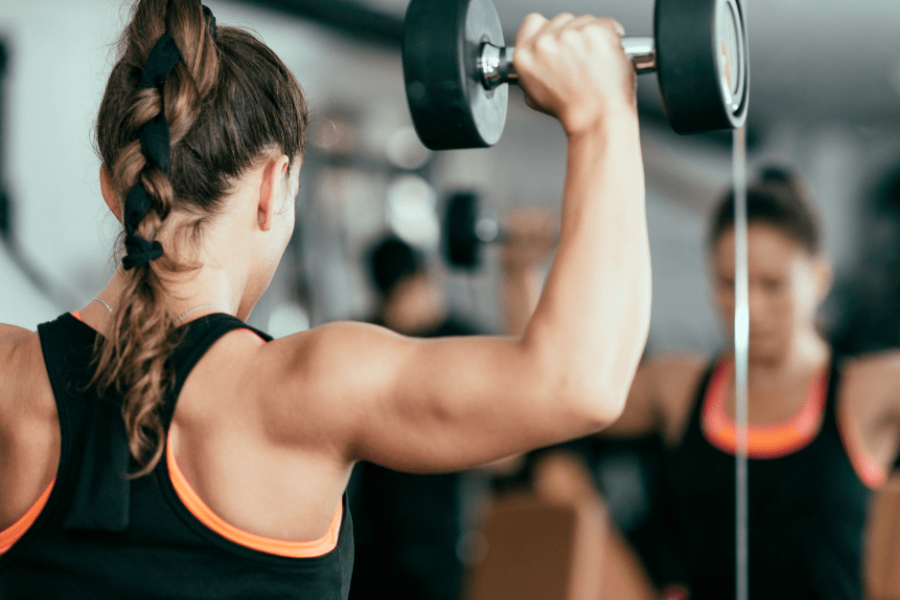
A smart shoulder workout for women does much more than shape your upper body. Strong shoulders help you maintain good posture, perform yoga poses with control, lift groceries or kids more easily, and protect your joints from everyday aches.
The shoulder joint is incredibly mobile, which also makes it one of the most unstable. Strong muscles around your shoulder blade and arm help stabilize the joint and reduce your risk of pain or injury, as strength coach Geoff Rose, CPT, explains in a 2023 article. When you train your shoulders regularly, you support:
- Better posture and less slouching
- Easier overhead movements, from putting luggage in an overhead bin to pressing weights
- Improved performance in push-ups, rows, and other upper body exercises
- A more balanced and athletic-looking upper body
Strength training two to three times per week, which can include a focused shoulder workout, is linked to stronger bones, better metabolism, and improved posture. The American Cancer Society notes these benefits in a 2023 article on strength training and health. A 2018 study from St. George’s University of Grenada also found that strength training has heart health benefits similar to cardio, and that just 20 to 30 minutes twice a week can lower the risk of heart attack or stroke.
In short, training your shoulders is not only about appearance. It is one of the simplest ways to support long term strength, joint health, and confidence in how you move.
Understand your shoulder muscles
To get the most from any shoulder workout for women, it helps to know what you are actually working.
Your main shoulder and upper back muscles include:
-
Deltoids
-
Anterior (front): help lift your arms forward and press overhead
-
Lateral (side): help lift your arms out to the side, key for shoulder width
-
Posterior (rear): help pull your arms back and support posture
-
Rotator cuff
A small group of muscles that stabilize your shoulder joint and control rotation. These are crucial for shoulder health and injury prevention. -
Trapezius (traps)
Run from your neck to mid back. Help you shrug and stabilize your shoulder blades while you lift. -
Rhomboids and upper back muscles
Pull your shoulder blades together and support an upright posture.
A good shoulder workout targets these muscles from several angles. That balanced approach helps you avoid the rounded shoulders that can come from only training the front delts while ignoring your back.
Benefits of shoulder strength for women
When you follow a consistent shoulder workout routine, you build strength and also support several long term health benefits.
Support heart and bone health
Strength training, including shoulder workouts, does more than build muscle:
- The American Cancer Society highlights that twice weekly strength sessions can support stronger bones, better muscle mass, and metabolism.
- A 2018 study from St. George’s University of Grenada found that 20 to 30 minutes of resistance training twice weekly can reduce the risk of heart attack or stroke, with benefits similar to cardiovascular exercise.
- Regular strength training is associated with improved bone density, which is especially important for women as you age and face a higher risk of osteoporosis and brittle bones.
By adding shoulder work into your weekly routine, you are not just training for stronger arms. You are supporting your heart and bone health at the same time.
Improve mood and mental health
Strength training is also linked to better mental health. A 2018 study reported that resistance training can reduce symptoms of anxiety and depression. That means your time spent with dumbbells or resistance bands is helping your body and can be a tool for stress relief and emotional balance.
Make everyday life easier
Strong shoulders make daily tasks feel lighter:
- Lifting and carrying bags or boxes
- Reaching overhead into cabinets
- Pushing a stroller or heavy door
- Supporting your body weight in yoga, Pilates, or bodyweight workouts
Over time, shoulder strength supports full body training too. Your presses, rows, and even planks will feel more secure once your shoulders can stabilize better.
How often to train your shoulders
You do not need to train shoulders every day to see results. In fact, more is not always better.
General guidelines from the research you saw include:
-
Beginners
-
Train shoulders 1 to 2 times per week
-
Allow at least 48 to 72 hours of rest between focused shoulder sessions
-
Total sets per week
-
For a larger muscle group like the shoulders, beginners should limit total volume to about 15 working sets per week to avoid overtraining.
You can:
- Do a dedicated shoulder workout once a week, or
- Sprinkle shoulder exercises into upper body or full body sessions two to three times per week
If you are new to lifting, start with one focused session using simple exercises. Once you feel confident, you can add a second day or combine shoulder moves with chest and back.
How to choose your weights
If you are just starting or have sensitive shoulders, keep it light:
- Begin with 3 to 5 pound dumbbells or a light resistance band
- Some warm up sets can be done with 2 to 3 pound dumbbells
- Focus on control and form, not on how heavy the weight is
A 2025 guide by fitness expert Stephanie Mansour recommends that women use 3 to 8 pound dumbbells and perform higher repetitions to sculpt long, lean shoulder muscles.
A simple rule is:
- The last 2 to 3 reps of each set should feel challenging, but you should still be able to maintain good form
- When you can complete all your reps easily and with perfect form, move up to a slightly heavier weight
This approach, often called progressive overload, is what helps you keep building strength and definition over time.
Warm up before you lift
Warming up is non negotiable if you want healthy shoulders. A proper warm up increases blood flow, reduces tendon stiffness, and prepares your joints for work.
Aim for 5 to 8 minutes before each shoulder workout for women:
- Straight arm circles
- Stand tall
- Make small circles forward with straight arms for 20 to 30 seconds
- Repeat backward
- Band pull aparts
- Hold a light resistance band at shoulder height
- Pull your hands apart, squeezing your shoulder blades together
- Do 10 to 15 slow reps
- Banded external rotations
- Attach a light band to a stable point at elbow height
- Keep your elbow at your side, bent 90 degrees
- Rotate your forearm outward
- Do 10 to 15 reps each arm
- Face pulls with band or cable
- Anchor your band at eye or chest height
- Pull toward your face, keeping elbows high and wide
- Focus on squeezing between your shoulder blades for 10 to 12 reps
Beginners are often encouraged to perform 2 light warm up sets per exercise before heavier working sets. This is especially helpful for your first movement of the day, such as an overhead press.
Beginner shoulder workout for women
If you have never followed a structured shoulder workout before, start here. This beginner plan targets the front, middle, and back of your shoulders, plus the traps.
You can complete it in about 20 to 25 minutes.
How to use this workout
- Perform 3 sets of each exercise
- Rest 90 to 120 seconds between sets
- Use light dumbbells or bands you can control with good form
- Try this once per week, then add a second day once you are comfortable
1. Dumbbell shoulder press
Primary focus: front and side delts
- Sit or stand tall with a dumbbell in each hand.
- Start with elbows bent and dumbbells at shoulder height, palms facing forward.
- Press the weights overhead until your arms are nearly straight, without locking your elbows.
- Lower slowly back to shoulder height.
- Reps: 8 to 12
- Sets: 3
2. Lateral raise
Primary focus: side delts for shoulder width
- Stand with dumbbells at your sides, palms facing in.
- With a slight bend in your elbows, lift your arms out to the sides until they reach shoulder height.
- Pause briefly, then lower with control.
- Reps: 10 to 15
- Sets: 3
Keep the weights light here. You should feel your side shoulders working, not your neck.
3. Rear delt fly
Primary focus: rear delts and upper back
- Hinge forward slightly at your hips with a flat back.
- Let the dumbbells hang down under your shoulders, palms facing each other.
- With a soft bend in your elbows, lift your arms out to the sides, squeezing your shoulder blades together.
- Lower slowly.
- Reps: 10 to 15
- Sets: 3
4. Dumbbell shrug
Primary focus: traps
- Stand tall holding dumbbells at your sides.
- Slowly shrug your shoulders up toward your ears.
- Hold for a second, then lower back down with control.
- Reps: 10 to 15
- Sets: 3
This simple four exercise plan matches the style of many beginner programs recommended in 2024 for women. Total weekly sets stay within the recommended range of about 9 to 12 working sets for shoulders at this level, which helps you get stronger without overdoing it.
Quick 20 minute arm and shoulder finisher
Once you are comfortable with the basics, you can try this dumbbell circuit that targets your shoulders along with your biceps and triceps. It is similar to a 20 minute arm workout outline shared by trainer Tatiana Lampa, CPT.
How to use this circuit
- Choose 6 exercises, including at least 3 shoulder moves
- Perform 10 to 12 reps of each exercise, back to back
- Rest 60 seconds after you complete all 6
- Repeat for 4 total rounds
Suggested shoulder focused movements:
- Upright row
- Rear delt fly
- Alternating military press
- Seated Arnold press
- Alternating front and lateral raise
Make sure you can maintain good control. The final reps should feel challenging but not sloppy.
Shoulder friendly moves for home workouts
You do not need a full gym to follow an effective shoulder workout for women. A single pair of dumbbells or a resistance band can go a long way and you can train almost anywhere, from your living room to a hotel room.
Here are three shoulder focused exercises that work well at home.
Arnold press
Good for: strength, mobility, and front and side delts
- Sit or stand with a dumbbell in each hand, palms facing your shoulders, elbows bent as if in the top of a biceps curl.
- Rotate your palms outward as you begin to press the weights overhead.
- At the top, your arms should be nearly straight with palms facing away.
- Reverse the motion back to the start.
- Reps: 10
- Sets: 3
External rotation with dumbbells
Good for: rotator cuff strength and posture
- Lie on your side or stand with elbows bent to 90 degrees and tucked close to your ribs.
- Hold a light dumbbell in your top or working hand.
- Rotate your forearm outward to a goal post position, keeping your elbow glued to your side.
- Lower slowly back to start.
- Reps: 10 each side
- Sets: 2 to 3
This move is especially useful if you spend a lot of time at a desk and want to support shoulder health.
Renegade row
Good for: shoulders, back, and core
- Get into a plank or modified plank position with a dumbbell in each hand.
- Keep your body in a straight line from shoulders to knees or heels.
- Row one dumbbell up toward your rib cage, keeping your elbow close to your body.
- Lower with control, then repeat on the other side.
- Reps: 10 per arm
- Sets: 2 to 3
If a full plank is too intense on your wrists or core, start from your knees.
How to progress safely
To keep improving from your shoulder workout for women, you need a simple plan for progression.
1. Adjust one variable at a time
When the workout feels manageable, you can increase:
- Weight: Use slightly heavier dumbbells
- Reps: Add 2 to 3 reps per set
- Sets: Add 1 extra set for an exercise, staying under about 15 total weekly sets if you are still a beginner
Avoid increasing all three at once. Choose one variable so your body has time to adapt.
2. Watch your form
Signs you may be going too heavy or too fast:
- You feel your neck working more than your shoulders
- You cannot control the weights on the way down
- You arch your lower back excessively during presses
- You use momentum instead of muscle control
Dial the weight back until you can move smoothly again. Quality always beats quantity, especially for shoulder health.
3. Respect rest and recovery
Even a great shoulder workout will not help if you never allow time to recover.
- Take at least 48 to 72 hours between heavy or focused shoulder sessions
- Sleep and nutrition matter just as much as exercise for building strength
- Gentle mobility work and light stretching on your off days can help you feel less stiff
If you notice lingering pain inside the joint rather than general muscle soreness, pause heavy training and consider consulting a health professional.
Putting it all together
A shoulder workout for women does not need to be complicated to be effective. If you:
- Warm up with a few minutes of mobility and band work
- Choose 3 to 5 exercises that hit the front, side, and rear delts, along with some upper back
- Perform 2 to 3 sets of 8 to 15 reps with a weight that feels challenging but controllable
- Train your shoulders 1 to 2 times per week with rest days in between
you will build strength, support better posture, and help protect your joints for the long term.
Start with one beginner routine from this guide and commit to it for 4 to 6 weeks. As it becomes easier, increase the weights slightly or add a new exercise variety like the Arnold press or renegade rows. Over time, your shoulders will feel stronger, your posture will improve, and everyday tasks will feel that much lighter.
About the Author