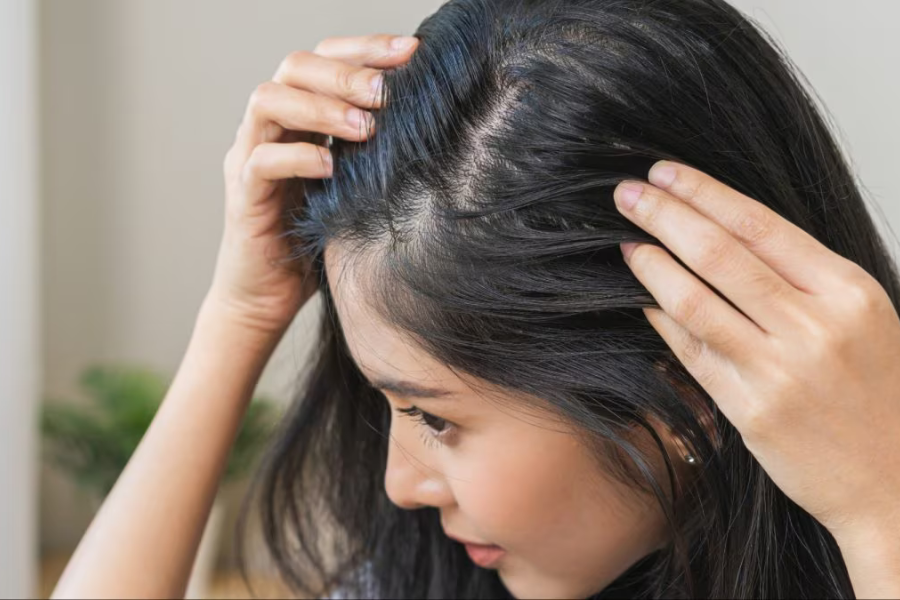
A glossy bottle that promises fuller, thicker hair is tempting when you are tired of shedding in the shower. Hair growth supplements for women are everywhere, and some do have evidence behind them. Others are mostly expensive multivitamins in pretty packaging. Understanding what actually helps your hair and what only empties your wallet puts you in control.
Below, you will learn how hair growth supplements work, which ingredients are worth your attention, what the research really says, and how to use them safely alongside lifestyle changes.
Understand how hair growth supplements work
Hair growth supplements for women are usually blends of vitamins, minerals, and sometimes herbs or marine extracts. Most are designed to support hair that is thinning due to nutritional gaps, stress, or hormonal shifts, not to reverse scarring or severe medical hair loss.
In simple terms, these products try to:
- Correct or prevent nutrient deficiencies that affect hair follicles
- Support the hair growth cycle, so more hairs are in a growth phase
- Improve hair fiber quality, like strength, shine, and thickness
If your hair loss is driven mainly by genetics or an underlying medical condition, supplements on their own are unlikely to be a complete solution. Harvard Health notes that vitamin and mineral deficiencies can contribute to hair loss, but they are rarely the only cause, so many women still need targeted medical treatment in addition to any supplement you might take (Harvard Health Publishing).
Focus on key nutrients for stronger hair
Several vitamins and minerals are consistently linked with hair health. You do not need mega doses. You do need enough of each, ideally from food first.
Vitamins and minerals with the strongest support
According to the International Society of Hair Restoration Surgery, the nutrients with the most routine, supportive evidence for hair growth are vitamin D, iron, and vitamin C (ISHRS).
- Vitamin D: Low vitamin D is common, especially if you live in a cloudy climate or spend most of your time indoors. Correcting a true deficiency has occasionally led to hair regrowth in women, although supplements alone rarely create dramatic changes in high deficiency regions like the northeastern United States (ISHRS).
- Iron: Iron deficiency is widespread worldwide and very common in women with hair loss. Low iron stores may affect the hair growth cycle, although the relationship between ferritin levels and hair loss is still debated. Even so, testing and correcting iron deficiency is considered prudent for hair health (ISHRS).
- Vitamin C: This vitamin supports collagen production and helps your body absorb plant based iron. A daily intake of about 75 mg for women helps prevent deficiency related issues that can show up in your hair (ISHRS).
Harvard Health also highlights vitamin A, vitamin E, zinc, selenium, and several B vitamins, including biotin and B12, as important for hair growth and for maintaining a healthy immune system that indirectly supports your hair (Harvard Health Publishing).
If you eat a varied diet with colorful vegetables, fruits, whole grains, protein, and healthy fats, you probably get enough of these nutrients already. Both ISHRS and Harvard Health point out that most people, including women with hair loss, can meet their needs through food and do not need supplements unless a deficiency shows up on a blood test (ISHRS, Harvard Health Publishing).
Decode popular hair supplement ingredients
Browse any beauty aisle and you will see the same ingredients over and over. Knowing what has evidence and what is mostly hype helps you narrow your options.
Biotin: powerful, but only if you are deficient
Biotin, or vitamin B7, is one of the most common ingredients in hair growth supplements for women. Deficiency can lead to brittle hair and hair loss, so it makes sense that biotin became a star ingredient. The catch is that biotin deficiency is very rare, usually inherited, and most women get enough from everyday foods.
According to ISHRS, there is no evidence that biotin supplements improve hair growth in healthy women who are not deficient, even though doses up to 5000 mcg are often recommended by hair loss specialists (ISHRS). A 2016 study cited by Healthline found that 38% of 541 women with hair loss were biotin deficient, which suggests that testing for deficiency is worthwhile if your doctor suspects it (Healthline).
There is another concern. High dose biotin can interfere with lab tests, including thyroid and heart markers as well as urine pregnancy tests, leading to false results and potential misdiagnosis (Dermatology Practical & Conceptual, Everyday Health). If you decide to use a supplement with large amounts of biotin, it is important to let your doctor know before blood work.
Iron, zinc, and other minerals
Iron and zinc show up in many hair growth formulas. When you are deficient, correcting those levels can make a real difference for your hair.
Iron deficiency is especially common in women who menstruate and has been linked to poor hair health in several studies. Life Extension notes that keeping iron levels in a healthy range through diet or, when needed, supplementation supports normal hair growth (Life Extension). Zinc also plays a role in cell turnover and immune function, which affects your scalp and follicles.
Too much of these minerals is not harmless. Long term iron supplementation in women without deficiency can cause iron overload, digestive upset, and reduced zinc uptake. High selenium intakes, above 200 micrograms per day, which occurs in some hair loss supplements, have been associated with higher risks of type 2 diabetes and all cause mortality (Dermatology Practical & Conceptual). This is a clear case where more is not better.
Herbal and specialty ingredients
Many hair growth supplements for women add herbs or specialty compounds to stand out.
- Saw palmetto: This plant is used because it can inhibit 5 alpha reductase, an enzyme involved in producing DHT, a hormone linked to some types of hair loss. A 2025 randomized trial reported that saw palmetto extract improved hair thickness and reduced shedding in women by supporting healthy DHT levels (Life Extension). However, animal studies show that saw palmetto can cause abnormal male genitalia in offspring when given in pregnancy, and products often do not include clear pregnancy warnings (Dermatology Practical & Conceptual).
- Collagen peptides: Preclinical research suggests collagen peptides may lengthen hair follicle tissues and encourage new hair shaft production, which could help maintain thickness and reduce shedding over time (Life Extension). Human data is still limited.
- Phytoceramides: In one 2025 clinical study, up to 64% of women taking wheat phytoceramides saw an increase in hair density and volume, and 85% reported less shedding and faster growth after 12 weeks (Life Extension).
Formulas also frequently include antioxidants like vitamins A, C, and E. You only need these in moderate amounts. High doses of vitamins A, B6, and selenium have been linked to hair loss and other serious side effects, which is the opposite of what you want when you are trying to protect your strands (Dermatology Practical & Conceptual).
Look at the clinical evidence behind real products
A few branded hair growth supplements for women have undergone proper clinical trials. These do not guarantee you will see the same results, but they offer more reassurance than products with no data at all.
B vitamin and Fo‑ti gummies
A 2024 randomized, placebo controlled study in Brazil followed 65 healthy women aged 18 to 60 who reported thinning hair. One group took a daily gummy supplement containing B vitamins, zinc, para aminobenzoic acid, and Fo ti root extract. After six months:
- Hair density increased by 10.1% in the supplement group, compared with a 2% decrease in the placebo group, a difference that was statistically significant (JCAD).
- Hair tensile strength improved by 10.2% in the supplement group. This was not significantly different from the 9.3% improvement in the placebo group, so both groups saw similar gains.
- Women taking the gummies reported less shedding and breakage and better strength and brightness of hair compared with placebo, and these subjective improvements were statistically significant (JCAD).
No adverse events were reported, which suggests that this specific formula was well tolerated over six months.
Marine based supplements like Viviscal
Viviscal is another well studied option. In a 2012 randomized, double blind, placebo controlled trial, women with self perceived thinning hair took Viviscal Maximum Strength or placebo for 180 days. The women who took Viviscal experienced:
- A rise in terminal hair counts from 271 hairs at baseline to 571 at 90 days and 610 at 180 days. Placebo users did not show a significant change. The difference between groups was statistically significant (PMC).
- Noticeable improvements in hair volume, scalp coverage, and hair body thickness by 90 days, plus extra cosmetic benefits such as increased shine and better skin moisture retention by 180 days (PMC).
The supplement contains a proprietary marine complex called AminoMar C, along with organic silica, vitamin C, and other nutrients. No adverse events occurred during the study, and the product was well tolerated (PMC).
It is worth noting that this research excluded women with specific medical hair conditions, so the results apply to otherwise healthy women with temporary thinning that may be related to diet, stress, or hormones.
Balance benefits with safety and side effects
It is easy to assume that vitamins and minerals are always safe. Hair growth supplements for women can deliver impressive doses, but high doses can also bring real risks.
Dermatology Practical & Conceptual and Everyday Health both highlight that:
- Hair, skin, and nails supplements often contain biotin at 100 to more than 30,000 percent of the daily value, increasing the risk of lab test interference and possible side effects (Everyday Health, Dermatology Practical & Conceptual).
- Some formulas include high doses of selenium, vitamin A, and vitamin E that are linked to hair loss and other serious issues if you take them long term (Everyday Health).
- Iron can cause constipation and stomach upset in higher doses, especially if you were not deficient in the first place (Everyday Health).
- Allergic reactions, from mild hives to rare but severe anaphylaxis, can occur with some ingredients. Immediate medical attention is essential if you have trouble breathing, swelling, or severe rash (Everyday Health).
Harvard Health emphasizes that supplements should be used to correct documented deficiencies, not to pile more nutrients on top of an already adequate diet. When blood tests show a deficiency, a supplement can be very helpful. Without that information, you are guessing and could accidentally take too much (Harvard Health Publishing).
Set realistic expectations and timelines
If you decide to try hair growth supplements for women, it helps to be clear about what they can and cannot do for you.
Life Extension notes that most hair growth supplements must be taken daily for at least 2 to 4 months before you notice changes like less shedding. More visible improvements in thickness and density usually take 3 to 6 months (Life Extension). In clinical trials of gummies and Viviscal, meaningful differences were seen after 90 to 180 days, not within a few weeks (JCAD, PMC).
Keep in mind:
- Supplements tend to work best if your hair issues are related to nutritional gaps or temporary stress, not long term scarring or severe hormonal disorders.
- Most experts see them as helpful add ons, not the main treatment. For female pattern hair loss, medications like topical or oral minoxidil are still considered very effective and are backed by stronger evidence than any supplement (University Hospitals).
- If you do not see any improvement after 6 months, it is reasonable to stop and work with a dermatologist to explore other causes and treatments.
Combine supplements with lifestyle and medical care
Healthy hair reflects what is happening throughout your body. You will usually get the best results when you pair a smart supplement plan with habits that support your overall health.
Healthline recommends focusing on a balanced, nutrient dense diet, managing stress, getting adequate sleep, and seeking professional help if hair loss continues, instead of relying entirely on expensive hair vitamins (Healthline). University Hospitals also points out that stress management and good nutrition can reduce hair shedding and support any medications you use (University Hospitals).
Before you start any hair growth supplement, it is wise to:
- Talk with your doctor, especially if you are pregnant, breastfeeding, have medical conditions, or take other medications.
- Ask for blood tests to check vitamin D, iron, and other key markers so you know whether you are actually deficient.
- Share the exact product and dose you plan to use so your clinician can flag possible interactions or risks, especially around lab tests.
Hair growth supplements for women can absolutely play a role in strengthening your strands, especially when they correct real nutrient shortages. When you choose formulas that match your needs, watch the doses, and give them enough time to work alongside healthy habits, you give your hair the best chance to grow thicker, stronger, and more resilient.
About the Author