Magnesium for anxiety has become a popular search term for a reason. When your heart is racing or your thoughts are looping, the idea that a simple mineral might help you feel calmer is very appealing. The truth is more nuanced. Magnesium can support your nervous system and may ease anxiety for some people, but it is not a cure and it does not work instantly for everyone.
Below, you will learn how magnesium affects your brain and stress response, what the research actually shows, and how to choose and use supplements safely if you decide to try magnesium for anxiety.
Understand what magnesium does in your body
Magnesium is a mineral your body uses in more than 300 chemical reactions. It helps with nerve signaling, muscle function, blood sugar balance, and calcium regulation, among other tasks (Harvard Health). That alone makes it important for overall health, but it is especially relevant to anxiety because of how closely it is tied to your nervous system.
If your magnesium levels drop too low, you might notice fatigue, muscle cramps, or twitches. These symptoms can overlap with or worsen anxiety, which is part of the reason magnesium has come under the spotlight as a possible calming supplement (Harvard Health).
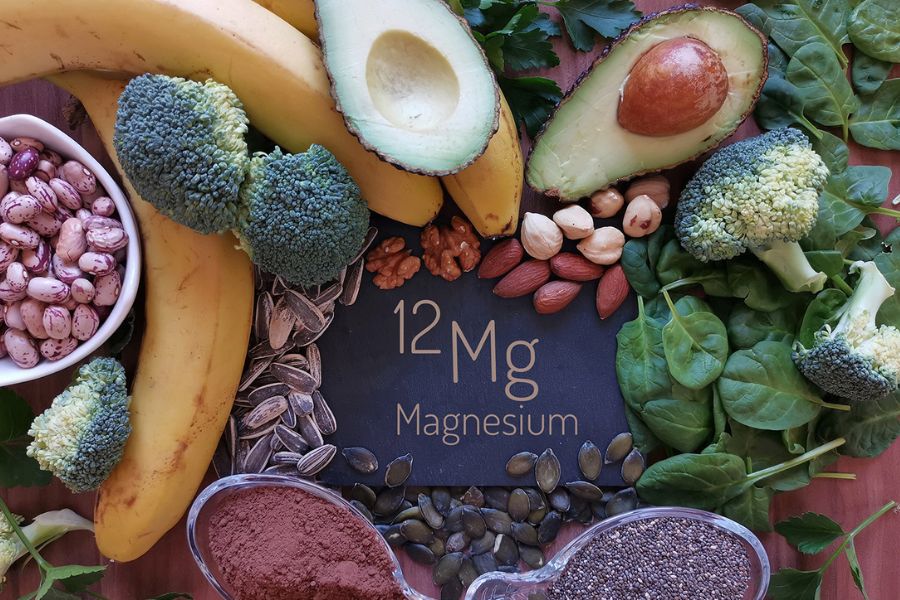
For most adults, the recommended daily intake is about 320 mg for women and 420 mg for men. Many people can meet this through a balanced diet that includes leafy greens, nuts, seeds, and whole grains, so supplements are not always required (Harvard Health).
How magnesium might ease anxiety
You feel anxiety not only in your thoughts but also in your body. Magnesium interacts with several systems that shape that experience.
It may help regulate cortisol
Cortisol is one of your main stress hormones. In short bursts, it helps you wake up and respond to challenges. When cortisol stays elevated, it can fuel ongoing anxiety and amplify negative feelings. Early evidence suggests magnesium may help moderate cortisol levels, which could take some of the intensity out of your stress response (Cleveland Clinic).
You will not feel this as a dramatic switch from panic to peace. Think of it more as a subtle adjustment in how your body reacts to pressure over time.
It affects calming and stimulating brain chemicals
Your brain uses chemical messengers, called neurotransmitters, to send signals. Two important ones for anxiety are:
- Glutamate, which is excitatory and makes brain cells more active
- GABA, which is inhibitory and helps quiet brain activity
Magnesium is involved in reducing the release of glutamate and in supporting GABA activity. By nudging this balance toward more GABA and less glutamate, magnesium can have a calming effect that in some ways resembles mild anti anxiety medication, although it is much less targeted (Cleveland Clinic).
It supports your nervous system overall
Because magnesium is essential for proper nerve function, having enough may help your nervous system respond more smoothly to day to day stress. This does not mean it will erase worry on its own. Instead, it may help your body avoid the jittery, over reactive state that can worsen anxious thoughts.
What the research actually shows
Magnesium for anxiety has promising but limited evidence. This is where it helps to separate enthusiastic marketing from what studies really find.
A review of clinical trials up to 2016 looked at adults with mild to moderate anxiety. About half of the studies reported that magnesium helped reduce subjective anxiety symptoms. However, many of these trials combined magnesium with other ingredients, such as vitamin B6 or plant extracts, so it is difficult to say how much of the benefit came from magnesium alone (PMC).
In women with premenstrual syndrome, several studies found that magnesium, alone or with vitamin B6, reduced anxiety related symptoms. Again, the results were mixed and affected by issues such as small sample sizes and inconsistent diagnoses, so the findings are encouraging but not conclusive (PMC).
In other groups, such as people with mild hypertension or those experiencing anxiety right after childbirth, the evidence is weak or shows no meaningful effect on anxiety ratings (PMC).
Researchers also have not found a clear dose response pattern. Across studies, magnesium doses have ranged from around 46 mg to 600 mg per day, using different chemical forms with different levels of absorption. Anxiety relief did not consistently increase with higher doses or supposedly better absorbed forms (PMC).
Put simply, the research suggests magnesium might help some people, especially those with mild anxiety or PMS related symptoms, but it is not a guaranteed solution and more high quality studies are needed.
Magnesium shows modest promise for anxiety, but it should be viewed as one tool in a broader mental health plan, not a stand alone treatment.
Why deficiency matters
An important detail is that many people do not get enough magnesium. Some estimates suggest that roughly 70 percent of Americans are deficient or borderline deficient, based on dietary intake and older research on blood levels (Cleveland Clinic). Since magnesium is essential for a well regulated nervous system, being low might make you more vulnerable to anxiety or make existing anxiety feel worse.
A standard blood test measures magnesium with a normal range of about 1.7 to 2.2 mg per deciliter. However, most of your magnesium is stored in bone and tissue, so blood levels do not always reflect total body stores perfectly (Harvard Health).
If you suspect deficiency, especially if you have fatigue, muscle cramps, or twitches along with anxiety, it is worth asking your doctor about testing before you rely on supplements as a self directed fix.
Best forms of magnesium for anxiety
If you decide to explore magnesium for anxiety, the form you choose matters. Different compounds contain magnesium bound to other molecules. This changes how well your body absorbs them and how they affect your digestion and brain.
Experts often point to these forms as especially promising for anxiety and mental health:
- Magnesium glycinate
- Magnesium taurate
- Magnesium L threonate
Magnesium glycinate is known for good absorption and is commonly recommended for stress and anxiety because it is gentle on the stomach and less likely to cause diarrhea (Cleveland Clinic).
Magnesium taurate pairs magnesium with taurine, an amino acid that may help magnesium enter the brain, support neuroprotection, and reduce inflammation. It also tends to be easier on digestion and is considered a strong candidate specifically for anxiety support (Dr. Suruchi Chandra).
Magnesium L threonate can cross the blood brain barrier and has some of the best evidence for raising magnesium levels in the brain. It may support cognitive function and mood, but it is more expensive and often requires taking more capsules to reach the doses used in studies (Dr. Suruchi Chandra, Cleveland Clinic).
By contrast, forms like magnesium oxide are less well absorbed and more likely to cause loose stools at higher doses. They may still be useful for constipation, but they are not usually first choice for targeting anxiety.
How quickly you might notice a difference
The phrase “boost your calm instantly” sounds attractive, but expectations matter. Magnesium does not typically work like a fast acting anti anxiety pill.
In studies, supplements are often taken daily for several weeks. Some people report feeling a bit more relaxed or sleeping better within a few days. Others notice changes only after a few weeks or not at all. If your anxiety is tied to a menstrual cycle, you might notice more specific relief around PMS when magnesium is taken regularly over a month or more (WebMD).
Health experts generally suggest giving magnesium about a month to see if it makes a meaningful difference for you. If you notice no change, it is a sign to revisit your plan with a healthcare professional instead of simply increasing the dose on your own (Cleveland Clinic).
Safe dosing and when to be cautious
There is no single optimal magnesium dose for mental health that applies to everyone. Research studies vary widely. For example, one trial in older adults used up to 1,800 mg of magnesium L threonate per day, far above typical supplement labels, and under close supervision (Dr. Suruchi Chandra).
For most people, a more conservative approach is safer. Here are general points to keep in mind:
- Aim to meet your basic daily needs through food first when possible
- If you add a supplement, many products provide 100 to 350 mg of elemental magnesium per day
- Going much above 350 to 400 mg from supplements, on top of your diet, increases the risk of side effects like diarrhea and nausea (Harvard Health)
- Extremely high doses, above about 2,500 mg per day, can be toxic and should not be tried without medical supervision (Dr. Suruchi Chandra)
Magnesium can interact with some medications, including certain antibiotics, blood pressure drugs, and osteoporosis medications, by affecting absorption. If you have kidney disease, you also need to be especially careful because your body clears magnesium through your kidneys. This is why it is important to discuss magnesium with your doctor or pharmacist before starting, particularly if you take other prescriptions or have chronic health issues.
Magnesium for anxiety vs professional care
It can be tempting to see magnesium as a simple, natural alternative to therapy or medication. While it might help some people feel calmer, especially if they were deficient to begin with, experts emphasize that magnesium is not a replacement for professional mental health care.
If you have persistent anxiety that interferes with your sleep, work, relationships, or safety, you should not rely only on supplements. Cognitive behavioral therapy, lifestyle changes, and in some cases medication have strong evidence for reducing anxiety. Magnesium can be one supportive layer on top of these, not the main treatment.
Health professionals suggest that if you try magnesium for about a month and notice no improvement, it is important to adjust course instead of simply raising the dose or adding multiple new supplements on your own (Cleveland Clinic).
How to start using magnesium mindfully
If you are curious about magnesium for anxiety, you can take a thoughtful, step by step approach:
- Look at your diet for natural sources like leafy greens, beans, nuts, seeds, and whole grains. You may already be closer to your daily target than you realize.
- Talk with your doctor or pharmacist, especially if you take medications or have kidney or heart issues. Ask whether testing your magnesium level makes sense.
- If you decide to supplement, choose a form known for better absorption and tolerability, such as magnesium glycinate or magnesium taurate for general anxiety support, or magnesium L threonate if cognitive benefits are also a priority (Cleveland Clinic, Dr. Suruchi Chandra).
- Start at a moderate dose, taken with food, and observe your body for both benefits and side effects.
- Track your anxiety symptoms, sleep, and energy over 4 weeks so you have a clearer picture of whether magnesium is actually helping.
Used this way, magnesium can be a reasonable, low cost tool in your toolkit. It will not switch off anxiety overnight, but it may help your body respond to stress a little more calmly while you also lean on therapy, movement, rest, and social support.
About the Author