Understand what “good sexual health” means
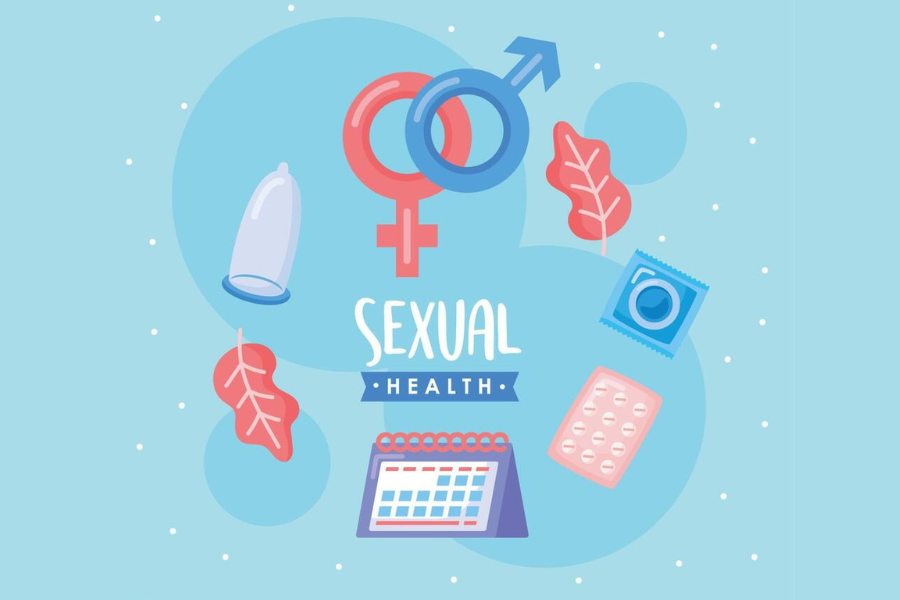
If you are asking yourself what are signs of good sexual health?, you are already taking an important step. According to the World Health Organization, sexual health is not just the absence of disease. It is a state of physical, emotional, mental, and social well‑being in relation to sexuality, and it includes pleasure, safety, and respect as fundamental parts of human rights (WHO via PMC).
In everyday terms, good sexual health means:
- Sex feels safe and mostly enjoyable for you
- Your body and emotions are respected
- You can talk openly with partners about needs and boundaries
- You have access to information and healthcare that support your choices
Below are key signs to look for in your own life.
Experience pleasure and satisfaction
Sexual satisfaction is one of the clearest signs of good sexual health. Research across many countries shows that people who report higher sexual satisfaction also tend to report better physical and psychological health, fewer physical symptoms, and greater life satisfaction (WHO via PMC).
You generally enjoy sex
You do not have to have mind‑blowing sex every time for your sexual health to be good. What matters is the overall pattern:
- You look forward to intimacy at least some of the time
- You feel mostly positive after sex, not ashamed, resentful, or consistently disappointed
- Sex fits into your life in a way that feels balanced, instead of draining or stressful
You care about mutual satisfaction
In a healthy sexual life, your pleasure matters and so does your partner’s. Research notes that both partners experiencing orgasm can be one indicator of a healthy sex life, although it is not expected every single time (Adriatica Women’s Health).
Signs you are on the right track:
- You and your partner can talk about what feels good
- You adjust things like pace, position, or type of touch based on feedback
- You treat orgasms as shared possibilities, not performance tests
You stay flexible about frequency
Good sexual health is not about hitting a certain number of times per week. Studies show that the link between how often you have sex and your well‑being is mixed and depends a lot on context, with some benefits leveling off around once a week (WHO via PMC).
What matters more is that:
- You feel mostly satisfied with how often you have sex
- You and your partner can adjust frequency as life changes
- You do not feel pressured into sex more often or less often than you want
Feel physically comfortable and pain free
Ongoing pain is not something you should ignore. A sign of good sexual health is that sex does not cause persistent or recurrent pain. Occasional minor discomfort that quickly goes away can be normal, but pain that lingers or appears often is not something you should just push through (Adriatica Women’s Health).
Your body feels safe during sex
Healthy sexual experiences usually share these characteristics:
- No ongoing genital or pelvic pain during or after sex
- No frequent bleeding you cannot explain
- No burning, itching, or irritation that keeps coming back
If you notice persistent pain or sudden changes in your body, checking in with a healthcare provider is a positive, proactive step for your sexual health.
You pay attention to underlying health
Conditions like diabetes, heart disease, hormonal changes, and high stress can all affect sexual desire, arousal, and function. Learning about and managing these conditions is an important part of maintaining good sexual health (American Diabetes Association).
You support your sexual health when you:
- Take regular checkups seriously
- Talk honestly with your provider about sexual concerns
- Manage medications and lifestyle factors that may impact your sex life
Communicate openly and respect boundaries
Good sexual health is deeply connected to how you and your partner communicate. Open communication and healthy boundaries are not “nice to haves.” They are core signs that your sexual life is built on respect and care (Adriatica Women’s Health).
You can talk about sex without fear
You do not have to be perfectly smooth or never feel awkward, but a healthy pattern looks like this:
- You can express what you like and do not like
- You can say “no” or “not right now” and trust it will be respected
- You can bring up topics like protection, testing, and contraception
This kind of open dialogue is also part of the WHO’s vision of sexual health, which includes a positive and respectful approach to sexuality and the possibility of safe, pleasurable experiences free from coercion, discrimination, and violence (PMC – BMJ Global Health).
Your boundaries and your partner’s are honored
Healthy boundaries show up in everyday moments, for example:
- Asking before trying something new
- Checking in if your partner seems distracted or tense
- Accepting “no” without arguing, sulking, or pressuring
When both partners trust that their limits will be respected, sexual experiences usually feel safer, freer, and more enjoyable.
Take sexual safety and testing seriously
A strong sign of good sexual health is how you handle safety, including protection and testing. Regular screening and honest conversations are not just about preventing disease. They also support trust and peace of mind.
You stay up to date on STI testing
Experts recommend regular sexually transmitted infection (STI) testing at least once a year, or more often if you change partners or have other risk factors. This routine is an important practice for maintaining good sexual health and building trust in your sexual relationships (Adriatica Women’s Health).
Healthy patterns include:
- Getting tested on a schedule that fits your life and risk level
- Sharing results with partners when appropriate
- Encouraging partners to test too, without blame or judgment
You know your status and your partner’s
In one large European study of men who have sex with men, knowing that your HIV status matched your partner’s was linked with higher sexual satisfaction, while uncertainty about status was linked with lower satisfaction (PMC – BMJ Global Health).
Even if HIV is not a central concern in your situation, the same principle applies: clarity and honesty about health status can make sex feel calmer, closer, and more satisfying.
Maintain emotional connection and intimacy
Sex does not exist in a vacuum. Your feelings about yourself and your relationship spill over into the bedroom. Good sexual health tends to walk hand in hand with emotional closeness and overall relationship quality.
You feel connected beyond the physical
Healthy sexual relationships usually include:
- Warmth and affection outside of sex
- A sense that your partner cares about your life, not only your body
- Time for conversation, comfort, and shared activities
Feeling emotionally distant, even if sex is frequent, can be a sign that something needs attention.
You notice when withdrawal shows up
Emotional factors like stress, fear of failure, and worry can interfere with sexual feelings and contribute to sexual difficulties (American Diabetes Association). Signs that your sexual health might be under strain include:
- Losing interest in sex for long periods
- Avoiding intimacy because you are anxious about your performance
- Pulling back from your partner emotionally after sexual problems
Catching these patterns early gives you a chance to address them, whether that is through honest conversation, stress management, or professional support.
Feel good about yourself and your body
Self‑esteem and body image are important indicators of good sexual health. When you feel worthy of respect and pleasure, you are more likely to choose partners and experiences that support your well‑being.
Your self‑worth is not defined by performance
Healthy sexual self‑esteem looks like:
- Seeing sexual “mistakes” or awkward moments as normal, not disasters
- Recognizing that arousal, erection, lubrication, or orgasm can vary and that this does not define your worth
- Being open to learning and exploring instead of obsessing over perfection
Research shows that good sexual function and satisfaction are tied to higher quality of life scores and lower levels of depression and anxiety in both men and women, including during pregnancy, menopause, and later life (WHO via PMC).
You feel basically comfortable in your skin
You do not have to love every inch of your body to have good sexual health. Still, some helpful signs include:
- You can be nude or partially nude with a partner without constant self‑criticism
- You can focus on sensations and connection instead of only on how you look
- You choose partners who affirm you instead of tearing you down
When self‑esteem starts to drop, sexual enjoyment often drops with it. Paying attention to both is part of caring for your overall well‑being (American Diabetes Association).
Feel supported by your environment
Your surroundings, relationships, and community attitudes can strengthen or strain your sexual health. This is especially true if you are part of a sexual or gender minority.
You experience respect, not stigma
A large study of men who have sex with men across 13 European cities found that about 77 percent felt satisfied with their sex life. Sexual satisfaction was linked with supportive environments, such as positive attitudes toward gay or bisexual people at work, school, and among family and friends (PMC – BMJ Global Health).
The same research found that:
- Perceived homophobia and stigma were linked to lower sexual satisfaction
- Simply being “out” did not automatically improve satisfaction, especially when external stressors were high
In other words, social acceptance and safety matter. If you feel affirmed in your identity and safe expressing it, that is a powerful sign that your environment is supporting your sexual health.
You have access to information and care
Another sign of a healthy sexual life is having access to:
- Accurate information about sex and sexual health
- Healthcare providers you can talk to without embarrassment
- Resources that respect your gender, orientation, culture, and values
When you can ask questions and get clear, nonjudgmental answers, it becomes much easier to notice and respond to changes in your sexual health.
Put it all together
Good sexual health is not one single thing. It is a mix of physical comfort, emotional well‑being, mutual respect, pleasure, and safety that evolves over time. If you want a quick way to check in with yourself, ask:
- Do I mostly enjoy my sexual experiences?
- Do I feel safe in my body and in my relationships?
- Can I talk openly about sex with partners and healthcare providers?
- Am I attentive to protection, testing, and my overall health?
- Do I feel basically good about myself and deserving of care and pleasure?
If you can answer “yes” to many of these, you are seeing important signs of good sexual health. If some answers are “no” or “I am not sure,” that does not mean something is wrong with you. It simply shows you where you might want to learn more, make changes, or reach out for support.
You deserve a sexual life that feels safe, respectful, and fulfilling, and you can move toward that at your own pace, one conversation or small change at a time.
About the Author