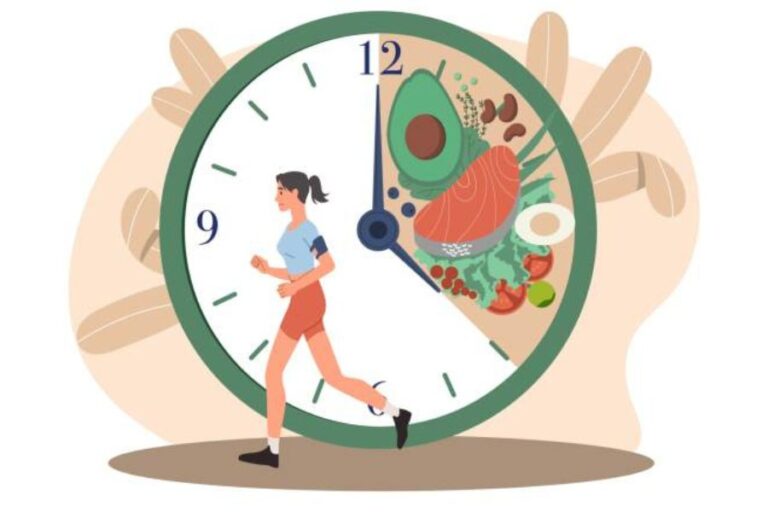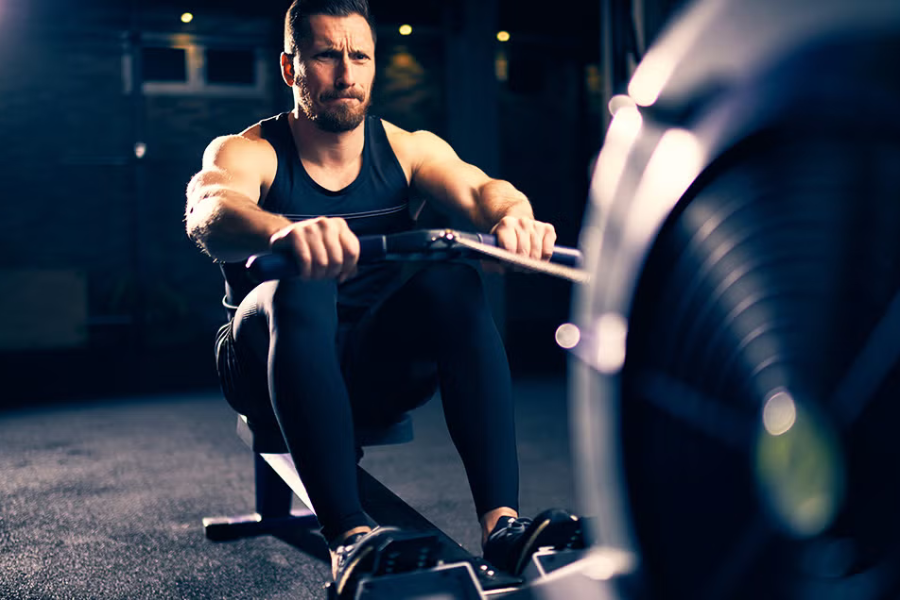
A rowing machine can be one of your most effective tools for fat loss. Rowing workouts for fat loss help you burn calories, build muscle, and protect your joints, all in a single session. With the right approach, you can use your rower to lose body fat and improve your overall health without spending hours in the gym.
Below, you will find simple explanations and ready-to-use rowing workouts you can start today, whether you are a beginner or more advanced.
Why rowing works for fat loss
Rowing is a full-body, low-impact workout. Each stroke recruits your legs, glutes, back, core, and arms, which means you use a lot of muscle mass at once. The more muscles you work, the more calories you burn in a given amount of time.
A few key points from recent research:
Rowing can help you create the calorie deficit needed for fat loss. A moderate daily deficit of around 500 calories is typically recommended if you want to lose weight at a sustainable pace (Healthline). The actual calories you burn on a rower depend on your weight and intensity, but as one example, a 175 pound adult can burn about 139 calories in just 15 minutes of moderate rowing (Healthline).
A 6 week study where inactive adults rowed 5 days per week found that they burned an estimated 481 to 713 calories per hour and improved body composition in the process (Women’s Health). Other guides estimate roughly 300 calories in 30 minutes for an average person, which is comparable to running but easier on your joints (RowingMachineWorkouts.com).
You also get a bonus effect from high intensity intervals. When you row hard in short bursts, you increase excess post exercise oxygen consumption, or EPOC. This means your body continues to burn slightly more calories after the workout as it returns to baseline (Garage Gym Reviews).
In short, rowing helps with fat loss because it:
- Burns a meaningful number of calories
- Builds muscle that raises your resting metabolic rate
- Protects your joints so you can train consistently
Get your rowing technique right
Before you jump into intense rowing workouts for fat loss, it pays to dial in your form. Good technique lets you work harder with less risk of pain or injury.
Most experts agree that your legs should do about 60 percent of the work, your core and hips about 20 percent, and your arms the final 20 percent (Women’s Health). Think of each stroke as a powerful leg press, not a biceps curl.
Here is a simple breakdown of the rowing stroke:
-
Catch position
Sit tall with your knees bent and shins roughly vertical. Hinge slightly forward from your hips, keep your core engaged, and reach your arms straight toward the handle. Your shoulders stay relaxed, not hunched by your ears. -
Drive phase
Push hard through your feet and straighten your legs first. Once your legs are almost straight, lean your torso back slightly, then finally pull the handle to your lower ribs. Your wrists stay neutral and your elbows travel back along your sides. -
Finish position
You are leaning back just a little, with legs straight, core tight, and handle touching around your sternum or just below it. Do not over lean or collapse your chest. -
Recovery phase
Reverse the order in a slow, controlled way. Extend your arms first, then hinge your torso forward, then bend your knees to slide back to the catch. The recovery should be at least as long as the drive, often a bit longer.
Good form protects your lower back and lets you maintain power in longer workouts. If you feel most of the work in your arms or your low back, slow down and focus on pushing through your legs instead.
Choose between steady state and HIIT
You can use a rower in two main ways for fat loss: longer, steady efforts at a moderate pace or short, intense intervals where you alternate hard work and rest. Both methods work, and the best plan for you will likely include a mix of the two.
Steady state for sustainable calorie burn
Steady state rowing means you maintain a consistent pace and effort for the entire workout. This usually lands in a light to moderate intensity that you could sustain for at least 20 to 45 minutes.
Health guidelines suggest aiming for at least 150 minutes of moderate intensity exercise per week for general health and weight management (Healthline). You can easily meet this target with regular steady rowing sessions.
Many rowers like to spend long periods in Zone 2 heart rate, a comfortable, conversational pace. This type of training is gentle on your joints, burns calories, and does not spike your hunger as aggressively as very intense training might (Reddit).
HIIT for time efficient fat loss
High intensity interval training, or HIIT, is a powerful way to lose fat when you are short on time. A typical HIIT rowing session alternates bursts of hard effort at 80 to 95 percent of your max heart rate with easier recovery intervals at 40 to 50 percent of your max (Garage Gym Reviews).
Rowing based HIIT has been shown to improve cardiovascular fitness and body composition. One protocol that gets a lot of attention is Tabata, which involves 20 seconds of all out work followed by 10 seconds of rest, repeated eight times for a total of 4 minutes. Studies have found that a Tabata style rowing protocol can reduce body fat percentage and waist to hip ratio in overweight individuals (Breaking Muscle).
If you are new to intervals, experts recommend starting more gently, for example with a 1 to 2 work to rest ratio such as 20 seconds of hard rowing followed by 40 seconds of easy rowing. This allows for adequate recovery as your fitness improves (Breaking Muscle).
Beginner friendly rowing workout for fat loss
If you are just starting, your main goals are to learn the movement, build consistency, and avoid overdoing intensity. You can still lose fat with this approach, especially if you combine it with a sensible nutrition plan.
Try this 20 minute beginner workout 3 to 4 times per week:
-
Warm up, 5 minutes
Row at an easy pace. Focus on smooth strokes, light breathing, and good form. Aim for a stroke rate of about 18 to 22 strokes per minute. -
Technique intervals, 10 minutes
Alternate 1 minute of slightly faster rowing with 1 minute very easy. During the faster minutes, think about strong leg drive and clean finishes, but keep the effort around 6 out of 10, not all out. -
Cool down, 5 minutes
Row gently and gradually slow your pace. Finish with some light stretching for your hips and hamstrings.
For the first few weeks, limit intense HIIT sessions to 15 minutes or less and no more than once per week to reduce the risk of overtraining (Garage Gym Reviews). Once you feel more comfortable, you can add another interval day.
Intermediate rowing intervals for faster results
After 4 to 6 weeks of consistent rowing, you can start using more structured intervals to ramp up fat loss. At this stage, your technique is more solid and your body can handle higher intensity.
Here is a sample 25 minute interval workout:
-
Warm up, 5 minutes
Easy rowing, then 3 short 10 second pick ups at a faster pace to prime your muscles. -
Main set, 15 minutes
Repeat this 5 times:
-
1 minute at hard but controlled pace, effort about 7 to 8 out of 10
-
2 minutes at very easy pace
Keep your stroke rate a bit higher on the hard minutes, around 24 to 28, while keeping your movements smooth. This 1 to 2 work to rest ratio is a common recommendation for effective and sustainable HIIT on the rower (Breaking Muscle).
- Cool down, 5 minutes
Very light rowing plus a few deep breaths as you finish.
You can do this workout 2 times per week, with 1 to 2 steady state sessions on other days. This mix lets you reap the benefits of both HIIT and longer cardio without burning out.
Advanced HIIT rowing workouts for fat loss
If you have been rowing regularly for 6 months or more and feel comfortable with high intensity training, you can experiment with tougher HIIT protocols that squeeze a lot of work into a short window.
Tabata rowing finisher
The Tabata method is intense, so treat this as a finisher once or twice per week, not an everyday routine.
-
Warm up, 8 to 10 minutes
Start easy, then include a few 15 to 20 second bursts at a strong pace. -
Tabata set, 4 minutes total
- 20 seconds all out rowing
- 10 seconds complete rest or very slow rowing
- Repeat for 8 total rounds
Research suggests that this structure can significantly improve body fat percentage and waist to hip ratio in overweight individuals when used consistently (Breaking Muscle). Because it is so demanding, make sure you recover well between sessions with easier days or rest.
- Cool down, 5 to 10 minutes
Gentle rowing until your breathing normalizes.
Pyramid interval workout
This style of workout climbs in duration, then comes back down. It keeps things interesting and challenges both your aerobic and anaerobic systems.
- Warm up 5 to 8 minutes
- Row 1 minute hard, 1 minute easy
- Row 2 minutes hard, 2 minutes easy
- Row 3 minutes hard, 3 minutes easy
- Row 2 minutes hard, 2 minutes easy
- Row 1 minute hard, 1 minute easy
- Cool down 5 minutes
Keep your hard intervals at about 7 to 9 out of 10 effort and your easy minutes very gentle. This can become a weekly benchmark session to track your progress.
How often you should row for fat loss
The best rowing schedule is one you can stick with. For many people, 3 to 5 sessions per week works well.
Health authorities recommend at least 150 minutes of moderate exercise per week, or you can trade some of that for less time at higher intensities (Healthline). One practical approach is:
- 2 or 3 days of steady state rowing for 20 to 45 minutes
- 1 or 2 days of interval rowing, 15 to 25 minutes including warm up and cool down
If you prefer to row more often, alternate higher and lower intensity days. For example, follow a hard HIIT day with a light, longer session to encourage recovery. According to one functional fitness guide, 20 minute sessions performed 5 days per week, combined with healthy nutrition, can produce meaningful long term changes in body composition (Garage Gym Reviews).
Support your rowing with diet and strength training
Rowing is a powerful tool, but your overall fat loss results will depend heavily on your eating habits. Many coaches estimate that nutrition plays a larger role than exercise alone, with some rowers casually referring to fat loss as “90 percent diet” (Reddit).
To get the most from your rowing workouts for fat loss:
- Aim for a modest calorie deficit, roughly 500 calories per day, unless advised otherwise by a healthcare provider (Healthline)
- Emphasize whole, minimally processed foods and sufficient protein to support recovery and muscle growth
- Consider eating a higher carb meal 2 to 4 hours before hard sessions for energy, then a light carb, high protein snack afterward to support muscle repair (Fit&Well)
Combining rowing with resistance training is another smart move. Research suggests that aerobic training plus strength work is more effective for fat loss and health than cardio alone (Healthline). You can pair shorter rowing intervals with bodyweight moves like squats, pushups, and planks to build muscle, which in turn raises your resting metabolic rate (Women’s Health).
If you focus on consistent rowing, smart intervals, and better food choices, you create a sustainable system for fat loss instead of chasing quick fixes.
Start where you are today
You do not need a complicated plan to begin. Pick one workout from this guide, schedule it in your calendar, and commit to showing up. Over the next few weeks, gradually add more time or intensity as your fitness improves.
If you stay consistent, track your progress, and combine your rowing workouts for fat loss with reasonable nutrition, you will start to notice changes not only in the mirror but in your energy, sleep, and overall health.
About the Author